1. Calculate
Choose your project scope and see the estimated price range.
Price a 2026 GFCI outlet install the way an electrician quotes it — by scenario (swap, new circuit), code-required location, receptacle vs whole-circuit breaker, weather rating, and outlet count.
Instant project estimate
The estimate is free. Additional details are optional.
Complete the project details and calculate to see a price range and next steps.
Clear next step
Choose your project scope and see the estimated price range.
Understand the cost drivers and what impacts your final quote.
Carry your scope into a local quote request if you choose.


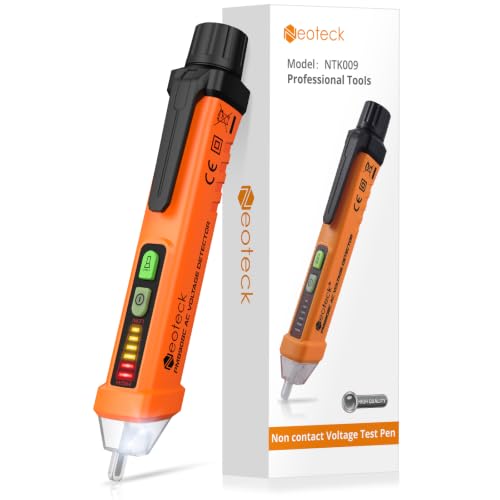

As an Amazon Associate, we earn from qualifying purchases.
Price as of Jul 24, 2026. Product prices and availability are accurate as of the date indicated and are subject to change. Any price and availability information displayed on Amazon at the time of purchase will apply.
Most homeowners pay $130-$300 per GFCI outlet in 2026, with a national average around $210. The scenario drives the spread: a like-for-like swap of a standard receptacle for a GFCI on the existing box runs $90-$200, a new GFCI on an existing circuit runs $150-$350, and a GFCI that needs a brand-new circuit pulled from the panel jumps to $300-$700. Labor is 70-80 percent of every bill because the $15-$50 device is cheap but the licensed electrician carries a $100-$200 trip fee plus $50-$130 per hour.
| Scenario | Device | All-In Typical |
|---|---|---|
| Replace standard with GFCI | $15-$50 | $90-$200 |
| New GFCI, existing circuit | $15-$50 | $150-$350 |
| New GFCI, new circuit | $15-$50 | $300-$700 |
| Outdoor weather-resistant | $15-$30 + cover | $180-$350 |
It depends on how many outlets need protection on one circuit. A single GFCI receptacle costs about $120 installed ($15-$50 for the device), while one GFCI breaker runs $300-$360 installed ($40-$75 for the device) but protects every outlet on that circuit. For one or two outlets the receptacle is the clear low-cost choice. Once a circuit has four or more outlets that all need protection, the single breaker beats wiring four separate GFCI receptacles. The breaker also requires opening the panel, which is why it carries more labor.
| Method | Device | Installed | Covers |
|---|---|---|---|
| GFCI receptacle | $15-$50 | ~$120 | 1 outlet + downstream |
| GFCI breaker | $40-$75 | $300-$360 | Entire circuit |
An outdoor GFCI outlet costs $180-$350 installed in 2026. The device must be weather-resistant (WR) rated, which runs $15-$30, and NEC requires an in-use bubble cover that adds another $5-$10. The bigger cost driver is access: tapping power from a nearby indoor outlet is cheap, but running a fresh circuit through an exterior wall, soffit, or underground trench can push the job toward $400-$600. Outdoor work also more often triggers a permit because of weather exposure and shock risk.
A like-for-like swap (standard outlet to GFCI in the same box on the same circuit) is exempt from permits in most US jurisdictions. The moment the job adds a new outlet location or pulls a new circuit from the panel, a permit is usually required and costs $50-$400 depending on scope. Skipping the permit on permit-required work can void your homeowner insurance for any fire in that circuit and creates a disclosure problem at resale. When in doubt, ask the jurisdiction before booking.
NEC 2023 section 210.8 requires GFCI protection for receptacles in kitchens, bathrooms, garages, outdoors, basements, laundry areas, and any 125-250V receptacle within 6 feet of a sink. The 2023 cycle widened coverage to refrigerator, microwave, and dishwasher receptacles in kitchens and to areas with food or beverage prep stations. All dwelling-unit receptacles must also be tamper-resistant under NEC 406.12. Adding GFCI protection in these required spots is what most 2026 install demand comes from.
Inputs
Result
Cheapest GFCI scenario: the box and circuit already exist, so the swap takes 10-15 minutes but still bills a one-hour minimum plus the trip fee. No permit on a like-for-like swap in most jurisdictions.
Inputs
Result
Outdoor receptacles need a WR device and a code-required in-use cover. Punching through an exterior wall and tapping an interior circuit adds labor, and most jurisdictions want a permit on new outdoor work.
Inputs
Result
With five receptacles on one circuit, a single GFCI breaker ($300-$360) beats wiring five GFCI receptacles (~$600). The trade is panel work, which a licensed electrician should always handle.
Total = Device + Labor + (New circuit) + (Permit) + Outdoor coverTotal = Device ($15-$75) + Labor ($100-$200 trip + $50-$130/hr) + New circuit ($200-$400 if pulled) + Permit ($50-$400 if required) + Outdoor in-use cover ($5-$10). Labor is 70-80 percent of the bill. For multiple receptacles in one visit, per-outlet labor falls to $75-$150 because the trip fee is shared.
Where:
Device= GFCI receptacle $15-$50, GFCI breaker $40-$75, WR outdoor $15-$30Labor= $50-$130/hr journeyman plus $100-$200 minimum trip feeNew circuit= Homerun wire + breaker if no existing circuit: +$200-$400Permit= $50-$400 when a new outlet or circuit is addedA GFCI outlet install costs $130-$300 per outlet for the typical 2026 job, with a national average near $210. The single biggest variable is the scenario, not the device. Swapping a standard receptacle for a GFCI in the existing box runs $90-$200, a new GFCI on an existing circuit runs $150-$350, and a GFCI that needs a brand-new circuit pulled from the panel jumps to $300-$700. HomeGuide and Angi 2026 data both put the basic replacement near $120-$200 once the trip fee is counted.
What surprises buyers is that the GFCI device itself is only $15-$50 at the supply house. Labor is 70-80 percent of the bill because a licensed electrician charges a $100-$200 minimum trip fee plus $50-$130 per hour, and the one-hour minimum applies even to a 15-minute swap. That is why batching outlets matters: doing five GFCI receptacles in one visit drops the per-outlet cost to $75-$150 because the trip fee spreads across the whole job instead of one outlet.
Regional labor is the wildcard. Coastal metros like the Bay Area, NYC, Boston, and Seattle typically bill 25-40 percent above national rates, while Midwest and South markets run 10-15 percent below. A $210 national-average GFCI swap can bill $270-$310 in San Francisco and $170-$190 in Dallas for identical scope. Always get itemized quotes — small electrical jobs swing widely on the trip-fee and minimum-hour structure, and a flat-rate shop and an hourly shop can quote the same outlet $80 apart.
| Scenario | Device | Labor | All-In Typical |
|---|---|---|---|
| Replace standard with GFCI | $15-$50 | $75-$150 | $90-$200 |
| New GFCI on existing circuit | $15-$50 | $135-$300 | $150-$350 |
| New GFCI on a new circuit run | $15-$50 | $285-$650 | $300-$700 |
| Outdoor weather-resistant GFCI | $15-$30 + cover | $165-$320 | $180-$350 |
| GFCI breaker (whole circuit) | $40-$75 | $260-$285 | $300-$360 |
Before booking a single GFCI outlet, walk the house and list every spot that fails current code — kitchens, baths, garage, outdoors, basement, laundry. Doing them in one visit cuts per-outlet labor to $75-$150 instead of paying a fresh trip fee each time.
Most GFCI install demand in 2026 comes from code, not preference. NEC 2023 section 210.8(A) requires GFCI protection for receptacles in kitchens, bathrooms, garages, outdoors, basements, laundry areas, and crawl spaces. The 2023 cycle also expanded coverage to any 125-250V receptacle within 6 feet of a sink and to refrigerator, microwave, and dishwasher receptacles that were previously exempt. If your home was wired before these cycles, a remodel, inspection, or appliance swap can trigger the upgrade.
Outdoor and wet-location rules are stricter. Every exterior receptacle must be GFCI-protected, weather-resistant rated, and fitted with an in-use bubble cover. Garage receptacles at or below grade are covered, as are accessory buildings and boathouses on single-phase circuits rated 150 volts or less to ground and 50 amps or less. These rules are why an outdoor GFCI ($180-$350) costs more than an indoor swap ($90-$200) — the device and cover are pricier and the run is usually longer.
Tamper-resistant (TR) receptacles are required in all dwelling-unit locations under NEC 406.12, including GFCI outlets. A TR GFCI costs only $1-$3 more than a non-TR version, so the line item rarely moves the bill, but installing a non-TR device will fail inspection. If your panel cannot accept modern breakers, an electrical panel upgrade may be the prerequisite before any GFCI circuit work can be permitted and signed off.
A home inspection before a sale routinely flags missing GFCI protection in baths, kitchens, and garages. Fixing these proactively at $75-$150 per outlet in one visit is cheaper than a rushed last-minute fix during escrow.
There are two ways to add GFCI protection, and the cheaper one depends entirely on outlet count. A GFCI receptacle costs about $120 installed ($15-$50 for the device) and protects itself plus any standard outlets wired downstream on the load side. A GFCI breaker costs $300-$360 installed ($40-$75 for the device) but protects every outlet on the whole circuit from inside the panel. Angi data shows GFCI breakers run roughly 10 times the device cost of a receptacle, but they replace the need for multiple receptacles.
The break-even sits around three to four outlets on one circuit. Protecting one or two outlets? The receptacle wins easily — there is no reason to pay $300+ for a breaker. Protecting four or more receptacles on the same circuit? One breaker at $300-$360 beats wiring four GFCI receptacles at roughly $480-$600 total, and it puts the test/reset button in the panel rather than behind a couch. The trade-off is that breaker work means opening a live panel, which is why the labor share is higher and DIY is strongly discouraged.
Downstream wiring is the subtle factor most homeowners miss. A single GFCI receptacle correctly wired to its line and load terminals can protect several standard outlets further along the circuit at no extra device cost — a common, code-legal money-saver. But this only works if the electrician identifies the first outlet in the run and wires line/load correctly. If you are also weighing a new dedicated feed for a big appliance, compare the dedicated outlet cost path before deciding how many circuits you actually need.
| Method | Device | Installed | Best When |
|---|---|---|---|
| GFCI receptacle | $15-$50 | ~$120 | 1-3 outlets |
| GFCI breaker | $40-$75 | $300-$360 | 4+ outlets on a circuit |
| Receptacle + downstream | $15-$50 | ~$120 | Several outlets, one run |
The first factor is whether a circuit already exists. A like-for-like swap reuses the box and wiring and bills $90-$200. The moment the electrician must run a new homerun wire from the panel, the job adds $200-$400 for wire, a breaker, and the extra labor of fishing it through walls — pushing a basic outlet to the $300-$700 range. Ask any bidder to state plainly whether your target location has an existing circuit, because that single answer can triple the price.
Location and access are the second and third factors. An outlet in an open unfinished basement is fast; one in a finished, insulated wall on the far side of the house takes 4-6 hours and may add $200-$400 of drywall patching. Outdoor and wet locations add the weather-resistant device ($15-$30) and the required in-use cover ($5-$10), and frequently a permit. Trenching for a detached garage or yard outlet is a separate cost line that can run several hundred dollars on its own.
Permit, device grade, and outlet count round out the list. A permit costs $50-$400 and is required on new circuits or new locations. Hospital-grade or commercial-spec GFCI devices cost more than the $15-$25 builder version. And outlet count works in your favor: the $100-$200 trip fee is fixed, so doing several outlets in one visit drops the per-outlet price to $75-$150. If your panel is full, factor a subpanel install into the budget before adding GFCI-protected circuits.
Outdoor GFCI outlets run $180-$350 installed in 2026, noticeably more than the $90-$200 indoor swap. The device must be weather-resistant rated ($15-$30) and NEC mandates an in-use bubble cover that keeps the receptacle protected while a cord is plugged in — that cover adds $5-$10 but is non-negotiable for a passing inspection. A standard indoor GFCI mounted outside will corrode and trip nuisance faults within a season, so the WR rating is a real cost driver, not an upsell.
Access is what really swings the outdoor number. Tapping power from an existing indoor outlet on the other side of the wall is the cheap path. Running a new circuit to a detached garage, a deck post, or a yard light location can require conduit, an exterior penetration, or trenching, each of which adds labor and material. A simple back-to-back outdoor outlet might bill $180-$250, while a yard outlet 40 feet from the house with a buried run can reach $400-$600 once trenching and conduit are counted.
Permits matter more outdoors. Many jurisdictions require a permit on any new exterior receptacle because of weather exposure and elevated shock risk, adding $50-$400 to the bill and an inspection step. Skipping it to save money is a poor trade: unpermitted exterior electrical is a common insurance-claim denial point and a resale disclosure issue. If the outdoor outlet is part of a generator hookup, price the full path with the transfer switch install cost calculator first.
Outdoor GFCI outlets need both a weather-resistant device AND an in-use bubble cover that stays closed with a cord plugged in. A flat snap cover does not meet the in-use requirement and will fail inspection.
The most expensive mistake is hiring an unlicensed handyman to save 20-40 percent on labor. New circuits and outdoor electrical work legally require a licensed electrician in nearly every US jurisdiction. Unpermitted or unlicensed work voids the homeowner insurance policy for any fire originating in that circuit and triggers a mandatory resale disclosure in many states. Verify a contractor's license on the state board website — a free, 60-second lookup — and require a liability insurance certificate emailed directly from the insurer.
The second trap is line/load miswiring. A GFCI receptacle has line terminals (incoming power) and load terminals (downstream outlets). Reverse them and the GFCI will still power its own face but leave every downstream outlet unprotected, defeating the entire reason you paid for it — and it will fail inspection. Always test the finished install with a plug-in GFCI tester that confirms the trip function at both the GFCI and the downstream receptacles. A correct line/load setup is also what lets one $120 receptacle legally protect several outlets at no extra device cost.
The third mistake is overpaying upfront and skipping permits. On a sub-$700 GFCI job, never pay more than 25-30 percent before the work is done — a reputable electrician carries the materials. Skipping a required permit on a new circuit to save $100 risks voided insurance and a failed resale, while a same-day or weekend surcharge ($50-$150) is avoidable on a non-emergency. If your panel is out of slots and the bid quietly assumes a swap is possible, confirm capacity first with an electrical load calculator before signing.
After any GFCI install, push the test button and confirm power drops at that outlet and every outlet downstream. If a downstream outlet stays live, the line and load terminals are reversed and the job is not protecting what you paid for.
Read our guide
Read our guide
Read our guide
Price GFCI outlets, panel upgrades, EV chargers, subpanels, and wiring projects with 2026 US rates.
Last Updated: Sep 17, 2026
This calculator is provided for informational and educational purposes only. Results are estimates and should not be considered professional financial, medical, legal, or other advice. Always consult a qualified professional before making important decisions. UseCalcPro is not responsible for any actions taken based on calculator results.