1. Calculate
Choose your project scope and see the estimated price range.
Get a realistic 2026 estimate for a handyman job by hours, complexity, and whether you hire an independent pro or a franchise — then compare quotes from local handymen.
Instant project estimate
The estimate is free. Additional details are optional.
Complete the project details and calculate to see a price range and next steps.
Clear next step
Choose your project scope and see the estimated price range.
Understand the cost drivers and what impacts your final quote.
Carry your scope into a local quote request if you choose.

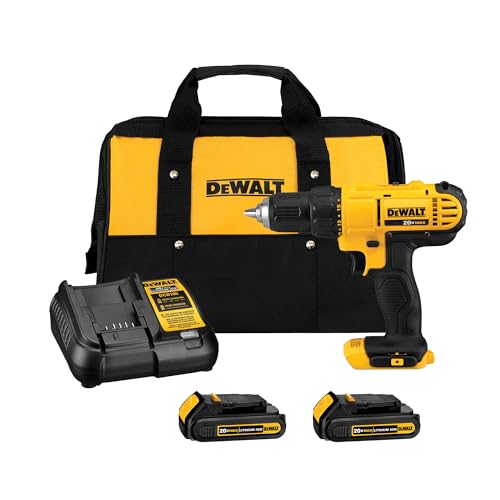

As an Amazon Associate, we earn from qualifying purchases.
Price as of Sep 17, 2026. Product prices and availability are accurate as of the date indicated and are subject to change. Any price and availability information displayed on Amazon at the time of purchase will apply.
Hiring a handyman costs $50 to $125 per hour in 2026 — $50 to $80 for an independent pro and $75 to $125 for a company. Most small jobs run $150 to $600, and pros charge a $75 to $200 minimum that usually covers the first 1 to 2 hours.
Handyman hourly rates run $50 to $125 in 2026. Independent, self-employed handymen charge $50 to $80 per hour, while a company or franchise pro charges $75 to $125 per hour because that rate covers insurance, licensing, and overhead. The national average lands around $65 to $90 per hour. On top of the hourly rate, most handymen enforce a minimum charge of $75 to $200 — often billed as the first one or two hours — so a single quick task rarely costs less than that floor.
| Provider | Hourly Rate | Best For |
|---|---|---|
| Independent pro | $50-$80 | Simple, low-risk tasks |
| Company / franchise | $75-$125 | Insured, vetted, warrantied work |
| Half-day block (~4 hrs) | $300-$450 | Several stacked tasks |
| Full-day block (~8 hrs) | $300-$600 | Punch lists / bigger projects |
Almost every handyman sets a minimum charge so a short visit is still worth the drive. That minimum is typically $75 to $200 and usually buys the first one to two hours of labor whether or not the job fills them. Separately, if the handyman has to drive out to source materials, expect a trip charge of $30 to $80 or a 20% to 50% markup added to the cost of the parts. Bundling several small tasks into one visit is the easiest way to get value out of the minimum instead of paying it for a five-minute fix.
An independent handyman is cheaper per hour — $50 to $80 versus $75 to $125 for a franchise — but the gap is about more than price. Companies like Mr. Handyman or Ace Handyman charge more because they are licensed, insured, background-checked, and usually warranty their work, which protects you if something goes wrong. An independent pro is the better value for simple, low-risk tasks, while a company is worth the premium for anything involving water, electricity, or a job you would want covered if it fails. Always confirm insurance before either one starts.
Small flat-rate jobs — mounting a TV, swapping a faucet, fixing a door — run $75 to $200 because the minimum charge dominates. A half-day of stacked tasks (about four hours) runs $300 to $450, and a full eight-hour day runs $300 to $600 depending on the pro and region. Many handymen discount their effective hourly rate for half- and full-day bookings because they avoid extra trips, so batching a punch list into one block is almost always cheaper per task than scheduling several separate one-hour visits.
Handymen are ideal for small repairs and installs, but some work legally or practically belongs to a licensed specialist. Major electrical panel work, gas line work, and significant plumbing re-pipes usually require a licensed electrician or plumber and a permit, and many states cap unlicensed handyman jobs at a dollar threshold (often $500 to $1,000 in labor and materials). Hiring a specialist for those jobs costs more up front but protects your warranty, your insurance coverage, and your home sale. Save the handyman for the long list of small fixes that specialists overcharge for.
Inputs
Result
An independent handyman at $50-$80 per hour for three hours of moderate work in a low-cost region lands at 3 x $50 to 3 x $80. Because you supply materials, there is no markup or trip charge to add.
Inputs
Result
A franchise pro at $75-$125 per hour for a four-hour half-day is $300-$500 in labor. A complex job in a premium market plus a material trip charge and markup pushes the all-in figure toward $400-$650.
Inputs
Result
Eight hours of an independent pro at $50-$80 per hour is $400-$640. Batching a long punch list into one full-day booking avoids repeat trip charges and usually beats scheduling six separate one-hour visits.
Job cost = max(Minimum fee, Hourly rate x Hours) + Materials markup or trip chargeA handyman quote starts from labor — the greater of the minimum service fee or hourly rate times estimated hours — then adds materials cost and any trip charge or markup when the pro supplies the parts.
Where:
Minimum fee= Floor charge of $75-$200 that usually covers the first 1-2 hours regardless of job lengthHourly rate= $50-$80 for an independent pro, $75-$125 for a company or franchiseHours= Estimated labor hours; half-day is about 4, full-day about 8Materials markup or trip charge= 20-50% markup on parts the pro buys, or a $30-$80 trip charge per supply runCompany premium = (Company rate - Independent rate) x HoursTo weigh hiring a franchise over an independent, multiply the hourly-rate gap by the estimated hours. The premium buys insurance, vetting, and a workmanship warranty.
Where:
Company rate= $75-$125 per hour for a licensed, insured franchise proIndependent rate= $50-$80 per hour for a self-employed handymanHours= Estimated labor hours for the jobA handyman is the most useful trade to know the price of, because the work covers everything a homeowner cannot quite get to: the wobbly railing, the door that will not latch, the light fixture that has been boxed in the garage for a year. In 2026, the hourly rate for that help runs $50 to $125, and the typical single job lands between $150 and $600 once the minimum charge and a task or two are accounted for. The wide spread is not arbitrary — it tracks exactly who you hire, how long the work takes, and how complex the task is.
The first thing to understand is that handymen rarely bill in true single-hour increments. Almost every pro enforces a minimum service fee of $75 to $200 that covers the first one to two hours whether or not the job fills them. That floor exists because driving out, parking, and setting up costs the pro real time regardless of how quick the fix is. As a result, a five-minute faucet cartridge swap and a forty-five-minute one cost roughly the same — both hit the minimum — which is why bundling tasks into one visit is the single best way to control the bill.
Use the calculator above to land on a figure for your specific job, then read on to understand what each input is really pricing. The hourly rate, the number of hours, the provider type, the job complexity, and whether the handyman supplies materials each move the number, and knowing how they interact is the difference between reading a quote and guessing at one.
| Billing Type | Typical Cost | What It Covers | Best For |
|---|---|---|---|
| Minimum / small job | $75-$200 | First 1-2 hours | One quick task |
| Hourly | $50-$125/hr | Labor only, plus materials | Open-ended repairs |
| Half-day block | $300-$450 | About 4 hours | A few stacked tasks |
| Full-day block | $300-$600 | About 8 hours | Punch lists, bigger jobs |
Because the minimum charge dominates short visits, a single five-minute fix almost never costs less than $75-$200. Save up a list of small tasks and book them in one visit to get real value out of that floor.
Two homeowners with the same to-do list can get quotes that differ by hundreds of dollars, and the variance is rarely random. Handymen price from an hourly rate or a flat-job estimate and then adjust for the workload, the risk, and the overhead your specific job creates. Labor is the overwhelming majority of what you are paying for, so anything that adds hours — or forces a more expensive, insured pro — moves the number the most.
Read every quote against the list below. If a handyman cannot explain how your hours, complexity, or material handling map to their price, the quote is a guess that will be revised upward once they are standing in your hallway.
| Job Complexity | Examples | Typical Cost |
|---|---|---|
| Simple | TV mount, faucet, door handle | $75-$200 |
| Moderate | Fixture swap, drywall patch, assembly | $150-$400 |
| Complex | Deck repair, multi-task punch list | $300-$600+ |
Ask whether the quote includes materials before you compare two numbers. A 20-50% markup or a $30-$80 trip charge can quietly swing the true cost of a parts-heavy job by a hundred dollars or more.
Once you know your hours and complexity, the next question is who should hold the drill. The three realistic options are doing it yourself, hiring an independent handyman, or calling a franchise, and each fits a different kind of job. DIY is free in dollars but costs your time and carries the risk of a botched repair you end up paying a pro to redo. An independent handyman at $50 to $80 per hour is the value pick for simple, low-risk tasks where a warranty does not matter much.
A company or franchise at $75 to $125 per hour costs more, and the premium is real: those pros are licensed, insured, background-checked, and typically warranty their work, which protects you if a repair fails or someone is hurt on your property. The math is simple — multiply the hourly-rate gap by your estimated hours to see exactly what the insurance and warranty are costing you. For anything involving water, electricity, or a job you would want covered if it goes wrong, that premium is usually worth paying. A common single task like a drywall repair can go either way, while a room repaint is a job both a handyman and a dedicated painter will quote, so it is worth checking the interior painting cost calculator before you book.
There is also a practical sequence most homeowners follow. They DIY the truly trivial fixes, call an independent for the medium list that keeps growing, and reserve a franchise for the high-stakes or warranty-sensitive jobs. Paying franchise rates for a curtain rod is overspending; hiring the cheapest uninsured pro for an electrical job is a false economy that can cost far more than it saves.
| Option | Typical Cost | Trade-off | Best Stage |
|---|---|---|---|
| DIY | Materials only | Your time and redo risk | Trivial fixes |
| Independent pro | $50-$80/hr | Often uninsured | Simple, low-risk tasks |
| Company / franchise | $75-$125/hr | Higher rate | Insured, warrantied work |
| Licensed specialist | $100-$200+/hr | Most expensive | Permit-required work |
Never choose a handyman on hourly rate alone. A $30-an-hour gap over a four-hour job is $120 — far less than the cost of redoing a water or electrical repair that an uninsured pro got wrong.
Beyond who you hire, the three inputs that move a handyman quote the most are the hours the job takes, whether the pro supplies materials, and where you live. Hours are the core of the bill because labor is what you are buying. A job estimated at two hours that runs four because of a stuck fastener or a wall that was not square doubles the labor line — which is why honest pros pad their estimates and why a fixed-price quote can be safer than open-ended hourly billing on an unpredictable job.
Materials are the most common surprise. When you supply your own parts, the quote is pure labor and there is nothing to mark up. When the handyman buys them, expect a 20% to 50% markup over retail or a flat $30 to $80 trip charge to cover the time and gas of the supply run. On a parts-light job like hanging a shelf, this barely registers; on a parts-heavy job like swapping out three plumbing fixtures, it can add a meaningful slice to the total. Buying your own materials from a list the pro gives you is the simplest way to trim the bill.
Region is the last big lever. Handyman rates in high-cost metros and on the West Coast run well above the national average, while the South and much of the Midwest run below it. A four-hour job that costs $300 in a low-cost market can cross $500 in an expensive one for identical work. When you cleanup or remodel touches several trades at once, related services stack up too — hauling away the debris afterward is its own line, which the junk removal service cost calculator prices out so you can budget the whole project, not just the repair.
| Input | Low End | High End | Why It Moves |
|---|---|---|---|
| Estimated hours | 1 hr ($75-$200) | 8 hrs ($400-$640) | Labor is the core of the bill |
| Materials handling | You supply (no markup) | Pro buys (+20-50%) | Markup or trip charge |
| Region | South / Midwest | West Coast / NE metros | Local labor rates |
| Provider type | Independent $50-$80 | Company $75-$125 | Insurance and overhead |
When a job is unpredictable, ask for a flat-rate quote instead of hourly. It shifts the risk of a job running long onto the pro, who has done the work before and is better placed to absorb it.
The cheapest handyman job is the one you do not have to redo, so vet on fit and transparency rather than headline rate alone. Get two or three quotes that spell out the hourly rate or flat price, the assumed hours, the minimum charge, and whether materials and trip charges are included. A quote that is dramatically below the others usually assumes fewer hours than your job really needs or excludes materials entirely — the gap reappears as an add-on once the work starts.
Confirm insurance and licensing limits before you sign. Many independent handymen carry no liability insurance, which leaves you exposed if a worker is injured or your property is damaged; franchises always carry it. Most states also cap the dollar value of work an unlicensed handyman can legally perform — often $500 to $1,000 in combined labor and materials — above which you need a licensed contractor and sometimes a permit. For permit-required electrical, gas, or major plumbing work, hire the specialist and keep the handyman for the long list of small jobs they overcharge for.
Finally, batch your work and treat the relationship as ongoing. A good handyman is worth keeping, and the more tasks you hand them in a single visit, the more value you extract from the minimum charge and the lower your effective per-task rate becomes. Agree up front on the rate, the minimum, how materials are handled, and what happens if the job runs long, and you will avoid the two most common sources of handyman bill shock: the surprise minimum and the surprise markup.
| Watch For | Why It Matters |
|---|---|
| Surprise minimum | A 10-minute fix still hits the $75-$200 floor |
| Material markup | 20-50% over retail when the pro buys parts |
| No insurance | You are liable for injury or damage |
| Scope over the legal cap | Unlicensed work above $500-$1,000 is a risk |
Get the rate, the minimum, and the material policy in writing before work starts. The two biggest handyman surprises — the minimum on a tiny job and the markup on parts — are both avoidable with one upfront conversation.
List and batch tasks
Write down every small job so you can book them in one visit and spread the minimum charge across more work.
Collect two to three quotes
Insist each one states the hourly rate or flat price, assumed hours, minimum fee, and material handling.
Verify insurance
Confirm liability insurance — franchises carry it; many independents do not — before anyone starts work.
Check licensing limits
Know your state's dollar cap on unlicensed handyman work and hire a licensed pro for anything above it.
Decide who buys materials
Supply your own parts to skip the 20-50% markup, or accept a $30-$80 trip charge for the convenience.
Read our guide
Read our guide
Read our guide
Price repairs, remodels, materials, and home-service labor, then plan budgets and compare contractor quotes for your project.
Last Updated: Sep 17, 2026
This calculator is provided for informational and educational purposes only. Results are estimates and should not be considered professional financial, medical, legal, or other advice. Always consult a qualified professional before making important decisions. UseCalcPro is not responsible for any actions taken based on calculator results.