1. Calculate
Choose your project scope and see the estimated price range.
Price the 2026 cost to FIND a hidden water leak — acoustic, thermal, camera, or tracer-gas — before any repair, then line up licensed leak-detection pros for the fix.
Instant project estimate
The estimate is free. Additional details are optional.
Complete the project details and calculate to see a price range and next steps.
Clear next step
Choose your project scope and see the estimated price range.
Understand the cost drivers and what impacts your final quote.
Carry your scope into a local quote request if you choose.
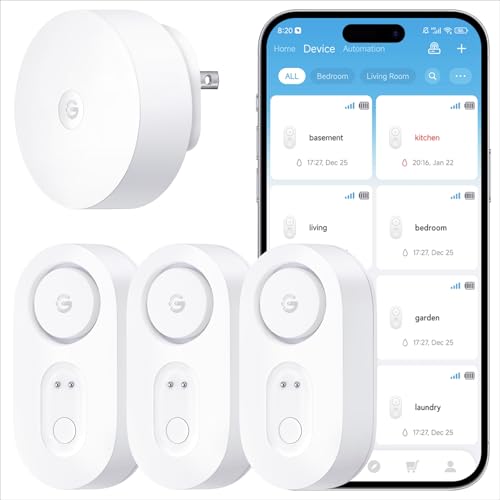


As an Amazon Associate, we earn from qualifying purchases.
Price as of Sep 17, 2026. Product prices and availability are accurate as of the date indicated and are subject to change. Any price and availability information displayed on Amazon at the time of purchase will apply.
Most residential leak detection costs $175–$500 in 2026. Simple accessible leaks (a visible pipe joint or fixture) run $75–$150. Behind-wall and slab leaks that need acoustic, thermal, or camera equipment land $300–$800. Underground yard-line and inground-pool leaks run $400–$1,000, and difficult invasive jobs can push past $1,000. Almost every plumber bills a diagnostic or service-call fee around $150 to roll the truck and start the search (Homewyse, Drizzlex, Yelp 2026).
| Leak Scenario | Typical Range (2026) | Notes |
|---|---|---|
| Accessible fixture / visible pipe | $75–$150 | Visual + quick pressure check |
| Behind wall or ceiling | $175–$500 | Acoustic or thermal imaging |
| Under concrete slab | $150–$600 | Hard access $300–$800 |
| Underground / yard line | $300–$600 | Tracer gas or correlator |
| Inground pool / spa | $400–$1,000 | Pressure + dye + electronic |
| Complex / invasive | $1,000–$1,500+ | Excavation or slab cut to locate |
Yes. Leak detection only finds the source — the repair labor and materials are billed separately. A typical detection visit costs $175–$500, while the repair that follows can range from $150 for a simple fitting to $4,000+ for a slab-leak chase with concrete work. Some plumbers credit the detection fee toward the repair if you proceed with them, which can save $100–$200. Always ask whether the diagnostic is credited before booking, because that one question changes the all-in price on otherwise identical jobs.
Slab leak detection runs $150–$600 in most cases and $300–$800 when the slab is hard to access or covered by flooring. Plumbers use acoustic listening devices, electronic correlators, and thermal imaging to pinpoint the leak under the concrete before any cutting. Hidden under-slab or in-wall leaks that require extensive probing can push detection past $1,000. The detection step is worth paying for: locating the leak first prevents jackhammering large sections of slab blindly, which can cost thousands in unnecessary concrete repair.
Pool leak detection costs $100–$1,000 depending on pool type and leak location. Above-ground pools run $100–$500 because components are visible and accessible. Inground pools run $400–$1,000 because of complex plumbing and the need for pressure testing, dye testing, and electronic locating. Underground pool-plumbing leaks are the priciest to find, typically $300–$600 on their own, and concrete pools cost more to inspect than vinyl or fiberglass. Detection is separate from the patch or pipe repair that follows.
Visual inspection and basic pressure testing are cheapest at $75–$200, suitable for accessible fixtures. Acoustic and electronic listening runs $100–$800 and is the workhorse for pinhole and slab leaks. Video camera scoping costs $150–$500 for drain and sewer lines. Thermal or infrared imaging runs $300–$500 for behind-wall and hot-water leaks. Tracer gas is the most precise but most expensive at $300–$800, reserved for buried or inaccessible lines. A good pro picks the least-invasive method that will actually locate your leak.
Yes. Emergency and after-hours leak detection runs 1.5–2x standard pricing, and weekends or holidays can push to 2–3x. A $250 weekday detection visit can become $400–$600 at night or on a weekend, with the dispatch fee climbing from about $150 to $250–$400 and a 2-hour minimum common. A true emergency is active flooding or a burst line; a slow contained leak or a high water bill with no visible damage does not require emergency rates. Shutting off the water at the main and booking a morning appointment routinely saves $200–$400.
Inputs
Result
Classic damp-drywall call. The pro brings an acoustic listening device, pinpoints the leak behind the wall in under two hours, and marks the spot for a separate repair quote.
Inputs
Result
Hot spot on the floor and a spinning water meter. Thermal imaging plus an electronic correlator locate the slab leak before any concrete is cut, avoiding blind jackhammering.
Inputs
Result
Pool dropping an inch a day. Pressure testing the plumbing plus dye testing the shell locates the leak; the weekend call adds a surcharge over the standard $400–$1,000 inground range.
Total = Diagnostic Fee + (Method Cost × Access Difficulty) × Timing MultiplierLeak detection prices a fixed diagnostic / service call (~$150) plus a method-driven locating cost that scales with how hard the leak is to reach. Emergency or after-hours timing multiplies the total 1.5–2x.
Where:
Diagnostic Fee= About $150 to dispatch and begin the searchMethod Cost= Visual $75–$200; acoustic $100–$800; thermal $300–$500; tracer gas $300–$800Access Difficulty= Accessible 1.0; behind-wall 1.2–1.5; under-slab or buried 1.5–2.5Timing Multiplier= 1.0 business hours; 1.5–2 after-hours; 2–3 weekend/holidayLeak detection in 2026 prices the FIND step, not the fix, and that distinction drives the whole budget. Most residential leak detection costs $175–$500. The cheapest jobs are accessible leaks at a visible pipe joint or fixture, which a plumber can confirm with a visual check and a quick pressure test for $75–$150. The moment the leak hides behind a wall, under a slab, in a yard line, or in pool plumbing, the price climbs because the pro needs acoustic, thermal, camera, or tracer-gas equipment to locate it without tearing the property apart. Hard-access and invasive jobs can push past $1,000.
Almost every leak-detection visit starts with a diagnostic or service-call fee around $150. That fee covers drive time, equipment setup, and the first portion of the search. According to Homewyse, the basic cost to find a plumbing leak runs $241–$292 per leak in 2026, while Drizzlex puts the typical plumber leak-detection range at $175–$350 for standard residential work. Yelp data shows under-slab detection at roughly $150–$400 with hidden leaks exceeding $1,000. The table below collapses every common scenario into a 2026 range you can match against a quote.
Property type and region shift the numbers too. Single-family detection is the baseline; multi-unit and commercial buildings cost more because of larger plumbing footprints and access coordination. Northeast and West Coast metros run 15–30% above national, and NYC, San Francisco, and Boston push diagnostic fees alone toward $200–$300. If the leak turns out to be a failing fixture or appliance rather than a pipe, the repair scope changes — a leaking tank often means replacement, which you can price with the water heater install cost calculator.
| Leak Scenario | Typical Range (2026) | Detection Notes |
|---|---|---|
| Accessible fixture / visible pipe | $75–$150 | Visual + pressure check |
| Behind wall or ceiling | $175–$500 | Acoustic or thermal |
| Under concrete slab | $150–$600 | Hard access $300–$800 |
| Underground / yard line | $300–$600 | Tracer gas / correlator |
| Inground pool / spa | $400–$1,000 | Pressure + dye + electronic |
| Complex / invasive | $1,000–$1,500+ | Excavation or slab cut |
Before booking, ask whether the detection fee is credited toward the repair if you hire the same company. Pros who credit it cost $100–$200 less all-in than pros who treat it as a flat dispatch charge — on otherwise identical jobs.
The detection method is the single biggest line-item swing, and a good pro chooses the least-invasive tool that will actually locate your leak. Visual inspection and basic pressure testing are cheapest at $75–$200 and work for accessible fixtures and supply lines. Acoustic and electronic listening, the workhorse of the trade, runs $100–$800 and excels at pinhole leaks and slab leaks by amplifying the sound of escaping water. Video camera scoping costs $150–$500 and is the right call for drain and sewer-line blockages, feeding a flexible camera through the pipe to reveal cracks and clogs.
Thermal or infrared imaging runs $300–$500 and shines for behind-wall and hot-water leaks because it maps temperature differences across surfaces without any cutting. Tracer gas detection is the most precise and the most expensive at $300–$800; the plumber introduces a safe detectable gas into the line and tracks where it escapes, which is invaluable for buried or otherwise inaccessible pipes. Many complex jobs combine two methods — a thermal scan to narrow the zone, then an acoustic correlator to pinpoint the exact spot — which is why slab and pool jobs land at the higher end.
Match the method to the leak and you avoid overpaying. Paying $800 for tracer gas when a $300 acoustic scan would locate a behind-wall leak is wasted money, and so is cutting drywall blindly to skip a $400 detection fee. If a camera scope reveals the real problem is a collapsed or root-blocked sewer line rather than a simple leak, the fix becomes a dig or trenchless replacement, which you can price with the sewer line replacement cost calculator instead of paying for repeated detection visits.
| Detection Method | Typical Cost (2026) | Best For |
|---|---|---|
| Visual / pressure test | $75–$200 | Accessible fixtures |
| Acoustic / electronic | $100–$800 | Pinhole + slab leaks |
| Camera / video scope | $150–$500 | Drain & sewer lines |
| Thermal / infrared | $300–$500 | Behind-wall & hot-water |
| Tracer gas | $300–$800 | Buried / inaccessible |
Where the leak hides determines both the method and the price. Behind-wall and behind-ceiling leaks are the most common residential call at $175–$500, located with acoustic listening or thermal imaging. Slab leaks under the concrete foundation run $150–$600 standard and $300–$800 when flooring covers the slab, because the pro must combine acoustic correlation with thermal imaging to pinpoint the spot before any concrete is cut. Locating the leak first is the entire value of detection — it prevents jackhammering large slab sections blindly, which can waste $2,000 or more in unnecessary concrete repair.
Underground and yard-line leaks — the buried service line between the meter and the house, or an irrigation main — cost $300–$600 to locate because they typically need tracer gas or a ground microphone correlator. Depth, soil type, and pipe material all add time. A high water bill with no visible indoor leak is the classic signal of a buried line problem, and detection here pays for itself by narrowing excavation to a few feet instead of trenching the whole yard. If the buried issue turns out to be a chronic basement or foundation seepage problem, waterproofing is the durable fix — price it with the basement waterproofing cost calculator.
Pool and spa leaks are their own category. Above-ground pools cost just $100–$500 to inspect because every component is visible, while inground pools run $400–$1,000 due to complex underground plumbing and the need for pressure testing, dye testing, and electronic locating combined. Underground pool-plumbing leaks alone run $300–$600, and concrete pools cost more to inspect than vinyl or fiberglass shells. A pool dropping more than a quarter-inch a day beyond normal evaporation almost always justifies professional detection before the water and chemical loss adds up.
A high water bill with no visible leak is the most reliable early signal of a hidden or buried leak. Detection at $300–$600 now beats months of wasted water and a worsening slab or foundation problem later.
The most common buyer confusion is treating detection and repair as one number. They are two separate bills. Detection locates the leak for $175–$500 in most cases; the repair that follows is a completely different scope priced on its own. A simple fitting or supply-line repair after detection might cost $150–$400, a behind-wall pipe section $600–$1,800, and a full slab-leak chase with concrete cutting and patching $2,000–$4,000 or more. Knowing the detection cost in isolation lets you judge whether a plumber's bundled quote is fair.
Some plumbers credit the detection fee toward the repair if you hire them for the fix, which effectively makes the diagnostic free when you proceed. Others keep detection as a standalone charge regardless. This single policy difference can swing the all-in cost by $100–$200, so confirm it before booking. It is also why getting detection from one company and repair bids from two or three others can backfire — you may pay full detection price and then full repair price with no credit. Decide your strategy up front.
The chart below shows roughly where detection dollars land by scenario, from a $150 diagnostic fee up through a $1,200 complex job. Use it to sanity-check any quote: a $700 charge to find an inground pool leak is normal, but a $700 charge to find an accessible under-sink drip is not. Once the leak is located, price the repair separately with the plumbing repair cost calculator so you can compare the detection bill and the repair bill on their own merits.
Detection and repair are two separate bills. Confirm whether the detection fee credits toward the repair before you book — it can swing the all-in cost by $100–$200.
The most expensive mistake is skipping detection entirely and cutting open drywall or jackhammering slab blindly to chase a leak. A $300–$500 detection visit prevents thousands in unnecessary demolition and patch work. The second mistake is paying for an over-powered method — authorizing $800 tracer gas or excavation when a $300 acoustic scan would have located a behind-wall leak. A trustworthy pro recommends the least-invasive method first and escalates only if it fails to pinpoint the source.
The third mistake is not asking whether the detection fee credits toward the repair. On a $400 detection plus $1,200 repair, a credited fee saves the full $400 if you hire one company for both. The fourth is accepting emergency after-hours rates for a slow, contained leak — a dripping joint or a high water bill with no flooding does not justify a 1.5–2x surcharge. Shutting off the water at the main and booking a daytime appointment routinely saves $200–$400 on the detection visit alone.
The fifth mistake is ignoring the early warning signs that make detection cheaper. A water bill that jumps 20–30% with no change in usage, a warm spot on the floor, the sound of running water with everything off, or mold and musty smells all point to a hidden leak. Calling at the first sign keeps the leak small and the detection straightforward; waiting until a ceiling collapses or a slab cracks turns a $400 job into a $1,500 invasive search plus far costlier repairs. Verify any pro carries a state plumbing license and liability insurance before they start.
A water bill that climbs 20–30% with no usage change is the classic hidden-leak signal. Booking detection at the first sign keeps a $400 job from becoming a $1,500 invasive search plus structural repairs.
Timing is the cost driver buyers control most directly. Standard business-hours detection is the baseline; emergency, after-hours, and weekend calls run 1.5–2x, with holidays reaching 2–3x. A $250 weekday visit becomes $400–$600 at night or on a weekend, the dispatch fee climbs from about $150 to $250–$400, and a 2-hour minimum is common. The question to answer before calling is simple: is this an active emergency, or a contained problem that can wait until morning?
A true emergency is active flooding, a burst supply line, sewage backup, or water actively damaging the structure. In those cases, the after-hours surcharge is worth it because every hour of uncontrolled water multiplies the repair bill. A slow drip, a damp spot that is not spreading fast, or a high water bill with no visible damage is not an emergency — these can and should be scheduled for standard rates. Knowing where your main shut-off valve is, and confirming it actually closes, lets you stop the water and convert almost any leak into a scheduled, lower-cost detection visit.
Use a short decision sequence when a leak appears. First, shut off the water at the main if there is active flow or damage. Second, judge whether damage is ongoing — if yes, call for emergency detection; if no, book the next available business-hours slot. Third, gather two or three quotes for non-emergency jobs and ask each about method, diagnostic fee, and whether it credits toward repair. If the leak ties to a failing fixture rather than a pipe, line up the replacement separately, for example with the sump pump install cost calculator when a basement water-management issue is the real culprit.
Find and test your main shut-off valve before you ever need it. Being able to stop the water converts most leaks from an emergency 1.5–2x call into a scheduled standard-rate detection visit, saving $200–$400.
Shut off the main
If water is actively flowing or causing damage, close the main shut-off valve first to stop the loss and limit repair scope.
Judge the urgency
Active flooding, burst lines, or sewage backup justify emergency detection at 1.5–2x. A slow, contained leak should be scheduled at standard rates.
Gather quotes
For non-emergency jobs, get two or three quotes and ask each pro about method, the ~$150 diagnostic fee, and whether it credits toward the repair.
Locate, then repair
Use detection to pinpoint the source, then price the fix separately so the detection and repair bills can each be judged on their own.
Read our guide
Read our guide
Read our guide
Price leak repair, plumbing, sewer lines, waterproofing, and every other line item a home-improvement quote contains.
Last Updated: Sep 17, 2026
This calculator is provided for informational and educational purposes only. Results are estimates and should not be considered professional financial, medical, legal, or other advice. Always consult a qualified professional before making important decisions. UseCalcPro is not responsible for any actions taken based on calculator results.