1Basic T-Shirt Tie-Dye
Inputs
ItemMedium t-shirt (6 oz)
Colors3
Dye typeFiber reactive
TechniqueSpiral
Result
Dye Per Color2 tbsp
2 tbsp dye powder per color, 1 cup soda ash, 1 gallon water, 4 squeeze bottles.
Dye Per Color
0.34 tbsp
Colors
3
Bottles
4
| Dye Type | Ratio | Notes |
|---|---|---|
| Fiber Reactive | 1 tbsp per oz | Requires soda ash fixative |
| All-Purpose | 1/2 cup per lb | No fixative needed |
| Natural Dye | 100% WOG | Weight of goods ratio |

Affiliate link — we may earn a commission at no extra cost to you. Price shown as of the last refresh.

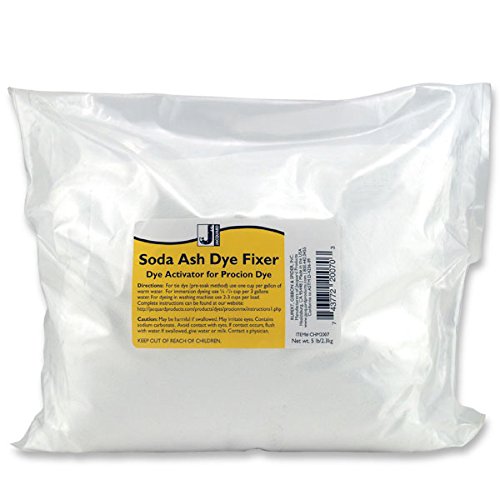
As an Amazon Associate, we earn from qualifying purchases.
Price as of Sep 21, 2026. Product prices and availability are accurate as of the date indicated and are subject to change. Any price and availability information displayed on Amazon at the time of purchase will apply.
Inputs
Result
2 tbsp dye powder per color, 1 cup soda ash, 1 gallon water, 4 squeeze bottles.
Inputs
Result
6.75 tbsp dye powder per color (1.5x modifier for ice dye), 2 cups soda ash, 2 gallons water, 5 squeeze bottles.
Inputs
Result
0.47 cups dye per color, 0 cups soda ash (not needed for all-purpose), 2 gallons water, 3 squeeze bottles.
For fiber reactive dyes like Procion MX, use 1 tablespoon of dye powder per ounce of fabric per color. For all-purpose dyes like Rit, use 1/2 cup per pound of fabric. Natural dyes typically require 100% weight of goods (equal weight of dye material to fabric).
| Dye Type | Ratio | Cost per Project | Color Fastness |
|---|---|---|---|
| Procion MX | 1 tbsp/oz | $3–$8 | Excellent (permanent) |
| Rit All-Purpose | 1/2 cup/lb | $5–$12 | Good (fades over time) |
| Rit DyeMore | 1 bottle/2 lbs | $8–$15 | Good (synthetics) |
| Natural (indigo) | 100% WOG | $10–$20 | Moderate (needs mordant) |
The most common ratio for fiber reactive tie-dye is 1 tablespoon of dye powder per ounce of dry fabric weight. This ratio produces vibrant, saturated colors. For lighter shades, you can reduce the amount by half. Always weigh your fabric dry before dyeing.
Use 1 cup of soda ash per gallon of water for your pre-soak solution. For most projects, estimate about 1 gallon of water per pound of fabric, so you'll need roughly 1 cup of soda ash per pound of fabric being dyed.
Soda ash is required when using fiber reactive dyes (like Procion MX) to raise the pH and help the dye bond permanently to natural fibers. All-purpose dyes and natural dyes typically don't require soda ash, as they use different fixation methods.
Plan for approximately 1 gallon of water per pound of fabric for the soda ash pre-soak and rinsing. Ice dye techniques use less water initially, while natural dyeing may require 2 gallons per pound for the dye bath.
Different techniques use varying amounts of dye. Ice dye typically requires 1.5x more dye powder because ice dilutes the color. Dip dye uses about half as much since you're only dyeing part of the fabric. Standard techniques like spiral, crumple, and shibori use the base ratio of 1 tbsp per ounce.
| Technique | Dye Modifier | Difficulty | Cure Time |
|---|---|---|---|
| Spiral | 1.0× | Beginner | 6–12 hours |
| Crumple | 1.0× | Beginner | 6–12 hours |
| Shibori | 1.0× | Intermediate | 12–24 hours |
| Ice dye | 1.5× | Intermediate | 12–24 hours |
| Dip dye | 0.5× | Beginner | 4–8 hours |
Read our guide
Read our guide
Read our guide
Calculate fabric for sewing projects
Calculate paint amounts for pouring art
Estimate yarn for knitting and crochet
Calculate canvas dimensions for art projects
Other craft calculators for your creative projects
Last Updated: Oct 1, 2026
This calculator is provided for informational and educational purposes only. Results are estimates and should not be considered professional financial, medical, legal, or other advice. Always consult a qualified professional before making important decisions. UseCalcPro is not responsible for any actions taken based on calculator results.