UseCalcPro
Home
MathFinanceHealthConstructionAutoPetsGardenCraftsFood & BrewingTools
Blog
  1. Home
  2. Food & Brewing

Tangzhong Calculator — Water Roux Amounts for Soft Bread

Calculate the exact flour and liquid for your tangzhong water roux, plus adjusted dough amounts for pillowy soft bread

Tangzhong Flour

25.0g

Tangzhong Liquid

125.0g

Hydration

65.0%

Total flour weight from your original recipe

Total water/milk from your original recipe

3% (subtle)5%15% (maximum)

Standard: 5–10% of total flour

Tangzhong (Water Roux)

Mix together and cook:
25.0g
flour
125.0g
whole milk
Total tangzhong: 150.0g
Ratio: 1 part flour : 5 parts whole milk

Adjusted Dough Amounts

IngredientOriginalIn TangzhongRemaining
Flour500g25.0g475.0g
Whole Milk325g125.0g200.0g

Recipe Info

Total Hydration65.0%
Tangzhong % of Flour5%
Flour:Liquid Ratio1:5
Cook To65°C (149°F)
Step 1: Whisk 25.0g flour and 125.0g whole milk in a small saucepan until smooth.
Step 2: Cook over medium-low heat, stirring constantly, until the mixture reaches 65°C (149°F) and forms thick lines when stirred.
Step 3: Transfer to a bowl, cover with plastic wrap touching the surface, and cool to room temperature.
Step 4: Add cooled tangzhong to your dough along with the remaining 475.0g flour and 200.0g whole milk.
Tangzhong can be made ahead and refrigerated for up to 24 hours. Bring to room temperature before using.

Example Calculations

1Japanese Milk Bread (Shokupan) — 5%

Inputs

Total Flour500g
Total Liquid325g (milk)
Tangzhong %5%
Liquid TypeWhole Milk

Result

Tangzhong Flour25.0g
Tangzhong Liquid125.0g
Remaining Flour475.0g
Remaining Liquid200.0g
Total Hydration65.0%

5% of 500g flour = 25g tangzhong flour. At 1:5 ratio, 25g flour needs 125g milk. Subtract from recipe totals: 475g flour and 200g milk remain for the main dough.

2Hokkaido Milk Bread — 8%

Inputs

Total Flour400g
Total Liquid280g (milk)
Tangzhong %8%
Liquid TypeWhole Milk

Result

Tangzhong Flour32.0g
Tangzhong Liquid160.0g
Remaining Flour368.0g
Remaining Liquid120.0g
Total Hydration70.0%

8% of 400g flour = 32g tangzhong flour. At 1:5 ratio, 32g needs 160g milk. This leaves 368g flour and 120g milk for the main dough. Higher percentage means softer bread.

3Soft Dinner Rolls — 5%

Inputs

Total Flour350g
Total Liquid210g (milk)
Tangzhong %5%
Liquid TypeWhole Milk

Result

Tangzhong Flour17.5g
Tangzhong Liquid87.5g
Remaining Flour332.5g
Remaining Liquid122.5g
Total Hydration60.0%

5% of 350g flour = 17.5g tangzhong flour. At 1:5 ratio, 17.5g needs 87.5g milk. The remaining 332.5g flour and 122.5g milk go into the main dough with other ingredients.

Frequently Asked Questions

Q

What is tangzhong and how does it make bread softer?

Tangzhong (also called water roux) is a cooked paste of flour and liquid heated to 65°C (149°F). At this temperature, the starch in the flour gelatinizes and traps water molecules inside the starch granules. This pre-gelatinized starch holds more moisture than raw flour can, producing bread that is exceptionally soft, fluffy, and stays fresh for days instead of going stale overnight.

  • Gelatinization at 65°C locks water into starch granules, increasing moisture retention
  • Tangzhong bread stays soft 3–5 days vs 1–2 days for standard bread
  • The technique originated in Japan (yudane) and became popular through Yvonne Chen’s book
  • Standard ratio: 1 part flour to 5 parts liquid by weight (1:5)
  • Use 5–10% of total flour in the recipe for the tangzhong paste
PropertyStandard BreadTangzhong BreadImprovement
SoftnessGood day 1Pillowy 3–5 daysMuch softer
MoistureDries quicklyRetains well2–3x longer fresh
CrumbStandardFluffy, cotton-likeFiner texture
Staling1–2 days3–5 daysSignificantly delayed
Q

What is the correct tangzhong flour-to-liquid ratio?

The standard tangzhong ratio is 1 part flour to 5 parts liquid by weight. For example, 25g flour to 125g milk. Some recipes use ratios between 1:4 and 1:5. The liquid can be water, whole milk, or a combination. Milk produces a richer, softer result while water keeps the bread lighter.

  • Standard ratio: 1:5 (flour:liquid) by weight — e.g., 25g flour + 125g milk
  • Alternative ratio: 1:4 for slightly thicker paste and denser crumb
  • Whole milk is preferred for Japanese milk bread (richer flavor and softer texture)
  • Water works for lean breads where dairy richness is not desired
  • The ratio stays the same regardless of what percentage of flour you use for tangzhong
RatioFlourLiquidBest For
1:5 (standard)25g125gMilk bread, dinner rolls
1:4 (thick)25g100gEnriched breads, brioche
1:5 (large batch)50g250gMultiple loaves
Q

How much flour should I use for tangzhong?

Use 5–10% of the total flour in your recipe for the tangzhong. For a recipe with 500g total flour, that is 25–50g of flour for the tangzhong. Start with 5% if you are new to the technique. Going above 10% can make the dough too sticky to handle and the bread too dense.

  • 5% of total flour: subtle effect, good starting point for beginners
  • 7–8% of total flour: noticeable softness improvement, most common in recipes
  • 10% of total flour: maximum softness but dough becomes stickier and harder to shape
  • Above 10%: diminishing returns and the bread structure may weaken
  • For 500g flour at 5%: 25g flour + 125g liquid = 150g total tangzhong
Q

Can I use tangzhong in any bread recipe?

Tangzhong works best in soft bread recipes like milk bread, dinner rolls, cinnamon rolls, brioche, and sandwich bread. It is not recommended for crusty artisan breads, sourdough, baguettes, or high-hydration breads where a chewy crust and open crumb are desired. The technique makes bread soft and tender, which conflicts with crusty bread goals.

  • Great for: milk bread, dinner rolls, cinnamon rolls, brioche, hot dog buns
  • Good for: sandwich bread, hamburger buns, challah, babka
  • Not recommended: sourdough boules, baguettes, ciabatta, focaccia
  • When adapting a recipe: subtract tangzhong flour and liquid from the main dough amounts
  • The remaining dough ingredients stay the same (yeast, salt, sugar, butter, eggs)
Bread TypeTangzhong?Why
Japanese milk breadYes, 5–10%The defining technique for this bread
Cinnamon rollsYes, 5–7%Stays soft even after filling/icing
Sourdough bouleNoSoftness conflicts with crusty, chewy goal
BaguetteNoCrackly crust requires dry surface
Q

How do I cook tangzhong properly?

Whisk flour and liquid together in a small saucepan until smooth. Cook over medium-low heat, stirring constantly, until the mixture reaches 65°C (149°F) and forms thick paste-like lines when you drag the whisk through it. Transfer to a bowl, cover with plastic wrap touching the surface (to prevent a skin), and cool to room temperature before adding to your dough.

  • Start cold: whisk flour and liquid together before turning on heat to prevent lumps
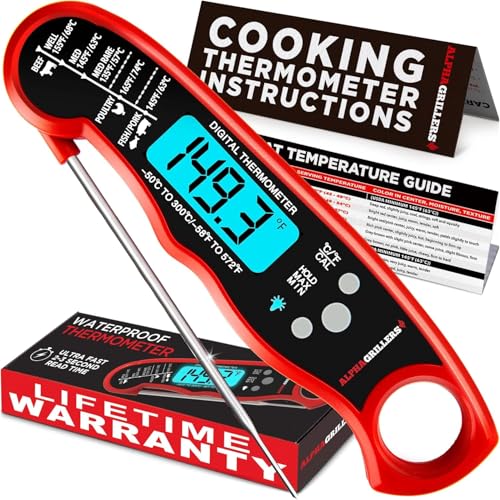
  • Cook to 65°C (149°F) — use a thermometer for precision on first attempts
  • Visual cue: mixture leaves clear trails when stirred and has paste-like consistency
  • Cool completely to room temperature before adding to dough (hot paste kills yeast)
  • Can be made 24 hours ahead and refrigerated; bring to room temp before using

Related Calculators

Bread Hydration Calculator

Calculate baker’s percentages and precise water amounts for any bread recipe.

Bread Dough Calculator

Calculate ingredient amounts for any bread recipe by number of loaves and dough weight.

Brioche Calculator

Calculate butter, eggs, and flour amounts for rich brioche dough.

Bread Proofing Calculator

Estimate rise times based on room temperature, yeast type, and dough enrichment.

Bread Flour Substitution Calculator \u2014 Protein Matching Guide

Calculate flour substitutions by matching protein content. Find exact vital wheat gluten or cornstarch amounts to convert AP, cake, or whole wheat flour.

Kefir Grains Calculator

Calculate kefir grain amounts for milk kefir batches. Enter volume, ferment time, room temperature, and grain strength to get grams and tablespoon measures.

Related Resources

Bread Hydration Calculator

Bread Dough Calculator

Bread Proofing Calculator

Brioche Calculator

Explore Food Calculators

Discover tools for baking, cooking, fermentation, recipe scaling, and kitchen conversions.

View All Food Calculators

Last Updated: Mar 13, 2026

This calculator is provided for informational and educational purposes only. Results are estimates and should not be considered professional financial, medical, legal, or other advice. Always consult a qualified professional before making important decisions. UseCalcPro is not responsible for any actions taken based on calculator results.

UseCalcPro
FinanceHealthMath

© 2026 UseCalcPro