As an Amazon Associate, we earn from qualifying purchases.
Price as of Sep 21, 2026. Product prices and availability are accurate as of the date indicated and are subject to change. Any price and availability information displayed on Amazon at the time of purchase will apply.
Disclaimer: This calculator provides general health information and estimates for educational purposes only. It is not medical advice, a diagnosis, or a treatment recommendation, and it is not a substitute for care from a licensed healthcare provider. Results are based on population formulas and may not reflect your individual health status, medications, or medical conditions. Never use this tool to start, stop, or adjust any medication, treatment, diet, or exercise program without professional guidance. Any drug-dosing results are teaching aids only and must be independently verified against drug-specific protocols and confirmed by a licensed clinician or pharmacist before use. Always consult a physician, pharmacist, or registered dietitian for guidance specific to your situation.
Frequently Asked Questions
Q
How much water should I drink per day?
General rule: Half your body weight in ounces. 160 lbs = 80 oz (10 cups). 200 lbs = 100 oz (12.5 cups). The "8 glasses" (64 oz) advice is a minimum. Active people and those in hot climates need more.
Formula: Body weight (lbs) ÷ 2 = ounces of water
Add 12-16 oz for every 30 min of exercise
Hot climate: Add 20-30% more water
Urine color is best indicator: Light yellow = hydrated
Body Weight
Base Water Need
Active/Hot Climate
Cups per Day
120 lbs (54 kg)
60 oz
75-90 oz
8-11 cups
150 lbs (68 kg)
75 oz
95-115 oz
9-14 cups
180 lbs (82 kg)
90 oz
110-135 oz
11-17 cups
200 lbs (91 kg)
100 oz
125-150 oz
12-19 cups
Q
What are signs of dehydration?
Early signs: Thirst, dark yellow urine, dry mouth, fatigue. Moderate: Headache, dizziness, decreased urination, muscle cramps. Severe: Confusion, rapid heartbeat, sunken eyes, very dark urine. Check urine color - pale yellow is ideal.
Mild (1-2% body water loss): Thirst, reduced focus, fatigue
Severe (6%+): Confusion, rapid pulse, fainting - seek medical help
Urine color check: Clear=over-hydrated, Light yellow=good, Dark=dehydrated
By the time you feel thirsty, you're already 1-2% dehydrated. Performance drops at just 2% dehydration. Keep a water bottle nearby and sip throughout the day rather than drinking large amounts at once.
Q
Does coffee and tea count toward water intake?
Yes, coffee and tea do hydrate you despite caffeine's mild diuretic effect. Studies show the hydration from the water outweighs caffeine's effect. However, water is still the best choice - no calories, no additives.
Coffee/tea: Yes, counts toward hydration
Milk: Yes, actually hydrates better than water (electrolytes)
Juice: Yes, but watch sugar content
Soda: Technically yes, but high sugar is unhealthy
Alcohol: No - net dehydrating effect
Sports drinks: Yes, good for intense exercise (electrolytes)
Beverage
Hydrating?
Notes
Water
Best
No calories, ideal choice
Coffee/Tea
Yes
Caffeine effect is minimal
Milk
Yes
Good electrolytes, calories
Fruit Juice
Yes
High in sugar
Alcohol
No
Causes net dehydration
Q
When should I drink more water?
Increase intake: During exercise (16-20 oz per hour), hot/humid weather (+20-30%), at altitude (+8-16 oz/day), when sick (especially fever/diarrhea), pregnant (+10-16 oz), breastfeeding (+32 oz). Also after alcohol consumption.
Exercise: 16-20 oz per hour of activity
Hot weather: Add 20-30% to base intake
Illness with fever: Extra 8 oz per degree above normal
High altitude: Add 8-16 oz per day above 5,000 ft
Pregnancy: Add 10-16 oz daily
Breastfeeding: Add 32 oz (4 cups) daily
After alcohol: 1 glass water per alcoholic drink
Q
Can you drink too much water?
Yes, water intoxication (hyponatremia) is rare but dangerous. It dilutes sodium in blood. Risk is highest in endurance athletes drinking excessive water without electrolytes. Symptoms: Nausea, headache, confusion, seizures.
Hyponatremia: Dangerously low blood sodium
Risk: Drinking gallons in short time without electrolytes
Endurance athletes: Use sports drinks for events 60+ minutes
Symptoms: Nausea, headache, confusion, swelling
Normal drinking (responding to thirst) is very safe
Don't force excessive water intake
Water intoxication is extremely rare in normal circumstances. It mainly affects marathon runners or those in water-drinking contests. For normal people, kidneys can process about 1 liter per hour. Drink when thirsty and you'll be fine.
Q
How can I drink more water throughout the day?
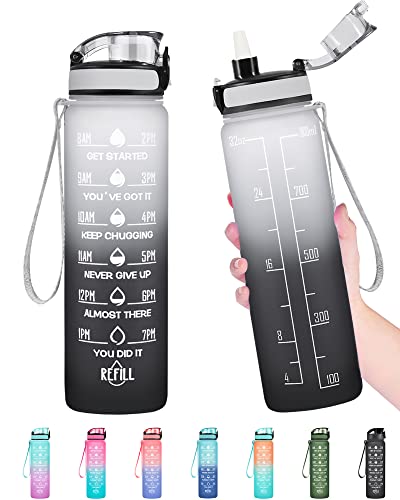
Tips: Keep a water bottle with you always, set hourly reminders, drink before each meal, use a marked water bottle with time goals, add fruit for flavor, drink a glass upon waking, replace one soda/coffee with water daily.
Keep water bottle visible at desk/in car
Drink 1-2 cups first thing in morning
Drink a glass before every meal
Use apps like WaterMinder or Plant Nanny for reminders
Base = 160 x 0.5 = 80 oz. Activity adjustment = 80 x 1.25 = 100 oz. Climate adjustment = 100 x 1.0 = 100 oz. Liters = 100 x 0.0296 = 3.0 L. Cups = 100 / 8 = 13.
2200 lb Active Person in Hot Climate
Inputs
Weight200 lbs
Activity LevelActive
ClimateHot
Result
Daily Water Intake161 oz (4.8 L)
Cups (8 oz)20 cups
Water Bottles9.5 bottles
Per Hour (16 waking hrs)10.1 oz/hour
Base = 200 x 0.5 = 100 oz. Activity adjustment = 100 x 1.4 = 140 oz. Climate adjustment = 140 x 1.15 = 161 oz. Liters = 161 x 0.0296 = 4.8 L. Cups = 161 / 8 = 20.
Formulas Used
Base Water Intake
Base Ounces = Weight (lbs) x 0.5
The base daily water intake is half your body weight in ounces.
Where:
Weight (lbs)= Your body weight in pounds
0.5= Half-ounce per pound of body weight
Adjusted Water Intake
Daily Ounces = Base Ounces x Activity Multiplier x Climate Multiplier
The base amount is adjusted for activity level and climate conditions.
The Half-Your-Weight Rule: How Much Water You Actually Need
The baseline formula is simple: drink half your body weight in ounces per day. A 160-lb person needs approximately 80 oz (2.4 L) of water as a starting point. This baseline then adjusts upward for physical activity (+12–16 oz per 30 minutes of exercise), hot or humid climate (+20–30%), and altitude above 5,000 feet (+8–16 oz/day). For a 160-lb moderately active person in a temperate climate, the adjusted target is typically 100 oz (3.0 L) per day.
The often-quoted "8 glasses a day" (64 oz) advice is a simplification that works for small, sedentary individuals but underestimates needs for most active adults. A 200-lb person who exercises daily in hot weather may need 150–180 oz (4.4–5.3 L), which is 2–3x the generic recommendation. This calculator accounts for body weight, activity level, and climate to give a personalized target rather than a one-size-fits-all number.
Daily water needs by body weight and activity level
Body Weight
Sedentary
Moderately Active
Active + Hot Climate
120 lbs
60 oz (1.8 L)
75 oz (2.2 L)
95 oz (2.8 L)
150 lbs
75 oz (2.2 L)
94 oz (2.8 L)
119 oz (3.5 L)
180 lbs
90 oz (2.7 L)
113 oz (3.3 L)
143 oz (4.2 L)
200 lbs
100 oz (3.0 L)
125 oz (3.7 L)
161 oz (4.8 L)
2
Dehydration Detection: The Urine Color Test
Urine color is the most practical real-time hydration indicator. Pale yellow (like light lemonade) indicates adequate hydration. Dark yellow or amber signals dehydration — your kidneys are concentrating urine to conserve water. Clear urine suggests possible overhydration, which dilutes electrolytes and in extreme cases can cause hyponatremia.
Performance degrades before you feel thirsty. Research from the University of Connecticut shows that cognitive function and mood decline at just 1–2% body water loss, which occurs before the thirst mechanism activates. By the time you feel thirsty, you are typically 1–2% dehydrated and already experiencing reduced focus, increased fatigue, and elevated perceived effort during exercise.
Pale yellow: Optimally hydrated — maintain current intake
Yellow: Mildly dehydrated — drink 8–16 oz in the next hour
Dark yellow/amber: Dehydrated — drink 16–32 oz promptly
Brown/cola-colored: Severely dehydrated — seek medical attention if persistent
3
What Counts Toward Your Daily Water Intake
Coffee and tea do count toward hydration despite caffeine’s mild diuretic effect. A 2014 PLOS ONE study confirmed that moderate coffee consumption (3–6 cups/day) does not cause net dehydration — the water content outweighs the diuretic effect. Milk is actually more hydrating than plain water because its natural electrolytes (sodium, potassium) slow gastric emptying and improve absorption.
Alcohol is the notable exception: it suppresses antidiuretic hormone (ADH), causing net fluid loss. A standard beer (12 oz) results in approximately 16 oz of urine output — a net loss of 4 oz. The hangover headache is largely a symptom of alcohol-induced dehydration. Counteract by drinking one glass of water for every alcoholic beverage consumed.
Hydration contribution of common beverages
Beverage
Hydration Value
Calories
Notes
Water
Best
0
The gold standard
Milk
Excellent
90–150/cup
Electrolytes improve absorption
Coffee/tea
Good
0–5
Caffeine effect is negligible
Juice
Good
100–140/cup
High sugar, count the calories
Alcohol
Negative
Varies
Net dehydrating effect
4
When to Increase Water Intake
Exercise is the largest variable in daily water needs. The American College of Sports Medicine recommends 16–20 oz of water per hour of moderate exercise, scaling up to 24–32 oz per hour in hot conditions or during intense activity. For exercise sessions over 60 minutes, add electrolytes (sodium, potassium) via sports drinks or tablets to prevent dilutional hyponatremia.
Pregnancy increases water needs by 10–16 oz per day to support increased blood volume and amniotic fluid. Breastfeeding adds approximately 32 oz per day. Illness with fever increases needs by roughly 8 oz per degree Fahrenheit above normal (98.6°F). High altitude (above 5,000 feet) accelerates water loss through increased respiration rate — add 8–16 oz per day. Use the Sweat Rate Calculator for exercise-specific hydration planning.
Spread water intake throughout the day. The kidneys can process about 27–34 oz per hour — drinking more than this in a short period provides no additional hydration and risks overhydration.
This calculator is provided for informational and educational purposes only. Results are estimates and should not be considered professional financial, medical, legal, or other advice. Always consult a qualified professional before making important decisions. UseCalcPro is not responsible for any actions taken based on calculator results.