1. Calculate
Choose your project scope and see the estimated price range.
See exactly what a dog walker charges per walk in 2026 — compare app walkers (Rover, Wag) vs independent walkers, solo vs pack rates, and build a weekly budget before your first booking.
Instant project estimate
The estimate is free. Additional details are optional.
Complete the project details and calculate to see a price range and next steps.
Clear next step
Choose your project scope and see the estimated price range.
Understand the cost drivers and what impacts your final quote.
Carry your scope into a local quote request if you choose.


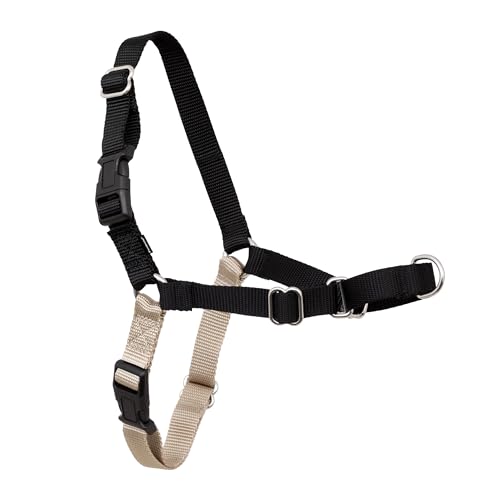
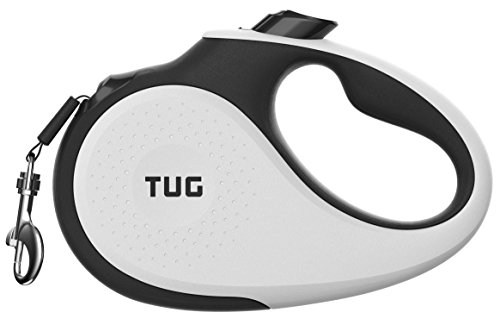
As an Amazon Associate, we earn from qualifying purchases.
Price as of Sep 15, 2026. Product prices and availability are accurate as of the date indicated and are subject to change. Any price and availability information displayed on Amazon at the time of purchase will apply.
National averages: 20-minute quick walk $10–$18; 30-minute standard walk $15–$35 (Rover $20–$35, Wag $22–$38, independent $15–$28); 45-minute extended walk $20–$40; 60-minute long walk $25–$50. App walkers add 10–11% platform fee on top of listed prices. Major metros (NYC, SF, LA, Boston, DC, Seattle) run 1.5–2x these ranges.
| Walk Duration | Solo Rate | Pack Rate (per dog) | Best For |
|---|---|---|---|
| 20 minutes | $10–$18 | $8–$14 | Midday potty break, puppies |
| 30 minutes | $15–$35 | $12–$25 | Daily exercise, most dogs |
| 45 minutes | $20–$40 | $15–$30 | Active breeds, summer heat |
| 60 minutes | $25–$50 | $18–$35 | Working breeds, trail walks |
Independent walkers price 15–25% below Rover and Wag because they skip the platform fee. Rover adds roughly 10–11% to the client total on every walk; Wag is comparable. For a $25 walk, Rover costs the owner about $27–$28 at checkout. An independent walker at $22 for the same walk saves $5–$6 but requires you to verify insurance, references, and background check directly rather than relying on platform vetting.
| Hiring Channel | 30-min Solo (to client) | Platform Fee | Insurance |
|---|---|---|---|
| Rover | $22–$39 | +10–11% | Platform policy included |
| Wag | $24–$42 | +comparable | Platform policy included |
| Care.com | $19–$35 | +5–8% | Varies — verify |
| Independent (insured) | $15–$28 | None | Verify COI yourself |
| Independent (referral) | $14–$24 | None | Unverified — always ask |
Pack walks (2–6 dogs together) cost 20–35% less per dog than solo walks because the walker amortizes session time across multiple clients. A 30-minute solo walk averaging $21 nationally becomes $14–$18 per dog in a pack of three. Pack walks suit socially calm, leash-trained dogs. Solo is better for reactive dogs, puppies under 6 months, senior dogs, or dogs with resource-guarding behavior. Most walkers cap pack walks at 4 dogs for safety.
Weekly 5-day weekday packages typically discount 10–20% off per-walk sticker rates. A solo 30-min walk at $22/walk × 5 days = $110 sticker; bundled = $88–$99/week. Three-walk-per-week schedules earn 5–10% discounts from independent walkers. Occasional single walks carry no discount and price at full sticker. Daily 7-day monthly packages can reach 20–30% off, but walker weekend availability is the binding constraint.
Ask: (1) Insurance — demand a Certificate of Insurance showing $1M general liability. (2) Pet first-aid certification — Red Cross or PetTech courses run $65–$95. (3) Three client references for dogs similar in size and temperament. (4) Emergency protocol — specific steps if your dog is injured or escapes. (5) Cancellation and weather policy — 24-hour notice standard, 2–4 vacation credit days per month. Never skip the free meet-and-greet before the first paid walk.
Yes. Major-metro walkers charge 1.5–2x national averages because of commercial staging costs, transit time, and $20–$25/hour minimum-wage floors. A 30-min solo walk at $22 in suburban Indianapolis lists at $35–$48 in Manhattan, San Francisco, or Boston. Suburban markets within commuting range of major metros price 1.1–1.3x national. Rural markets run 0.8–0.95x. Booking through Nextdoor or building networks saves 15–25% in high-cost metros by skipping the 10–11% platform fee.
Inputs
Result
Inputs
Result
Inputs
Result
Client cost = Base per-walk × Walk-format multiplier × Regional multiplier × (1 − Bundle discount) × Platform multiplierBase rate by duration: 20-min $10–$18; 30-min $15–$35; 45-min $20–$40; 60-min $25–$50 (solo national). Walk-format multiplier: solo = 1.00; small pack = 0.65–0.80 per dog; large group = 0.55–0.70 per dog. Platform multiplier: Rover/Wag = 1.10–1.11 on client total; independent = 1.00. Bundle discount: weekly-3 5–10%; weekly-5 10–20%; daily monthly 20–30%. Regional multiplier: major metro 1.5–2.0x; suburban 1.0–1.3x; rural 0.8–0.95x.
Where:
Base per-walk= 20-min $10–$18; 30-min $15–$35; 45-min $20–$40; 60-min $25–$50 (solo)Walk-format multiplier= Solo = 1.00; small pack per dog = 0.65–0.80; large group per dog = 0.55–0.70Platform multiplier= Rover/Wag: client total × 1.10–1.11; independent walker: × 1.00 (no fee)Bundle discount= 3-day/week 5–10%; 5-day weekday 10–20%; daily monthly 20–30%Regional multiplier= Major metro 1.5–2.0x; suburban-metro 1.1–1.3x; rural 0.8–0.95xHiring an individual dog walker in 2026 costs $15–$35 for a standard 30-minute solo walk in most US markets, with a national average around $21 per walk according to Rover and Thumbtack pricing data. The range is wider than most owners expect: a 20-minute midday potty break starts at $10–$18, a 45-minute extended walk runs $20–$40, and a 60-minute long walk for working breeds tops out at $25–$50 nationally. Every tier scales sharply upward in major metros — New York, San Francisco, Los Angeles, Boston, Seattle, and Washington DC all run 1.5–2x the national baseline because of provider transit costs, commercial staging fees, and $20–$25 minimum-wage floors that lift the labor baseline for all service work in those markets.
The channel you use to find a walker shapes both price and risk profile. App platforms like Rover and Wag list prices in the same $15–$35 band for 30-minute walks but add a 10–11% service fee to every booking, so the client total at checkout is always above the advertised walker price. A $25 Rover walk costs $27–$28 after fees. Independent walkers booked through Nextdoor, building bulletin boards, or personal referrals typically price 15–25% below platform rates because they skip that fee entirely and often offer bundle discounts on recurring weekday schedules. The trade-off is that Rover and Wag bundle platform insurance coverage into every walk, while independent walkers must carry their own $1 million general-liability policy — which you must verify yourself before the first booking. For a full breakdown of platform pricing and weekly packages across all booking channels, the dog walking service cost calculator covers the broader service landscape in detail.
This calculator focuses on the individual walker hiring decision — the per-walk rate you negotiate with one person, not the aggregate service market. The key levers are walk duration (20, 30, 45, or 60 minutes), walk format (solo vs small pack vs large group), whether you book through an app or directly with an independent walker, and how many walks per week you commit to. A solo weekday 30-min walk booked ad-hoc at Rover sticker prices costs $22–$39 per walk; the same walk booked as a recurring 5-day weekday package from an independent insured walker can land at $16–$22 per walk — a 35–45% difference for identical service. The sections below break down the per-minute rate math, the app-vs-independent fee structure, the solo-vs-pack economics, the weekly bundle savings, and the five questions every owner should answer before handing over a leash.
Rate data in this guide aggregates 2026 published pricing from Rover, Wag, Thumbtack, HomeGuide, and Care.com alongside independent pet-care operator surveys in urban, suburban, and rural markets. Where rates have changed significantly from 2024, the 2026 figure is used. Pairing your walker budget with medical coverage is also important: the pet insurance quote calculator prices accident and illness coverage as a separate line item, since walker insurance covers walk-time incidents but not your dog’s medical treatment costs, which fall under a different coverage category entirely.
Most US dog walkers price using three or four fixed duration tiers rather than an open hourly rate. The tiers exist because scheduling logistics favor predictable blocks: 20-minute, 30-minute, 45-minute, and 60-minute sessions each have clear market ranges that let walkers plan 4–6 clients per route with minimal dead time between appointments. The per-minute rate across tiers is remarkably consistent at $0.50–$1.00 per minute of walk time. A 20-minute walk at $0.65 per minute lands at roughly $13, consistent with the $10–$18 national range. A 30-minute walk at the same rate is about $19.50, matching the national average around $21. A 60-minute walk does not double the 30-minute price — it lands at roughly 1.5–1.7x because the per-minute rate flattens on longer sessions once the walker’s transit and scheduling overhead is fully amortized across more walk minutes.
The 30-minute walk is the mass-market standard for a reason. It covers a full bathroom cycle and light exercise loop for most medium-sized dogs, fits cleanly into a midday break schedule, and prices attractively for both owner and walker. The 20-minute option — essentially a potty break — suits small dogs, apartment dwellers, or dogs that only need outdoor access between longer sessions at home. The 45-minute tier is less common on app platforms but popular with independent walkers in suburban markets with parks nearby: it allows a proper sniff-and-explore session without the cost commitment of a full hour. The 60-minute walk is the territory of working breeds — Huskies, Vizslas, German Shorthaired Pointers, Belgian Malinois — that need 45–90 minutes of sustained daily exercise to avoid destructive behavior.
Owners comparing duration tiers should run a quick per-minute check: if a walker charges $18 for 30 minutes and $30 for 60 minutes, the 60-minute walk is actually cheaper per minute ($0.50 vs $0.60). That math is standard practice — walkers discount the rate slightly on longer sessions because the scheduling and transit overhead is the same regardless of walk length. This per-minute discount only fully holds on direct bookings; on Rover and Wag, the 10–11% platform fee applies to the full price regardless of duration, eroding the per-minute advantage for long walks booked through apps. For owners booking 60-minute walks more than twice weekly, independent walkers booked directly will almost always come out cheaper than app platforms after running the full fee math.
| Walk Duration | Solo Rate (national) | Pack Rate (per dog) | Per-Minute Rate |
|---|---|---|---|
| 20 minutes | $10–$18 | $8–$14 | $0.50–$0.90/min |
| 30 minutes | $15–$35 (avg ~$21) | $12–$25 | $0.50–$1.00/min |
| 45 minutes | $20–$40 | $15–$30 | $0.44–$0.89/min |
| 60 minutes | $25–$50 | $18–$35 | $0.42–$0.83/min |
Rover and Wag list 30-minute walks in a nearly identical sticker range: Rover $20–$35, Wag $22–$38. The client-side difference looks modest at the listing level. Where the gap opens is in the platform fee and provider economics. Rover adds approximately 10–11% to every client transaction, so a walk listed at $28 costs the owner $31–$32 at checkout. Wag’s total markup to the client is comparable in dollar terms, but Wag’s provider payout is significantly lower: walkers on Wag keep roughly 60–65% of the client total vs Rover’s approximately 80%. That gap matters because lower provider payout correlates with higher walker turnover and lower average tenure, which typically means less experienced walkers on Wag’s network relative to Rover’s pool.
Independent walkers booked through Nextdoor, building networks, neighborhood app groups, or personal referrals price 15–25% below app rates because they eliminate the platform fee entirely. An independent walker charging $22 for a 30-minute walk keeps all $22; the equivalent Rover walk at $22 delivers roughly $17.60 to the walker after the platform’s cut. Owners save the 10–11% fee, and walkers earn more per session — creating a natural market incentive for experienced walkers to build direct client relationships over time. Care.com occupies a middle ground: a lower platform fee (5–8%) than Rover or Wag, broader service range, but less dog-specific screening and a thinner insurance framework than the pet-focused platforms. For the broader recurring pet-care budget, the dog training service cost calculator covers obedience and behavior pricing that often pairs naturally with a regular walking schedule.
The biggest hidden cost of independent walkers is the insurance verification step that falls on the owner. Rover and Wag include platform insurance policies on every walk covering bite liability, lost-dog incidents, and accident claims — coverage varies by platform but requires zero extra paperwork from the owner. An independent walker must carry a $1 million general-liability policy through Pet Sitters International, Pet Care Insurance, or a comparable underwriter. Always request a Certificate of Insurance (COI) naming you as an additional insured party and verify the policy is current before the first paid walk. Walkers who hesitate on COI requests should be treated as a red flag regardless of how positive their references sound, because a single incident without coverage can produce five-figure liability exposure for the owner.
| Hiring Channel | 30-min Walk (client pays) | Platform Fee | Provider Keeps | Insurance |
|---|---|---|---|---|
| Rover | $22–$39 (listed $20–$35 + 10–11%) | 10–11% | ~80% | Platform policy |
| Wag | $24–$42 (listed $22–$38 + comparable) | comparable | ~60–65% | Platform policy |
| Care.com | $19–$35 (listed $18–$32 + 5–8%) | 5–8% | ~75–85% | Varies — verify |
| Independent (insured) | $15–$28 (no fee) | None | 100% | Verify COI |
| Independent (referral) | $14–$24 (no fee) | None | 100% | Unverified — ask |
Rule of thumb: if you are booking 5+ walks per week from the same walker, an independent insured walker will almost always undercut app platform pricing by $50–$100 per month after the platform fee math — provided you verify their insurance before the first walk.
Pack walks — two to six dogs walked simultaneously by one walker — price 20–35% below solo walks per dog because the walker’s time and transit costs are amortized across multiple clients. For a 30-minute walk, a solo rate of $22 nationally becomes $14–$18 per dog in a pack of three, saving the owner $4–$8 per walk. On a 5-day weekday schedule, that pack discount compounds to $80–$160 per month versus equivalent solo pricing. Large group walks (four to six dogs) price even lower per dog but introduce meaningful safety questions: most professional walkers refuse to manage more than four dogs simultaneously, and four is already the industry’s recommended ceiling for urban street environments. A walker managing six dogs on a busy sidewalk cannot give full attention to traffic hazards or respond safely to a sudden behavioral incident.
The solo-vs-pack decision is primarily a dog-temperament question, not a pricing question. Solo walks are non-negotiable for reactive dogs (lunging or barking at other dogs, joggers, or cyclists), fearful or anxious dogs, puppies under 6 months still in socialization windows, senior dogs with mobility limitations, or dogs with resource-guarding behavior around food, toys, or space. These dogs not only need the walker’s undivided attention during every second of the walk but also pose liability risks in group settings — a bite incident during a pack walk produces a more complicated insurance claim and potentially fractured relationships with other dog owners in the pack. The 25–35% solo premium is inexpensive compared to a dog-fight vet bill that can run $500–$5,000 depending on severity.
Pack walks work well for socially calm, leash-trained dogs that have been properly introduced to the other dogs in the group. The best independent walkers maintain consistent pack compositions of the same 2–3 dogs that know each other, not randomly assembled groups that change daily. Before placing your dog in a pack, ask to observe a walk firsthand or request a 2-week solo trial period so the walker can assess your dog’s temperament in real conditions before adding pack complexity. Confirm the walker’s maximum group size and their protocol for removing a dog that starts showing stress signals during a walk. For dogs with behavioral issues that affect pack suitability, the dog training service cost calculator estimates the investment in working with a certified trainer before committing to a group-walk schedule.
The weekday-5 midday package — five 30-minute walks Monday through Friday — is the most common recurring dog walker arrangement for working owners. At sticker per-walk rates, five solo 30-minute walks at $22 each totals $110 per week. Most independent walkers and a growing share of app-platform walkers offer 10–20% off for this level of weekly commitment, bringing the actual total to $88–$99 — saving $11–$22 per week or $44–$88 per month. Over a full year, that bundle discount returns $528–$1,056 compared to buying individual walks at sticker price. The discount exists because the walker values scheduling predictability: a locked-in 5-day client eliminates the uncertainty of filling midday route slots week to week.
Three-walk-per-week schedules (typically Monday, Wednesday, Friday) earn 5–10% discounts from experienced independent walkers but rarely see meaningful bundling on Rover or Wag, which price per-walk rather than by recurring commitment level. For owners whose dogs can comfortably hold an 8–10 hour window between walks — most healthy adult dogs can manage this with a midday break — a 3-day schedule is a reasonable minimum. Daily 7-day monthly packages reach the deepest discounts of 20–30% off sticker, but the binding constraint is weekend walker availability. Many independent walkers prefer weekday-only routes, and walkers willing to work all 7 days often charge a weekend premium that partially offsets the discount. Building in 2–4 rollover credit days per month for owner vacations or sick dogs is a standard contract term worth negotiating before signing.
The most effective strategy for a weekly package is a direct monthly payment arrangement with an independent insured walker rather than per-walk app bookings. A written agreement covering walk duration, pack composition (or solo-only), weather cancellation credits, vacation hold policies, and emergency contact procedures locks in the rate and creates mutual accountability. Standard terms in the independent market: 24-hour cancellation notice with a 50–100% charge for same-day cancellations, no walks above 90°F or below 20°F without explicit owner approval, and 2–4 rollover credit days per month. Monthly direct payment eliminates the 10–11% platform fee on every single walk, saving roughly 20–30% versus the equivalent per-walk Rover cost on a weekday-5 schedule when you combine the fee savings and the bundle discount.
| Frequency | Sticker Total (30-min solo, $22/walk) | Bundle Discount | Bundled Total | Monthly Savings vs. Single |
|---|---|---|---|---|
| Occasional (1x) | $22/walk | None | $22/walk | $0 |
| 2 walks/week | $44/week | 0–5% | $42–$44/week | $0–$8/month |
| 3 walks/week | $66/week | 5–10% | $59–$63/week | $12–$28/month |
| 5 days/week (weekday) | $110/week | 10–20% | $88–$99/week | $44–$88/month |
Lock in a 5-day weekday recurring package directly with your walker (written agreement, monthly payment) rather than booking walk-by-walk through an app. You save both the 10–11% platform fee and the bundle discount simultaneously — often 20–30% below the equivalent Rover per-walk rate.
Dog walking is unregulated in all 50 US states — no license is required, no training is mandated, and anyone can create a Rover profile or a Nextdoor ad. That regulatory vacuum means the hiring decision falls entirely on the owner, and five questions separate minimally qualified walkers from professionals worth the investment. Question 1: Do you carry a current $1 million general-liability insurance policy, and can you provide a Certificate of Insurance naming me as an additional insured? On Rover and Wag, the platform policy covers this requirement — but the specific coverage limits and exclusions change over time, so reviewing the current terms is worthwhile. For independent walkers, the COI should be issued by Pet Sitters International, Pet Care Insurance, or a comparable underwriter; if the walker cannot produce this document within 24 hours of being asked, move to the next candidate. Question 2: Are you certified in pet first aid? Red Cross and PetTech both offer 6–8 hour certification courses for $65–$95 covering choking, bleeding, heat stroke, and CPR for dogs and cats. Walkers who have completed this training are signaling a level of professionalism the uncertified candidate cannot match and have also thought carefully about the risks of the job.
Questions 3 through 5 cover references, emergencies, and logistics. Question 3: Can you provide three recent client references from owners whose dogs are similar in size, breed, energy level, and temperament to mine? A glowing reference for a calm 8-year-old Cavalier King Charles cannot fully vouch for a walker’s ability to manage a reactive 2-year-old German Shepherd. Call — do not just email — at least two references, and ask specifically whether anything went wrong during a walk and how the walker handled it. The answer to the second part is far more informative than the answer to the first. Question 4: What is your emergency protocol if my dog is injured, escapes, or bites another dog? The answer should specify: immediate owner call, transport to the nearest 24-hour emergency vet (the walker should be able to name the specific clinic they use), filing an incident report within 24 hours, and notifying the platform or insurance provider if applicable. Walkers who respond with "that has never happened" without describing their protocol are not prepared. Question 5: What is your cancellation policy, extreme-weather protocol, and vacation-credit arrangement? Industry standard: 24-hour cancellation notice with a 50–100% charge for same-day cancellations, no walks above 90°F or below 20°F without explicit owner approval per walk, and 2–4 rollover credit days per month for owner travel or sick dogs.
The meet-and-greet before the first paid walk is non-negotiable and most walkers offer it free. During the 30–45 minute session, observe three things closely: how the walker approaches your dog (calm energy, letting the dog initiate contact rather than looming over the head), whether your dog relaxes within 5–10 minutes around this specific person (dogs read humans within minutes and their verdict is reliable), and whether the walker asks detailed questions about your dog’s known triggers, medications, food allergies, behavioral history, and preferred emergency vet. Walkers who rush through the meeting without taking notes are unlikely to notice subtle behavioral or health changes during actual walks. Budget for one paid trial walk after the meet-and-greet before committing to a recurring package — it is worth the $15–$35 to see how the walker handles your dog in real conditions before agreeing to weekly service. For coverage that picks up where walker insurance leaves off, the pet insurance quote calculator prices medical coverage for vet treatment costs that walk-time incident policies do not cover.
Your dog will signal trust within 5–10 minutes of meeting a walker. A dog that approaches with a loose body and wags is giving you real data. A dog that retreats, flattens ears, or avoids eye contact with the walker is also giving you real data. Trust the dog’s read every time.
Read our guide
Read our guide
Read our guide
Price vet visits, pet insurance, grooming, boarding, training, and daily care across dogs, cats, and small pets.
Last Updated: Sep 15, 2026
This calculator is provided for informational and educational purposes only. Results are estimates and should not be considered professional financial, medical, legal, or other advice. Always consult a qualified professional before making important decisions. UseCalcPro is not responsible for any actions taken based on calculator results.