1Ultralight Setup (3-day trip)
Inputs
Shelter1.5 lbs
Sleep2 lbs
Pack1.5 lbs
Other Gear3.5 lbs
Food4.5 lbs
Water2 lbs
Result
Base Weight8.5 lbs (Ultralight)
Total Pack15 lbs
Base = 1.5 + 2 + 1.5 + 3.5 = 8.5 lbs. Total = 8.5 + 4.5 + 2 = 15 lbs.
Base Weight
20.5 lbs
Total Pack
30.5 lbs
Category
Traditional
Base Weight
20.5 lbs
Traditional
Total Pack
30.5 lbs
Total Carried
33.5 lbs

Affiliate link — we may earn a commission at no extra cost to you. Price shown as of the last refresh.
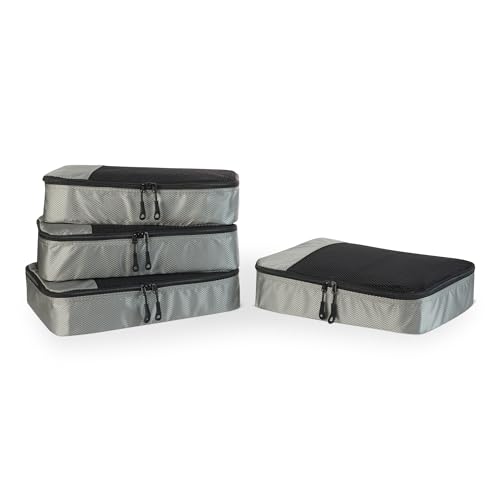
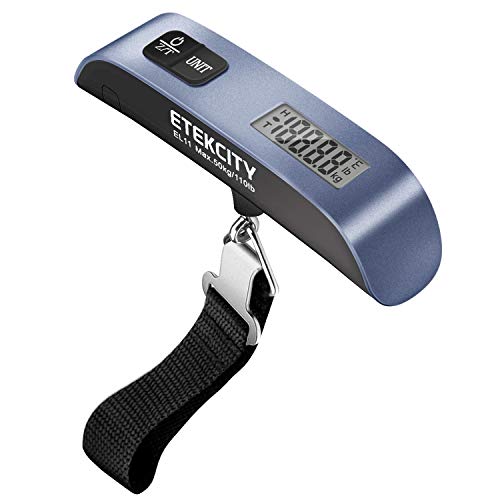
As an Amazon Associate, we earn from qualifying purchases.
Price as of Sep 16, 2026. Product prices and availability are accurate as of the date indicated and are subject to change. Any price and availability information displayed on Amazon at the time of purchase will apply.
Inputs
Result
Base = 1.5 + 2 + 1.5 + 3.5 = 8.5 lbs. Total = 8.5 + 4.5 + 2 = 15 lbs.
Inputs
Result
Base = 4 + 4 + 4 + 8.5 = 20.5 lbs. Total = 20.5 + 6 + 4 = 30.5 lbs.
Base weight is everything in your pack except consumables (food, water, fuel). It is the constant weight you carry regardless of trip length, making it the best metric for comparing gear setups.
| Category | Base Weight | Typical Gear | Daily Mileage |
|---|---|---|---|
| Ultralight | <10 lbs | DCF tent, quilt, frameless pack | 20–30 mi |
| Lightweight | 10–15 lbs | UL tent, down bag, UL pack | 15–25 mi |
| Traditional | 20–30 lbs | Standard tent, sleeping bag, framed pack | 10–15 mi |
Plan 1.5–2 lbs of food per person per day for backpacking. Thru-hikers eating high-calorie dense food average 1.5 lbs/day (3,000–4,500 cal).
The Big 3 are shelter, sleep system, and backpack. They typically account for 60–70% of base weight. Upgrading these three items has the biggest impact on total weight.
Worn weight includes everything on your body while hiking: clothes, shoes, watch, trekking poles in hand. It is not counted in base weight since you are not carrying it in your pack.
Read our guide
Read our guide
Find the right tent for your group
Plan water treatment for your trip
Estimate firewood for camping
Explore outdoor, electronics, and everyday tools
Last Updated: Sep 16, 2026
This calculator is provided for informational and educational purposes only. Results are estimates and should not be considered professional financial, medical, legal, or other advice. Always consult a qualified professional before making important decisions. UseCalcPro is not responsible for any actions taken based on calculator results.