1. Calculate
Choose your project scope and see the estimated price range.
Get a realistic 2026 basement flood cleanup estimate by area, water category, and finish level — then compare up to 3 local restoration quotes.
Instant project estimate
The estimate is free. Additional details are optional.
Complete the project details and calculate to see a price range and next steps.
Clear next step
Choose your project scope and see the estimated price range.
Understand the cost drivers and what impacts your final quote.
Carry your scope into a local quote request if you choose.


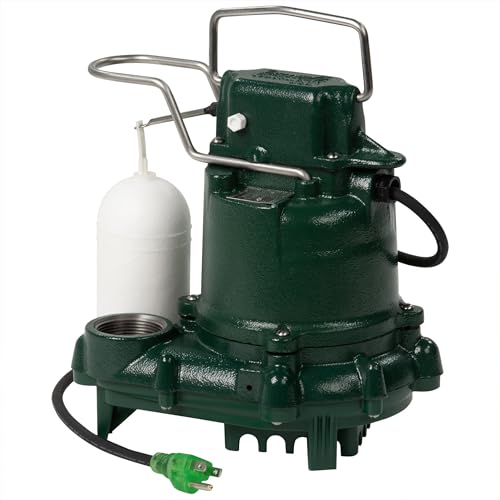
As an Amazon Associate, we earn from qualifying purchases.
Price as of Sep 18, 2026. Product prices and availability are accurate as of the date indicated and are subject to change. Any price and availability information displayed on Amazon at the time of purchase will apply.
The typical range is $2,000–$10,000 for a standard 1,000 sqft basement, depending on water contamination category, finish level, and depth. Clean water from a pipe burst averages $3–$5/sqft; gray water from a washing machine or sump overflow runs $5–$8/sqft; black water or sewage backup costs $8–$13/sqft and requires hazmat-grade treatment. A finished basement (drywall, carpet, flooring) adds 30–60% over an unfinished space because porous materials must be removed before drying can begin.
| Water Category | Unfinished Basement (1,000 sqft) | Finished Basement (1,000 sqft) |
|---|---|---|
| Clean water (Category 1) | $3,000–$5,000 | $3,900–$8,000 |
| Gray water (Category 2) | $5,000–$8,000 | $6,500–$12,800 |
| Black water / sewage (Cat 3) | $8,000–$13,000 | $10,400–$20,800 |
A full professional restoration job covers five phases: (1) emergency water extraction using truck-mount or portable pumps to remove standing water; (2) structural drying with industrial dehumidifiers and air movers run for 3–5 days minimum; (3) antimicrobial treatment to suppress mold before it starts — mandatory on Category 2 and 3 water; (4) content pack-out and debris removal including saturated carpet, drywall, and insulation; and (5) moisture monitoring and documentation for your insurance claim. Mold remediation, foundation repair, and finished-space rebuild (drywall, flooring) are typically scoped and billed separately.
| Phase | Typical Cost | Notes |
|---|---|---|
| Water extraction | $500–$2,000 | Scales with standing water volume |
| Structural drying | $1,000–$3,500 | 3–5 days of equipment rental |
| Antimicrobial spray | $200–$800 | Required for gray/black water |
| Debris removal | $300–$1,500 | Carpet, insulation, drywall |
| Mold test / remediation | $500–$6,000+ | Billed separately if needed |
It depends on the cause. Standard homeowners policies (HO-3) cover sudden and accidental water damage — a burst pipe, broken appliance supply line, or a washing machine overflow. They do NOT cover flooding from outside groundwater or storm surge — those require a separate NFIP (National Flood Insurance Program) or private flood policy. Sewer backup / sewage is also excluded from standard HO-3 policies unless you have a specific “sewer backup endorsement” rider. Check your declarations page before calling a contractor: the cause of loss determines coverage.
| Flood Cause | Standard HO-3 | NFIP Flood Policy | Sewer Backup Rider |
|---|---|---|---|
| Burst pipe | ✓ Covered | ✗ Not applicable | ✗ Not applicable |
| Appliance overflow | ✓ Covered | ✗ Not applicable | ✗ Not applicable |
| Sewage backup | ✗ Excluded | ✗ Excluded | ✓ Covered |
| Storm / groundwater | ✗ Excluded | ✓ Covered | ✗ Not applicable |
Water extraction typically takes 2–6 hours for a 1,000 sqft basement with moderate standing water. Structural drying is the long phase: IICRC S500 standards require indoor relative humidity to drop below 50% before drying is complete, which takes 3–5 days for a clean-water unfinished basement and up to 7–10 days for a finished basement with saturated drywall and subfloor. Sewage cleanup adds a decontamination day. Plan for technicians to check moisture readings daily and adjust equipment until certification.
| Scenario | Extraction | Drying | Total Timeline |
|---|---|---|---|
| Clean water, unfinished | 2–4 hrs | 3–5 days | 4–6 days |
| Gray water, finished | 3–5 hrs | 5–7 days | 7–9 days |
| Sewage backup, finished | 4–6 hrs | 7–10 days | 9–12 days |
DIY is only reasonable for clean water (Category 1) in an unfinished basement where you can act within 24 hours. Rent a wet-dry shop vac ($50–$150/day) or a water extractor ($150–$300/day) and follow up with dehumidifiers and fans. Gray and black water contain pathogens, bacteria, and sewage solids — IICRC and EPA guidance recommends licensed restoration for any Category 2 or 3 event. Finished basements with saturated drywall almost always warrant professional structural drying to prevent hidden mold inside walls. DIY risk: undetected moisture inside walls or subfloor triggers mold remediation at $2,000–$15,000 later.
Look for IICRC (Institute of Inspection Cleaning and Restoration Certification) credentials — specifically WRT (Water Restoration Technician) or ASD (Applied Structural Drying) certification. Get at least 3 written quotes with line-item scopes, not just a single project number. Restoration quotes should itemize extraction, drying equipment days, antimicrobial, and debris haul-off separately. Avoid contractors who push you to sign an Assignment of Benefits (AOB) form before your adjuster inspects. Legitimate contractors work with your adjuster; they do not bypass them.
Inputs
Result
Clean water in an unfinished basement is the lowest-cost scenario: no porous materials to remove and no pathogen decontamination required. Act within 24 hours to stay below the mold threshold and avoid a remediation surcharge.
Inputs
Result
Gray water requires antimicrobial treatment; finished drywall must be cut at least 12 inches above the water line and removed before drying can begin. Carpet is non-salvageable once saturated with gray water. Budget separately for drywall and carpet reinstall after drying is complete.
Inputs
Result
Sewage backup (Category 3) triggers the highest restoration rates: hazmat PPE, EPA-registered disinfectants, full drywall and flooring removal, and extended drying time. Hardwood flooring buckles and delaminates and is almost never salvageable. Northeast labor rates run 20–30% above the national average. This scenario also has the strongest insurance case — document everything before cleanup begins.
Total cost = Base rate ($/sqft) × Area (sqft) × Finish multiplier × Depth multiplierWater damage contractors price primarily by square footage and contamination category. The finish multiplier accounts for the additional labor of removing and discarding porous building materials before structural drying can begin.
Where:
Base rate= Category 1 (clean): $3–$5/sqft; Category 2 (gray): $5–$8/sqft; Category 3 (black/sewage): $8–$13/sqftArea= Total wet basement floor area in square feetFinish multiplier= Unfinished = 1.0; Finished (drywall/flooring) = 1.3–1.6 due to porous-material removalDepth multiplier= Shallow (<2 in) = 0.7–0.85; Moderate (2–6 in) = 1.0; Deep (>6 in) = 1.2–1.4Target: indoor RH < 50% AND materials at or below manufacturer dry standard before equipment removalThe IICRC S500 Standard for Professional Water Damage Restoration mandates specific humidity and material moisture content targets before a job can be declared complete. This is what drives drying equipment rental duration — and therefore cost.
Where:
RH target= Indoor relative humidity below 50% — typically achieved in 3–5 days for Category 1/unfinishedWood EMC= Wood framing equilibrium moisture content below 19% for structural membersEquipment ratio= IICRC recommends 1 dehumidifier per 100–150 sqft of affected area for Class 3 water damageDaily rate= Drying equipment rental costs $150–$400/day; 1,000 sqft typically needs 4–7 unitsNot all water is equally dangerous or equally expensive to clean up. The IICRC (Institute of Inspection Cleaning and Restoration Certification) classifies water damage into three categories, and restoration contractors price their work accordingly. Understanding which category you are dealing with is the single most useful piece of information you can give a contractor — and your insurance adjuster.
Category 1 (clean water) comes from supply lines, a broken pipe, or rainwater that entered before it contacted soil or sewage. Per-square-foot restoration rates run $3–$5 for clean water in an unfinished basement. Category 2 (gray water) is mildly contaminated — a washing machine overflow, sump pump backup, or dishwasher discharge. It contains bacteria and organic matter that make antimicrobial treatment mandatory; rates run $5–$8/sqft. Category 3 (black water, including sewage backup) is the most hazardous: it contains pathogens, fecal matter, and potentially raw sewage solids. Full hazmat protocol is required; contractor rates run $8–$13/sqft. The table below shows full-basement cost ranges across all three categories for both finished and unfinished spaces.
| Water Category | Unfinished 1,000 sqft | Finished 1,000 sqft | Key Extra Costs |
|---|---|---|---|
| Category 1 (clean) | $3,000–$5,000 | $3,900–$8,000 | None beyond drying |
| Category 2 (gray) | $5,000–$8,000 | $6,500–$12,800 | Antimicrobial, carpet removal |
| Category 3 (sewage) | $8,000–$13,000 | $10,400–$20,800 | Hazmat PPE, full material removal |
Category escalation happens fast: clean water that sits more than 24 hours is reclassified as gray water by IICRC standards. Gray water sitting more than 48 hours may escalate to Category 3. Time is the most important variable in keeping your cleanup bill low.
Whether your basement has drywall, carpet, flooring, and insulation has a larger effect on cleanup cost than almost any other single variable. An unfinished basement with poured concrete floors and exposed wood framing is the lowest-cost scenario — water extracts quickly, concrete dries fast, and there is nothing porous to remove or haul away. A finished basement is the opposite: drywall must be cut at the wet line (typically 12 inches above the highest water mark), insulation removed, carpet pulled up and discarded, and subfloor assessed for delamination before a single dehumidifier can start doing useful work.
IICRC standards require that all Category 2 and 3 water-affected porous building materials be removed before structural drying begins. This is not contractor preference — it is industry protocol. Drying drywall from the inside out while it is still installed traps moisture in the wall cavity and creates a mold culture medium behind a freshly painted surface. The 30–60% finished-basement premium accounts for this mandated demo scope. If your finished basement has carpet, budget an additional $1–$3/sqft for removal and haul-off; if it has hardwood, plan for full floor removal because buckled hardwood cannot be re-dried in place.
Many homeowners try to skip drywall removal to save money. Contractors who allow it are not following IICRC protocol. If you discover mold inside walls six months later, the remediation bill ($2,000–$15,000) will far exceed what you saved.
Professional water damage restoration is not a single service — it is a five-phase protocol, each with its own scope and price tag. Understanding the phases helps you evaluate contractor quotes line by line and spot what is missing.
Phase 1 is emergency water extraction, which removes all standing water using truck-mounted or portable submersible pumps and wet-extraction wands. This is the first crew on site, typically within 2–4 hours of your call, and costs $500–$2,000 depending on water volume. Phase 2 is structural drying: industrial dehumidifiers and high-velocity air movers are placed in a deliberate pattern per IICRC S500 “normal drying” or “aggressive drying” protocol. Equipment runs continuously for 3–5 days minimum, with daily moisture readings. Drying equipment rental accounts for $1,000–$3,500 of the typical bill. Phase 3 is antimicrobial application — EPA-registered disinfectants sprayed on all affected surfaces. Mandatory for Category 2 and 3 water; $200–$800 for a 1,000 sqft basement. Phase 4 is debris removal and pack-out: saturated carpet, cut drywall sections, insulation batts, and damaged contents are bagged, inventoried (for insurance), and hauled away. Phase 5 is final moisture certification: the contractor documents that all structural readings meet IICRC “dry standard” and issues a certificate — required by insurance carriers before they approve rebuild reimbursement.
Ask every contractor for a written scope that lists these five phases separately. A quote that is just a single project number gives you no way to compare bids or dispute a change order.
Water extraction
Pumps and wet-extraction wands remove all standing water; typically 2–6 hours on site, $500–$2,000.
Structural drying
Industrial dehumidifiers and air movers run 3–5+ days; $1,000–$3,500 including daily monitoring visits.
Antimicrobial treatment
EPA-registered disinfectant applied to all wet surfaces; $200–$800; mandatory for gray/black water.
Debris removal and pack-out
Saturated drywall, carpet, insulation removed and inventoried for insurance; $300–$1,500.
Moisture certification
Final readings documented at or below IICRC dry standard; certificate triggers insurance rebuild approval.
The single most common confusion homeowners face after a flooded basement is insurance coverage. The cause of the water determines which policy — if any — pays. Standard homeowners policies (HO-3 form) cover sudden and accidental internal water releases: a burst supply pipe, a failed water heater, or an appliance hose failure. They do NOT cover water that enters from outside the structure — rising groundwater, storm surge, or overland flooding. That requires a separate flood insurance policy, most commonly through FEMA’s National Flood Insurance Program (NFIP) or private flood carriers.
Sewer backup — the most expensive basement flood scenario — is also excluded from standard HO-3 policies unless you have added a specific “sewer backup and drain backup” endorsement, typically $50–$250 per year. This rider covers raw sewage backflow from municipal lines, the most common cause of Category 3 basement flooding. If you do not have this endorsement and your basement floods with sewage, you bear the full $8,000–$20,000 cleanup cost out of pocket. Check your declarations page now, before a loss event.
When you do have a covered loss, the sequence matters: call your insurer first, then the contractor. Most policies require you to take “reasonable steps to prevent further damage” — which means starting extraction and drying promptly — but they also require the adjuster to inspect before major structural removal begins. Photograph everything before any material is touched: water depth marks on walls, affected contents, flooring condition. Contractors who push you to sign an Assignment of Benefits (AOB) form before your adjuster inspects are bypassing the claims process in a way that can void your coverage.
| Loss Cause | Standard HO-3 | NFIP Flood Policy | Sewer Backup Rider |
|---|---|---|---|
| Burst supply pipe | ✓ Covered | ✗ N/A | ✗ N/A |
| Appliance/washer overflow | ✓ Covered | ✗ N/A | ✗ N/A |
| Sewer / sewage backup | ✗ Excluded | ✗ Excluded | ✓ Covered |
| Sump pump failure | Varies by policy | ✗ N/A | ✓ Often covered |
| Storm / groundwater flooding | ✗ Excluded | ✓ Covered (30-day wait) | ✗ N/A |
The NFIP flood policy has a mandatory 30-day waiting period before coverage takes effect. Do not wait until a storm season to add it — you need it in place months in advance.
For Category 1 (clean water) in an unfinished basement with action taken within 24 hours, skilled DIY cleanup is achievable and can save $1,500–$3,000. Rent a submersible pump or wet-dry shop vacuum ($50–$150/day), extract all standing water, then set up consumer dehumidifiers and box fans to begin air circulation. Monitor humidity with a digital hygrometer; you want indoor RH below 50% before you stop running equipment. Open windows if outdoor humidity is lower than indoor. The key constraint: consumer-grade equipment is slower than industrial equipment — a contractor can achieve 50% RH in 3 days where consumer equipment might take 10 days, increasing mold risk.
Gray and black water cleanup should never be DIY. Both categories contain bacteria, viruses, and in the case of sewage, human waste. The EPA and IICRC recommend licensed professionals with appropriate PPE for any Category 2 or 3 event. Attempting sewage cleanup without respirators, waterproof suits, and EPA-registered disinfectants exposes you to E. coli, Salmonella, and in rare cases Hepatitis A. For finished basements with saturated drywall, professional structural drying is almost always the right call: the cost of undetected moisture in wall cavities — a mold remediation bill starting at $2,000 — exceeds what you save by skipping professional drying. Use the mold remediation service cost calculator to understand what that downstream risk costs.
A good intermediate strategy: rent extraction equipment and start pumping yourself to stop the clock, then call a contractor for professional drying and certification. Many restoration companies will start drying-only without requiring you to pay for extraction you already completed.
Once you have paid for cleanup, the natural next question is: how do I prevent paying for this again? The answer depends on the cause of the original flood. If a burst pipe caused the damage, a whole-home water leak detection system ($200–$500 DIY, $500–$1,500 installed) with automatic shutoff valves is the highest-ROI investment — some insurance carriers discount premiums 5–15% for smart water shutoffs. If the cause was sump pump failure, install a battery-backup sump pump ($200–$500 for the unit, $300–$700 installed) so that a power outage during a storm does not mean a flooded basement.
If the cause was groundwater intrusion — water seeping through foundation walls or floor during heavy rain — waterproofing is the long-term solution. Interior waterproofing with a drain tile system and sump pump runs $5,000–$15,000 for a full perimeter. Exterior waterproofing (excavating around the foundation, applying waterproof membrane, installing drain board) runs $8,000–$25,000 but addresses the root cause rather than managing water that has already entered. Use the basement waterproofing cost calculator to price the right solution for your foundation type. For homes in areas with poor yard drainage, a French drain that redirects surface water away from the foundation can solve the problem for $3,000–$8,000 — often less than a single repeat cleanup event.
The average basement flood cleanup costs $5,000–$10,000. A battery-backup sump pump at $700 installed, a leak detector at $300, and a French drain at $5,000 together total less than a single repeat Category 2 flooding event in a finished basement. Prevention math almost always wins.
Identify the flood source
Pipe burst, appliance, sump failure, groundwater, or storm drainage — each has a different prevention strategy.
Install water leak detection
Smart sensors + automatic shutoff: $500–$1,500 installed. Best ROI for pipe-burst and appliance-overflow scenarios.
Add battery-backup sump pump
$500–$1,200 installed; keeps sump running through power outages during storms.
Interior waterproofing + drain tile
$5,000–$15,000 for perimeter drain tile + sump; manages groundwater that enters through walls.
Exterior waterproofing or French drain
$3,000–$25,000 depending on scope; addresses root cause of groundwater intrusion at the foundation.
Water damage restoration quotes follow IICRC and insurance-industry pricing conventions — which means they can look very different from a typical contractor bid. Most legitimate restoration quotes use Xactimate, a software standard that insurance adjusters also use to validate scope and pricing. A Xactimate-based quote breaks every task into individual line items with standardized unit prices: LF (linear feet) of drywall cut-out, SF (square feet) of antimicrobial application, days of dehumidifier rental per unit, etc. If you receive a quote that is just a single number with no line items, ask for the Xactimate printout or a scope sheet — without it you cannot compare bids or understand what you are being charged for.
The most common pricing disputes arise from scope creep: additional material removal, extra drying days, or mold testing that shows up as change orders after work begins. Protect yourself by requiring a written scope with explicit language about what triggers additional billing. Ask specifically: “If your technician finds moisture behind a wall that is not yet showing visible damage, what is the protocol and who authorizes the additional scope?” A transparent contractor has a clear answer.
A quote that is 30% below the other two is almost always a signal of one of three things: uninsured labor, cutting structural drying short of IICRC standard, or omitting antimicrobial treatment. Any of those shortcuts can cost you $5,000–$15,000 in mold remediation six months later.
Read our guide
Read our guide
Read our guide
Estimate costs for waterproofing, drainage, mold remediation, foundation repair, and dozens more home improvement projects.
Last Updated: Sep 18, 2026
This calculator is provided for informational and educational purposes only. Results are estimates and should not be considered professional financial, medical, legal, or other advice. Always consult a qualified professional before making important decisions. UseCalcPro is not responsible for any actions taken based on calculator results.