1. Calculate
Choose your project scope and see the estimated price range.
Get a realistic 2026 estimate for a professional move-out clean by home size, condition, and add-ons — then compare quotes from local cleaners before your deposit walk-through.
Instant project estimate
The estimate is free. Additional details are optional.
Complete the project details and calculate to see a price range and next steps.
Clear next step
Choose your project scope and see the estimated price range.
Understand the cost drivers and what impacts your final quote.
Carry your scope into a local quote request if you choose.


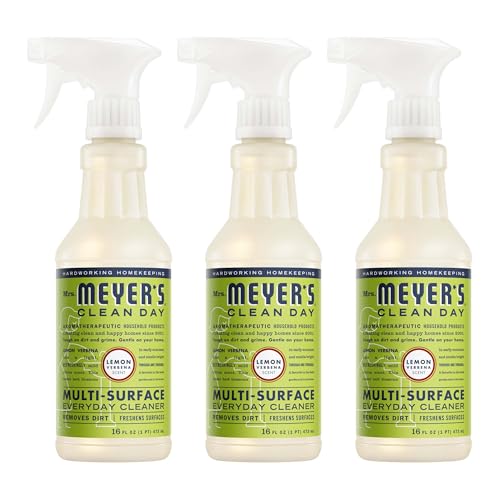
As an Amazon Associate, we earn from qualifying purchases.
Price as of Sep 16, 2026. Product prices and availability are accurate as of the date indicated and are subject to change. Any price and availability information displayed on Amazon at the time of purchase will apply.
Move-out cleaning costs $200 to $600 for most US homes in 2026, or about $0.20 to $0.40 per square foot. A studio or 1-bedroom apartment starts near $130 to $250, while a 3-bedroom house runs $250 to $450, and heavy buildup or carpet shampoo can push a larger home past $800.
Most US move-out cleanings cost $200 to $600 in 2026, averaging around $360. Pricing tracks home size at roughly $0.20 to $0.40 per square foot, so a 1,000 sq ft apartment runs $200 to $450 and a 3,000 sq ft house runs $600 to $1,350. A small studio can start near $130, while a heavily lived-in or pet-occupied home with carpet shampoo can exceed $800. Condition, bathroom count, and add-on services move the final figure more than the listed bedroom count alone.
| Home Size | Typical Cost | Best For |
|---|---|---|
| Studio / 1-bed apartment | $130-$300 | Renters, light volume |
| 2-bed, 1-2 bath | $200-$400 | Most apartments |
| 3-bed house | $250-$450 | Families, single-family |
| 4-bed+ / heavy | $450-$900+ | Large or neglected homes |
Yes. A move-out clean costs 1.5 to 2 times more than a standard recurring clean because it is a top-to-bottom deep clean of an empty home. Cleaners scrub inside cabinets and drawers, behind and inside appliances, baseboards, window tracks, and grout that a routine visit skips. An empty home is faster to access but slower to detail, and most jobs take 4 to 8 hours. Expect to pay $40 to $75 per hour per cleaner, or a flat rate quoted from your square footage and room count.
Carpet shampoo is the single biggest add-on, costing $75 to $200 or about $0.18 per square foot, with single rooms at $25 to $70. Cleaning inside the oven, refrigerator, and cabinets adds $50 to $150 because of the grease and labor involved. Interior windows, wall washing, and garage cleaning each stack on top. Heavy condition is a multiplier, not a flat add-on — a greasy or pet-occupied home can raise the entire quote 30 to 60 percent.
Often, yes. Cleaning is one of the top three reasons landlords withhold deposits, and in major cities up to 80% of tenants lose part of their deposit. A professional move-out clean of $200 to $400 frequently protects a deposit worth one to two months of rent. Check your lease first: some require professional cleaning with a receipt, while others only require the unit returned in the condition you received it minus normal wear. Keep the itemized invoice and dated photos as proof at the walk-through.
DIY makes sense for a small, well-kept apartment if you have a free day and the deposit risk is low. A full move-out clean of a larger or heavily used home is 4 to 8 hours of physical detail work, and missing one item — a greasy oven, dirty grout, or stained carpet — can cost more in withheld deposit than the clean would have. Hiring a pro at $200 to $600 buys a receipt for the landlord and removes the risk on moving day, which is already the busiest day of the move.
Inputs
Result
A standard two-bedroom apartment in average shape sits near the middle of the market. One bathroom and no add-ons keep it close to the per-square-foot floor for a thorough deposit clean.
Inputs
Result
A larger three-bedroom house in heavy condition runs 30-60% above an average clean, and full-home carpet shampoo stacks $120-$200 on top of the base move-out price.
Inputs
Result
A small, well-kept studio sits at the market floor. Light condition and a single bathroom keep the job to a few hours, though a premium West Coast labor market nudges it toward the top of the small-unit range.
Total = (Square footage x Rate per sq ft) x Condition multiplier + Bathroom adjustment + Add-onsMove-out cleaning is priced from home size at a per-square-foot rate, then adjusted for how dirty the home is, the number of bathrooms, and any deep-clean add-ons. Start from size and layer the other drivers on top.
Where:
Rate per sq ft= $0.20-$0.40 for a standard move-out clean; deep or detailed work runs toward the topCondition multiplier= Light ~0.85x, average 1.0x, heavy/pet 1.3-1.6x of the base size priceBathroom adjustment= Each bathroom adds labor; extra baths add roughly $10-$40 apieceAdd-ons= Carpet shampoo $75-$200, inside oven/fridge/cabinets $50-$150, interior windows $40-$120Hourly total = Cleaners x Hours x Rate per cleaner; compare to size-based flat quoteSome companies quote by the hour and others by square footage. Cross-check the two: multiply expected hours by the crew size and hourly rate, then compare to the flat per-square-foot quote to spot an outlier.
Where:
Cleaners= Most move-out jobs use a 1-3 person crew depending on home sizeHours= Typical move-out clean takes 4-8 hours of total workRate per cleaner= $40-$75 per hour per cleaner in most US marketsFlat quote= Size x $0.20-$0.40 per sq ft; the two methods should land within range of each otherA move-out clean is the last bill of a lease and the first defense of a security deposit, so the number matters more than its size suggests. In 2026, most US move-out cleanings cost $200 to $600, averaging around $360, with the figure tracking home size at roughly $0.20 to $0.40 per square foot. A small studio can start near $130, while a large or heavily lived-in home with carpet shampoo can climb past $800. That spread is wide because "move-out cleaning" means an empty home cleaned top to bottom, and the labor scales with every bedroom, bathroom, and year of buildup.
Size is the primary driver because cleaners price from square footage first. A 1,000 sq ft apartment runs $200 to $450, a 2,000 sq ft home $400 to $900, and a 3,000 sq ft house $600 to $1,350. Bedroom and bathroom counts are shorthand for that square footage and for the number of detail-heavy rooms — kitchens and bathrooms take the longest, so two homes of equal size but different bathroom counts get different quotes. Use the calculator above to land on a figure for your specific home, then read on to understand what each input is really pricing.
It helps to know what a move-out clean includes that a routine visit does not. A standard move-out package covers inside cabinets and drawers, inside the oven and refrigerator, baseboards, door frames, light fixtures, window tracks, and detailed bathroom and kitchen scrubbing — the empty-home detail that landlords inspect. It usually excludes carpet shampoo, exterior windows, wall repair, and hauling away furniture or trash, which are billed as add-ons. When you compare two quotes, confirm exactly which deep-clean items are bundled, because the cheap quote often quietly drops the oven, fridge, or baseboards.
| Home Size | Typical Cost | Per Sq Ft | Best For |
|---|---|---|---|
| Studio / 1-bed apartment | $130-$300 | $0.20-$0.35 | Renters, light volume |
| 1,000 sq ft | $200-$450 | $0.20-$0.45 | Small apartment or condo |
| 2,000 sq ft | $400-$900 | $0.20-$0.45 | Mid-size home |
| 3,000 sq ft | $600-$1,350 | $0.20-$0.45 | Large single-family house |
Most companies quote a flat rate from your square footage and room count rather than billing by the hour — it makes the price predictable and removes the risk of an open-ended bill on moving day, already the busiest day of the move.
Two homes of identical size can receive quotes that differ by hundreds of dollars, and the variance is rarely random. Cleaning companies price from a base square-footage rate and then adjust for the workload your specific home creates. The dirtier, larger, and more detail-heavy the job, the more hours the crew has to staff against it — and labor is the overwhelming majority of what you are paying for.
Read every quote against the list below. If a cleaner cannot explain how your home's condition or bathroom count maps to their price, that is a sign the quote is a guess that will be revised upward once the crew sees the home in person.
Ask whether the oven, refrigerator interior, and inside cabinets are included before you compare prices. They are the most common items a low quote drops, and they are exactly the spots a landlord opens during the walk-through.
The words "standard," "deep," and "move-out" get used loosely, but they buy very different things, and overpaying happens when a renter orders a tier they do not need. A standard recurring clean is surface maintenance: floors, counters, visible dust, and bathrooms, at $120 to $240 for an average home. It assumes the home is already kept up and is the wrong tool for an empty unit facing inspection. The house cleaning service cost calculator prices that lighter tier so you can see where the floor sits.
A deep clean adds the detail work — baseboards, inside appliances, grout, window tracks, and built-up grime — and is the same labor a move-out clean is built on. The difference is that a move-out clean is performed on an empty home against a landlord's checklist, while a deep clean is usually done with furniture in place. If you want to price that detail work for an occupied home, the deep cleaning service cost calculator covers it. The table below shows what each tier includes and who it fits, so you can match spend to the situation you are actually in.
There is a practical sequence renters follow. They keep a unit with standard cleans during the lease, book a one-time deep or move-out clean at the end, and add carpet shampoo only if the carpet shows wear or the lease requires it. Paying for a move-out package on a unit you barely lived in is overspending; skipping it on a pet-occupied home with stained carpet is how deposits disappear. The trigger for the move-out tier is almost always the deposit at stake and the landlord's written cleaning standard.
| Tier | What It Includes | Typical Cost | Right Situation |
|---|---|---|---|
| Standard clean | Floors, counters, baths, dusting | $120-$240 | Kept-up occupied home |
| Deep clean | Standard + baseboards, appliances, grout | $200-$400 | Built-up grime, occupied |
| Move-out clean | Full deep clean of an empty home | $200-$600 | End of lease, inspection |
Buy the tier your inspection requires, not the cheapest one. A move-out clean is a deep clean of an empty home against a checklist — ordering a standard surface clean to save money is the fastest way to fail the walk-through.
Beyond size, the two inputs that move a move-out quote the most are condition and add-ons. Condition is a multiplier on the whole job, not a flat line item. A light, well-kept home cleans at roughly 0.85 times the base size price, an average home at 1.0, and a heavy home — grease, neglect, smoke, or pets — at 1.3 to 1.6 times. That is why a crew insists on seeing photos or the unit before locking a price: a 1,500 sq ft home in heavy condition can cost more than a 2,500 sq ft home that was kept clean.
Add-ons stack on top of the condition-adjusted base. Carpet shampoo is the most common and the most impactful at $75 to $200 for a home, or $25 to $70 per room, and many leases specifically require professional carpet cleaning with a receipt. Cleaning inside the oven, refrigerator, and cabinets adds $50 to $150 because of the grease and labor. If the unit still has furniture or trash to clear, the junk removal service cost calculator prices that step, which usually comes right before the clean so the crew can reach every surface.
Stack the drivers in the right order to sanity-check a quote: start from square footage at the per-square-foot rate, multiply by the condition factor, then add the bathroom adjustment and the specific add-ons you chose. A 1,000 sq ft home in average shape with one bathroom and no add-ons should land near $250 to $350; the same home in heavy condition with carpet shampoo can reach $500 or more. If a quote is far outside that build-up, ask the cleaner which step is driving the difference.
Once you know your figure, the next question is whether to clean it yourself. DIY makes sense for a small, well-kept apartment when you have a free day and the deposit risk is low — a studio in light condition is a few hours of work. The hidden cost is your own time on the busiest day of the move and the risk that a missed item, a greasy oven or stained grout, costs more in withheld deposit than the clean would have. A full move-out clean of a larger or heavily used home is 4 to 8 hours of physical detail labor that most movers do not have to spare.
Hiring a pro at $200 to $600 buys two things beyond clean floors: a receipt and a removed risk. Cleaning is one of the top three reasons landlords withhold deposits, and in major cities up to 80% of tenants lose part of theirs. An itemized invoice and dated photos at the walk-through are the evidence that defends a deposit worth one to two months of rent. Read the lease first — some require professional cleaning with proof, others only require the unit returned in its original condition minus normal wear, which changes whether a pro clean is mandatory or merely smart insurance.
Finally, time the clean correctly in the move sequence. Clear furniture and trash first, then clean, then do the walk-through with photos — cleaning before the unit is empty wastes the crew's access to floors and closets. Book the cleaner one to two weeks ahead for end-of-month dates, which are the busiest, and confirm they will return for touch-ups if the landlord flags something. A move-out clean is the cheapest insurance on a deposit, but only if the receipt, the photos, and the timing all line up with the inspection.
Never choose a cleaner on price alone. A crew that skips the oven or stains the carpet costs far more in a withheld deposit than the $50 to $100 you saved picking the lowest bid.
Empty the unit first
Remove all furniture and trash before the clean so the crew can reach floors, closets, and behind appliances.
Read the lease cleaning clause
Confirm whether the landlord requires a professional clean with a receipt or only the original condition minus normal wear.
Collect two to three quotes
Insist each states the included add-ons, the assumed condition, and whether the oven and fridge interiors are covered.
Book one to two weeks ahead
End-of-month dates fill fast; schedule early and ask whether touch-ups are included if the landlord objects.
Document at the walk-through
Keep the itemized invoice and dated photos as proof the unit was professionally cleaned.
Read our guide
Read our guide
Read our guide
Price cleaning, hauling, flooring, and home-service jobs, then compare local quotes before you book and protect your deposit.
Last Updated: Sep 16, 2026
This calculator is provided for informational and educational purposes only. Results are estimates and should not be considered professional financial, medical, legal, or other advice. Always consult a qualified professional before making important decisions. UseCalcPro is not responsible for any actions taken based on calculator results.