1. Calculate
Choose your project scope and see the estimated price range.
Price a 2026 outlet swap the way an electrician quotes it — by replacement type (standard, GFCI, USB, smart, 2-prong upgrade), the existing outlet's condition, how many you replace at once, and your ZIP.
Instant project estimate
The estimate is free. Additional details are optional.
Complete the project details and calculate to see a price range and next steps.
Clear next step
Choose your project scope and see the estimated price range.
Understand the cost drivers and what impacts your final quote.
Carry your scope into a local quote request if you choose.
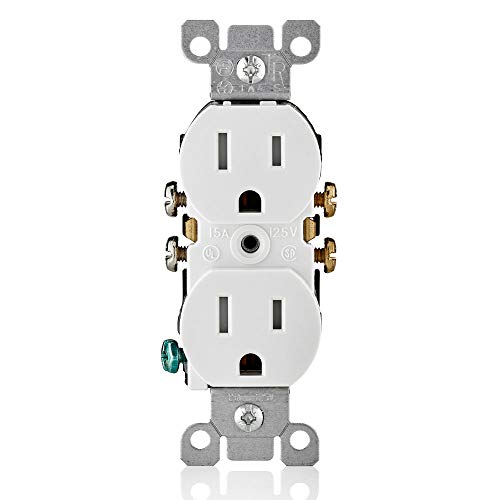


As an Amazon Associate, we earn from qualifying purchases.
Price as of Sep 17, 2026. Product prices and availability are accurate as of the date indicated and are subject to change. Any price and availability information displayed on Amazon at the time of purchase will apply.
A standard like-for-like outlet swap costs $100-$200 per outlet in 2026, with a national average near $200. The receptacle itself is only $1-$40 at the supply house, so labor is 70-85 percent of a single-outlet bill: a licensed electrician charges $50-$130 per hour plus a $100-$200 minimum trip fee, and that one-hour minimum applies even to a 10-minute swap. Specialty replacements cost more — a GFCI runs $120-$250, a USB or smart outlet $170-$350, and a burnt or damaged outlet $250-$750+ once the wiring is inspected.
| Replacement Type | Device | All-In Typical |
|---|---|---|
| Standard 120V swap | $1-$7 | $100-$200 |
| GFCI receptacle | $15-$50 | $120-$250 |
| USB / smart outlet | $20-$50 | $170-$350 |
| 2-prong to grounded 3-prong | $2-$8 + wire | $100-$300 |
Because you are mostly paying for a service call, not the device. A standard receptacle costs $1-$40, but a licensed electrician bills a one-hour minimum or a $100-$200 trip fee just to roll a truck, so a single swap lands at $100-$200 even though the work takes 10-15 minutes. That fixed cost is why batching matters: replacing six or twelve outlets in one visit spreads the trip fee across the whole job, dropping the per-outlet price to $20-$75. Industry data shows doing outlets in bulk cuts the per-unit cost by up to 25 percent.
| Outlets in One Visit | Per-Outlet Cost |
|---|---|
| 1 outlet | $100-$200 |
| 3 outlets | $70-$110 |
| 6+ outlets | $40-$75 |
| Whole house (12+) | $20-$40 |
Upgrading an ungrounded 2-prong outlet to a grounded 3-prong costs $100-$300 per outlet because a ground wire must be run from the receptacle back toward the panel — that wiring labor, not the $2-$8 device, drives the price. The cheaper, code-legal alternative is to replace the 2-prong with a GFCI receptacle for $90-$200; the GFCI protects against shock without a ground wire, but the outlet must be labeled "GFCI Protected, No Equipment Ground." Simply forcing a 3-prong onto ungrounded wiring is dangerous and fails inspection.
A USB or smart Wi-Fi outlet costs $170-$350 installed in 2026, versus $100-$200 for a standard swap. The device itself is $20-$50, and because installation labor is identical to a standard outlet, the premium is almost entirely the hardware. USB and USB-C outlets are a popular nightstand and kitchen upgrade that removes wall-wart chargers; smart outlets add app or voice control and scheduling. The smart way to save is to bundle these into a multi-outlet visit so the trip fee is shared rather than paying a full service call for one device.
A burnt, melted, hot-to-the-touch, or discolored outlet typically runs $250-$750+ because the scorching is a symptom, not the problem. A responsible electrician must inspect the wiring, terminal connections, and breaker for arcing, loose neutrals, overload, or damaged insulation before installing a new device — swapping only the face leaves the underlying fault in place and risks a fire. If the cause is aluminum wiring, a backstabbed connection, or an overloaded circuit, the repair scope and price expand accordingly, which is why these jobs carry a wide range.
Inputs
Result
The cheapest scenario: an accessible, working outlet on an open wall takes 10-15 minutes but still bills a one-hour minimum plus the trip fee. No permit on a like-for-like swap.
Inputs
Result
Batching eight outlets spreads the single trip fee across the whole job, so the per-outlet price falls to $35-$60 instead of $100-$200 for one-at-a-time service calls.
Inputs
Result
Running a ground wire through a finished wall is the cost driver. A GFCI receptacle is the cheaper code-legal path when fishing a ground wire is impractical.
Total = Device + Trip fee/minimum + (Extra labor) + (Wiring repair)Total = Device ($1-$50) + Trip fee or one-hour minimum ($100-$200) + Extra labor for access ($50-$200) + Wiring repair if burnt or ungrounded ($100-$500). The fixed service call dominates a single swap, so per-outlet cost drops to $20-$75 when several outlets share one visit.
Where:
Device= Standard $1-$7, TR $2-$8, GFCI $15-$50, USB/smart $20-$50Trip fee= $100-$200 minimum or one-hour charge per visitExtra labor= Finished wall, behind furniture, or exterior access: +$50-$200Wiring repair= Ground wire run or burnt-outlet inspection: +$100-$500Replacing an existing electrical outlet costs $100-$200 per outlet for a standard like-for-like swap in 2026, with a national average near $200. The receptacle itself is almost an afterthought at $1-$40 — what you are really paying for is a licensed electrician's time. HomeGuide and Angi 2026 data both put a basic single-outlet replacement in that $100-$200 band once the minimum service charge is counted. The number climbs from there based on the device you choose and the condition of what you are removing.
Specialty outlets carry a clear premium. A GFCI receptacle swap runs $120-$250, a USB or smart Wi-Fi outlet $170-$350, and upgrading an ungrounded 2-prong to a grounded 3-prong $100-$300. At the high end, a burnt, melted, or discolored outlet runs $250-$750+ because the electrician must inspect the wiring and breaker rather than just swapping the face. The device cost spread is small ($1-$50); the all-in spread is wide because labor scope changes with each scenario.
Region is the final multiplier. Coastal metros like the Bay Area, NYC, Boston, and Seattle typically bill 25-40 percent above national rates, while Midwest and South markets run 10-15 percent below. A $150 national-average swap can bill $190-$210 in San Francisco and $125-$140 in Dallas for identical work. Because small electrical jobs hinge on the trip-fee and minimum-hour structure, a flat-rate shop and an hourly shop can quote the same outlet $60-$80 apart — always get an itemized quote. If your outlet now sits in a kitchen, bath, or outdoor spot, compare the GFCI outlet installation cost path too.
| Replacement Type | Device | All-In Typical |
|---|---|---|
| Standard 120V swap | $1-$7 | $100-$200 |
| Tamper-resistant (TR) | $2-$8 | $100-$200 |
| GFCI receptacle | $15-$50 | $120-$250 |
| USB / smart outlet | $20-$50 | $170-$350 |
| 2-prong to grounded 3-prong | $2-$8 + wire | $100-$300 |
| Burnt / damaged outlet | $1-$40 | $250-$750+ |
Before booking a single outlet, walk the house and list every receptacle that is worn, painted-over, loose, or outdated. Doing them in one visit cuts per-outlet labor to $20-$75 instead of paying a fresh trip fee each time.
The single most surprising line on an outlet bill is the trip fee. A licensed electrician charges a one-hour minimum or a $100-$200 service call just to roll a truck to your address, and that charge is identical whether the job takes 12 minutes or 50. With the receptacle at $1-$40, a lone standard swap therefore lands at $100-$200 — the work is fast, but the visit is not free. This fixed cost is why a single outlet can feel wildly overpriced relative to the part.
The math flips entirely when you batch. Because the trip fee is shared across every outlet replaced in one visit, the per-outlet price falls fast: three outlets run roughly $70-$110 each, six or more drop to $40-$75, and a whole-house update of a dozen or more lands near $20-$40 per outlet. Contractor data shows batching cuts the per-unit cost by up to 25 percent. The chart below shows how the effective per-outlet price collapses as you add outlets to one appointment.
The practical takeaway is to never call an electrician for one outlet if you have others on the to-do list. Group them by room or do the whole house at once: worn bedroom outlets, a loose kitchen receptacle, the garage outlets you have been meaning to update, and any nightstand USB upgrades can all ride the same trip fee. If you are already booking a visit, it is also the cheapest time to add a light fixture install or other small electrical work to the same appointment.
Not every replacement is a like-for-like swap, and the upgrade you pick changes the bill more than anything else. Swapping a tired standard outlet for a new tamper-resistant version costs the same $100-$200 because the device is only pennies more — modern code already requires tamper-resistant receptacles in dwelling locations, and a TR device runs about $0.50 over a standard one. Stepping up to a GFCI receptacle for shock protection in a kitchen, bath, or garage raises the all-in to $120-$250 since the device alone is $15-$50.
USB and smart outlets are the most popular discretionary upgrade. A USB or USB-C charging outlet eliminates wall-wart chargers at nightstands and kitchen counters, while a smart Wi-Fi outlet adds app control, scheduling, and voice assistant integration. Both install with the same labor as a standard outlet, so the $170-$350 installed price is almost entirely hardware ($20-$50 for the device). That makes them an ideal add-on to a batched visit — you pay the device premium but not a second trip fee.
Upgrading an ungrounded 2-prong outlet is the trickiest scenario. A true grounded 3-prong requires running a ground wire back toward the panel, costing $100-$300 mostly in fishing-wire labor. The code-legal shortcut is a GFCI receptacle at $90-$200, which provides shock protection without a ground wire as long as it is labeled correctly. Never force a 3-prong device onto ungrounded wiring — it is dangerous and fails inspection. If multiple circuits are involved or the panel is suspect, confirm capacity first with an electrical load calculator.
| Scenario | Device | Labor Note | All-In Typical |
|---|---|---|---|
| Standard to TR | $2-$8 | Same as standard | $100-$200 |
| Standard to GFCI | $15-$50 | Standard swap | $120-$250 |
| USB / smart outlet | $20-$50 | Standard swap | $170-$350 |
| 2-prong to grounded 3-prong | $2-$8 | Run ground wire | $100-$300 |
| 2-prong to GFCI (no ground) | $15-$50 | No ground wire | $90-$200 |
The first factor is the device type itself. A standard or tamper-resistant receptacle keeps the job at $100-$200, while GFCI, USB, and smart outlets add $20-$150 of hardware on top of the same labor. The second factor is the existing outlet's condition: a clean working swap is fast, but a loose, cracked, or discolored outlet signals possible wiring trouble that an electrician must investigate before installing a new device, expanding both time and scope.
Location and wall access are the third and fourth drivers. An outlet on an open, accessible wall takes 10-15 minutes, but one behind a built-in cabinet, in a finished insulated wall, or on an exterior surface can take two to three times longer and add $50-$200 of labor. Hidden problems are the fifth factor — if the electrician finds aluminum wiring, knob-and-tube, backstabbed connections, or a scorched terminal, the repair scope and price expand well beyond a simple swap, sometimes by hundreds of dollars.
Outlet count and region round out the list. Because the $100-$200 trip fee is fixed, doing several outlets in one visit drops the per-outlet price to $20-$75 — count is the biggest lever you actually control. Region is the final multiplier, swinging the bill 25-40 percent higher in coastal metros and 10-15 percent lower in the South and Midwest. If a hot outlet points to a circuit problem rather than a bad device, a new dedicated outlet cost for the heavy appliance may be the real fix.
A burnt, melted, hot-to-the-touch, or discolored outlet is not a simple swap — it typically costs $250-$750+ because the scorching is a symptom of a deeper fault. A responsible electrician treats it as a diagnostic job: they open the box, inspect the wiring, terminal connections, and breaker for arcing, loose neutrals, overloading, or damaged insulation, and only then decide what to replace. Swapping just the face leaves the underlying problem in the wall and risks a fire, so the inspection time is built into the price.
The most common culprits each carry their own repair cost. A backstabbed connection (wire pushed into a spring clip rather than screwed to the terminal) can loosen and arc over time. Aluminum branch wiring from the 1960s-70s overheats at standard receptacles and may need special connectors or pigtails. An overloaded circuit that keeps running the outlet hot points to a load problem the new device will not fix. Any of these can push a $150 swap toward $400-$700 once the corrective work is scoped.
Treat warning signs as urgent, not cosmetic. A buzzing or crackling sound, a warm or scorched faceplate, intermittent power, or a faint burning smell all mean the outlet should be de-energized at the breaker and looked at promptly. Paying $250-$500 to diagnose and fix the root cause is far cheaper than the alternative — the U.S. sees tens of thousands of home electrical fires a year, many traced to faulty outlets and connections. Do not let a contractor talk you into a face-only swap on a clearly burnt outlet.
A warm faceplate, buzzing, scorch marks, or a burning smell means stop using the outlet, switch off its breaker, and book a licensed electrician. A burnt outlet is a wiring problem, not a device problem — replacing only the receptacle leaves the fire risk in your wall.
The most expensive mistake is hiring an unlicensed handyman to shave 20-40 percent off labor on an outlet that shows any sign of trouble. Unpermitted or unlicensed electrical work voids the homeowner insurance policy for any fire originating in that circuit and triggers a mandatory resale disclosure in many states. A simple, working like-for-like swap is low risk, but the moment an outlet is discolored, ungrounded, or on aluminum wiring, verify the contractor's license on the state board website — a free, 60-second lookup — and require a liability insurance certificate.
The second trap is ignoring code on the replacement device. Where current NEC requires tamper-resistant receptacles, the replacement must also be tamper-resistant — and a TR device costs only about $0.50 more, so there is no reason to install a non-compliant one that will fail inspection. The same applies to grounding: a 3-prong device on ungrounded 2-prong wiring is illegal and dangerous. Use a GFCI receptacle labeled "No Equipment Ground" instead when running a true ground wire is impractical.
The third mistake is overpaying upfront and replacing one outlet at a time. On a sub-$700 outlet job, never pay more than 25-30 percent before the work is done — a reputable electrician carries the materials. And calling out a separate truck for each outlet wastes the single biggest saving available: batching outlets into one visit shares the trip fee and cuts per-outlet cost by up to 25 percent. Get three itemized quotes for anything beyond a basic swap, and confirm whether your circuit is overloaded with an electrical load calculator before assuming a hot outlet just needs a new device.
Bundle every outlet you want done into a single appointment and ask for the per-outlet price, not just a total. Sharing one trip fee across the whole batch is the single biggest lever you control on outlet replacement cost.
Read our guide
Read our guide
Read our guide
Price outlet swaps, GFCI installs, panel upgrades, EV chargers, and wiring projects with 2026 US rates.
Last Updated: Sep 17, 2026
This calculator is provided for informational and educational purposes only. Results are estimates and should not be considered professional financial, medical, legal, or other advice. Always consult a qualified professional before making important decisions. UseCalcPro is not responsible for any actions taken based on calculator results.