1. Calculate
Choose your project scope and see the estimated price range.
Get a realistic 2026 estimate for general pest control by home size, plan frequency, and pest type — then compare quotes from local exterminators.
Instant project estimate
The estimate is free. Additional details are optional.
Complete the project details and calculate to see a price range and next steps.
Clear next step
Choose your project scope and see the estimated price range.
Understand the cost drivers and what impacts your final quote.
Carry your scope into a local quote request if you choose.
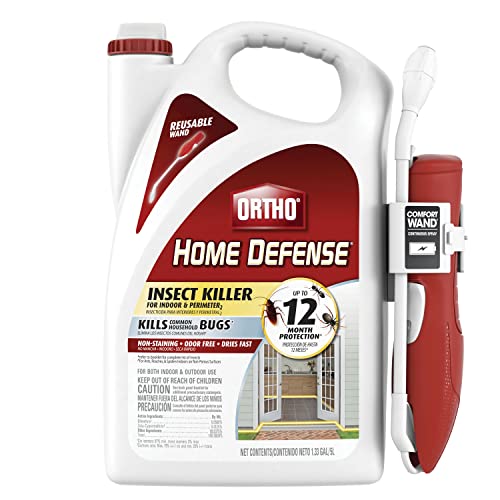
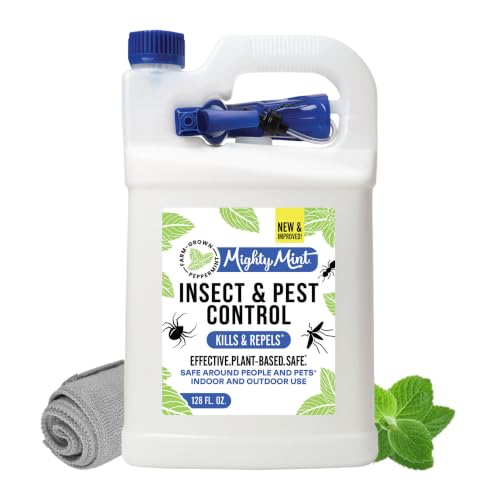

As an Amazon Associate, we earn from qualifying purchases.
Price as of Sep 17, 2026. Product prices and availability are accurate as of the date indicated and are subject to change. Any price and availability information displayed on Amazon at the time of purchase will apply.
General pest control costs $150–$400 for a one-time visit in 2026, $40–$70 per month on a recurring plan, or $100–$300 per quarterly visit (about $400–$800 a year). Home size, infestation severity, and indoor-plus-outdoor coverage move the price.
A one-time general pest control visit costs $150–$400 in 2026, with light prevention near $100–$200 and a heavy infestation pushing $400–$600. Recurring plans are cheaper per visit: monthly service runs $40–$70 after an initial $150–$300 setup, quarterly visits run $100–$300 each (about $400–$800 a year), and annual or tri-annual plans run $300–$900 for the year. Common pests like ants, spiders, and cockroaches sit at the low end; termites and bed bugs are priced separately and cost far more.
| Service Plan | Typical Cost | Best For |
|---|---|---|
| One-time visit | $150–$400 | Single problem now |
| Monthly plan | $40–$70/visit | Active or recurring pests |
| Quarterly plan | $100–$300/visit | Year-round prevention |
| Annual / tri-annual | $300–$900/yr | Low-risk maintenance |
Yes, per visit a recurring plan almost always beats paying for one-off visits. A standalone visit runs $150–$400, but a quarterly plan drops the per-visit price to $100–$300 and a monthly plan to $40–$70 because the technician is maintaining a barrier rather than knocking down a fresh problem each time. Across a year, a quarterly plan totals about $400–$800 versus $600–$1,600 for four separate one-time visits. The trade-off is the commitment: most plans expect a year of service and re-treat free between visits if pests return.
General pest control runs roughly $0.04–$0.10 per square foot, so square footage is the single biggest driver of a quote. A small home under 1,500 sq ft typically treats for $100–$200, a medium 1,500–2,500 sq ft home for $200–$400, a large home for $300–$500, and a home over 4,000 sq ft for $400–$700 or a custom quote. Bigger homes mean a longer exterior perimeter, more entry points, and more product, and treatment time climbs from 30–45 minutes on a small house to 60–90 minutes on a large one.
It does. General prevention for common household bugs — ants, spiders, and cockroaches — is the cheapest tier at $100–$200 for a one-time visit, because the products and methods are standard. Treating several pests at once or a heavy, established infestation costs more because it needs more product, more visits, and sometimes interior crack-and-crevice work. The big jumps come from specialized pests this calculator does not cover: termites, bed bugs, rodents, and mosquito programs are priced on their own and run hundreds to thousands of dollars.
Usually yes. On most recurring plans the first visit is a deeper, more thorough treatment that costs $150–$300 — the technician inspects the whole property, treats interior and exterior, and establishes the barrier. After that, the maintenance visits on a monthly ($40–$70) or quarterly ($100–$300) schedule are lighter and cheaper because they top up the existing barrier. When you compare quotes, confirm whether the advertised monthly price includes that initial visit or charges it separately, because it can add a few hundred dollars to year one.
Inputs
Result
A typical suburban home on a quarterly prevention plan sits near the national average. The per-visit price is well below a one-time visit because the technician is maintaining a barrier, and the deeper initial visit is billed once up front.
Inputs
Result
Ants on a small home with perimeter-only treatment is the cheapest scenario. Low square footage and a single common pest keep this near the floor of the market; switching to a quarterly plan lowers the per-visit price further.
Inputs
Result
A large home with a heavy, multi-pest problem justifies a monthly plan to break the breeding cycle. Per visit stays low, but the thorough initial knock-down treatment and the larger footprint push the first-year total higher.
Visit price = Base by home size + Pest/severity adjustment + Coverage adjustment + Regional multiplierA general pest control quote starts from a base tied to square footage, then adjusts for the pest and how bad the infestation is, whether interior is treated, and local labor rates. Start from the home-size base and layer the other drivers on top.
Where:
Base by home size= Small $100–$200, medium $200–$400, large $300–$500, extra large $400–$700+ per visitPest/severity adjustment= General prevention is cheapest; multiple pests or a heavy infestation add product and extra visitsCoverage adjustment= Perimeter-only is cheapest; full indoor + outdoor treatment costs moreRegional multiplier= High-cost metros and warm, pest-heavy climates run above the national average; rural and northern areas run belowAnnual plan cost = Per-visit price × visits per year + Initial setup visitTo compare a recurring plan against repeated one-time visits, multiply the maintenance per-visit price by the number of visits and add the one-time initial setup charge that most plans include in year one.
Where:
Per-visit price= Monthly $40–$70, quarterly $100–$300; one-time visits run $150–$400 eachvisits per year= Monthly = 12, quarterly = 4, tri-annual = 3Initial setup visit= $150–$300 deeper first treatment, charged once at the start of a planAnnual one-time alternative= Four separate one-time visits run $600–$1,600 versus $400–$800 for a quarterly planPest control is one of those home services where the sticker price swings wildly depending on what you ask for, so it pays to know the landscape before you call. In 2026, a one-time general pest control visit costs $150 to $400 for most US homes, with the national average single visit landing around $170 and the full range running from $50 for a light spot treatment to $500 or more for a serious problem. "General" here means the common household crew — ants, spiders, and cockroaches — not the specialty pests like termites and bed bugs that are quoted on their own and cost far more.
The cheaper way to buy pest control is on a recurring plan, because the per-visit price drops sharply once the technician is maintaining a barrier instead of knocking down a fresh problem. Monthly service runs $40 to $70 per visit, quarterly visits run $100 to $300 each — about $400 to $800 a year for four visits — and annual or tri-annual plans run $300 to $900 for the year. Most plans open with a deeper initial visit at $150 to $300 and then re-treat for free if pests come back between scheduled visits. Use the calculator above to land on a figure for your home and plan, then read on to understand what each input is really pricing.
It helps to know what a quote does and does not include. A standard general treatment covers an exterior perimeter spray, treatment of entry points, and knocking down webs and nests; many also include a light interior treatment of kitchens, bathrooms, and baseboards. It usually excludes specialty pests, wildlife trapping, fumigation, and any structural repair to seal entry points. When you compare two quotes, confirm whether interior treatment and the initial setup visit are bundled, because those two line items are where advertised prices and real prices most often diverge.
| Service Plan | Typical Per Visit | Typical Annual | Best For |
|---|---|---|---|
| One-time visit | $150–$400 | — | A single problem now |
| Monthly plan | $40–$70 | $480–$840 + setup | Active or recurring pests |
| Quarterly plan | $100–$300 | $400–$800 | Year-round prevention |
| Annual / tri-annual | — | $300–$900 | Low-risk maintenance |
Per visit, a recurring plan almost always beats one-time visits. Four separate one-time visits run $600–$1,600 a year, while a quarterly plan covering the same year runs $400–$800 and re-treats free between visits.
Two homes on the same street can get quotes that differ by a hundred dollars, and the spread is rarely random. Pest control companies price from a base tied to your square footage and then adjust for the workload your specific situation creates. The more square footage, entry points, pests, and interior work involved, the more product and technician time they have to staff against the job — and labor plus product is nearly all of what you are paying for.
Read every quote against the list below. If a company cannot explain how your home size or infestation level maps to their number, that is a sign the quote is a guess that will be revised upward once the technician actually walks the property.
Ask whether re-service between visits is free before you sign a plan. The best recurring contracts re-treat at no charge if pests return, which quietly makes the per-visit price a much better deal than a bare one-time visit.
The biggest decision after "who do I call" is how often you want them to come, and the right answer depends on whether you have an active infestation or just want to keep one from starting. A one-time visit at $150 to $400 makes sense when you have a single, contained problem — a wasp nest, a one-off ant trail — and no reason to expect it back. The downside is there is usually no guarantee: if the pests return next month, you pay again.
Recurring plans trade a year-long commitment for a lower per-visit price and free re-treats. A quarterly plan at $100 to $300 a visit is the most popular choice for ongoing prevention, because four treatments a year keep a barrier intact through each season's pest cycle. A monthly plan at $40 to $70 a visit is the tool for an active or stubborn infestation — roaches or a heavy ant problem — where you need frequent visits to break the breeding cycle before stepping back down to quarterly. The house cleaning service cost calculator covers the cheapest prevention of all, since clean kitchens and sealed food remove the reason pests show up in the first place.
There is a natural sequence most homeowners follow. They start with a one-time visit when something appears, move to a monthly plan if it turns out to be a real infestation, and settle into a quarterly maintenance plan once the problem is under control. Paying for monthly service when quarterly would hold the line is overspending, and relying on one-time visits for a recurring problem usually costs more across a year than just buying the plan.
| Plan | Typical Cost | Visits / Year | Right Situation |
|---|---|---|---|
| One-time | $150–$400 | 1 | Single contained problem |
| Monthly | $40–$70/visit | 12 | Active infestation |
| Quarterly | $100–$300/visit | 4 | Year-round prevention |
| Tri-annual | $300–$900/yr | 3 | Low-risk maintenance |
Buy the cadence your problem requires, not the most service you can. A home with no active pests rarely needs monthly visits; a quarterly plan holds the barrier for most households at roughly half the annual cost.
Beyond plan frequency, the two inputs that move a pest control quote the most are how big your home is and what you are fighting. General pest control runs roughly $0.04 to $0.10 per square foot, so square footage scales the base price almost linearly. A small home under 1,500 sq ft treats for $100 to $200, a medium 1,500–2,500 sq ft home for $200 to $400, a large home for $300 to $500, and a home over 4,000 sq ft for $400 to $700 or a custom quote. Bigger homes have a longer exterior perimeter to spray, more entry points to seal, and more product to apply, and the visit stretches from 30–45 minutes on a small house to 60–90 minutes on a large one.
Pest type then sits on top of the size base. General prevention for the common household trio — ants, spiders, and cockroaches — is the cheapest tier at $100 to $200 for a one-time visit, because the chemistry and methods are routine. Treating several pests at once, or a heavy established infestation, costs more because it needs more product, sometimes interior crack-and-crevice work, and often a sequence of visits rather than one. The sharp jumps come from pests this calculator deliberately leaves out: termites, bed bugs, rodents, and mosquito programs each carry their own specialized pricing and run from several hundred to several thousand dollars.
Severity is the multiplier people underestimate. A light, preventive visit on a clean home is quick and cheap; a heavy infestation can require an intensive initial knock-down treatment plus follow-ups to catch the next hatch, which is why a heavy-infestation one-time visit can reach $400 to $600. If you are seeing daily activity, budget for the higher end and a recurring plan rather than a single visit, because one treatment rarely ends an established problem.
Once you know your professional figure, it is worth asking whether you can handle it yourself. Off-the-shelf sprays, baits, and granules from a hardware store cost $15 to $80 and work fine for a minor, contained problem — a few ants in the kitchen, the occasional spider. The hidden cost is your time, the risk of using the wrong product or placement, and the reality that consumer products are weaker and shorter-lived than professional-grade applications, so a real infestation usually comes back.
Hiring out at $150 to $400 a visit, or a recurring plan, is the sweet spot once a problem is established, recurring, or involves pests that hide in walls and voids. A licensed technician identifies the species, finds the entry points and harborage you cannot see, applies longer-lasting product safely around kids and pets, and guarantees the work. Pest pressure also rides on the condition of your property: clutter and debris give pests a home, so the junk removal service cost calculator helps clear what attracts them, and clogged gutters breed mosquitoes and draw rodents to the roofline, which the gutter cleaning service cost calculator can price.
| Approach | Typical Cost | Best For |
|---|---|---|
| DIY sprays and baits | $15–$80 | Minor, contained problem |
| One-time professional visit | $150–$400 | Single real problem |
| Quarterly plan | $400–$800/yr | Ongoing prevention |
| Monthly plan | $480–$840/yr + setup | Active infestation |
DIY is fine for a stray bug, but a recurring or hidden infestation almost always costs more in repeat products and damage than just hiring a guaranteed professional plan.
The cheapest pest control engagement is the one that actually solves the problem, so vet companies on fit and transparency rather than the lowest advertised price. Get two or three written quotes that spell out the home size and pest they assumed, whether interior treatment and the initial setup visit are included, what the plan covers between visits, and what triggers an extra charge. A quote that is dramatically below the others usually assumes a smaller home, perimeter-only coverage, or excludes the setup visit — and the gap reappears the first time pests come back.
Confirm licensing and safety before you sign. A reputable company is state-licensed, carries liability insurance, and can explain what products it uses and how to keep kids and pets safe around treated areas. Ask about the re-service guarantee, who actually does the visit, and how they handle the specialty pests they do not cover so you are not surprised mid-contract. The steps below walk the hiring decision in order.
Finally, treat prevention as cheaper than cure. The best companies do not just spray — they tell you where pests are getting in and what to fix, from sealing gaps to clearing yard debris and standing water. A plan that keeps a barrier intact year-round costs less than a series of emergency one-time visits after each infestation flares up, and a technician who explains the why is worth more than one who just shows up with a tank.
Never choose a pest control company on price alone. A cheap visit that leaves the entry points open just resets the clock on the infestation, and you pay twice — once for the bargain and again for the real fix.
Identify the pest and severity
Note what you are seeing and how often, so quotes are based on the same problem and you do not overbuy a heavy-infestation plan for a light one.
Collect two to three quotes
Insist each states the assumed home size, coverage (interior vs perimeter), whether the setup visit is included, and the re-service guarantee.
Verify license and insurance
Confirm the company is state-licensed and insured, and ask which products it uses and the kid- and pet-safety guidance.
Compare plan vs one-time math
Multiply the per-visit price by visits per year and add the setup visit to see the true annual cost before committing.
Ask about prevention and guarantees
Pin down what the plan covers between visits, free re-treats, and what entry points or yard conditions you should fix yourself.
Read our guide
Read our guide
Read our guide
Price pest control, cleaning, mold removal, and other home services, then plan and budget your property maintenance.
Last Updated: Sep 17, 2026
This calculator is provided for informational and educational purposes only. Results are estimates and should not be considered professional financial, medical, legal, or other advice. Always consult a qualified professional before making important decisions. UseCalcPro is not responsible for any actions taken based on calculator results.