UseCalcPro
Home
MathFinanceHealthConstructionAutoPetsGardenCraftsFood & BrewingTools
Blog
  1. Home
  2. Crafts

Needlepoint Canvas Calculator

Plan canvas size, stitch count, and approximate thread before you start stitching

Cut Canvas

12.0 x 14.0 in

Stitches

13,520

Mesh

13 ct

Recommended Canvas Cut

12.0 x 14.0

inches

Design Stitch Count

104 x 130

Total Stitches

13,520

Canvas Area

168.0 sq in

Thread Estimate

15.0 skeins

Thread Coverage by Type

ThreadStitches/SkeinSkeins Needed
Wool90015.0
Embroidery Floss1,8007.5
Silk1,30010.4

Tips

Canvas prep: Bind raw edges with masking tape or fold-over binding to prevent fraying during stitching. Canvas diagonal: 18.4 in.
Thread tension: Keep stitches snug but not tight. Over-tensioning distorts the canvas mesh and makes blocking harder.
Margin importance: Margins under 2 inches limit finishing options. Use at least 3 inches for pillows or upholstery projects.

Example Calculations

18" × 10" Design on 13-Count, Wool

Inputs

Design Width8 in
Design Height10 in
Mesh Count13
Margin2 in
Thread TypeWool

Result

Cut Canvas12 × 14 in
Stitch Grid104 × 130
Total Stitches13,520
Thread Estimate15.0 skeins
Canvas Area168 sq in

Stitches: 8 × 13 = 104 wide, 10 × 13 = 130 tall. Total = 13,520. Cut = (8 + 4) × (10 + 4) = 12 × 14". Skeins = 13,520 / 900 = 15.0.

212" × 14" Design on 18-Count, Floss

Inputs

Design Width12 in
Design Height14 in
Mesh Count18
Margin3 in
Thread TypeEmbroidery Floss

Result

Cut Canvas18 × 20 in
Stitch Grid216 × 252
Total Stitches54,432
Thread Estimate30.2 skeins
Canvas Area360 sq in

Stitches: 12 × 18 = 216 wide, 14 × 18 = 252 tall. Total = 54,432. Cut = (12 + 6) × (14 + 6) = 18 × 20". Skeins = 54,432 / 1,800 = 30.2.

Frequently Asked Questions

Q

How much extra canvas do you need for needlepoint?

Most stitchers leave 2 to 3 inches of unworked canvas on every side for blocking, finishing, and mounting. An 8×10-inch design on 13-count canvas needs a 12×14-inch cut canvas with 2-inch margins.

  • 2" margin: minimum for most projects, can feel tight on stretcher bars
  • 3" margin: standard recommendation, best for blocking and finishing
  • 4" margin: for complex finishing (pillows, ornaments, upholstery)
  • Margins under 2" make mounting difficult and limit finishing options
  • Canvas is sold by the yard – buy extra for test stitches
Margin SizeBest ForCut Canvas (8×10" design)
2"Simple framing12" × 14"
3"Most projects14" × 16"
4"Upholstery, pillows16" × 18"
Q

How do mesh count and stitch count relate?

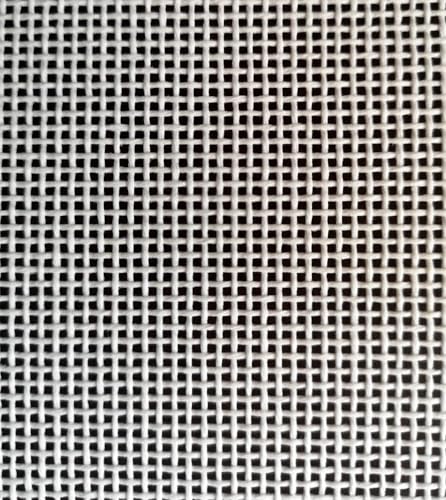
Mesh count tells you how many intersections (holes) fit in one inch. Multiply design width and height by mesh count to get the stitch grid. Higher mesh = smaller stitches = more detail but more thread and time.

  • 10 ct: large stitches, fast work, good for beginners and rugs
  • 13 ct: most popular count, balances detail and speed
  • 14 ct: slightly finer than 13, common for portraits and florals
  • 18 ct: fine detail, requires petit point technique, 2× the thread of 13 ct
Mesh CountStitches/in²Thread Use (8×10" design)
10 ct100~9 skeins (wool)
13 ct169~15 skeins (wool)
14 ct196~17 skeins (wool)
18 ct324~27 skeins (floss)
Q

How much thread does a needlepoint project need?

Thread needs depend on mesh count, design area, and thread type. Wool covers about 900 stitches per skein, embroidery floss about 1,800, and silk about 1,300.

  • Wool (8.8 yd skein): ~900 tent stitches per skein on 13 ct
  • Embroidery floss (8.75 yd skein): ~1,800 tent stitches per skein
  • Silk (4.5 yd skein): ~1,300 tent stitches per skein
  • Decorative stitches use 2–3× more thread than tent stitch
  • Buy 10–15% extra thread for color matching across dye lots
Q

What mesh count should I use for my project?

Choose mesh count based on the level of detail and your eyesight comfort. 13-count is the most popular and versatile. Fine work like portraits needs 18-count, while quick projects and rugs work well on 10-count.

  • Beginners: start with 13 ct – easiest to see and stitch
  • Portraits and fine detail: 18 ct with magnification
  • Ornaments and small designs: 18 ct for maximum detail in small area
  • Rugs and pillows: 10 ct for speed and durability
Q

Can I use embroidery floss on needlepoint canvas?

Yes, especially on finer mesh (14–18 count). Use 3–6 strands of floss depending on mesh count. Floss gives smoother coverage than wool and comes in hundreds of colors.

  • 14 ct: use 4–6 strands of DMC floss
  • 18 ct: use 2–3 strands of floss
  • Floss covers ~1,800 tent stitches per skein (twice as far as wool)
  • Floss colors are more consistent across dye lots than some wool brands

Related Calculators

Canvas Calculator

Plan blank canvas dimensions for art projects

Embroidery Thread Calculator

Estimate floss needs for embroidery work

Cross Stitch Calculator

Calculate fabric and floss for cross stitch

Tufting Yarn Calculator

Calculate how much yarn you need for tufting projects by rug size, pile height, and stitch density. Get weight in grams, skein count, and cost estimates.

Loom Knitting Calculator

Calculate yarn amount and peg count for loom knitting projects. Get loom size recommendations for hats, scarves, blankets, and socks by gauge and size.

Crochet Scarf Calculator

Estimate yarn yardage, skein count, rows, and stitches for a crochet scarf. Enter your scarf dimensions, yarn weight, stitch density, and fringe length.

Related Resources

Protein Calculator: How Much Protein Do You Need Per Day?

Read our guide

How Much Concrete Do I Need? Concrete Calculator for Slabs & Footings

Read our guide

How Much Paint Do I Need for a Room? Complete Calculator Guide

Read our guide

Embroidery Thread Calculator

Estimate floss and thread for embroidery projects

Cross Stitch Calculator

Plan fabric size and floss for counted cross stitch

Canvas Calculator

Calculate canvas dimensions for painting and art

Yarn Calculator

Estimate yarn amounts for knitting and fiber arts

More Fiber Art Calculators

Explore embroidery, yarn, weaving, and macrame calculators in the crafts category.

View Crafts Calculators

Last Updated: Mar 11, 2026

This calculator is provided for informational and educational purposes only. Results are estimates and should not be considered professional financial, medical, legal, or other advice. Always consult a qualified professional before making important decisions. UseCalcPro is not responsible for any actions taken based on calculator results.

UseCalcPro
FinanceHealthMath

© 2026 UseCalcPro