UseCalcPro
Home
MathFinanceHealthConstructionAutoPetsGardenCraftsFood & BrewingTools
Blog
  1. Home
  2. Food & Brewing

Tincture Calculator — Herb-to-Alcohol Ratio & Dosing Guide

Calculate menstruum volume and maceration time for herbal tinctures

Menstruum Volume

10.0 oz

Alcohol

4.5 oz

Maceration

42 days

Yield

6.5 bottles

oz
1:
%

Total Menstruum Volume

10.0 oz
296 ml
Alcohol Volume

4.5 oz

Water Volume

5.5 oz

Maceration Days

42 days

Yield (~1 oz bottles)

6.5 bottles

Herb vs Menstruum

Herb2.0 oz
Menstruum10.0 oz

Ratio 1:5 — 2.0 oz herb to 10.0 oz liquid

What You'll Need

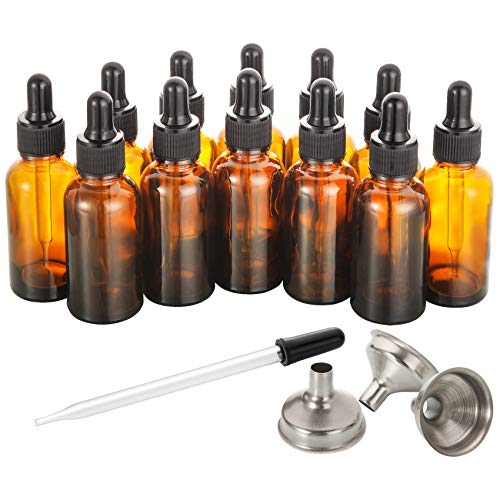
Vivaplex 12 Amber 2oz Glass Dropper Bottles

Vivaplex 12 Amber 2oz Glass Dropper Bottles

$12-$164.5
View on Amazon
50 Pcs Muslin Cheesecloth Strainer Bags Reusable Cotton

50 Pcs Muslin Cheesecloth Strainer Bags Reusable Cotton

$7-$104.4
View on Amazon
Ball Half Pint 8oz Regular Mouth Mason Jars 12-Pack

Ball Half Pint 8oz Regular Mouth Mason Jars 12-Pack

$12-$184.7
View on Amazon
Vivaplex 12 Amber 2oz Glass Dropper Bottles

Vivaplex 12 Amber 2oz Glass Dropper Bottles

$12-$164.5
View on Amazon
50 Pcs Muslin Cheesecloth Strainer Bags Reusable Cotton

50 Pcs Muslin Cheesecloth Strainer Bags Reusable Cotton

$7-$104.4
View on Amazon
Ball Half Pint 8oz Regular Mouth Mason Jars 12-Pack

Ball Half Pint 8oz Regular Mouth Mason Jars 12-Pack

$12-$184.7
View on Amazon

As an Amazon Associate, we earn from qualifying purchases.

Example Calculations

1Dried Echinacea Tincture (Standard 1:5 Ratio)

Inputs

HerbEchinacea (dried)
Herb Weight2 oz
Ratio1:5
Alcohol45%

Result

Total Menstruum Volume10.0 oz (296 ml)
Alcohol Volume4.5 oz
Water Volume5.5 oz
Maceration Time42 days
Estimated Yield6.5 oz (~6 bottles)

Menstruum = 2 oz × 5 = 10 oz. Alcohol = 10 × 0.45 = 4.5 oz. Water = 10 – 4.5 = 5.5 oz. Yield = 10 × 0.65 = 6.5 oz.

2Dried Valerian Root Tincture (60% Alcohol)

Inputs

HerbValerian (dried)
Herb Weight4 oz
Ratio1:5
Alcohol60%

Result

Total Menstruum Volume20.0 oz (591 ml)
Alcohol Volume12.0 oz
Water Volume8.0 oz
Maceration Time42 days
Estimated Yield13.0 oz (~13 bottles)

Menstruum = 4 oz × 5 = 20 oz. Alcohol = 20 × 0.60 = 12 oz. Water = 20 – 12 = 8 oz. Yield = 20 × 0.65 = 13 oz.

3Dried Ginger Root Tincture (1:4 Ratio)

Inputs

HerbGinger (dried)
Herb Weight3 oz
Ratio1:4
Alcohol60%

Result

Total Menstruum Volume12.0 oz (355 ml)
Alcohol Volume7.2 oz
Water Volume4.8 oz
Maceration Time28 days
Estimated Yield7.8 oz (~7 bottles)

Menstruum = 3 oz × 4 = 12 oz. Alcohol = 12 × 0.60 = 7.2 oz. Water = 12 – 7.2 = 4.8 oz. Yield = 12 × 0.65 = 7.8 oz.

Frequently Asked Questions

Q

What ratio of herb to alcohol should I use for tinctures?

Standard ratios depend on whether you use fresh or dried herb material. Fresh herbs typically use a 1:2 ratio (1 part herb to 2 parts menstruum by weight), while dried herbs use 1:4 or 1:5. These ratios ensure adequate solvent coverage for full extraction of active compounds over the maceration period.

  • Fresh herb ratio: 1:2 (1 oz herb to 2 oz menstruum) for most common herbs
  • Dried herb ratio: 1:5 (1 oz herb to 5 oz menstruum) is the standard folk method
  • Ginger dried ratio: 1:4 due to its dense, fibrous root structure
  • Chamomile fresh ratio: 1:3 because the flowers are lightweight and absorb more liquid
  • The marc (spent herb) absorbs 30–40% of the menstruum, reducing final yield to about 60–65%
Herb StateTypical RatioMenstruum per 1 oz HerbBest For
Fresh1:22 ozAromatic herbs, flowers, leaves
Dried (standard)1:55 ozMost dried roots, bark, berries
Dried (dense)1:44 ozGinger, turmeric, dense roots
Fresh (light)1:33 ozChamomile, lightweight flowers
Q

What alcohol percentage should I use for tinctures?

The optimal alcohol percentage depends on the compounds you want to extract. Water-soluble compounds extract well at 40–50% alcohol, while resins, essential oils, and alkaloids need 60–95%. Most common herbs work well at 40–60% alcohol, making 80-proof or 100-proof vodka an ideal base.

  • 40–50% alcohol: echinacea, elderberry, chamomile — extracts water-soluble polysaccharides and flavonoids
  • 60% alcohol: valerian, lavender, ashwagandha — balanced extraction of both water- and alcohol-soluble compounds
  • 70–95% alcohol: calendula, turmeric, myrrh — needed for resins, essential oils, and waxy compounds
  • 80-proof vodka = 40% alcohol, the easiest base for beginners
  • 100-proof vodka = 50% alcohol, a versatile middle-ground for most herbs
Alcohol %ProofCommon SourceBest Extracts
40–45%80–90 proofStandard vodkaPolysaccharides, flavonoids
50–60%100–120 proof100-proof vodka, brandyAlkaloids, glycosides, tannins
70–85%140–170 proofEverclear, grain alcoholResins, essential oils, gums
90–95%180–190 proofEverclear 190Waxy compounds, thick resins
Q

How long should I let a tincture macerate?

Most herbal tinctures require 4–6 weeks (28–42 days) of maceration. Lighter herbs like chamomile and lavender are ready in about 4 weeks, while denser roots and barks like echinacea, valerian, and ashwagandha need the full 6 weeks for complete extraction. Shake the jar daily to improve extraction efficiency.

  • 28 days (4 weeks): chamomile, lavender, ginger — lighter herbs with high surface area
  • 42 days (6 weeks): echinacea, valerian, calendula, ashwagandha — denser roots and flowers
  • Shaking daily increases extraction by redistributing solvent and breaking cell walls
  • Store in a cool, dark place during maceration to preserve active compounds
  • Some herbalists macerate for 8+ weeks for maximum potency, but 6 weeks captures 90%+ of extractable compounds
Q

How much tincture will I get after straining?

Expect to recover about 60–65% of your original menstruum volume after straining. The herb material (marc) absorbs 35–40% of the liquid. For example, starting with 10 oz of menstruum typically yields 6–6.5 oz of finished tincture. Squeezing the marc through cheesecloth recovers an extra 5–10%.

  • Standard yield: ~65% of original menstruum volume after thorough straining
  • Dried herbs absorb slightly less liquid than fresh herbs, yielding 5–10% more
  • Use a potato ricer or tincture press to squeeze maximum liquid from the marc
  • A 2 oz herb batch at 1:5 ratio uses 10 oz menstruum and yields approximately 6.5 oz (about 6–7 dropper bottles)
  • Store finished tincture in amber glass bottles to protect from UV degradation
Q

What is the difference between folk method and weight-to-volume tinctures?

The folk method uses simple weight-based ratios (1:2, 1:5) and standard alcohol percentages, making it accessible for home herbalists. The weight-to-volume (W:V) method used by pharmacies measures herb in grams and menstruum in milliliters with precise alcohol concentrations. Both produce effective tinctures, but W:V allows exact reproducibility.

  • Folk method: ratio by weight (oz:oz), standard alcohol % — simple, forgiving, great for beginners
  • W:V method: herb in grams, menstruum in ml (e.g., 1:5 = 200g herb in 1000ml) — pharmacy standard
  • Folk method allows 5–10% variation without affecting potency significantly
  • W:V tinctures use specific alcohol/water blends calculated to exact percentages
  • This calculator uses the folk method, which is the most common approach for home tincture making

Related Calculators

Essential Oil Dilution Calculator

Calculate safe dilution ratios

Soap Lye Calculator

Calculate lye for soap making

Fermentation Calculator

Plan fermentation batches

Bath Bomb Calculator

Calculate bath bomb ingredients

Proof Dilution Calculator

Calculate how much water to add when diluting high-proof alcohol to a target proof. Returns water to add, final volume, target ABV, and dilution ratio.

Tea Steep Calculator

Calculate optimal steep time, water temperature, and tea-to-water ratio by tea type. Get brewing guides for green, black, white, oolong, and herbal teas.

Related Resources

Cooking Time Calculator: How Long to Cook Meat by Weight

Read our guide

Essential Oil Dilution Calculator

Calculate safe dilution ratios for essential oils in carrier oils

Soap Lye Calculator

Calculate lye amounts for cold-process soap making

Fermentation Calculator

Plan fermentation timing and ingredient ratios

Kombucha Calculator

Calculate tea, sugar, and starter ratios for kombucha

More Food & Kitchen Calculators

Explore all our free food and cooking calculators

View All Food Calculators

Last Updated: Mar 16, 2026

This calculator is provided for informational and educational purposes only. Results are estimates and should not be considered professional financial, medical, legal, or other advice. Always consult a qualified professional before making important decisions. UseCalcPro is not responsible for any actions taken based on calculator results.

UseCalcPro
FinanceHealthMath

© 2026 UseCalcPro