1. Calculate
Choose your project scope and see the estimated price range.
Price a 2026 paver walkway by length, width, paver type (concrete / brick / travertine / bluestone / porcelain), base prep, and region — then compare 3 local hardscape quotes.
Instant project estimate
The estimate is free. Additional details are optional.
Complete the project details and calculate to see a price range and next steps.
Clear next step
Choose your project scope and see the estimated price range.
Understand the cost drivers and what impacts your final quote.
Carry your scope into a local quote request if you choose.


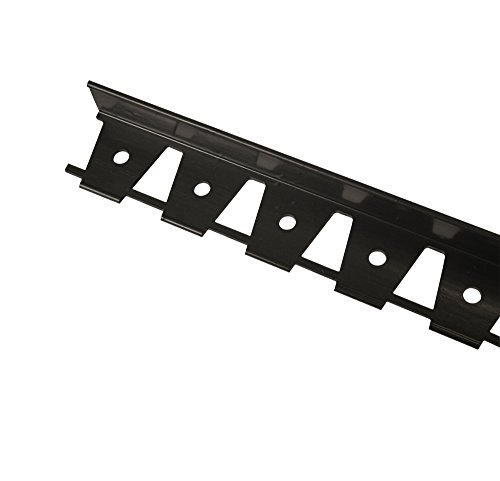

As an Amazon Associate, we earn from qualifying purchases.
Price as of Sep 15, 2026. Product prices and availability are accurate as of the date indicated and are subject to change. Any price and availability information displayed on Amazon at the time of purchase will apply.
Paver walkway installation ranges $10-$40 per square foot installed depending on paver type. Concrete pavers run $10-$20/sqft, brick $14-$24/sqft, travertine $18-$30/sqft, bluestone $20-$35/sqft, and porcelain $22-$40/sqft. A typical 160 sqft walkway (40 ft x 4 ft) costs $1,600-$3,200 in concrete or $3,200-$5,600 in bluestone. National averages from HomeAdvisor and Angi 2026: concrete paver walkway $2,480 for 150 sqft; premium stone walkways $4,000-$8,000.
| Paver type | $/sqft installed | 160 sqft walkway |
|---|---|---|
| Concrete pavers | $10-$20 | $1,600-$3,200 |
| Brick pavers | $14-$24 | $2,240-$3,840 |
| Travertine pavers | $18-$30 | $2,880-$4,800 |
| Bluestone pavers | $20-$35 | $3,200-$5,600 |
| Porcelain pavers | $22-$40 | $3,520-$6,400 |
A 40-foot paver walkway at 4-foot width (160 sqft) costs $1,600-$3,200 for concrete, $2,240-$3,840 for brick, and $3,200-$5,600 for bluestone installed. Width changes cost linearly: a 3-foot version saves 25%, bumping to 5 feet adds 25%. Frost-line base prep in cold climates adds $240-$480 to a 160 sqft job. Metal edge restraint runs $240-$640 for both sides of a 40-foot walkway.
| Walkway width | Concrete total | Brick total | Bluestone total |
|---|---|---|---|
| 40 ft x 3 ft (120 sqft) | $1,200-$2,400 | $1,680-$2,880 | $2,400-$4,200 |
| 40 ft x 4 ft (160 sqft) | $1,600-$3,200 | $2,240-$3,840 | $3,200-$5,600 |
| 40 ft x 5 ft (200 sqft) | $2,000-$4,000 | $2,800-$4,800 | $4,000-$7,000 |
Concrete pavers are the best-value choice for most residential walkways at $10-$20/sqft installed: 25-50 year lifespan, dimensional consistency, and individual unit replacement without tearing out the full path. Brick adds classic curb appeal at $14-$24/sqft but clay units can spall in freeze-thaw cycles without sealant. Bluestone and travertine at $18-$35/sqft suit premium front-entry and pool-adjacent walkways. Porcelain at $22-$40/sqft offers factory color consistency and frost resistance without sealing.
Paver type is the biggest lever: porcelain at $22-$40/sqft costs 2-4x concrete at $10-$20/sqft on identical square footage. Small jobs under 100 sqft pay a 20-30% per-sqft premium from minimum crew mobilization of $500-$800. Frost-line base prep adds $1.50-$3.00/sqft, or $240-$480 on a 160 sqft walkway. Regional labor rates vary 25-35%: Northeast and West Coast run 20-30% above national median, South and rural Midwest 10-15% below.
A typical 100-200 sqft residential paver walkway takes 2-4 crew-days: day 1 for excavation and base gravel compaction, day 2 for sand screeding and paver laying, plus a half to full day for cutting, edging, and polymeric sand. Frost-line climates add a day for deeper 6-8 inch base. Walkways of 60+ feet or complex curves extend to 5-7 days. Polymeric sand cure time is 24-48 hours before heavy foot traffic.
Inputs
Result
Inputs
Result
Inputs
Result
Quote = (Length × Width) × Installed rate/sqft + Edge restraint (perimeter linear ft × rate) + Base prep surchargeWalkway quotes scale with area times a per-sqft installed rate that bundles material, base gravel, sand bed, and labor. Edge restraint is priced per linear foot along both sides of the walkway (2 × length of perimeter runs). Frost-line base prep adds a per-sqft surcharge on top of the installed rate. Labor is 45-55% of total cost on paver walkways.
Where:
Area= Length × Width in square feet (40 ft × 4 ft = 160 sqft typical)Installed rate= Concrete $10-$20, brick $14-$24, travertine $18-$30, bluestone $20-$35, porcelain $22-$40 per sqftEdge restraint= Metal $3-$8/linear ft, soldier course $8-$16/linear ft along both sides of walkwayBase prep= Standard 4 in (included in rate), frost-line 6-8 in adds $1.50-$3.00/sqftProfessional paver walkway installation in 2026 runs $10-$40 per square foot installed depending on paver type. Concrete pavers are the entry tier at $10-$20/sqft, brick pavers at $14-$24/sqft, travertine at $18-$30/sqft, bluestone at $20-$35/sqft, and porcelain at $22-$40/sqft. Most residential walkways are 80-300 square feet, so a typical 160 sqft concrete paver walkway (40 ft x 4 ft) runs $1,600-$3,200, while the same footprint in bluestone lands at $3,200-$5,600. National averages from HomeAdvisor and Angi 2026 data put the median concrete paver walkway at $2,480 for a 150 sqft path, with premium stone walkways averaging $4,000-$8,000.
The three primary levers that swing your quote are paver type (porcelain costs 2-4x concrete on identical square footage), base preparation depth (frost-line zones need 6-8 inch compacted gravel bases versus 4 inch standard, adding $1.50-$3/sqft), and walkway width (each extra foot of width adds 25% to a 4-foot baseline because both material and labor scale with area). Edge restraint is a fourth lever that is non-optional on professionally installed paver paths: metal or aluminum edging runs $3-$8 per linear foot of walkway, and soldier course border pavers run $8-$16 per linear foot along both sides.
Paver walkway scope is distinct from both a generic garden path and a paver patio. The key differentiators are linear scaling (length x width for a narrow foot-traffic corridor, not broad area coverage), foot-traffic-rated base prep (4-6 inches minimum of compacted aggregate, not a decorative surface), and paver-specific edge restraint to prevent course drift under repetitive foot-load cycles. For a broader material comparison that includes gravel, decomposed granite, and flagstone options at every price point, the garden path install cost calculator covers all path material tiers in one estimate. Use the calculator above to scope your paver walkway, then read on for the paver-type decision framework and a line-by-line quote anatomy.
Concrete pavers at $10-$20/sqft installed are the most common residential walkway choice and the correct default for 70% of buyers. Concrete paver units cost $2-$5 per square foot for material, with the remainder covering base gravel, sand bed, labor, and edge restraint. A 160 sqft concrete paver walkway (40 ft x 4 ft) lands at $1,600-$3,200 installed nationally, with the $2,400 midpoint being the most common quote for a straightforward Midwest or South job. Concrete pavers have a 25-50 year lifespan, dimensional uniformity for clean joint lines, and allow individual unit replacement without tearing out the whole path when a unit cracks.
Brick pavers at $14-$24/sqft installed offer classic curb appeal at a moderate premium over concrete. Clay brick material runs $6-$10/sqft, and installation labor is similar to concrete because units are uniform-dimensioned. A 160 sqft brick walkway costs $2,240-$3,840 installed. In frost-line climates (Midwest, Northeast, mountain West), brick benefits from a deeper 6-8 inch base and annual re-sealing to prevent spalling from freeze-thaw cycles. Travertine at $18-$30/sqft is a mid-to-premium natural stone that suits Mediterranean and contemporary home styles and is especially popular in South Florida, Arizona, and California coastal markets.
Bluestone at $20-$35/sqft installed is the premium choice for front-entry walkways and formal Northeast landscapes, where material alone runs $12-$22/sqft. A 150 sqft bluestone walkway costs $3,000-$5,250. Porcelain pavers at $22-$40/sqft offer factory-consistent color, frost resistance without annual sealing, and very low long-term maintenance, but they are the heaviest option and require specialty adhesive and leveling compound on some substrate types. For companion patio scope at the same material tier and from the same contractor mobilization, the paver patio cost calculator handles larger area-coverage estimates where bundling walkway and patio saves 10-15% on crew setup.
| Paver type | Installed $/sqft | 160 sqft walkway | Best for |
|---|---|---|---|
| Concrete pavers | $10-$20 | $1,600-$3,200 | Most residential walkways, 25-50 yr lifespan |
| Brick pavers | $14-$24 | $2,240-$3,840 | Classic curb appeal, historic homes |
| Travertine pavers | $18-$30 | $2,880-$4,800 | Mediterranean/contemporary, warm climates |
| Bluestone pavers | $20-$35 | $3,200-$5,600 | Premium front entry, formal Northeast landscapes |
| Porcelain pavers | $22-$40 | $3,520-$6,400 | Modern aesthetic, frost-resistant, low-maintenance |
On jobs under 100 sqft, expect a 20-30% per-sqft premium because minimum crew mobilization fees of $500-$800 and delivery minimums don't scale down with project size. Consolidate small walkway projects with patio or step scope to spread that fixed cost across more square footage.
Paver type is the dominant price lever. The spread between concrete at $10-$20/sqft and porcelain at $22-$40/sqft means a 160 sqft walkway ranges from $1,600 to $6,400 on identical square footage — a 4x cost range driven purely by material selection. Width is the second lever and is linear: moving from a 4-foot walkway to a 5-foot walkway adds 25% to every line on the quote because both material and labor scale with area. A 40-foot walkway at 4 feet wide (160 sqft) versus 5 feet wide (200 sqft) adds $400-$800 in concrete or $800-$1,400 in bluestone.
Base preparation depth is the third major lever and is heavily climate-dependent. Temperate zones (South, Pacific Coast, most mid-Atlantic states) use 4-inch compacted gravel bases under pavers, which is typically bundled into the installed rate. Frost-line climates (Midwest, Northeast, mountain West, upper plains) require 6-8 inch compacted bases to prevent frost heave that lifts and cracks walkway joints within 2-3 winters. That extra 2-4 inches of base material and compaction adds $1.50-$3.00/sqft, or $240-$480 on a 160 sqft walkway. Skipping frost-depth base prep on a cold-climate job is the single most common source of paver walkway failure and void warranties.
Regional labor rates, site conditions, and edge restraint round out the quote. Labor in Northeast and West Coast markets runs 20-30% above the national median; South and rural Midwest sit 10-15% below. Curves and non-rectangular paths add 10-20% labor because each cut unit requires wet-saw time and precision fitting that straight rectangular paths avoid. Sloped lots require step stone integration at $100-$200 per integrated step, and wheelbarrow-only site access (narrow side gates, distant truck parking) adds 20-40% to crew hours. For projects bundling a retaining wall, patio, or broader outdoor scope, the hardscape install cost calculator covers multi-component outdoor projects so you can compare single-mobilization bundled quotes against separate contracts.
Frost-line base prep is the single most-skipped line item in cold-climate paver walkway bids. Without 6-8 inches of properly compacted base gravel, frost heave begins lifting joints within 2-3 winters — and the re-do cost exceeds the original savings on a thin-base bid.
Poured concrete sidewalks run $6-$12/sqft installed, making them 30-50% cheaper than concrete pavers at $10-$20/sqft for the same linear path. The trade-off is repairability: poured concrete requires saw-cutting and patching when it cracks, and cracks are nearly universal in most US climates within 10-20 years from tree root pressure, freeze-thaw cycles, and soil settling. A cracked concrete patch costs $200-$600 per section, and multiple patches create visible color mismatches that accumulate over the life of the surface. Paver walkways by contrast allow individual unit replacement at $15-$50 per concrete unit or $100-$200 per stone slab, and the repair is invisible because the replacement unit matches the existing field.
Generic garden paths including gravel, decomposed granite, or flagstone appear in comparison searches against paver walkways and span $2-$30/sqft installed. Gravel and decomposed granite paths at $2-$10/sqft are 50-80% cheaper than paver walkways but lack the load-bearing durability and clean edge definition that pavers provide. Gravel migrates under heavy foot traffic without continuously maintained edging, and decomposed granite surfaces require refreshing every 3-5 years as the top layer erodes. Flagstone at $15-$30/sqft overlaps with travertine and bluestone paver pricing but is more labor-intensive because irregular slab dimensions require hand-fitting and cutting, and repair of a cracked flagstone slab costs $300-$600 versus $15-$50 to replace a single concrete paver unit.
The right surface depends on use case, aesthetics, and maintenance tolerance. Concrete pavers are the correct default for primary front entry walkways, pool decking edges, and any path seeing daily foot traffic from multiple household members. Poured concrete suits straight service paths (side yard, utility access) where aesthetics are secondary to function and budget. Brick and natural stone pavers suit premium front entry, courtyard, and pool-adjacent walkways where design consistency with adjacent hardscape justifies the premium. For a comprehensive material comparison including all path types side by side, the garden path install cost calculator provides a material-agnostic view, and the paver patio cost calculator handles companion patio scope when both surfaces are part of the same contractor mobilization.
| Surface type | Installed $/sqft | Lifespan | Repair approach |
|---|---|---|---|
| Poured concrete | $6-$12 | 15-30 yrs | Saw-cut and patch (visible color mismatch) |
| Concrete pavers | $10-$20 | 25-50 yrs | Individual unit replacement ($15-$50/unit) |
| Brick pavers | $14-$24 | 25-50+ yrs | Individual unit replacement, re-seal every 3-5 yrs |
| Flagstone | $15-$30 | 50+ yrs | Full slab replacement ($300-$600 per slab) |
| Bluestone/travertine | $18-$35 | 50+ yrs | Specialty slab matching, $400-$800 per repair |
A professional paver walkway quote breaks into four cost buckets: labor at approximately 45-55% of total, surface pavers at 25-35%, base materials (compacted gravel and sand bed) at 8-12%, and overhead plus profit at 8-12%. On a $2,500 concrete paver 160 sqft walkway, that works out to roughly $1,250 labor, $750 surface pavers, $300 base, and $200 overhead. Premium paver types shift the ratio: a $4,800 travertine 160 sqft walkway might run $1,400 labor, $2,500 travertine material, $600 base, and $300 overhead because the high-value material dominates the quote structure rather than the labor component.
Line items that must appear on any legitimate written estimate for a paver walkway: excavation and sod removal ($1-$3/sqft), base gravel (4 inch standard or 6-8 inch frost-line depth) delivered and compacted, 1-inch sand bed screeded level, surface pavers delivered to site and palletized, wet-saw cutting for border units and curves, polymeric sand for joints, and edge restraint (metal or soldier course) along both sides. Any bid missing polymeric sand or edge restraint is cutting the two items most critical to long-term joint stability — standard play sand washes out of paver joints in 1-2 seasons under foot traffic, and without edge restraint the outer course drifts 1-3 inches outward within 5-10 years.
Hidden add-ons that frequently surface mid-project: existing concrete or asphalt demolition and haul-off at $2-$5/sqft if replacing an old surface, drainage corrections for sloped lots at $300-$800, step stone integration at grade changes at $100-$200 per integrated step, low-voltage lighting conduit sleeves run under pavers during install at $50-$150 per sleeve even if fixtures are deferred, and specialty sealant application at $0.75-$1.50/sqft for first coat on travertine or bluestone. Pricing the landscape lighting install cost calculator for low-voltage pathway fixture installation before the pavers are set saves the cost of lifting units later to run conduit — plan electrical and lighting in the same scope as the walkway itself.
| Line item | Share of total | Typical cost (160 sqft concrete walkway) |
|---|---|---|
| Labor (excavation + lay + cuts) | ~50% | $1,100-$1,600 |
| Surface pavers | 25-35% | $600-$1,000 |
| Base materials (gravel + sand) | 8-12% | $240-$400 |
| Overhead + profit | 8-12% | $200-$320 |
Paver walkway installation is specialty hardscape work that many general landscapers bid and execute inconsistently. Verify any contractor has active general liability insurance of $1 million minimum and workers compensation covering all crew before signing anything. A reasonable deposit on a paver walkway is 10-30% of total: $160-$480 on a $1,600 job, $320-$960 on a $3,200 job. Full upfront payment demands or cash-only requirements are BBB-flagged contractor fraud patterns — walk away and document the interaction. Request a Certificate of Insurance naming you as additional insured for the specific job and confirm the policy is current directly with the insurer before any work begins.
Require a written contract that specifies base depth (4 in standard, 6-8 in frost-line), edge restraint type and material (metal or soldier course), polymeric sand brand and application method, paver manufacturer, unit dimensions and color, and warranty terms covering settling and material defects. Contractors who resist written material specifications are leaving room to substitute thinner base or skip polymeric sand for regular play sand that washes out in 1-2 seasons under foot traffic. Ask for three written references with photos of paver walkway work that is at least 2 years old. Base prep failures and joint drift show up between years 2 and 5, so fresh portfolios hide the most important quality signals about a crew.
Get three written quotes minimum for any paver walkway project over $1,500. A bid more than 20% below the pack is a red flag for thin base, missing edge restraint, or regular sand substituted for polymeric sand. Pay by credit card for chargeback protection on work not completed to spec. Stage final payment until after a thorough walk-through with edge restraint fully installed, polymeric sand watered in and set, all cuts complete, and any border units confirmed plumb and level. Bundling walkway installation with patio, step, or lighting scope in a single mobilization typically saves 10-15% because crew setup, equipment rental, and material delivery minimums are shared across work phases rather than duplicated on sequential contracts.
The written spec for base depth is the most important thing to lock in before signing. A paver walkway with 2-inch base instead of 4-6 inches looks identical on day one and fails visibly by year 3 — and no written warranty will cover a defect that was never in the contract scope.
Read our guide
Read our guide
Read our guide
Price tree work, irrigation, landscape design, pool builds, and other outdoor service projects.
Last Updated: Sep 15, 2026
This calculator is provided for informational and educational purposes only. Results are estimates and should not be considered professional financial, medical, legal, or other advice. Always consult a qualified professional before making important decisions. UseCalcPro is not responsible for any actions taken based on calculator results.