UseCalcPro
Home
MathFinanceHealthConstructionAutoPetsGardenCraftsFood & BrewingTools
Blog
  1. Home
  2. Health

Blood Pressure Calculator

Classify your reading using AHA/ACC 2017 guidelines

Blood Pressure

120/80

Classification

Stage 1 Hypertension

MAP

93 mmHg

Pulse Pressure

40 mmHg

Pressure when your heart beats (normal: below 120)

Pressure between heartbeats (normal: below 80)

Optional: your resting heart rate in beats per minute

Blood Pressure

120/80

mmHg

Stage 1 Hypertension

MAP

93

mmHg (Normal)

Pulse Pressure

40

mmHg (Normal)

Normal
SBP < 120
DBP < 80
Elevated
SBP 120–129
DBP < 80
Stage 1 HypertensionYour BP
SBP 130–139
DBP 80–89
Stage 2 Hypertension
SBP ≥ 140
DBP ≥ 90
Hypertensive Crisis
SBP > 180
DBP > 120

Key Metrics

Mean Arterial Pressure

Normal range: 70–100 mmHg

93.3

Normal

Pulse Pressure

Normal range: 40–60 mmHg

40

Normal

Risk Level

Based on AHA/ACC 2017 guidelines

High

Adopt the DASH diet (rich in fruits, vegetables, whole grains)

Reduce sodium intake to under 2,300 mg/day

Exercise 30 minutes most days of the week

Maintain a healthy weight (BMI 18.5–24.9)

Discuss 10-year cardiovascular risk with your doctor

Example Calculations

1Normal Blood Pressure

Inputs

Systolic115 mmHg
Diastolic75 mmHg

Result

ClassificationNormal
MAP88.3 mmHg
Pulse Pressure40 mmHg
Risk LevelLow

SBP 115 < 120 and DBP 75 < 80, so classification is Normal. MAP = 75 + (115 – 75) / 3 = 75 + 13.3 = 88.3 mmHg (normal range). Pulse Pressure = 115 – 75 = 40 mmHg (normal).

2Stage 1 Hypertension

Inputs

Systolic135 mmHg
Diastolic85 mmHg

Result

ClassificationStage 1 Hypertension
MAP101.7 mmHg
Pulse Pressure50 mmHg
Risk LevelHigh

SBP 135 is in range 130–139 and DBP 85 is in range 80–89, classifying as Stage 1 Hypertension. MAP = 85 + (135 – 85) / 3 = 85 + 16.7 = 101.7 mmHg (slightly above normal). Pulse Pressure = 135 – 85 = 50 mmHg (normal).

3Stage 2 Hypertension

Inputs

Systolic155 mmHg
Diastolic95 mmHg

Result

ClassificationStage 2 Hypertension
MAP115.0 mmHg
Pulse Pressure60 mmHg
Risk LevelVery High

SBP 155 ≥ 140, so classification is Stage 2 Hypertension regardless of DBP. MAP = 95 + (155 – 95) / 3 = 95 + 20 = 115.0 mmHg (elevated). Pulse Pressure = 155 – 95 = 60 mmHg (upper bound of normal).

Frequently Asked Questions

Q

What is a normal blood pressure reading?

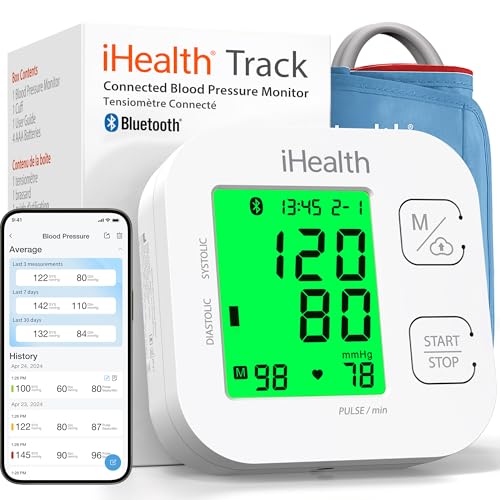
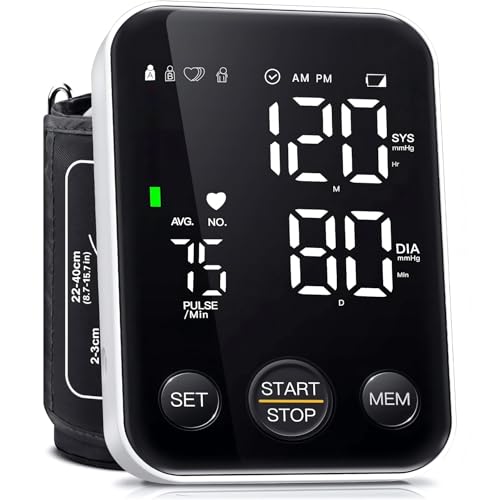
A normal blood pressure reading is below 120/80 mmHg according to the AHA/ACC 2017 guidelines. The top number (systolic) measures pressure when the heart beats, and the bottom number (diastolic) measures pressure between beats. Both numbers must be below the threshold for a normal classification.

  • Normal systolic pressure is below 120 mmHg
  • Normal diastolic pressure is below 80 mmHg
  • Elevated starts at 120–129 systolic with diastolic still under 80
  • Stage 1 hypertension begins at 130/80 mmHg
  • Readings should be taken at rest, sitting, after 5 minutes of quiet
CategorySystolic (mmHg)Diastolic (mmHg)Risk Level
Normal< 120< 80Low
Elevated120–129< 80Moderate
Stage 1 HTN130–13980–89High
Stage 2 HTN≥ 140≥ 90Very High
Crisis> 180> 120Emergency
Q

What is Mean Arterial Pressure (MAP)?

Mean Arterial Pressure (MAP) estimates the average blood pressure in your arteries during one cardiac cycle. It is calculated as DBP + (SBP – DBP) / 3. A normal MAP ranges from 70 to 100 mmHg. MAP below 60 may indicate insufficient organ perfusion, while MAP above 100 suggests increased cardiac workload.

  • Formula: MAP = DBP + (SBP – DBP) / 3
  • Normal range: 70–100 mmHg
  • MAP below 60 mmHg may mean organs are not getting enough blood flow
  • MAP above 100 mmHg increases strain on the heart and blood vessels
  • Clinicians use MAP in critical care to guide treatment
Q

What is pulse pressure and why does it matter?

Pulse pressure is the difference between systolic and diastolic blood pressure (SBP – DBP). A normal pulse pressure is 40–60 mmHg. Wide pulse pressure (above 60 mmHg) may indicate stiff arteries or aortic valve regurgitation, while narrow pulse pressure (below 40 mmHg) can signal reduced cardiac output.

  • Formula: Pulse Pressure = SBP – DBP
  • Normal range: 40–60 mmHg
  • Wide pulse pressure (>60) is common in older adults due to arterial stiffness
  • Narrow pulse pressure (<40) may indicate heart failure or blood loss
  • Pulse pressure above 60 mmHg is an independent risk factor for cardiovascular disease
Pulse PressureClassificationPossible Causes
< 40 mmHgNarrowLow cardiac output, shock, heart failure
40–60 mmHgNormalHealthy cardiovascular function
> 60 mmHgWideArterial stiffness, aortic regurgitation, aging
Q

How should I measure my blood pressure at home?

For accurate home readings, sit quietly for 5 minutes with your back supported, feet flat on the floor, and arm at heart level. Use a validated upper-arm cuff monitor. Take 2–3 readings one minute apart and record the average. Avoid caffeine, exercise, and smoking for 30 minutes before measuring.

  • Use a validated upper-arm cuff (not wrist monitors)
  • Sit quietly for 5 minutes before measuring
  • Keep feet flat, back supported, arm at heart level
  • Take 2–3 readings 1 minute apart and average them
  • Measure at the same time each day (morning and evening)
  • Avoid caffeine, exercise, and tobacco 30 minutes prior
Q

When should I see a doctor about my blood pressure?

See a doctor immediately if your reading exceeds 180/120 mmHg (hypertensive crisis), especially with symptoms like chest pain, vision changes, or shortness of breath. Schedule a visit if readings consistently exceed 130/80 mmHg on multiple occasions, or if elevated readings persist despite lifestyle changes.

  • Emergency: BP above 180/120 mmHg with symptoms — call 911
  • Urgent: BP above 180/120 without symptoms — see a doctor same day
  • Stage 2 (140/90+): Schedule an appointment within a week
  • Stage 1 (130/80+): Discuss at your next checkup or within a month
  • Elevated (120–129/<80): Recheck in 3–6 months, adopt lifestyle changes

Related Calculators

BMI Calculator

Check your body mass index

Resting Heart Rate Calculator

Assess your cardiovascular fitness

Calorie Calculator

Calculate daily calorie needs

TDEE Calculator

Total daily energy expenditure

Heart Rate Recovery Calculator

Calculate your heart rate recovery score after exercise to assess cardiovascular fitness. Compare HRR results by age, gender, and fitness level instantly.

Blood Type Calculator

Predict a child's possible blood type from both parents. See ABO and Rh factor probabilities based on Mendelian genetics with detailed inheritance charts.

Related Resources

Protein Intake Guide: How Much Protein Do You Really Need?

Read our guide

BMI Calculator

Check your body mass index and weight classification

Resting Heart Rate Calculator

Assess your cardiovascular fitness level

TDEE Calculator

Calculate your total daily energy expenditure

More Health Calculators

Track your cardiovascular and overall health metrics

View All Health Calculators

Last Updated: Mar 9, 2026

This calculator is provided for informational and educational purposes only. Results are estimates and should not be considered professional financial, medical, legal, or other advice. Always consult a qualified professional before making important decisions. UseCalcPro is not responsible for any actions taken based on calculator results.

UseCalcPro
FinanceHealthMath

© 2026 UseCalcPro