Protein Intake Guide: How Much Protein Do You Really Need?
If there is one piece of nutrition advice worth acting on, it is this: eat more protein.
Protein is the most underrated tool in weight loss. Raising intake from roughly 50g to 130g per day tends to blunt hunger, preserve lean mass during a calorie deficit, and change body composition rather than simply reducing the number on the scale.
Calculate Your Protein Needs
Use our free protein calculator below to get personalized daily protein recommendations based on your goals and activity level.
The optimal protein intake depends on your goals. For general health, 0.36g per pound of body weight (0.8g/kg) is the minimum. For weight loss while preserving muscle, aim for 0.7-1.0g per pound. For building muscle, 0.8-1.2g per pound is ideal. A 170-pound person losing weight should consume 119-170g of protein daily, while someone focused on muscle gain might target 136-204g.
Tip
Most people don't eat enough protein. Increasing protein intake is often the single most effective dietary change for improving body composition, reducing hunger, and supporting recovery.
Why Protein Matters
Protein is essential for nearly every function in your body:
Key Functions of Protein
| Function | What It Does |
|---|---|
| Muscle building | Repairs and builds muscle tissue after exercise |
| Muscle preservation | Prevents muscle loss during weight loss or aging |
| Satiety | Keeps you feeling full longer than carbs or fat |
| Metabolism | Higher thermic effect (burns calories during digestion) |
| Hormones | Building block for hormones and enzymes |
| Immune function | Antibodies are made of protein |
| Tissue repair | Heals wounds, maintains skin, hair, and nails |
The Thermic Effect of Protein
Protein has the highest thermic effect of any macronutrient:
| Macronutrient | Thermic Effect |
|---|---|
| Protein | 20-30% of calories burned in digestion |
| Carbohydrates | 5-10% |
| Fat | 0-3% |
This means if you eat 100 calories of protein, 20-30 calories are used just to digest it. This adds up over time and is one reason high-protein diets support fat loss.
How Much Protein Do You Need?
Protein needs vary based on your goals, activity level, and body composition.
Protein Recommendations by Goal
| Goal | Protein Target | Example (170 lb person) |
|---|---|---|
| Minimum for health | 0.36g/lb (0.8g/kg) | 61g/day |
| Sedentary adult | 0.5-0.6g/lb | 85-102g/day |
| Weight loss (preserve muscle) | 0.7-1.0g/lb | 119-170g/day |
| Active/recreational exercise | 0.6-0.8g/lb | 102-136g/day |
| Muscle building | 0.8-1.2g/lb | 136-204g/day |
| Athlete/intense training | 1.0-1.4g/lb | 170-238g/day |
Special Populations
Older Adults (50+): Higher protein needs due to anabolic resistance. Aim for 0.5-0.7g/lb minimum, higher if active.
Pregnant/Breastfeeding: Add 25-30g/day above normal needs.
Recovering from injury/surgery: 0.7-1.0g/lb to support tissue repair.
Very lean individuals (bodybuilding): May benefit from 1.2-1.4g/lb during extreme dieting phases.
Important
Calculate protein based on lean body mass or goal weight if significantly overweight. A 300 lb person doesn't need 300g of protein. Use goal weight or estimated lean mass instead.
Protein for Weight Loss
High protein intake is crucial during a calorie deficit. Here's why:
Muscle Preservation
When you lose weight, you lose both fat and muscle. Higher protein intake minimizes muscle loss:
Research comparison (same calorie deficit):
- Low protein (0.5g/lb): Lost 7 lbs fat + 3 lbs muscle
- High protein (1.0g/lb): Lost 9 lbs fat + 1 lb muscle
Preserving muscle means higher metabolism and a better-looking physique at your goal weight.
Satiety and Hunger Control
Protein is the most filling macronutrient. Studies show high-protein diets reduce:
- Hunger by 30-60%
- Cravings and late-night snacking
- Overall calorie intake (even without counting)
Thermic Effect
Remember, 20-30% of protein calories are burned during digestion. On a high-protein diet (150g), you "burn" an extra 120-180 calories daily just from digestion.
For complete weight loss guidance, see: Calorie Deficit Complete Guide
Protein for Muscle Building
Building muscle requires adequate protein plus resistance training and a small calorie surplus.
The Muscle Protein Synthesis Response
When you eat protein, your body activates muscle protein synthesis (MPS) - the process of building new muscle tissue. Key factors:
Protein amount per meal: 20-40g stimulates maximum MPS in most people.
Protein quality: Animal proteins and soy trigger stronger MPS response than most plant proteins (due to amino acid profile and leucine content).
Timing: Distributing protein across meals optimizes MPS throughout the day.
Optimal Protein for Muscle Gain
Research consistently shows 0.8-1.2g per pound of body weight is optimal for muscle building. Higher amounts show no additional benefit:
| Intake | Muscle Gain Response |
|---|---|
| 0.5g/lb | Suboptimal |
| 0.7g/lb | Adequate |
| 0.8-1.0g/lb | Optimal |
| 1.0-1.2g/lb | Optimal (insurance margin) |
| 1.5g+/lb | No additional benefit |
Info
More protein isn't always better. Beyond 1.2g/lb, additional protein doesn't increase muscle growth. It just becomes expensive calories with no added benefit.
Protein Timing: Does It Matter?
Meal Distribution
Research suggests distributing protein across 3-5 meals is more effective than eating it all at once:
Less effective:
- Breakfast: 10g protein
- Lunch: 20g protein
- Dinner: 120g protein
More effective:
- Breakfast: 40g protein
- Lunch: 40g protein
- Snack: 20g protein
- Dinner: 50g protein
The "Anabolic Window" Myth
The idea that you must consume protein within 30 minutes of exercise is overstated. What matters more:
- Total daily protein intake (most important)
- Protein distribution across meals
- Having protein somewhere around workouts (within several hours)
For most people, eating protein within 2-3 hours before or after training is sufficient.
Pre-Sleep Protein
Consuming 30-40g of slow-digesting protein (casein) before bed may enhance overnight muscle recovery. This is especially useful for people training intensely.
Best Protein Sources
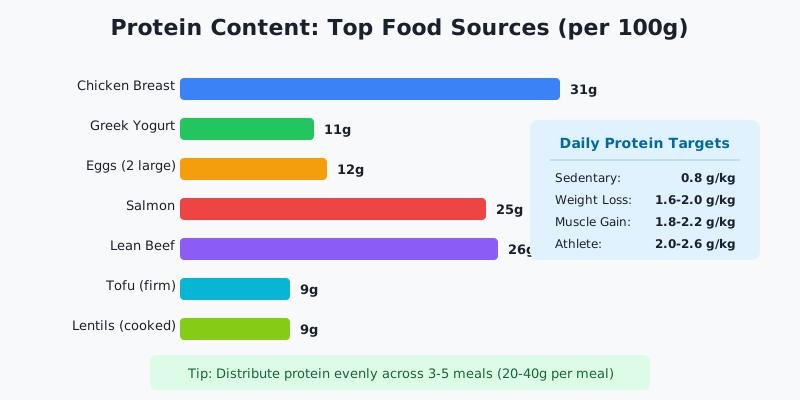
Complete Proteins (All Essential Amino Acids)
| Source | Protein per Serving | Quality Rating |
|---|---|---|
| Chicken breast | 31g per 4 oz | Excellent |
| Eggs | 6g per egg | Excellent |
| Greek yogurt | 17g per 6 oz | Excellent |
| Salmon | 23g per 4 oz | Excellent |
| Lean beef | 26g per 4 oz | Excellent |
| Cottage cheese | 14g per 1/2 cup | Excellent |
| Whey protein | 24g per scoop | Excellent |
| Casein protein | 24g per scoop | Excellent |
Plant-Based Proteins
| Source | Protein per Serving | Notes |
|---|---|---|
| Tofu (firm) | 20g per 1/2 block | Complete protein |
| Tempeh | 21g per 1/2 cup | Complete protein |
| Lentils | 18g per 1 cup cooked | Combine with grains |
| Black beans | 15g per 1 cup cooked | Combine with grains |
| Chickpeas | 15g per 1 cup cooked | Combine with grains |
| Edamame | 18g per 1 cup | Complete protein |
| Pea protein powder | 21g per scoop | Good amino profile |
| Seitan | 25g per 3.5 oz | Low in lysine |
Tip
Combine plant proteins for complete amino acid profiles. Beans + rice, hummus + pita, or lentils + quinoa create complete proteins when eaten together (or even within the same day).
Protein Quality: Leucine Content
Leucine is the amino acid that primarily triggers muscle protein synthesis. Higher leucine = stronger muscle-building signal:
| Source | Leucine per 25g Protein |
|---|---|
| Whey protein | 2.7g |
| Beef | 2.0g |
| Chicken | 1.9g |
| Eggs | 1.9g |
| Fish | 1.8g |
| Soy | 1.6g |
| Beans | 1.3g |
This is why animal proteins and whey are often preferred for muscle building, though plant proteins can work with higher total intake.
How to Hit Your Protein Target
The Math
If you need 150g protein daily:
- 3 meals × 40g = 120g
- 1-2 snacks × 15-30g = 30g
- Total: 150g
Sample Day at 150g Protein
| Meal | Foods | Protein |
|---|---|---|
| Breakfast | 3 eggs + 2 egg whites, Greek yogurt | 35g |
| Lunch | 5 oz chicken breast, salad, quinoa | 40g |
| Snack | Protein shake with milk | 30g |
| Dinner | 6 oz salmon, vegetables, rice | 35g |
| Snack | Cottage cheese with berries | 15g |
| Total | 155g |
Protein-Boosting Strategies
- Start with protein at each meal - ensures you prioritize it
- Use Greek yogurt instead of regular - 2-3x more protein
- Add egg whites to meals - pure protein, minimal calories
- Choose higher-protein snacks - jerky, cottage cheese, protein bars
- Consider a protein supplement - convenient for hitting targets
For complete macro planning, see: Macro Tracking Guide
Protein Supplements: Do You Need Them?
When Supplements Help
- Struggling to hit protein targets with food alone
- Convenience (quick post-workout nutrition)
- Travel or busy schedule
- Very high protein needs (athletes, large individuals)
Types of Protein Powder
| Type | Digestion Speed | Best For |
|---|---|---|
| Whey concentrate | Fast (30-60 min) | Post-workout, general use |
| Whey isolate | Fast | Lactose-sensitive, lower calories |
| Casein | Slow (3-4 hours) | Before bed, meal replacement |
| Egg white | Medium | Dairy-free, high quality |
| Pea protein | Medium | Vegan, hypoallergenic |
| Soy protein | Medium | Vegan, complete amino acids |
Warning
Supplements are not magic. Protein powder is just food in powdered form. It has no special muscle-building properties beyond its protein content. Whole foods are perfectly fine.
Common Protein Myths
Myth 1: "High protein damages kidneys"
Reality: In healthy individuals, high protein intake does not damage kidney function. This concern applies only to people with pre-existing kidney disease. Studies up to 1.5g/lb show no kidney issues in healthy adults.
Myth 2: "You can only absorb 30g protein per meal"
Reality: Your body can absorb and use much more than 30g per meal. The 30g recommendation refers to maximum muscle protein synthesis stimulation, not absorption limits. Extra protein is still used for other functions or energy.
Myth 3: "Plant protein is inferior"
Reality: Plant protein can absolutely support muscle building and health. The key is eating enough total protein and combining sources for complete amino acid profiles. Plant-based athletes succeed with strategic planning.
Myth 4: "Protein makes you bulky"
Reality: Protein alone doesn't build muscle - resistance training does. Without heavy lifting and a calorie surplus, eating more protein won't make you "bulky." It will help you stay lean and preserve muscle.
Myth 5: "Older people need less protein"
Reality: The opposite is true. Older adults often need MORE protein due to anabolic resistance (muscles respond less efficiently to protein). Higher intakes help preserve muscle mass with age.
Signs You Need More Protein
Watch for these indicators of inadequate protein:
- Always hungry between meals
- Losing muscle while dieting
- Slow recovery from workouts
- Weakness or fatigue
- Hair loss or brittle nails
- Getting sick frequently (immune function)
- Wounds healing slowly
- Muscle loss with age (sarcopenia)
Protein and Weight Goals
For Weight Loss
Target: 0.8-1.0g per pound body weight
Strategy:
- Eat protein first at every meal
- Include protein in all snacks
- Use lean sources to save calories (chicken breast, fish, egg whites)
See: Calorie Deficit Complete Guide
For Muscle Gain
Target: 0.8-1.2g per pound body weight
Strategy:
- Distribute protein across 4-5 meals
- Include 20-40g per meal for optimal MPS
- Prioritize leucine-rich sources (dairy, meat, eggs)
For Maintenance
Target: 0.6-0.8g per pound body weight
Strategy:
- Consistent intake across meals
- Variety of protein sources
- Higher on training days if desired
See: Ideal Weight Guide for determining your goal weight
Frequently Asked Questions
Is too much protein bad for you?
For healthy individuals, there's no evidence that high protein intake (up to 1.5g/lb) causes harm. The only concerns are for people with pre-existing kidney disease. However, very high protein often displaces other nutritious foods, so balance matters.
Can I build muscle on a vegan diet?
Yes. Plant-based athletes can build significant muscle with adequate total protein intake (potentially 10-20% higher than omnivores), strategic food combining, and potentially supplementing with pea or soy protein.
Do I need protein immediately after working out?
No. The "anabolic window" is much longer than once believed. Having protein within several hours of training is sufficient. Total daily protein matters more than precise timing.
Is protein powder necessary?
No. Protein powder is simply a convenient protein source. Whole foods work equally well. Use supplements if you struggle to hit protein targets through food alone.
How do I get enough protein while traveling?
Pack protein bars, jerky, or single-serve protein powder packets. At restaurants, order protein-focused dishes (grilled chicken, fish, steak). Greek yogurt and cottage cheese are available at most grocery stores.
Does cooking destroy protein?
No. Cooking denatures protein (changes its structure) but doesn't reduce its nutritional value. The amino acids remain intact and available for your body to use.
Conclusion
Protein is the foundation of any successful nutrition plan. Whether you're losing fat, building muscle, or maintaining your physique, prioritizing protein intake will improve your results.
Use our Protein Intake Calculator to get your personalized daily target, and combine it with our Macro Calculator for a complete nutrition plan.
Start by tracking your current protein intake for a few days. Most people are surprised by how little they actually eat. Then work toward your optimal target by adding protein-rich foods to every meal.
Remember: consistency with adequate protein will always beat perfection with suboptimal intake.
This article is provided for informational and educational purposes only. Content should not be considered professional financial, medical, legal, or other advice. Always consult a qualified professional before making important decisions. UseCalcPro is not responsible for any actions taken based on the information in this article.
Try These Calculators
How much protein do you need per day? Enter your weight, activity level, and goal to get a daily gram target for muscle gain, fat loss, or maintenance.
Work out your daily fat intake in grams. Enter total calories, protein, and carbs to auto-calculate fat, or set a target percentage with saturated fat limits.
Calculate how much water your dog needs daily based on weight, activity level, weather, and diet. Get daily ounces, cups, milliliters, and bowl refills.
Figure out how many carbs you should eat per day. Set your calories, protein, and fat, then auto-calculate remaining carbs or pick a target percentage.
Find out how much water you should drink each day based on your weight, activity level, and climate. See totals in ounces, liters, and cups per hour breakdown.