UseCalcPro
Home
Math
Percentages, fractions, ratios
Finance
Loans, mortgages, investments
Health
BMI, calories, fitness metrics
Construction
Materials for building projects
Auto
Car payments, fuel, insurance
Pets
Pet age, feeding, housing
Garden
Lawn care, irrigation, compost
Crafts
Yarn, fabric, candle making
Food & Brewing
Bread, dough, brewing, recipes
Tools
Age, date, GPA, converters
Blog
  1. Home
  2. Health

Macro Calculator

Personalized macros for your goals

Daily Calories

2691

Protein

202g

Carbs

303g

Fat

75g

Units
ft
in

Daily Calories

2691

Macro Breakdown (grams)

Protein (807 cal)202g
Carbs (1211 cal)303g
Fat (673 cal)75g

Calorie Distribution

30%
45%
25%

202g

Protein

303g

Carbs

75g

Fat

Frequently Asked Questions

Q

What are macronutrients and why do they matter?

Macronutrients (macros) are the three nutrients your body needs in large amounts: protein (builds muscle), carbohydrates (provides energy), and fat (supports hormones). Each provides calories: protein 4 cal/g, carbs 4 cal/g, fat 9 cal/g. Balancing macros optimizes body composition and performance.

  • All three macros are essential - don't eliminate any
  • Protein: Builds and repairs muscle tissue
  • Carbs: Primary fuel for brain and high-intensity exercise
  • Fat: Essential for hormone production and vitamin absorption
MacroCalories/GramPrimary FunctionFood Sources
Protein4 cal/gMuscle building/repairMeat, fish, eggs, legumes
Carbohydrates4 cal/gEnergy (especially brain/muscles)Grains, fruits, vegetables
Fat9 cal/gHormones, nutrient absorptionOils, nuts, avocado, fatty fish

Tracking macros allows you to optimize nutrition for your specific goals. Someone building muscle prioritizes protein. Endurance athletes need more carbs. The right balance varies by goal, activity level, and individual response.

Q

How much protein do I need daily?

Protein needs depend on goals: Sedentary adults 0.4g/lb, active people 0.6-0.8g/lb, muscle building 0.7-1g/lb body weight. A 180 lb person building muscle needs 126-180g protein daily. More isn't always better - excess protein doesn't build extra muscle.

  • Spread protein across 3-5 meals (25-40g per meal)
  • Research shows 0.7g/lb is sufficient for most muscle building
  • 1g/lb provides margin of safety with no downside
  • Higher protein helps preserve muscle during weight loss
  • Quality matters: complete proteins (meat, eggs, dairy) are optimal
GoalProtein (per lb body weight)Example (180 lbs)Notes
Sedentary0.4g/lb72gMinimum recommendation
Weight loss0.7-1g/lb126-180gPreserves muscle
Muscle gain0.7-1g/lb126-180gSupports growth
Athletes0.8-1.2g/lb144-216gHigher training volume
Q

What is the best macro ratio for weight loss?

For weight loss, prioritize protein: 30-40% protein, 25-35% carbs, 25-35% fat. Higher protein preserves muscle during calorie deficit. Example: On 1,800 calories: 135-180g protein (540-720 cal), 112-157g carbs (450-630 cal), 50-70g fat (450-630 cal).

  • Total calories matter most - macros optimize results
  • Higher protein increases satiety (feel fuller longer)
  • Don't go below 0.4g/lb carbs (affects performance/mood)
  • Fat shouldn't go below 0.3g/lb (hormone health)
  • Adjust based on how you feel and perform
Macro SplitBest ForExample (2,000 cal)Notes
40/30/30 (P/C/F)Weight loss, muscle preservation200g P / 150g C / 67g FHigh protein
30/40/30Active people, moderate deficit150g P / 200g C / 67g FBalanced
30/25/45Low-carb/keto approach150g P / 125g C / 100g FCarb restricted
Q

What is the best macro ratio for muscle gain?

For muscle gain: 25-35% protein (0.7-1g/lb), 40-50% carbs, 20-30% fat. Higher carbs fuel intense training and aid recovery. Example: On 3,000 calories: 188-263g protein, 300-375g carbs, 67-100g fat. Caloric surplus of 200-500 calories required.

  • Protein: 0.7-1g per pound body weight
  • Carbs: Fuel for heavy training (don't go low-carb while bulking)
  • Eat carbs around workouts for best performance
  • Fat: Minimum 0.3g/lb for hormone health
  • Calorie surplus matters - can't build muscle in deficit
Macro SplitCaloriesProteinCarbsFat
30/45/25 (Bulk)3,000 cal225g338g83g
30/40/30 (Lean)2,800 cal210g280g93g
35/40/25 (High P)3,000 cal263g300g83g
Q

What is IIFYM (If It Fits Your Macros)?

IIFYM is a flexible dieting approach where you can eat any foods as long as you hit your macro targets. No foods are "banned" - eat pizza if it fits your macros. Focus on hitting protein target, then distribute remaining calories between carbs and fat based on preference.

  • 80/20 rule: 80% whole foods, 20% whatever you want
  • Hit protein target first (most important macro)
  • Fill remaining calories with carbs/fat as you prefer
  • Micronutrients still matter - eat fruits and vegetables
  • More sustainable than strict "clean eating" for many people

IIFYM works because weight loss/gain depends on calories and macros, not specific foods. You can lose weight eating pizza if you're in a calorie deficit. However, whole foods are more filling and nutritious, so most of your diet should still be nutrient-dense foods. IIFYM provides flexibility for social eating and cravings.

Q

How do I track my macros?

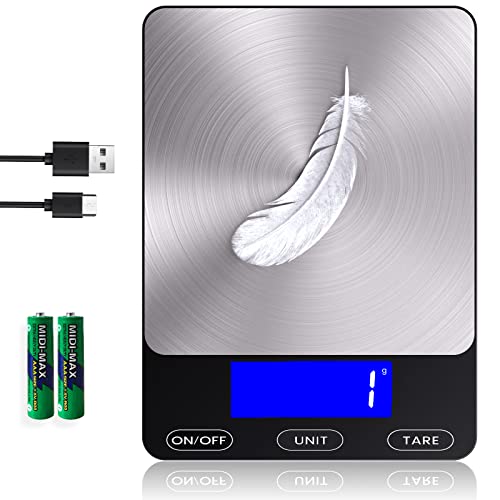
Use apps like MyFitnessPal, Cronometer, or MacroFactor. Weigh food with a kitchen scale (most accurate), scan barcodes, or search databases. Track consistently for 2-4 weeks to build habits. Focus on protein first - it's the most important macro to hit.

  • Kitchen scale: Most accurate method for portions
  • MyFitnessPal: Most popular app, huge food database
  • Cronometer: Best for micronutrient tracking
  • MacroFactor: Smart algorithm adjusts calories based on progress
  • Start simple: Just track protein for first week
  • Meal prep: Same meals = easier tracking
AppCostBest FeatureDownside
MyFitnessPalFree/$80/yrHuge food databaseSome inaccurate entries
CronometerFree/$50/yrAccurate + micronutrientsSmaller database
MacroFactor$72/yrSmart calorie adjustmentsPaid only

Example Calculations

1Male, 30, 77 kg, 178 cm, Moderate, Maintain

Inputs

GenderMale
Age30
Weight77 kg
Height178 cm
ActivityModerate (1.55)
GoalMaintain

Result

Daily Calories2,693
Protein (30%)202g
Carbs (45%)303g
Fat (25%)75g

BMR = 10 × 77 + 6.25 × 178 - 5 × 30 + 5 = 770 + 1,112.5 - 150 + 5 = 1,737.5. TDEE = 1,737.5 × 1.55 = 2,693.1, rounded to 2,693. Maintain = no goal modifier. Protein = 2,693 × 0.30 / 4 = 202g. Carbs = 2,693 × 0.45 / 4 = 303g. Fat = 2,693 × 0.25 / 9 = 75g.

2Female, 28, 65 kg, 168 cm, Light Activity, Lose Weight

Inputs

GenderFemale
Age28
Weight65 kg
Height168 cm
ActivityLight (1.375)
GoalLose Weight

Result

Daily Calories1,539
Protein (35%)135g
Carbs (35%)135g
Fat (30%)51g

BMR = 10 × 65 + 6.25 × 168 - 5 × 28 - 161 = 650 + 1,050 - 140 - 161 = 1,399. TDEE = 1,399 × 1.375 = 1,923.6. Goal modifier (lose) = 0.80: 1,923.6 × 0.8 = 1,538.9, rounded to 1,539. Protein = 1,539 × 0.35 / 4 = 135g. Carbs = 1,539 × 0.35 / 4 = 135g. Fat = 1,539 × 0.30 / 9 = 51g.

Formulas Used

Mifflin-St Jeor BMR

Men: BMR = 10 × weight(kg) + 6.25 × height(cm) - 5 × age + 5 Women: BMR = 10 × weight(kg) + 6.25 × height(cm) - 5 × age - 161

Calculates Basal Metabolic Rate used as the basis for macro calculation.

Where:

weight(kg)= Body weight in kilograms
height(cm)= Height in centimeters
age= Age in years

Macro Calculation

Calories = BMR × Activity × Goal Modifier Protein(g) = Calories × protein% / 4 Carbs(g) = Calories × carb% / 4 Fat(g) = Calories × fat% / 9

Goal modifiers: Lose = 0.80 (20% deficit), Maintain = 1.0, Gain = 1.15 (15% surplus). Macro ratios vary by goal: Lose (35/35/30 P/C/F), Maintain (30/45/25), Gain (25/50/25).

Where:

Activity= Sedentary 1.2, Light 1.375, Moderate 1.55, Active 1.725, Very Active 1.9
Goal Modifier= 0.80 for weight loss, 1.0 for maintenance, 1.15 for muscle gain

Understanding Macronutrients: Your Complete Guide

Tracking macros helps ensure you get the right balance of nutrients to support your fitness and health goals. Unlike simple calorie counting, macro tracking optimizes your nutrition for body composition - helping you lose fat while preserving muscle, or gain muscle with minimal fat.

Protein drives muscle repair and growth - aim for 0.7-1g per pound of body weight if you're active. Carbohydrates provide energy for workouts and daily activities. Fats support hormone production and nutrient absorption - don't go too low.

The optimal macro ratio depends on your goals, activity level, and individual preferences. There's no one "perfect" ratio - focus on hitting your protein target, then distribute remaining calories between carbs and fat based on what keeps you satisfied and performing well.

Related Resources

  • BMI Calculator

    Calculate your body mass index

  • Calorie Calculator

    Find your daily calorie needs

  • TDEE Calculator

    Calculate total daily energy expenditure

Related Calculators

Calorie Calculator

Calculate daily calorie needs

TDEE Calculator

Total daily energy expenditure

Protein Calculator

Daily protein needs

BMR Calculator

Basal metabolic rate

Body Fat Calculator

Body composition

Ideal Weight

Target weight range

More Health Calculators

Track your nutrition and fitness

View All Health

Last Updated: Feb 12, 2026

This calculator is provided for informational and educational purposes only. Results are estimates and should not be considered professional financial, medical, legal, or other advice. Always consult a qualified professional before making important decisions. UseCalcPro is not responsible for any actions taken based on calculator results.

UseCalcPro
FinanceHealthMath

© 2026 UseCalcPro