
UseCalcPro
Home
Math
Percentages, fractions, ratios
Finance
Loans, mortgages, investments
Health
BMI, calories, fitness metrics
Construction
Materials for building projects
Auto
Car payments, fuel, insurance
Pets
Pet age, feeding, housing
Garden
Lawn care, irrigation, compost
Crafts
Yarn, fabric, candle making
Food & Brewing
Bread, dough, brewing, recipes
Tools
Age, date, GPA, converters
Blog
  1. Home
  2. Health

Protein Intake Calculator

Calculate your optimal daily protein intake

Units

Daily Protein

84g

Per Meal

28g

Per kg

1.2g

Goal

Maintain

Daily Protein Intake

84

grams per day

Per Meal (3 meals)

28g

Per kg

1.2g

Per lb

0.5g

Total (kg)

0.08kg

Protein by Goal

Fat Loss92g/day
Maintenance84g/day
Muscle Gain101g/day

Frequently Asked Questions

Q

How much protein do I need per day?

Protein needs depend on weight and activity: Sedentary: 0.8g/kg (0.36g/lb). Active: 1.2-1.6g/kg (0.55-0.73g/lb). Muscle gain: 1.6-2.2g/kg (0.73-1g/lb). Example: 180 lb active person needs 100-130g protein daily.

  • Sedentary: 0.8g/kg is RDA minimum, not optimal
  • Research shows 1.6g/kg is where benefits plateau
  • Weight loss: High protein preserves muscle in deficit
  • Over 2.2g/kg: No additional benefit for most people
Goal/Activityg per kgg per lb150 lb Person180 lb Person
Sedentary (minimum)0.8g0.36g54g65g
Moderately active1.2g0.55g82g99g
Active/athletic1.6g0.73g109g131g
Muscle building2.0g0.91g136g164g
Weight loss1.6-2.2g0.73-1g109-150g131-180g
Q

How much protein do I need to build muscle?

For muscle building, research supports 1.6-2.2g per kg body weight (0.73-1g per lb). A 180 lb person needs 130-180g protein daily. More than 2.2g/kg shows no additional muscle-building benefit in studies.

  • Optimal range: 1.6-2.2g per kg body weight
  • Research sweet spot: ~1.6g/kg (0.73g/lb)
  • Higher end (2.2g/kg) provides margin of error
  • Combine with resistance training 3-5x/week
  • Calorie surplus required (+300-500 cal/day)
  • Spread across 4-5 meals (30-40g per meal)
Body WeightMinimum (1.6g/kg)Maximum (2.2g/kg)Practical Target
140 lbs (64 kg)102g140g120g
160 lbs (73 kg)117g160g140g
180 lbs (82 kg)131g180g155g
200 lbs (91 kg)145g200g175g
Q

How much protein per meal for muscle building?

Aim for 25-40g protein per meal, distributed across 4-5 meals daily. This maximizes muscle protein synthesis (MPS). More than 40g in a single meal doesn't increase MPS but is still used by body. Don't skip breakfast protein.

  • Optimal per-meal: 25-40g protein
  • MPS is triggered at ~20-25g, maximized at ~40g
  • 4-5 meals at 30-40g = 120-200g daily
  • Post-workout: Protein within 2 hours (timing less critical than once thought)
  • Before bed: Casein or protein-rich snack aids overnight recovery
MealProtein TargetFood ExampleProtein Amount
Breakfast30g3 eggs + Greek yogurt~30g
Lunch35g6 oz chicken breast + beans~45g
Post-workout30gWhey shake25-30g
Dinner40g6 oz salmon + quinoa~45g
Evening snack20gCottage cheese~25g
Q

Is eating too much protein bad for kidneys?

For healthy individuals, high protein (up to 2-2.5g/kg) shows no kidney damage in research. However, those with existing kidney disease should limit protein. Stay hydrated, as protein metabolism requires water.

  • Healthy kidneys: Up to 2.5g/kg is safe
  • Existing kidney disease: Consult doctor, may need to limit protein
  • Hydration: Drink more water with high protein intake
  • Long-term studies: No negative effects in healthy people
  • Myth: "High protein damages kidneys" - not supported by research

The kidney concern comes from protein's nitrogen byproducts that kidneys must filter. Healthy kidneys handle this easily. The myth persists because people with kidney disease must limit protein - but the disease comes first, not from protein intake.

Q

What are the best sources of protein?

Best protein sources: Chicken breast (31g/100g), Greek yogurt (10g/100g), eggs (6g each), fish (20-25g/100g), lean beef (26g/100g), cottage cheese (11g/100g). Plant sources: tofu, tempeh, legumes, edamame.

  • Complete proteins: Contain all 9 essential amino acids
  • Animal sources: All complete proteins
  • Plant sources: Combine (beans+rice, hummus+pita) for complete protein
  • Soy, quinoa, buckwheat: Complete plant proteins
FoodServing SizeProteinComplete Protein?
Chicken breast4 oz (113g)35gYes
Greek yogurt1 cup17-20gYes
Eggs2 large12gYes
Salmon4 oz25gYes
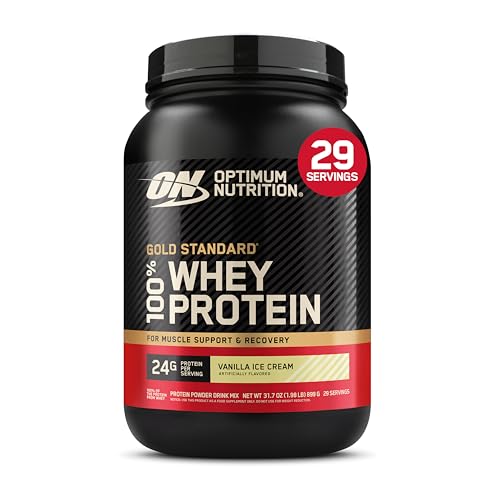
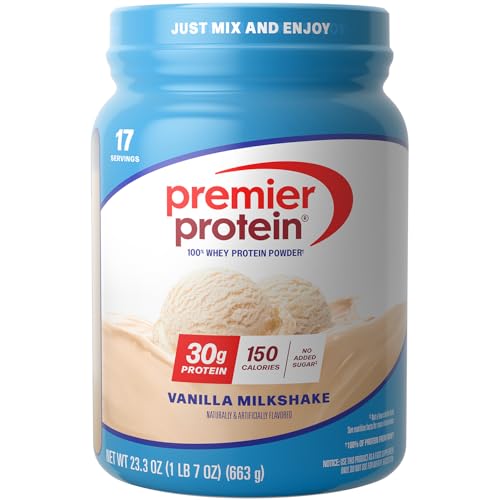
Whey protein1 scoop25gYes
Tofu1/2 block20gYes
Black beans1 cup15gNo (combine with rice)
Lentils1 cup18gNo
Q

Do I need protein powder supplements?

Protein powder is convenient but not necessary if you can meet needs through food. It's useful when: Traveling, post-workout convenience, hitting high protein targets (150g+), plant-based diet, or time-constrained. Whole foods are preferred.

  • Supplements are convenience, not magic
  • Whole foods provide additional nutrients
  • Whey: Fast-digesting, ideal post-workout
  • Casein: Slow-digesting, good before bed
  • Plant proteins: Pea, hemp, soy, rice blends
  • Check protein/calorie ratio: Should be efficient
Protein TypeDigestion SpeedBest ForCost/Serving
Whey ConcentrateFastPost-workout$0.50-1.00
Whey IsolateFastLactose-intolerant$0.75-1.50
CaseinSlow (7+ hours)Before bed$0.75-1.25
Pea ProteinMediumVegan, allergies$0.50-1.00

Example Calculations

170 kg Person, Moderate Activity, Maintenance

Inputs

Weight70 kg
Activity LevelModerate (3-5 days/week)
GoalMaintenance

Result

Daily Protein84g per day
Per Meal (3 meals)28g
Per kg1.2g
Per lb0.5g

Base protein = 70 kg x 1.2 (moderate) = 84g. Goal multiplier = 1.0 (maintenance). Daily protein = 84 x 1.0 = 84g. Per meal = 84 / 3 = 28g.

285 kg Person, Active, Muscle Gain

Inputs

Weight85 kg
Activity LevelActive (6-7 days/week)
GoalMuscle Gain

Result

Daily Protein143g per day
Per Meal (3 meals)48g
Per kg1.7g
Per lb0.8g

Base protein = 85 kg x 1.4 (active) = 119g. Goal multiplier = 1.2 (muscle gain). Daily protein = 119 x 1.2 = 142.8g, rounded to 143g. Per meal = 143 / 3 = 48g.

Formulas Used

Daily Protein Intake

Daily Protein = Weight (kg) x Activity Multiplier x Goal Multiplier

Calculates daily protein needs based on body weight in kg, activity level, and fitness goal.

Where:

Weight (kg)= Body weight in kilograms
Activity Multiplier= 0.8 (sedentary), 1.0 (light), 1.2 (moderate), 1.4 (active), 1.6 (very active)
Goal Multiplier= 1.0 (maintenance), 1.2 (muscle gain), 1.1 (fat loss)

Per-Meal Protein

Per Meal = Daily Protein / 3

Divides the daily protein target evenly across 3 meals.

Where:

Daily Protein= Total daily protein in grams

Understanding Protein Intake

Protein supports muscle repair, growth, and overall health. Daily needs depend on body weight, activity level, and fitness goals.

Active individuals and athletes need more protein than sedentary people. Muscle gain requires higher protein intake than maintenance.

Distribute protein intake across meals throughout the day for optimal muscle protein synthesis and satiety.

Related Resources

  • BMI Calculator

    Calculate your body mass index

  • Calorie Calculator

    Find your daily calorie needs

  • TDEE Calculator

    Calculate total daily energy expenditure

Related Calculators

Macro Calculator

Calculate macros

Calorie Calculator

Calculate daily calories

More Health Calculators

Track your nutrition

View All

Last Updated: Feb 12, 2026

This calculator is provided for informational and educational purposes only. Results are estimates and should not be considered professional financial, medical, legal, or other advice. Always consult a qualified professional before making important decisions. UseCalcPro is not responsible for any actions taken based on calculator results.

UseCalcPro
FinanceHealthMath

© 2026 UseCalcPro