1. Calculate
Choose your project scope and see the estimated price range.
Price a 2026 residential dog training school or board-and-train program by type, duration, and ZIP — then compare 3 certified school quotes without calling every kennel near you.
Instant project estimate
The estimate is free. Additional details are optional.
Complete the project details and calculate to see a price range and next steps.
Clear next step
Choose your project scope and see the estimated price range.
Understand the cost drivers and what impacts your final quote.
Carry your scope into a local quote request if you choose.


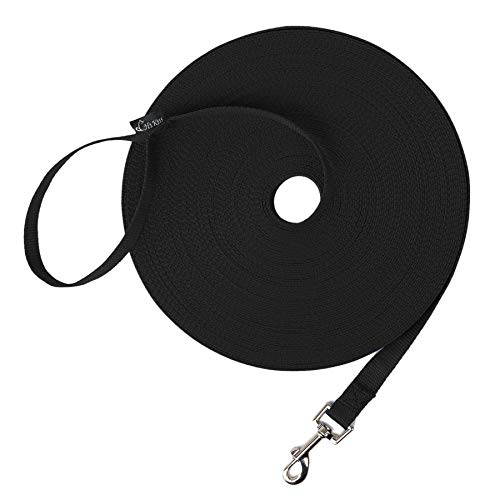
As an Amazon Associate, we earn from qualifying purchases.
Price as of Sep 15, 2026. Product prices and availability are accurate as of the date indicated and are subject to change. Any price and availability information displayed on Amazon at the time of purchase will apply.
A 2-week board-and-train residential program averages $1,500–$3,500 for basic obedience and $3,500–$8,000 for behavior modification. Day school (daily drop-off) runs $600–$2,500 per month. In-kennel obedience 2–4 weeks costs $1,500–$4,000. Virtual school programs with coached homework run $300–$900 for the full program.
| Program Type | Typical Cost | Duration |
|---|---|---|
| Board-and-train (basic) | $1,500–$3,500 | 2 weeks |
| Board-and-train (behavior mod) | $3,500–$8,000 | 2–4 weeks |
| Day school (daily drop-off) | $600–$2,500/mo | Ongoing monthly |
| In-kennel obedience | $1,500–$4,000 | 2–4 weeks |
| Virtual school + homework | $300–$900 | 6–8 weeks |
| Advanced / protection sport | $6,000–$12,000 | 4–6 weeks |
Board-and-train is worth the cost for owners with limited training time, dogs with ingrained behavioral issues, or situations where daily consistency over a compressed period is the binding constraint. A 2-week $2,500 board-and-train compresses 60+ training sessions into 14 days, producing results that would take 12–18 months of weekly classes. However, the owner-transfer sessions — at least 2–3 with you present — are non-negotiable: without them, the trained behaviors evaporate within 3–4 weeks of the dog returning home because the cues and reinforcement history are tied to the trainer, not you.
Day school (also called day training) is a structured drop-off program where the dog attends a training facility 3–5 days per week for 4–8 hours per day, returning home each evening. It costs $50–$150 per day or $600–$2,500 per month. Day school is the middle tier between board-and-train (highest intensity, overnight) and weekly group classes (lowest intensity, cheapest). It works best for dogs with separation anxiety that worsens in overnight kennel settings, or for owners who want daily progress updates.
Behavior modification programs for aggression, severe anxiety, or reactivity cost 1.8–2.5x more than basic obedience at the same facility. A basic 2-week board-and-train at $2,000–$3,500 becomes $3,500–$8,000 for a behavior modification program of the same duration because the protocols require certified behavior consultants (CBCC-KA), 1:1 trainer-to-dog ratios (versus 1:3 for obedience), documented behavioral assessments, veterinary coordination for medication cases, and extended follow-up. For severe aggression, a DACVB consult at $500–$1,000 is typically required before any boarding program begins.
Look for CPDT-KA (Certified Professional Dog Trainer — Knowledge Assessed), KPA-CTP (Karen Pryor Academy Certified Training Partner), or CBCC-KA (Certified Behavior Consultant Canine) on the facility’s lead trainers. AKC CGC Evaluator on staff indicates the program produces measurable obedience outcomes. For behavior modification programs, require at least one CBCC-KA or CDBC credential. Verify all credentials at ccpdt.org before paying a deposit. Avoid facilities that use shock or prong collars in standard programs.
| Credential | Best For | Verify At |
|---|---|---|
| CPDT-KA | Basic + intermediate obedience | ccpdt.org |
| KPA-CTP | Force-free methodology | karenpryoracademy.com |
| CBCC-KA | Behavior modification / reactivity | ccpdt.org |
| DACVB | Severe aggression / anxiety | dacvb.org |
Yes, but less than program type or training level. Large dogs (60–90 lbs) and extra-large dogs (90+ lbs) carry a 10–20% surcharge for kennel space and trainer handling effort. A 2-week basic board-and-train at $2,200 for a medium dog runs $2,400–$2,600 for an 80-pound Lab and $2,600–$2,900 for a 100-pound dog. For behavior modification with aggression, the size premium increases to 20–30% because large-dog aggression cases require more experienced trainers, safety equipment, and controlled-environment management.
Inputs
Result
Inputs
Result
LA metro adds a 35–45% premium to national day-school rates. A reactive large dog in a behavior-modification day-school program in Southern California typically costs $90–$140 per day versus $50–$80 nationally. Behavior modification designation adds approximately 30–40% over basic-obedience pricing at the same facility.
Inputs
Result
Program cost = Base rate × Duration multiplier × Level multiplier × Size factor × Regional multiplierBase rate by type: board-and-train $1,500–$3,500 (2 wk basic); day school $600–$2,500/mo; in-kennel $1,500–$4,000 (2–4 wk); virtual $300–$900. Duration multiplier: 2 weeks = 1.0x; 3–4 weeks = 1.5–1.8x; 6+ weeks = 2.5–3.5x. Training level multiplier: basic 1.0x; intermediate 1.3–1.6x; behavior modification 1.8–2.5x; advanced/protection 2.0–4.0x. Size factor: small/medium 1.0x; large +10–15%; XL +15–20%. Regional multiplier: national 1.0x; major metro +30–50%; rural Midwest −15–25%.
Where:
Base rate= Program type baseline: B&T $1,500–$3,500; day school $600–$2,500/mo; virtual $300–$900Duration multiplier= 2 weeks = 1.0x; 3–4 weeks = 1.5–1.8x; 6+ weeks = 2.5–3.5xLevel multiplier= Basic 1.0x; intermediate 1.3–1.6x; behavior mod 1.8–2.5x; advanced/protection 2.0–4.0xRegional multiplier= Major metro +30–50%; rural Midwest −15–25%; national baseline 1.0xDog training schools — residential board-and-train programs, day school drop-off programs, and in-kennel obedience courses — represent an entirely different price tier from weekly group classes or hourly private sessions. A 2-week board-and-train for basic obedience runs $1,500–$3,500 nationally in 2026, while a behavior modification program of the same 2-week duration costs $3,500–$8,000. Day school (daily drop-off, no overnight) runs $50–$150 per day or $600–$2,500 per month depending on training intensity and region. These prices reflect a market that has risen 18–25% since 2022 driven by trainer wages, commercial kennel real-estate costs, and liability insurance increases for facilities that board dogs. Use the calculator above to price your specific combination of program type, duration, and ZIP code, then read the format comparison, behavior-modification cost breakdown, and credential checklist below before paying a deposit.
The economics of dog training school programs are driven by five variables in descending order of impact: (1) program type — whether it is residential board-and-train (most expensive, lodging bundled), day school (mid-tier, daily drop-off), or virtual with coached homework (lowest cost); (2) training level — basic obedience is the 1.0x baseline while behavior modification adds 1.8–2.5x and advanced/protection sport adds 2.0–4.0x to the same base; (3) program duration — 2 weeks for foundation, 3–4 weeks for intermediate, 6+ weeks for serious behavioral cases; (4) region — major-metro markets run 30–50% above national averages because of commercial kennel real estate and trainer cost of living; and (5) dog size — large and extra-large dogs carry a 10–20% surcharge for kennel space and trainer handling demands. Understanding these five levers lets you assess whether a quote you receive is realistic, suspiciously low (often a red flag for suppression-based methodology), or legitimately premium.
Dog training schools are a distinct market from the weekly group class and private trainer markets. If your primary interest is drop-in group classes or single-session private training rather than multi-week immersion, the dog training class cost calculator prices individual class sessions and the dog training classes cost near me calculator covers local group class series costs by format and location. This guide focuses exclusively on multi-week intensive programs where the dog spends 2–6 weeks receiving 3–8 hours of structured daily work at a training facility — the compressed-intensity model that justifies the $1,500–$8,000 price range and demands careful selection of facility methodology and credential.
Board-and-train is the most intensive and most expensive dog training school format. The dog lives at the training facility for 2–6 weeks and works with professional trainers 3–8 hours per day in structured sessions. The all-in price of $1,500–$5,000 for a 2-week basic program bundles lodging, feeding, veterinary-access protocols, and training itself. The lodging component alone, at commercial kennel day-rates of $40–$80 per night, represents $560–$1,120 of the total for a 14-night stay. That means the actual training premium over a standard boarding stay is $900–$3,880 for a 2-week program. When comparing quotes, this training premium is what you are evaluating: is the facility delivering enough structured training hours per day — and with the methodology quality — to justify its markup above a basic boarding stay?
Day school (also called day training or doggy school) is the middle-tier format. The dog is dropped off at the training facility 3–5 days per week for 4–8 hours, works with trainers during the day, and returns home each evening. At $50–$150 per day or $600–$2,500 per month, day school is generally 30–50% less expensive than board-and-train for equivalent training hours because the owner absorbs the overnight kennel cost. Day school excels for dogs with separation anxiety that worsens in overnight kennel environments, for owners who want daily progress updates, and for dogs that need to generalize new behaviors between sessions at home. A 4-week day school program at $1,500–$3,000 typically produces results comparable to a 2–3-week board-and-train for basic obedience, making it the better value for training objectives that do not require continuous immersion.
In-kennel obedience programs occupy a specific niche: extended boarding facilities (kennels, pet resorts) that add structured group obedience training to their standard kennel services. A 2–4-week in-kennel obedience program costs $1,500–$4,000 and works well for dogs that need obedience fundamentals in a controlled kennel environment but do not have the specific behavioral issues (aggression, reactivity, severe anxiety) that require a specialized behavior modification school. Training intensity is typically lower than dedicated board-and-train facilities — 1–3 hours of structured work per day versus 3–8 hours at a specialist school — which explains why in-kennel pricing runs 15–25% lower for equivalent duration. For adult dogs needing weekly reinforcement after returning from a school program, the dog training service cost calculator prices private trainer follow-up sessions and group class series that maintain school-learned behaviors.
| Format | Typical 2-Week Cost | Best Use Case | Owner Involvement |
|---|---|---|---|
| Board-and-train (residential) | $1,500–$5,000 | Ingrained issues, off-leash foundation | 2–3 transfer sessions |
| Day school (4 weeks) | $1,500–$3,000 | Separation anxiety, daily progress updates | Daily homework each evening |
| In-kennel obedience | $1,500–$4,000 | Obedience basics in structured kennel context | 1–2 transfer sessions |
| Virtual school + homework | $300–$900 (6–8 wk) | Motivated owners, foundational skills | Owner executes all daily sessions |
The owner-transfer sessions are the most consequential part of any board-and-train or day school program. A facility that does not include at least 2 in-person owner-transfer sessions in the program fee is delivering a trained dog that may not respond to its owner. Require written confirmation of transfer session count and structure before signing any contract or paying a deposit.
Training level is the single largest driver of price variance within any given program type. Basic obedience — sit, stay, recall, heel, door manners, place command — is the 1.0x baseline because it requires standard positive-reinforcement protocols that any CPDT-KA trainer can execute with predictable results across most dogs. Intermediate training (reliable off-leash recall at distance, distraction proofing in public environments, advanced heel, impulse control around other dogs and bicycles) costs 1.3–1.6x more because it requires extended proofing sessions in novel environments, higher trainer expertise, and longer program duration to achieve reliability under real-world conditions. Behavior modification for aggression, severe leash reactivity, resource guarding, or separation anxiety costs 1.8–2.5x more because it requires CBCC-KA credentialed staff, 1:1 trainer-to-dog ratios rather than the 1:3 ratio typical for obedience, formal behavioral assessments with documentation, veterinary coordination when medication is involved, and extended post-program follow-up protocols. Advanced and protection sport programs cost 2.0–4.0x the basic obedience baseline.
Regional location is the second largest cost driver and the most actionable for budget-conscious owners. Major-metro markets — New York City, San Francisco, Los Angeles, Boston, Washington DC, Seattle, Miami — run 30–50% above national averages for equivalent programs because commercial kennel real estate, trainer wages, and liability insurance are all indexed to local cost of living. A 2-week board-and-train that costs $2,200 in rural Ohio lists at $3,200–$3,600 in the greater Boston area for the same trainer credentials, program design, and training hours. The South and rural Midwest tend to run 15–25% below national averages. Two strategies reduce metro-pricing exposure without sacrificing quality: (1) drive 45–60 minutes to a suburban training school for the residential program, where the same credential profile costs $400–$900 less than the urban-core equivalent; (2) combine a suburban board-and-train with 2–3 in-home private sessions from a metro private trainer for post-school reinforcement in your actual home environment — this hybrid typically saves $500–$1,500 compared to booking an all-metro program.
Program duration multiplies base cost at approximately 1.5–1.8x for 3–4-week programs and 2.5–3.5x for 6+ week programs relative to the 2-week baseline — not at a simple 2x or 3x multiple because facilities discount extended stays to maintain occupancy. Dog size adds a secondary 10–20% premium for large (60–90 lb) and extra-large (90+ lb) dogs, driven by kennel space requirements and trainer physical-handling demands rather than training complexity. Facility credentials are the fifth driver: CPDT-KA, KPA-CTP, or AKC-certified schools charge 15–30% above uncertified facilities for equivalent program descriptions, reflecting the real difference in trainer education, methodology rigor, and insurance requirements. For puppy owners evaluating whether a school program is appropriate before their dog reaches adulthood, the puppy training service cost calculator covers puppy-specific kindergarten and puppy board-and-train pricing with age-specific guidance on program appropriateness.
Behavior modification dog training programs address issues that standard obedience school programs cannot: leash reactivity, dog-on-dog aggression, human-directed aggression, severe separation anxiety, fear-based avoidance, and resource guarding. These programs cost $3,500–$8,000 for a 2–4-week board-and-train or $1,800–$2,800 per month for day school because the protocols require certified behavior consultants (CBCC-KA), controlled behavioral exposure exercises using structured desensitization and counter-conditioning techniques, 1:1 trainer-to-dog ratios, and often veterinary coordination for medication-assisted cases. A dog with leash reactivity that goes unaddressed for 12 months typically requires 8–12 weeks of remediation at $4,000–$8,000 total; the same dog addressed at 6 months with early emerging reactivity typically needs only a 2-week program at $2,500–$4,000. Behavioral issues compound over time, making early intervention the highest-value investment in the behavior modification category.
Severe aggression cases require a veterinary behaviorist (Diplomate of the American College of Veterinary Behaviorists, DACVB) assessment before any boarding program begins. DACVB consultations run $500–$1,000 per appointment and are offered by board-certified specialists at veterinary schools and specialist practices. The DACVB will assess the aggression trigger profile, recommend a medication protocol if indicated (fluoxetine, clomipramine, trazodone, or situational anxiolytics are common), and provide a written behavior modification plan that the training school uses as its protocol. Facilities that accept severe-aggression cases without requiring DACVB or CBCC-KA assessment are accepting liability and are more likely using suppression-based methods that reduce visible aggression signals without addressing the underlying emotional state — the most dangerous outcome because the dog stops warning before biting. Require a written intake assessment protocol before paying a deposit for any aggression case.
The cost-benefit case for behavior modification programs is strongest when the alternative is owner surrender or euthanasia, when the dog is under 3 years old and the issue has not calcified into a long-term learned pattern, or when the behavior severely limits daily life (inability to walk the dog safely, visitor bans, exclusion from boarding or grooming facilities). The cost-benefit case is weakest when the dog is 8+ years old with a 5-year reactivity history, when the owner cannot commit to the 6–12-month post-program maintenance protocol that behavior modification requires, or when the trigger profile is so broad that management is more realistic than elimination. The $4,000–$8,000 program fee is the beginning of the investment, not the end: budget 6–12 private follow-up sessions at $100–$200 each ($600–$2,400), plus ongoing medication costs at $20–$80 per month, as part of the total 12-month commitment.
Dog training is unregulated in all 50 US states. Any person can open a dog training school or offer board-and-train programs without a credential, a certification, or a license. This creates enormous quality variance at similar price points: a $3,000 board-and-train from an uncertified trainer using suppression tools can produce the same surface-level obedience results in 2 weeks as a $3,000 program from a KPA-CTP-certified force-free school, but the dogs’ underlying emotional states are entirely different — one is compliant because it is afraid, the other is compliant because it has been reinforced for making good choices. For owners seeking a long-term behavioral foundation, the methodology distinction matters more than the price, and credential verification at ccpdt.org or karenpryoracademy.com should be the first step before any price comparison.
The five non-negotiable questions to ask every dog training school before paying a deposit: (1) What credentials do the lead trainers hold and can you verify them at ccpdt.org or karenpryoracademy.com? Any school charging $2,000+ should answer immediately and provide credential numbers in writing. (2) What is your methodology — are shock collars, prong collars, or choke chains used in any program? Force-free is not the only defensible methodology, but any use of aversive tools should be disclosed upfront with a written rationale. (3) How many training hours per day does the dog receive and what does a written day-in-the-life schedule look like? Vague answers such as “training throughout the day” are red flags; credentialed schools provide written schedules. (4) How many owner-transfer sessions are included and what is their structure — on-leash, off-leash, real-environment scenarios? Require at least 2 included in the program fee and get this in writing before signing anything. (5) What is the post-program follow-up plan and what happens if trained behaviors degrade at home within 60 days? Schools that offer no post-program support are not invested in long-term outcomes and are unlikely to be using the evidence-based protocols that produce durable results.
Regional price differences within a metro area can be navigated strategically to save $400–$1,500 without sacrificing program quality. Urban-core training schools in expensive cities carry 40–60% overhead premiums for commercial real estate that their suburban counterparts do not. A 2-week board-and-train program in a suburban or exurban location 45 minutes from a major city typically runs $400–$900 less than the equivalent program in the city core — and the drive is a one-time cost, not a recurring one. Driving to a suburban facility for the initial 2-week residential program and then booking 2–3 in-home private sessions from a metro trainer for post-school reinforcement in your actual home environment is the highest-value strategy in expensive markets. For comparison shopping between school programs and the weekly-class alternative, the dog training classes cost near me calculator prices local group class series and the dog training class cost calculator benchmarks single-session rates — both useful for assessing whether the school program premium is justified by your dog’s specific behavioral needs and your schedule constraints.
Read our guide
Read our guide
Read our guide
Price vet visits, pet insurance, grooming, boarding, and training across dogs, cats, and small pets.
Last Updated: Sep 15, 2026
This calculator is provided for informational and educational purposes only. Results are estimates and should not be considered professional financial, medical, legal, or other advice. Always consult a qualified professional before making important decisions. UseCalcPro is not responsible for any actions taken based on calculator results.