1. Calculate
Choose your project scope and see the estimated price range.
Get a realistic 2026 estimate for corporate, party, and conference photography by hours of coverage, event type, and photographer experience — then compare local quotes.
Instant project estimate
The estimate is free. Additional details are optional.
Complete the project details and calculate to see a price range and next steps.
Clear next step
Choose your project scope and see the estimated price range.
Understand the cost drivers and what impacts your final quote.
Carry your scope into a local quote request if you choose.
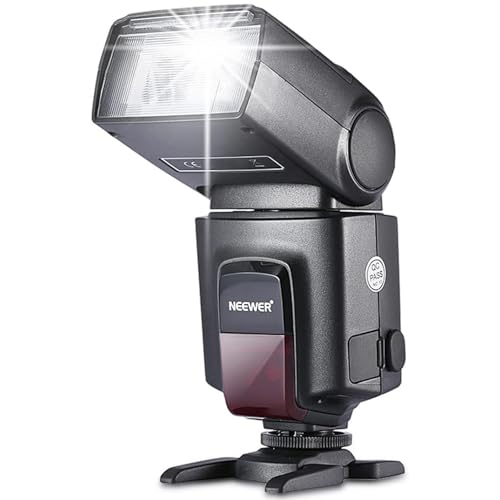


As an Amazon Associate, we earn from qualifying purchases.
Price as of Jul 24, 2026. Product prices and availability are accurate as of the date indicated and are subject to change. Any price and availability information displayed on Amazon at the time of purchase will apply.
Event photographers cost $150 to $450 per hour in 2026, with most corporate and party shoots landing at $250 to $350. Half-day (4-hour) packages start around $900 and full-day (8-hour) coverage around $1,800, before add-ons like a second shooter or rush editing.
Most US event photographers charge $150 to $450 per hour in 2026, with experienced corporate and party shooters clustered at $250 to $350. Because many set a two-hour minimum, a short shoot still runs $400 to $600. For longer events, photographers switch to package pricing: a half-day (up to four hours) starts around $900, a full day (eight hours) around $1,800, and complex corporate or multi-day jobs reach $3,000 to $5,000. Metro markets like New York, San Francisco, and Los Angeles run 20 to 40 percent above these national figures.
| Coverage | Typical Total | Best For |
|---|---|---|
| 2-hour minimum | $400-$600 | Short receptions, ribbon cuttings |
| Half day (4 hr) | $900-$1,400 | Parties, small conferences |
| Full day (8 hr) | $1,800-$3,000 | Corporate events, trade shows |
| Multi-day / premium | $3,000-$5,000+ | Conferences, galas, metro markets |
For events under three or four hours, hourly billing is usually cheaper because you only pay for the time you need, though most photographers enforce a two-hour minimum. Once an event runs four hours or more, package pricing almost always wins: a $900 half-day package can cover four hours that would otherwise bill at $1,000 to $1,400 hourly, and packages typically bundle editing and a set number of delivered images. Ask each photographer where their hourly rate crosses over into package territory so you book on the cheaper side of that line.
A second photographer adds roughly $50 to $150 per hour, or $1,200 to $3,000 for a full day, depending on their experience. Second shooters are worth it when one person physically cannot cover everything — a conference with breakout sessions running in parallel, a party where you want both candid and posed coverage, or a corporate event with a keynote and a networking room at the same time. For a simple two-hour reception in a single room, a second shooter is usually unnecessary spending.
The most common add-ons are an on-site headshot station ($250 to $900 depending on headcount), rush 24 to 48-hour editing ($150 to $500, or 20 to 30 percent of the package price), and on-site printing ($300 to $800). Travel beyond a set radius, extra retouching, raw-file delivery, and event-day livestreaming or video can each stack on top. When comparing quotes, confirm what is already included — many photographers fold standard editing and a delivered online gallery into the base price, so a slightly higher quote can actually be the better value.
Experience is the single biggest swing in hourly rate. An emerging photographer charges $100 to $200 per hour and is fine for casual parties and internal events. An established professional charges $250 to $350 and reliably handles corporate work, mixed lighting, and tight timelines. A specialist — someone known for conference or executive coverage in a major market — charges $400 to $500 per hour with strict minimums. Paying for a specialist makes sense when images are client-facing or used for marketing; for an internal holiday party, an emerging or professional shooter delivers the same memories for far less.
| Experience | Hourly Rate | Typical Use |
|---|---|---|
| Emerging | $100-$200 | Casual parties, internal events |
| Professional | $250-$350 | Corporate events, conferences |
| Specialist | $400-$500 | Executive, marketing, metro markets |
Inputs
Result
A standard four-hour corporate shoot in a mid-cost market sits right at the half-day package floor. At a professional tier the effective rate lands near $225-$350 per hour, with standard editing and an online gallery included.
Inputs
Result
A full-day conference with parallel sessions needs two photographers, and a metro specialist starts near $1,800-$3,000 solo before the second shooter and rush editing push the total to the top of the corporate range.
Inputs
Result
A short party in a low-cost region with an emerging photographer hits the two-hour minimum at the bottom of the market. It is the cheapest realistic booking before any add-ons like on-site printing.
Total = (Hourly rate x Hours, or package price) + Second shooter + Add-ons + Regional multiplierEvent photography is priced either by the hour with a minimum or as a half/full-day package, then adjusted for a second shooter, add-ons, and local labor rates. Pick hourly for short events and packages for four hours or more.
Where:
Hourly rate= Emerging $100-$200, professional $250-$350, specialist $400-$500 per hour, usually with a 2-hour minimumPackage price= Half day (4 hr) from ~$900, full day (8 hr) from ~$1,800 — usually cheaper than hourly past 4 hoursSecond shooter= Adds $50-$150 per hour or $1,200-$3,000 for a full dayAdd-ons + region= Headshots $250-$900, rush editing $150-$500, prints $300-$800; metro markets run 20-40% above the national averageBreak-even hours = Package price / Hourly rate; book hourly below it, package above itTo decide between hourly billing and a package, divide the package price by the hourly rate to find the crossover point. Below that many hours, hourly is cheaper; at or above it, the package wins and usually adds bundled editing.
Where:
Package price= The half-day or full-day flat rate the photographer quotesHourly rate= The per-hour rate for the same photographer, including any minimumBreak-even hours= Typically lands near 4 hours — most events longer than that are cheaper on a packageHiring a photographer for a corporate event, party, or conference is one of those line items that looks simple until you start collecting quotes and find them ranging from $300 to $6,000 for what sounds like the same job. The spread is real, and it is driven by a handful of inputs you control. In 2026, the typical US event photographer charges $150 to $450 per hour, with most experienced corporate and party shooters landing at $250 to $350. For longer events the model flips to flat packages: a half-day (up to four hours) starts around $900 and a full day (eight hours) around $1,800.
The reason hourly and package pricing coexist is that they serve different events. A two-hour ribbon cutting or a short networking reception is billed hourly, almost always with a two-hour minimum, so even a brief shoot runs $400 to $600. A full-day conference or a multi-room corporate event is sold as a package, because the photographer is committing the whole day and bundling editing and a delivered gallery into one number. Use the calculator above to land on a figure for your specific event, then read on to see what each input is really pricing.
It also helps to know what a quote does and does not include before you compare two of them side by side. A standard booking covers the shooting time, professional editing of the selects, and an online gallery you can download. It usually excludes a second photographer, rush turnaround, on-site headshots or printing, travel beyond a set radius, and raw-file delivery. Because those add-ons can each move the total by hundreds of dollars, the headline price is only half the story — what is bundled into it is the other half.
| Coverage | Typical Total | Effective Hourly | Best For |
|---|---|---|---|
| 2-hour minimum | $400-$600 | $200-$300 | Receptions, ribbon cuttings |
| Half day (4 hr) | $900-$1,400 | $225-$350 | Parties, small conferences |
| Full day (8 hr) | $1,800-$3,000 | $225-$375 | Corporate events, trade shows |
| Multi-day / premium | $3,000-$5,000+ | varies | Conferences, galas, metro markets |
Most photographers switch from hourly to package pricing right around the four-hour mark. If your event is close to that line, ask for both quotes — the package usually wins past four hours and throws in editing you would otherwise pay for separately.
Two events with the same headcount can receive quotes that differ by thousands of dollars, and the variance is rarely random. Photographers price from a base hourly rate or package and then adjust for the work your specific event creates. The longer the coverage, the more parallel action there is to capture, and the faster you need the images back, the more it costs — because a photographer's time and editing hours are the overwhelming majority of what you are paying for.
Read every quote against the list below. If a photographer cannot explain how your coverage hours, second-shooter need, or turnaround maps to their price, the quote is a guess that tends to get revised upward once they see the run-of-show.
Confirm the delivery timeline before you sign. Standard turnaround is one to three weeks; if you need images for a press release or social recap within 48 hours, expect a rush fee of $150-$500 or 20-30 percent of the package.
Event photography is not one product. A corporate event wants polished, brand-safe images of speakers, sponsors, and networking that can go straight into marketing — that demands a professional or specialist who shoots fast in mixed lighting and understands which logos and people matter. A private party wants candid energy and group shots, where an emerging or professional photographer delivers the same memories for far less. A conference or trade show is the most demanding of the three because action happens in several rooms at once, which is exactly where a second shooter earns its fee.
Matching the tier to the use is where most of the savings hides. Paying specialist rates for an internal holiday party is overspending; running a client-facing executive summit on an emerging photographer is a false economy that shows up in unusable images. The table below maps event type to the experience tier and coverage that usually fit, so you can spend where it matters and trim where it does not.
There is also a planning sequence that keeps photography from blowing the budget. Lock the run-of-show first so you know how many hours and rooms truly need coverage, decide whether the images are internal or client-facing, and only then choose a tier. If the photographs are headed into a marketing campaign or an annual report, the higher tier pays for itself; if they live on an internal recap page, the middle tier is plenty.
| Event Type | Typical Tier | Coverage | Second Shooter? |
|---|---|---|---|
| Corporate event | Professional | 4-8 hours | Sometimes |
| Private party | Emerging / Professional | 2-4 hours | Rarely |
| Conference / trade show | Professional / Specialist | Full day+ | Usually |
| Graduation / ceremony | Professional | 2-4 hours | Rarely |
Buy the tier your photos require, not the most impressive one. An internal team party photographed by a $150/hr emerging shooter looks just as good on the company intranet as a $450/hr specialist would.
Beyond experience tier, the two inputs that move an event quote the most are how many hours you book and whether you add a second photographer. Coverage hours are the foundation of every quote because they set the photographer's time commitment. Hourly billing with a two-hour minimum keeps short events cheap, but past four hours the math reliably favors a package: a $900 half-day covers four hours that would bill at $1,000 to $1,400 hourly, and the package usually folds in editing and a set number of delivered images.
A second shooter is the next big lever, adding $50 to $150 per hour or $1,200 to $3,000 for a full day. The decision is not about budget so much as physics: one photographer cannot be in two rooms at once. A conference with parallel breakout sessions, a gala with a red carpet and a ballroom running simultaneously, or a corporate event where the keynote and the sponsor expo overlap all genuinely need two cameras. A single-room reception or a two-hour party almost never does, and adding a second shooter there is simply spending money for coverage you will not use.
Volume of moments matters as much as headcount. A 50-person executive dinner with a few toasts is far less work than a 200-person product launch with a stage program, demos, and a packed networking floor generating hundreds of fleeting moments to capture. That is why two events with similar guest counts can sit in different pricing tiers — the busy launch needs more hours, often a second shooter, and more editing time on the back end.
Once you know your base figure, the add-ons decide whether the final invoice is reasonable or a surprise. The three most common are an on-site headshot station, rush editing, and on-site printing. A headshot station — a backdrop and lighting set up in a corner so attendees can grab a professional portrait — runs $250 to $900 depending on headcount and is a popular value-add at corporate events and conferences. Rush 24 to 48-hour editing costs $150 to $500, or 20 to 30 percent of the package, and is worth it only when images feed a same-week press release or social recap.
On-site printing ($300 to $800) lets guests walk away with a physical photo and is a staple of parties and brand activations. Beyond these, watch for travel charges past a set radius, extra retouching, raw-file delivery, and event-day video, each of which stacks onto the base. If you are pairing photo with motion, the video production cost calculator estimates highlight-reel and event-video pricing that is often booked from the same vendor for a small bundle discount.
The smartest move when comparing quotes is to normalize what is included before you look at price. Many photographers bundle standard editing, an online gallery, and a print release into the base number, so a quote that looks $200 higher can actually be the cheaper choice once you account for the editing the other vendor bills separately. And because photography is only one slice of an event, the event budget calculator helps you size the camera line item against venue, catering, and AV so nothing gets crowded out.
| Add-On | Typical Cost | When It Is Worth It |
|---|---|---|
| On-site headshot station | $250-$900 | Corporate events, conferences |
| Rush 24-48h editing | $150-$500 | Same-week press or social recap |
| On-site prints | $300-$800 | Parties, brand activations |
| Second shooter | $1,200-$3,000/day | Parallel sessions, large venues |
Never compare quotes on the headline number alone. Confirm whether editing, an online gallery, and a print release are included — that one detail can flip which photographer is actually the better value.
The cheapest event photography engagement is the one you do not have to redo, so vet photographers on fit and reliability rather than headline price. Get two or three written quotes that spell out coverage hours, the assumed tier, what triggers overtime, turnaround time, and whether editing and a gallery are included. A quote that is dramatically below the others usually assumes fewer hours than your real run-of-show or excludes editing entirely, and the gap reappears as an overtime or post-production charge after the event.
Always review a full event gallery, not a curated highlight reel. A photographer who posts ten perfect frames from a wedding might still struggle with a dim conference ballroom or a fast-moving expo floor, so ask to see a complete set from an event like yours. Confirm they carry liability insurance — many corporate venues require it — and that they understand the run-of-show, the must-have shots, and which people and sponsors matter most. The steps below walk the hiring decision in order.
Finally, lock the logistics in writing. Agree on start and end times, the overtime rate, the delivery deadline, usage rights for marketing, and a backup plan if the photographer falls ill. A clear contract is what separates a smooth event recap from a dispute over a blurry keynote shot, and it costs nothing to insist on. Treat the booking as a small production, not a favor, and the photos will reflect that discipline.
Never choose an event photographer on price alone. A missed keynote or an unusable sponsor wall costs far more in redo shoots and marketing scramble than the $200-$400 you saved by picking the lowest bid.
Define coverage and use
Decide how many hours and rooms need coverage and whether images are internal or client-facing before requesting quotes so they are comparable.
Collect two to three quotes
Insist each one states coverage hours, the experience tier, the overtime rate, turnaround, and whether editing and a gallery are included.
Review a full event gallery
Ask for a complete set from an event like yours, not a highlight reel, to judge how they handle real conditions and lighting.
Verify insurance and venue fit
Confirm liability coverage — many corporate venues require it — and that they understand your run-of-show and must-have shots.
Lock logistics in writing
Pin down start/end times, overtime rate, delivery deadline, marketing usage rights, and a sick-day backup plan in the contract.
Read our guide
Read our guide
Read our guide
Price photography, video, and the full event budget, then compare local quotes before you book your next corporate event or party.
Last Updated: Sep 17, 2026
This calculator is provided for informational and educational purposes only. Results are estimates and should not be considered professional financial, medical, legal, or other advice. Always consult a qualified professional before making important decisions. UseCalcPro is not responsible for any actions taken based on calculator results.