1. Calculate
Choose your project scope and see the estimated price range.
Get a realistic 2026 estimate for hiring a DJ by event type, hours, package tier, and add-ons — then compare quotes from DJs and entertainment companies near you.
Instant project estimate
The estimate is free. Additional details are optional.
Complete the project details and calculate to see a price range and next steps.
Clear next step
Choose your project scope and see the estimated price range.
Understand the cost drivers and what impacts your final quote.
Carry your scope into a local quote request if you choose.
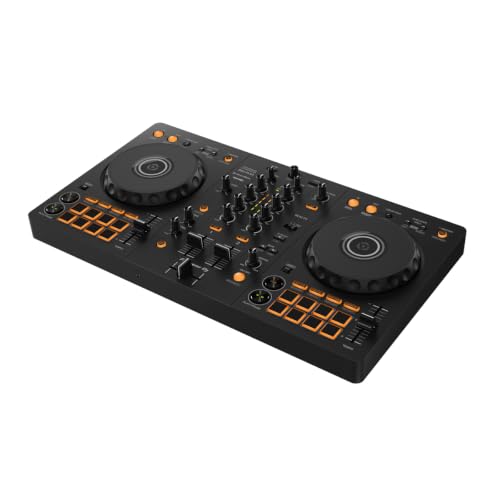

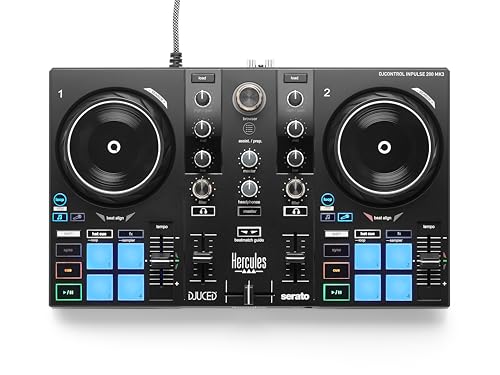
As an Amazon Associate, we earn from qualifying purchases.
Price as of Sep 17, 2026. Product prices and availability are accurate as of the date indicated and are subject to change. Any price and availability information displayed on Amazon at the time of purchase will apply.
Hiring a DJ costs $500-$2,500 for most US events in 2026: a wedding DJ averages $1,500-$1,700 for a 4-5 hour reception, private parties run $400-$1,200, and corporate events $700-$2,000. Add-ons like uplighting, MC, and a photo booth stack on top.
Most US events pay $500-$2,500 to hire a DJ in 2026. A wedding DJ averages $1,500-$1,700 for a four-to-five-hour reception, with a typical range of $1,000-$2,500. Private parties such as birthdays run $400-$1,200, corporate events run $700-$2,000, and school dances run $500-$1,500. The figure scales with hours of coverage, package tier, the DJ's experience, your region, and any add-ons like uplighting or a photo booth.
| Event Type | Typical Total | Usual Hours |
|---|---|---|
| Wedding | $1,000-$2,500 | 5-7 hrs |
| Private party | $400-$1,200 | 3-4 hrs |
| Corporate event | $700-$2,000 | 4-6 hrs |
| School dance / prom | $500-$1,500 | 3-5 hrs |
A wedding DJ is priced higher than a birthday or party DJ because the job is bigger. Weddings usually run five to seven hours, span a ceremony and a reception in different spots, demand MC work to keep the timeline moving, and carry no margin for a missed cue. A party DJ at a backyard birthday plays three to four hours, often from one location, with far lower stakes. Many DJs also charge a wedding premium for the extra planning calls, backup equipment, and formal attire the day requires.
The base DJ fee covers the DJ, a PA system, and at least one microphone. Add-ons stack on top. Uplighting that washes the room in color adds $300-$600, an MC or extra hosting time adds $150-$400, a photo booth adds $500-$700, and additional speakers or a subwoofer for a larger room add $200-$500. Bundling several add-ons through one company is almost always cheaper than renting each piece separately, and a full bundle typically adds $800-$1,500 to the base price.
| Add-On | Typical Cost | When It Helps |
|---|---|---|
| Uplighting | $300-$600 | Transforms a plain venue |
| MC / hosting | $150-$400 | Keeps the timeline on track |
| Photo booth | $500-$700 | Guest entertainment + favors |
| Extra speakers | $200-$500 | Large or outdoor rooms |
For parties and corporate events, DJs commonly bill $100-$250 per hour, with a typical two-to-four-hour minimum. Newer or budget DJs sit near $100-$150 an hour, experienced semi-pros run $150-$200, and full-time professionals charge $200-$300 or more. Weddings are usually quoted as a flat package rather than hourly because they involve setup, teardown, travel, and planning time that a simple hourly figure hides. Always confirm whether setup and breakdown hours are inside the rate or billed on top.
The biggest savings come from timing and scope, not from picking the lowest bid. Book a Friday, Sunday, or off-season date and many DJs drop their rate 15-30%. Trim coverage to the hours that matter — a five-hour reception instead of seven saves one to two hours of billing. Skip add-ons you will not notice: uplighting transforms a plain ballroom but adds little in a venue that is already styled. Booking the DJ, lighting, and photo booth as one bundle beats renting each separately, and a clear timeline keeps overtime charges off the final invoice.
Inputs
Result
A standard five-hour wedding package with a semi-pro DJ sits near the national average; uplighting stacks $300-$500 on top of the base fee in a mid-cost market.
Inputs
Result
A four-hour backyard birthday with a newer DJ and no add-ons lands near the floor of the market — roughly $110-$190 an hour in a low-cost region.
Inputs
Result
A premium six-hour corporate gala with a full-time pro in a high-cost metro runs well above average, and a photo-booth-plus-uplighting bundle adds another $1,000-$1,500.
Total = Base package fee + Hours adjustment + Experience premium + Regional multiplier + Add-onsDJ pricing starts from a base package tied to event type and tier, then adjusts for hours of coverage, the DJ's experience, local labor rates, and any add-on services layered on top.
Where:
Base package fee= Wedding $1,000-$2,500, party $400-$1,200, corporate $700-$2,000, school dance $500-$1,500Hours adjustment= Coverage beyond the package minimum bills at roughly $100-$250 per extra hourExperience premium= Budget DJs sit at the floor; full-time professionals run 50-100% higher than newer DJsRegional multiplier= High-cost metros (NYC, SF, LA) run 20-40% above the national average; the South and Midwest run belowAdd-ons= Uplighting $300-$600, MC $150-$400, photo booth $500-$700, extra speakers $200-$500; a full bundle adds $800-$1,500Hourly rate = Total package fee / Hours of coverageTo compare a flat package against an hourly quote, divide the all-in fee by the contracted hours. Most DJs set a two-to-four-hour minimum, so very short events carry a high effective hourly rate.
Where:
Total package fee= The all-in quote including setup, teardown, and any bundled add-onsHours of coverage= Contracted performance hours — confirm whether setup/breakdown counts toward thisMinimum booking= Most DJs require 2-4 hours; events under the minimum still pay the minimum feeEntertainment is the line item that decides whether guests stay on the dance floor or drift to the parking lot early, so most hosts want a realistic number before they start calling DJs. In 2026, hiring a DJ in the US costs $500 to $2,500 for the majority of events, but the spread is wide because "a DJ" can mean a newer hobbyist playing a four-hour birthday from a single speaker or a full-time professional running a seven-hour wedding with backup gear, an MC microphone, and a lighting rig.
Event type is the first thing a DJ prices against. A wedding DJ averages $1,500 to $1,700 nationally and typically ranges from $1,000 to $2,500 for a four-to-five-hour reception. Private parties such as birthdays and anniversaries run $400 to $1,200, corporate events run $700 to $2,000, and school dances or proms run $500 to $1,500. Use the calculator above to land on a figure for your event, hours, and package, then read on to understand what is actually driving the number.
It helps to know what the base fee does and does not include. A standard DJ package covers the DJ, a PA sound system sized to your room, at least one microphone for announcements, basic dance-floor lighting, a pre-event planning call, and setup and breakdown. It usually excludes ceremony audio at a separate location, uplighting, a photo booth, and overtime beyond the contracted hours. When you compare two quotes, confirm exactly which of those are bundled, because a low headline price often leaves the add-ons you actually want billed separately.
| Event Type | Typical Total | Usual Hours | What It Covers |
|---|---|---|---|
| Wedding | $1,000-$2,500 | 5-7 hrs | DJ + MC + lighting + planning |
| Private party | $400-$1,200 | 3-4 hrs | DJ + PA + 1 mic |
| Corporate event | $700-$2,000 | 4-6 hrs | DJ + PA + announcements |
| School dance / prom | $500-$1,500 | 3-5 hrs | DJ + PA + dance lighting |
A wedding DJ costs roughly two to three times a party DJ for the same hours. The premium pays for MC duties, ceremony audio, backup equipment, and the planning time a once-in-a-lifetime event demands.
Two hosts booking the same date can receive quotes that differ by a thousand dollars, and the variance is rarely random. DJs price from a base package and then adjust for the workload your specific event creates. The longer the event, the more experienced the DJ, the pricier your metro, and the more add-ons you stack, the higher the quote climbs — and labor plus equipment is almost all of what you are paying for.
Read every quote against the list below. If a DJ cannot explain how your hours, experience tier, or add-ons map to the price, the number is a guess that will be revised once they see the full scope of your event and venue.
Ask whether setup, teardown, and travel are inside the quoted hours or billed on top. Surprise overtime and travel fees are the most common reason a final DJ invoice lands above the original quote.
The word "DJ" covers three jobs that are priced very differently, and overpaying happens when a host orders a tier the event does not need. A wedding DJ is the most involved: five to seven hours across a ceremony and reception, formal MC announcements, a detailed timeline, and zero tolerance for a missed cue. That is why weddings are quoted as a flat package rather than hourly — and why you should plan the entertainment line inside a full budget. The wedding budget calculator shows how the DJ fits alongside venue, catering, and photography so you do not overspend on one line.
A private party DJ is a lighter job — three to four hours, usually one location, lower stakes — and bills closer to a simple hourly rate of $100 to $250. A corporate DJ sits in between on price but adds professionalism requirements: clean audio for speeches and presentations, a polished appearance, and reliable timing for an agenda. Each tier buys a different product, so match the spend to what the event actually requires rather than to the most impressive package on the menu.
There is also a practical sequence to how add-ons get layered on. Most hosts start with the base DJ-and-PA package, add an MC or extra hours if the timeline is complex, then add uplighting to transform a plain venue, and finally bundle a photo booth for guest entertainment. Paying for a premium production package at a casual backyard party rarely pays off, while a bare-bones basic package at a formal wedding usually leaves the host scrambling to rent the microphone and lighting they assumed were included.
| DJ Type | Typical Total | Billing Model | Right Fit |
|---|---|---|---|
| Wedding DJ | $1,000-$2,500 | Flat package | Ceremony + reception |
| Party DJ | $400-$1,200 | Hourly ($100-$250) | Birthdays, anniversaries |
| Corporate DJ | $700-$2,000 | Flat or hourly | Galas, holiday parties |
| School dance DJ | $500-$1,500 | Flat package | Proms, formals |
Buy the tier your event requires, not the flashiest one. A backyard birthday rarely needs full production and planning, while a wedding almost always needs more than a bare DJ-and-speaker basic package.
Beyond event type, the three inputs that move a DJ quote the most are add-ons, hours of coverage, and the DJ's experience. Add-ons stack on top of the base fee and are where a budget quietly inflates: uplighting that washes a room in color adds $300 to $600, an MC or extra hosting time adds $150 to $400, a photo booth adds $500 to $700, and extra speakers or a subwoofer for a large or outdoor room add $200 to $500. Bundling several through one company almost always beats renting each separately, and a full bundle typically adds $800 to $1,500 to the base price.
Hours are the next lever. Most packages assume a set block — often four or five hours — and bill overtime at roughly $100 to $250 per additional hour. Trimming a seven-hour reception to five can save $200 to $500, while letting the night run long without a contracted end time is the fastest way to blow past the quote. A locked timeline is the single best defense against overtime charges, which is part of what the MC and planning work in higher tiers is buying you.
Experience is the last big driver. A newer or budget DJ might charge $100 to $150 an hour or sit near the floor of the flat-rate ranges, an experienced semi-pro runs $150 to $200, and a full-time professional charges $200 to $300 or more — often 50 to 100% above a newer DJ for the same hours. The premium buys reliability: backup equipment, a deep music library, smooth crowd reading, and the confidence that they will not cancel a week out. For a high-stakes event like a wedding, that reliability is usually worth paying for; for a casual party, a capable newer DJ is often plenty.
The cheapest booking is the one you do not have to fix on the day, so vet DJs on fit and transparency rather than headline price alone. Get two or three written quotes that spell out hours, which add-ons are included, what triggers overtime, and the deposit and cancellation terms. A quote that is dramatically below the others usually assumes fewer hours than you need or leaves the microphone, lighting, and MC work as paid extras — the gap reappears as add-on charges before the event.
Confirm the essentials before you sign. Ask whether they bring backup equipment, how they handle a no-show or illness, whether they carry liability insurance (many venues require it), and whether they have played your venue or event type before. Listen to a real mix or watch video from a past event, and make sure the contract names the actual DJ who will perform rather than a company that may send whoever is free. While you are budgeting the rest of the event, the party food calculator and the catering service cost calculator size the food and drink that usually dwarf the entertainment line.
Finally, lock the details that prevent surprises. Provide a clear timeline and a short must-play and do-not-play list, confirm the setup window with your venue, and agree in writing on the end time and the overtime rate. A DJ who asks about your crowd, your timeline, and your venue's restrictions before quoting is signaling the professionalism the higher tiers are supposed to buy. One who quotes a flat number without any of those questions is selling a playlist, not the event partner a wedding or corporate gala actually needs.
Never choose a DJ on price alone. A DJ who reads the contract loosely or skips a backup plan can derail the one night you cannot redo — worth far more than the $200-$400 you might save on the lowest bid.
Define event and hours
Decide event type, the hours you need covered, and which add-ons matter before requesting quotes so the numbers are comparable.
Collect two to three quotes
Insist each one states included hours, bundled add-ons, the overtime rate, and deposit and cancellation terms.
Check experience and reviews
Listen to a real mix or watch event video, and read reviews for your specific event type, not just five-star averages.
Confirm backup and insurance
Ask about backup equipment, a no-show plan, and liability insurance your venue may require before you sign.
Lock the timeline
Put the start and end times, must-play list, and overtime rate in writing to keep the final invoice on budget.
Estimate entertainment, food, and event costs, then plan the full budget for your wedding, party, or corporate event.
Last Updated: Sep 17, 2026
This calculator is provided for informational and educational purposes only. Results are estimates and should not be considered professional financial, medical, legal, or other advice. Always consult a qualified professional before making important decisions. UseCalcPro is not responsible for any actions taken based on calculator results.