1. Calculate
Choose your project scope and see the estimated price range.
Get a realistic 2026 estimate for your wedding videographer by coverage hours, package tier, and add-ons like drone and a second shooter — then compare quotes from local studios.
Instant project estimate
The estimate is free. Additional details are optional.
Complete the project details and calculate to see a price range and next steps.
Clear next step
Choose your project scope and see the estimated price range.
Understand the cost drivers and what impacts your final quote.
Carry your scope into a local quote request if you choose.
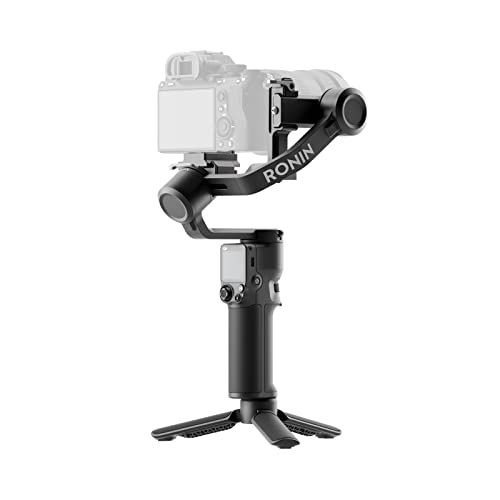


As an Amazon Associate, we earn from qualifying purchases.
Price as of Sep 17, 2026. Product prices and availability are accurate as of the date indicated and are subject to change. Any price and availability information displayed on Amazon at the time of purchase will apply.
A wedding videographer costs $2,500-$4,000 for most US couples in 2026: a highlight-only film runs $1,000-$2,500, a standard package with full ceremony coverage runs $2,500-$4,000, and a cinematic multi-camera feature film runs $5,000-$10,000 or more.
Most US couples pay $2,500-$4,000 for a wedding videographer in 2026, with the national average landing near $3,000-$3,500 for a standard package. That buys roughly 6-8 hours of coverage, one or two videographers, a 3-5 minute highlight film, and a full ceremony edit. A highlight-only package runs $1,000-$2,500, while a cinematic feature film with multiple cameras and advanced editing runs $5,000-$10,000 or more. Coverage hours, crew size, and editing complexity are the three biggest drivers.
| Package Tier | Typical Price | What You Get |
|---|---|---|
| Highlight only | $1,000-$2,500 | 3-5 min film, no full ceremony |
| Standard | $2,500-$4,000 | Highlight + full ceremony, 6-8 hrs |
| Cinematic | $5,000-$10,000+ | Multi-cam feature film, all-day |
| Photo + video bundle | $4,000-$8,000 | Both vendors, one team |
Wedding videographers usually quote a flat package price rather than an hourly rate, but the implied hourly cost runs $300-$600 per hour once you back it out of a typical package. Adding an hour of coverage to an existing booking generally costs $250-$500 because the editing and travel are already priced in. Many studios set a minimum of 4-6 hours, and full-day coverage of 8-10 hours is where most standard packages land. Hourly-only bookings are rare and tend to skew expensive per hour.
The most common add-ons are a second shooter, drone footage, and raw footage delivery. A second videographer adds $400-$800 and captures reaction shots, guest footage, and alternate angles. Drone or aerial footage of the venue and grand exit adds $300-$800. Delivering the unedited raw files adds $200-$800 because it increases storage and transfer work. Other extras include a same-day edit, a documentary-length feature cut, live streaming, and rush delivery, each of which stacks onto the base package.
| Add-On | Typical Cost | Why Couples Add It |
|---|---|---|
| Second shooter | $400-$800 | Two angles, reactions, B-roll |
| Drone footage | $300-$800 | Aerial venue + exit shots |
| Raw footage | $200-$800 | Keep every unedited minute |
| Same-day edit | $500-$1,500 | Play a teaser at the reception |
Most couples who skip video report it as a top regret, because photos freeze a moment while video preserves vows, voices, toasts, and movement. Whether it is worth the cost depends on your budget priorities: video typically runs 8-12% of a total wedding budget. If money is tight, a highlight-only package at $1,000-$2,500 still captures the ceremony and key moments at roughly half the price of full cinematic coverage. Booking the same studio for both photo and video can also trim 10-20% off hiring two separate vendors.
Region is one of the largest cost multipliers. High-demand metros like New York, Los Angeles, San Francisco, and Boston run 20-40% above the national average because labor, travel, and studio overhead are higher and demand is intense. The Midwest and South typically run 10-25% below the national average. Travel fees apply when a studio works outside its home market, often $0.50-$0.75 per mile plus lodging for destination weddings. Always confirm whether travel is included before comparing two quotes from different regions.
Inputs
Result
A full-day standard package with a single experienced videographer in a mid-cost market sits right around the national average. Each add-on stacks on top of the base price.
Inputs
Result
A shorter highlight-only package with a newer videographer in a low-cost region lands near the floor of the market. It still captures the ceremony and a 3-5 minute film.
Inputs
Result
All-day premium coverage with multiple cameras, a second shooter, drone work, and high-end editing in an expensive metro lands at the top of the range.
Package price = Base tier + Hours adjustment + Add-ons + Regional multiplierWedding video is priced from a base package tier, then adjusted for coverage hours, optional add-ons, and local labor rates. Start from the tier midpoint and layer the other drivers on top.
Where:
Base tier= Highlight $1,000-$2,500, standard $2,500-$4,000, or cinematic $5,000-$10,000+Hours adjustment= Coverage beyond the package minimum adds roughly $250-$500 per extra hourAdd-ons= Second shooter +$400-$800, drone +$300-$800, raw footage +$200-$800Regional multiplier= Coastal metros run 20-40% above the national average; the Midwest and South run belowVideo budget = Total wedding budget x (0.08 to 0.12)Planners commonly allocate 8-12% of the overall wedding budget to videography. Use this to sanity-check whether a quote fits the rest of your spending.
Where:
Total wedding budget= Your all-in spend across venue, catering, attire, and vendors0.08 to 0.12= The typical 8-12% share couples allocate to video; photo is usually a similar or slightly higher shareWedding videography is one of the few vendor decisions couples cannot redo — there is exactly one chance to film the ceremony — so getting the budget right up front matters. In 2026, most US couples spend $2,500 to $4,000 on a wedding videographer, with the national average landing near $3,000 to $3,500 for a standard package. That headline number hides a wide spread, because "wedding video" can mean anything from a single videographer cutting a three-minute highlight reel to a two-person crew producing an all-day cinematic feature film with drone work and color grading.
The single biggest driver is the package tier. A highlight-only package — a 3-5 minute edited film with no full ceremony coverage — runs $1,000 to $2,500. A standard package that adds the full ceremony, 6-8 hours of coverage, and one or two videographers runs $2,500 to $4,000. A cinematic feature with multiple cameras, all-day coverage, and advanced editing runs $5,000 to $10,000 or more. Use the calculator above to land on a figure for your hours, tier, and add-ons, then read on to understand what each input is really pricing.
It helps to know what the package price does and does not include. A standard quote covers the shoot, editing, and digital delivery of a highlight film and full ceremony. It usually excludes raw footage, drone work, a second shooter, and travel beyond the local market — each of which is billed as an add-on. When you compare two quotes, confirm exactly what is bundled, because one studio's "standard" package may already include a second shooter while another charges $400 to $800 extra for the same thing.
| Package Tier | Typical Price | Coverage | Best For |
|---|---|---|---|
| Highlight only | $1,000-$2,500 | 4-6 hrs, 1 shooter | Tight budgets |
| Standard | $2,500-$4,000 | 6-8 hrs, 1-2 shooters | Most couples |
| Cinematic | $5,000-$10,000+ | 8-12 hrs, 2+ shooters | Film-first couples |
| Photo + video bundle | $4,000-$8,000 | Full day, one team | One-vendor convenience |
Most studios quote a flat package price rather than an hourly rate. The implied hourly cost works out to roughly $300-$600 per hour, but adding an hour to an existing booking usually costs only $250-$500 because the editing and travel are already priced in.
Two couples with similar weddings can receive quotes that differ by thousands of dollars, and the variance is rarely random. Videographers price from a base tier and then adjust for the workload your specific day creates. The more hours, cameras, and editing complexity you want, the more shoot and post-production time the studio has to staff against your booking — and skilled labor is the overwhelming majority of what you are paying for.
Read every quote against the list below. If a studio cannot explain how your coverage hours or add-ons map to their price, that is a sign the quote is a guess that will be revised upward once they see the timeline and venue.
Ask whether travel is included before comparing quotes from different areas. A studio working outside its home market typically bills $0.50-$0.75 per mile plus lodging, which can quietly add hundreds of dollars to an otherwise lower bid.
The package tiers buy very different things, and overpaying happens when a couple orders a level they do not actually need. A highlight-only package is the recording layer: a single videographer captures the day and edits a 3-5 minute film set to music. If that is all you want, it is the cheapest path and still preserves the ceremony's key moments. Pairing it with a clear total budget in the wedding budget calculator shows exactly where video fits before you commit.
A standard package builds on the highlight with full ceremony coverage, longer shooting hours, and often a second videographer — the work that captures vows, toasts, and the full arc of the day rather than just the best 30 seconds of each. A cinematic feature is a different product again: multiple cameras, a documentary-length edit, drone work, and the kind of color grading and sound design that turns footage into a film. The table below shows what each tier includes and who it fits, so you can match spend to the wedding you are actually planning.
There is also a practical sequence most couples follow. They start by deciding whether video makes the budget at all, choose a highlight package when funds are tight, step up to a standard package when they want the full ceremony preserved, and only reach for cinematic coverage when the film itself is a top-three priority of the day. Paying for the next tier a level too early rarely pays off, and the single best way to save is to book the right tier rather than the most impressive one.
| Tier | What It Includes | Typical Price | Right Couple |
|---|---|---|---|
| Highlight | 3-5 min film, 1 shooter | $1,000-$2,500 | Budget-focused |
| Standard | Highlight + full ceremony | $2,500-$4,000 | Most couples |
| Cinematic | Multi-cam feature, grading | $5,000-$10,000+ | Film-first couples |
Buy the tier your priorities require, not the most impressive one. A couple on a tight budget paying for a cinematic feature is overspending; a film-first couple settling for a highlight-only reel will wish they had the full ceremony for years.
Beyond the package tier, the two inputs that move a video quote the most are coverage hours and add-ons. Coverage hours matter because they expand both the shoot and the edit: a videographer who films from hair-and-makeup through the last dance has far more footage to cut than one who arrives an hour before the ceremony. Most standard packages assume 6-8 hours, and each additional hour beyond the minimum typically adds $250 to $500.
Add-ons are where budgets quietly creep. A second shooter ($400-$800) captures the other partner getting ready, reaction shots, and alternate ceremony angles that a single camera cannot. Drone footage ($300-$800) adds aerial shots of the venue and the grand exit. Raw footage delivery ($200-$800) hands you every unedited minute, which matters to some couples and not at all to others. A same-day edit ($500-$1,500) produces a teaser to play at the reception, and live streaming ($300-$1,000) lets distant guests watch the ceremony in real time.
Because these stack, the difference between a bare-bones and a loaded version of the same tier can be $1,500 or more. The discipline that keeps the bill in check is deciding which add-ons you would genuinely re-watch or re-use. A second shooter and drone footage noticeably change the final film and are the most commonly added; raw footage and live streaming are valuable to specific couples but are pure cost to everyone else. Decide on add-ons before you compare quotes so the numbers line up like for like.
The cheapest video engagement is the one you do not regret, so vet studios on style and transparency rather than headline price alone. Watch full sample films — not just a 60-second sizzle reel — from real weddings the studio shot, ideally at a venue and time of day similar to yours. Editing style is personal: some couples love a fast, music-driven cut while others want a documentary feel with natural audio, and the only way to know a studio's taste matches yours is to watch their finished work.
Get two or three written quotes that spell out coverage hours, crew size, deliverables, the edit timeline, and exactly which add-ons are included. A quote that is dramatically below the others usually assumes fewer hours, a single shooter, or excludes travel — the gap reappears as a change order once the timeline is set. Booking the same vendor for both photo and video, where offered, can trim 10-20% off hiring two separate teams and avoids the two crews competing for the same shots. Pair the video number with the rest of your spend using the wedding budget calculator and price the largest line items with the wedding catering cost calculator so nothing blows the total.
Finally, confirm the business basics before you sign. Ask about backup equipment and a contingency plan if the videographer falls ill, read the delivery timeline (8-16 weeks is normal), and check the contract for how raw footage, music licensing, and revisions are handled. A studio that captures a flawless day but disappears for six months on delivery is a common and avoidable disappointment. Lock the date early — popular videographers book 9-12 months out for peak Saturdays — and read the cancellation and rescheduling terms before you put down a deposit.
Never choose a videographer on price alone. A studio that misses key moments or delivers a film that does not match your style costs far more in regret than the few hundred dollars you saved picking the lowest bid — and unlike most purchases, the day cannot be reshot.
Define your tier and hours
Decide whether you need highlight, standard, or cinematic coverage and how many hours before requesting quotes so the numbers are comparable.
Watch full sample films
Review complete wedding films, not sizzle reels, to confirm the editing style and audio approach match your taste.
Collect two to three quotes
Insist each states coverage hours, crew size, included add-ons, travel, and the delivery timeline.
Confirm backups and timeline
Ask about backup gear, an illness contingency, and a realistic 8-16 week delivery window.
Read the contract
Check deposit, cancellation, rescheduling, raw-footage, and revision terms before you sign.
Plan budgets, compare vendor costs, and price the services that go into your wedding day.
Last Updated: Sep 17, 2026
This calculator is provided for informational and educational purposes only. Results are estimates and should not be considered professional financial, medical, legal, or other advice. Always consult a qualified professional before making important decisions. UseCalcPro is not responsible for any actions taken based on calculator results.