1. Calculate
Choose your project scope and see the estimated price range.
Get a realistic 2026 estimate for event security by guest count, hours of coverage, and guard type — then compare quotes from licensed local security firms.
Instant project estimate
The estimate is free. Additional details are optional.
Complete the project details and calculate to see a price range and next steps.
Clear next step
Choose your project scope and see the estimated price range.
Understand the cost drivers and what impacts your final quote.
Carry your scope into a local quote request if you choose.

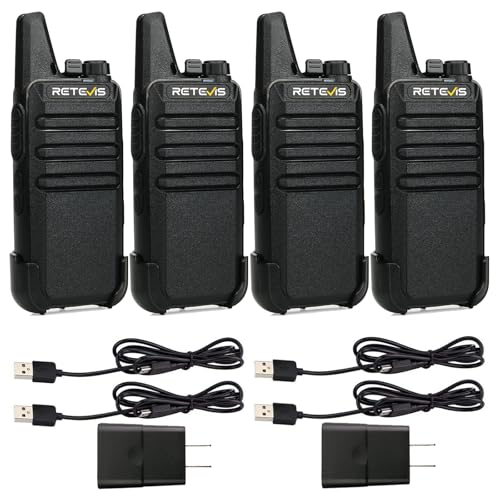
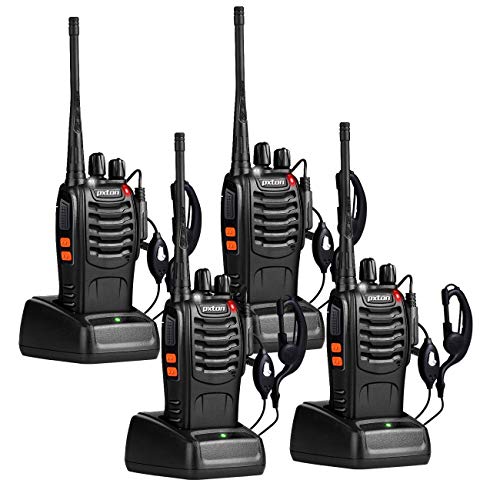
As an Amazon Associate, we earn from qualifying purchases.
Price as of Sep 17, 2026. Product prices and availability are accurate as of the date indicated and are subject to change. Any price and availability information displayed on Amazon at the time of purchase will apply.
Event security costs $25-$40 per hour for unarmed guards and $40-$75 for armed officers in 2026. A typical wedding with two unarmed guards for six hours runs $300-$720, while a 400-person concert needs 6-8 guards and $1,400-$2,500.
In 2026, unarmed event security officers cost $25-$40 per hour and armed officers cost $40-$75 per hour. High-cost metros such as Los Angeles, New York, and San Francisco run higher — unarmed $30-$60 and armed $45-$80. Most firms enforce a four-hour minimum per guard, so a single unarmed officer almost never costs less than about $100-$160 for a booking. A supervisor for larger teams is billed at a premium, usually $10-$20 per hour above the line officers.
| Guard Type | Typical Per Hour | Best For |
|---|---|---|
| Unarmed officer | $25-$40 | Weddings, corporate, low-risk |
| Armed officer | $40-$75 | Cash handling, VIPs, high-risk |
| Off-duty police | $50-$100+ | Large public events, traffic |
| Supervisor / lead | +$10-$20 | Teams of 4 or more |
The industry rule of thumb is one guard per 50-100 attendees for low-risk events such as weddings, conferences, and corporate functions, tightening to one guard per 25-50 attendees for concerts, festivals, and any event serving alcohol or drawing a high-energy crowd. A 150-guest wedding usually needs two officers; a 400-person concert needs six to eight. Risk factors — alcohol, cash, valuables, VIPs, or a history of incidents — push you toward the denser ratio and often toward armed coverage.
Wedding security is the most affordable event category because the guest count is controlled and the risk profile is low. A standard six-hour reception with two unarmed guards runs $300-$720 total — roughly $25-$40 per guard-hour, multiplied by two guards and six hours. Larger weddings of 250-plus guests, open bars, or high-profile families may add a third officer or upgrade to an armed lead, pushing the total to $900-$1,500. Always confirm whether the four-hour minimum and any travel fee are already included in the quote.
Both matter, but guest count is usually the bigger lever because it sets the number of guards, and headcount multiplies every other cost. Doubling guests from 150 to 300 can move you from two officers to six, tripling the bill before you change anything else. Guard type is the second lever: switching from unarmed to armed adds roughly $15-$40 per officer per hour. Coverage hours, supervisor requirements, regional labor rates, and last-minute booking premiums round out the drivers.
Match the tier to the actual risk. Unarmed officers handle access control, crowd flow, and a visible deterrent presence — the right choice for most weddings, corporate events, and conferences. Armed officers are warranted when you handle cash, display valuables, host VIPs, or expect potential conflict. Off-duty police bring arrest authority and are often required by venues for large public events or street closures, but they are the priciest option at $50-$100+ per hour. Over-hiring armed coverage for a low-risk event wastes budget; under-hiring at a high-risk event creates real liability.
Inputs
Result
Two unarmed officers at $30-$40 per hour for a six-hour reception: 2 x 6 x $30 = $360 at the low end and 2 x 6 x $40 = $480 at the high end. A controlled guest list and low risk keep a mid-cost market near the floor of the wedding range.
Inputs
Result
A high-energy concert uses the dense 1:50 ratio, so 400 guests need eight officers. At $35-$50 per guard-hour: 8 x 5 x $35 = $1,400 and 8 x 5 x $50 = $2,000. Add a supervisor at the top of this range for a team this size.
Inputs
Result
Three unarmed officers at $35-$45 plus one armed lead at $65-$80, all for eight hours in a premium West Coast market. Unarmed: 3 x 8 x $35 = $840 to 3 x 8 x $45 = $1,080. Armed: 1 x 8 x $65 = $520 to 1 x 8 x $80 = $640. Combined: $1,360-$1,720.
Total = Number of guards x Hours x Hourly rate (+ supervisor premium + travel)Event security is billed per guard-hour. Start by sizing the team from guest count and risk, set the hours including load-in and load-out, then multiply by the hourly rate for the guard type and add any supervisor or travel surcharge.
Where:
Number of guards= 1 per 50-100 guests for low-risk events, 1 per 25-50 for concerts and high-risk crowdsHours= Event duration plus setup and breakdown; most firms enforce a 4-hour minimum per officerHourly rate= Unarmed $25-$40, armed $40-$75; high-cost metros run 20-40% higherSupervisor premium= A lead for teams of 4+ guards bills $10-$20 per hour above the line rateGuards = ceil(Guest count / Coverage ratio); ratio 50-100 low-risk, 25-50 high-riskThe number of officers is the dominant cost driver, so size it first. Divide the guest count by the appropriate coverage ratio and round up, then tighten the ratio for alcohol, cash, VIPs, or any high-energy crowd.
Where:
Guest count= Expected peak attendance, not invitations sentCoverage ratio= Guests per guard — 100 for low-risk, down to 25 for the highest-risk eventsceil()= Always round up; a partial guard means hiring a whole additional officerRisk adjustment= Alcohol service, cash, valuables, or VIPs each push the ratio denser and may require armed coverageHiring security is one of the few event line items priced almost entirely by the hour, which makes it easy to estimate once you know three numbers: how many guards you need, how many hours they work, and the hourly rate for the guard type. In 2026, unarmed officers run $25 to $40 per hour across most of the US, and armed officers run $40 to $75. High-cost metros — Los Angeles, New York, San Francisco — sit above that, with unarmed officers at $30 to $60 and armed at $45 to $80. Off-duty police detail, where venues require it, is the priciest tier at $50 to $100 or more per hour.
Because security is billed per guard-hour, the total scales fast. A single unarmed officer for a four-hour minimum costs roughly $100 to $160; a six-officer concert team for five hours easily clears $1,400 to $2,500. The calculator above sizes the team from your guest count and multiplies it out, but the sections below explain what each input is really pricing so you can read a quote and spot the gaps.
Most quotes cover the officers themselves and basic equipment — radios, flashlights, high-visibility uniforms. They usually exclude travel beyond a set radius, a supervisor premium for larger teams, last-minute booking surcharges, and any specialty add-ons like metal detectors or K-9 units. When you compare two bids, confirm whether the four-hour minimum, travel, and supervisor are already baked in, because those three line items are where a low headline rate quietly catches up to a higher one.
| Guard Type | Per Hour (National) | Per Hour (Metro) | Best For |
|---|---|---|---|
| Unarmed officer | $25-$40 | $30-$60 | Weddings, corporate, low-risk |
| Armed officer | $40-$75 | $45-$80 | Cash, valuables, VIPs |
| Off-duty police | $50-$100+ | $60-$120+ | Public events, road closures |
| Supervisor / lead | +$10-$20 | +$15-$25 | Teams of 4 or more guards |
Almost every firm enforces a four-hour minimum per officer, so a short two-hour ceremony still bills four hours per guard. Build that floor into your estimate before you compare quotes.
Guest count is the dominant cost driver because it sets the number of officers, and headcount multiplies every other number on the invoice. The industry rule of thumb is one guard per 50 to 100 attendees for low-risk events — weddings, conferences, corporate functions — and one guard per 25 to 50 attendees for concerts, festivals, bars, and any event serving alcohol or drawing a high-energy crowd. A 150-guest wedding typically needs two officers; a 400-person concert needs six to eight. Always round up, because a partial guard means hiring a whole additional person.
Risk reshapes the ratio more than raw headcount does. Serving alcohol, handling cash, displaying valuables, hosting public figures, or expecting a charged atmosphere all push you toward the denser 1:25 ratio and frequently toward armed coverage. A 200-person corporate conference might be fine with two unarmed officers, while a 200-person album-release party with an open bar could justify four to six. Match the staffing to the actual risk profile, not just the guest list.
Once a team reaches four or more officers, add a supervisor or lead to coordinate posts, breaks, and incident response. The supervisor is billed at a premium — usually $10 to $20 per hour above the line rate — but on a large event the coordination is worth it, and many firms will not staff a big team without one. Use the event staffing calculator to size servers and bartenders with the same per-guest logic so your whole labor plan stays consistent.
Doubling your guest count rarely just doubles the bill — it can triple it, because more guests mean more guards, and each guard multiplies across every hour of coverage.
The three coverage tiers buy very different things, and over-hiring is just as common as under-hiring. Unarmed officers handle access control, crowd flow, bag checks, and a visible deterrent presence. For the majority of weddings, corporate events, and conferences, unarmed coverage at $25 to $40 per hour is exactly right — paying for armed guards at a low-risk garden wedding is spending money on a risk that is not there.
Armed officers are warranted when the stakes change: cash handling, valuable merchandise or equipment on display, VIP or controversial guests, or a real potential for conflict. The premium is meaningful — roughly $15 to $40 per officer per hour over unarmed — but at a genuinely high-risk event it is cheap insurance against a liability that could dwarf the entire security budget. Off-duty police are a third product again: they carry arrest authority and are often mandated by venues for large public events, ticketed shows, or anything requiring street closures and traffic control. They are the most expensive tier at $50 to $100-plus per hour, and availability depends on local department policy.
The practical sequence most planners follow is to default to unarmed, upgrade to an armed lead when one specific risk factor appears, and bring in police only when the venue or the public scale of the event demands it. The table below lines up what each tier includes and the right situation for it, so you can match spend to actual exposure instead of buying the most impressive-sounding option.
| Tier | What It Provides | Per Hour | Right Situation |
|---|---|---|---|
| Unarmed officer | Access control, crowd flow, deterrence | $25-$40 | Most weddings and corporate events |
| Armed officer | Everything unarmed + armed response | $40-$75 | Cash, valuables, VIPs, conflict risk |
| Off-duty police | Arrest authority, traffic control | $50-$100+ | Large public or ticketed events |
Buy the tier the risk requires, not the most reassuring one. An armed detail at a low-risk reception wastes budget; unarmed-only at a cash-heavy public event creates real liability.
Event security follows a clean formula: total cost equals number of guards multiplied by hours multiplied by the hourly rate, plus any supervisor premium and travel. Size the team from guest count first, set the hours including load-in and load-out, then apply the rate for the guard type. A 150-guest wedding with two unarmed officers at $35 per hour for six hours is 2 x 6 x $35 = $420 — squarely in the $300 to $720 band typical for weddings.
Scale that up and the multiplication does the work. A 400-person concert at the 1:50 ratio needs eight officers; at $40 per hour for five hours that is 8 x 5 x $40 = $1,600, before a supervisor. Mixed teams add a step: a 250-guest corporate gala running three unarmed officers at $40 plus one armed lead at $70 for eight hours is (3 x 8 x $40) + (1 x 8 x $70) = $960 + $560 = $1,520. Each variable is independent, so you can see exactly which lever — guards, hours, or rate — to pull when a quote comes back over budget.
Watch the surcharges that sit outside the core formula. Bookings made inside 72 hours commonly carry a 10 to 25 percent rush premium. Travel beyond a firm's standard radius adds a flat trip fee or mileage. Holidays and overnight hours can trigger time-and-a-half. And the four-hour minimum means a short event still bills the floor per guard. Folding security into the event budget calculator alongside venue, catering, and rentals keeps the line in proportion to the whole.
The cheapest security engagement is the one that prevents a problem, so vet firms on licensing and transparency rather than headline rate alone. Confirm the company is licensed in your state and that individual officers hold the required guard cards or certifications. Verify general-liability insurance — at least $1 million is standard — and ask for a certificate naming your venue as additional insured, which many venues require before they will let security work the floor.
Get two or three written quotes that spell out the number of officers, guard type, exact hours including setup, the four-hour minimum, supervisor charges, and what triggers a surcharge. A bid that is dramatically lower than the others usually assumes fewer guards or a lower tier than your event actually needs, and the gap reappears as a change order once the firm walks the site. Ask whether the company has worked your specific event type and venue before, because an officer who has run weddings reads a reception very differently from one used to nightclub door work.
Finally, plan the deployment, not just the headcount. Walk the venue with the lead in advance, agree on post positions, entrance screening, alcohol and crowd protocols, and a clear escalation and emergency plan. Confirm response times, who the on-site point of contact is, and how officers coordinate with venue staff. A firm that simply drops bodies at the door without a plan is selling presence, not protection — and protection is the entire point of the higher tiers. The steps below put the hiring decision in order.
Never choose a security firm on price alone. An unlicensed or uninsured guard who mishandles an incident costs far more in liability than the few dollars per hour you saved on the lowest bid.
Size the team
Use guest count and risk to set the number of guards and the tier before requesting quotes, so the bids are comparable.
Verify licensing and insurance
Confirm state licensing, valid guard cards, and at least $1M general liability with the venue named as additional insured.
Collect two to three quotes
Require each to state guard count, type, exact hours, the 4-hour minimum, supervisor fees, and any surcharges.
Check event-type experience
Hire a firm that has worked your specific event type and venue, not just generic guard work.
Plan the deployment
Walk the venue, set post positions and screening, and agree on an escalation and emergency plan before the day.
Read our guide
Read our guide
Read our guide
Estimate security, staffing, rentals, parking, and the full event budget, then compare quotes and keep the whole event on plan.
Last Updated: Sep 17, 2026
This calculator is provided for informational and educational purposes only. Results are estimates and should not be considered professional financial, medical, legal, or other advice. Always consult a qualified professional before making important decisions. UseCalcPro is not responsible for any actions taken based on calculator results.