1. Calculate
Choose your project scope and see the estimated price range.
Get a realistic 2026 estimate for hiring bartenders by guest count, hours, staffing, and add-ons like a mobile bar — then compare quotes from local pros.
Instant project estimate
The estimate is free. Additional details are optional.
Complete the project details and calculate to see a price range and next steps.
Clear next step
Choose your project scope and see the estimated price range.
Understand the cost drivers and what impacts your final quote.
Carry your scope into a local quote request if you choose.
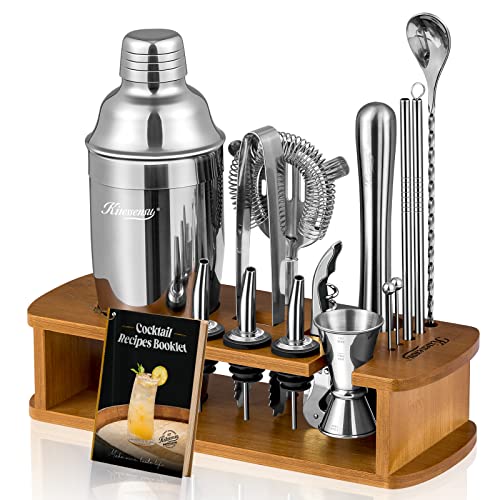


As an Amazon Associate, we earn from qualifying purchases.
Price as of Sep 17, 2026. Product prices and availability are accurate as of the date indicated and are subject to change. Any price and availability information displayed on Amazon at the time of purchase will apply.
Hiring a bartender for a party costs $40 to $75 per hour in 2026, or $250 to $700 as a flat event package for one bartender. Plan one bartender per 50 to 75 guests, a 4-hour minimum, and a 15 to 20 percent gratuity on top.
A professional bartender costs $40 to $75 per hour in 2026, and most services set a 4-hour minimum, so a single bartender for a typical party runs $250 to $700 once you include a small travel or setup fee. Mobile bartending vendors that bring their own bar, tools, ice, and mixers charge $500 to $2,500 or more. Rates run higher in coastal metros like New York and Los Angeles and lower in the South and Midwest, and a 15 to 20 percent gratuity is customary on top of the quoted price.
| Service Type | Typical Cost | Best For |
|---|---|---|
| Staffing only (hourly) | $40-$75/hr | BYOB home parties |
| Flat event package | $250-$700 | One bartender, 4 hours |
| Mobile bar vendor | $500-$2,500+ | Weddings, large events |
| Full open-bar service | $15-$30/guest | Alcohol supplied by bartender |
The industry rule of thumb is one bartender for every 50 to 75 guests at a casual event, and one per 50 guests for a wedding or formal party where service speed matters. A 50-person backyard party is fine with a single bartender, a 100-guest reception needs two, and a 150-plus event usually needs three to keep lines short. Adding a second bartender roughly doubles the labor portion of your bill but cuts wait times in half, which is why most hosts size staffing to the longest line they are willing to tolerate rather than the bare minimum.
| Guest Count | Bartenders | Why |
|---|---|---|
| Up to 50 | 1 | Single bar, manageable lines |
| 50 to 100 | 1-2 | Two for faster service |
| 100 to 150 | 2 | Standard reception staffing |
| 150 or more | 3+ | Multiple stations needed |
Providing your own alcohol is almost always cheaper. When you buy the liquor, beer, and wine yourself and hire a bartender only to serve it, you pay just the labor of $40 to $75 per hour. When a mobile bar vendor supplies the alcohol, expect $15 to $30 per guest for a full open bar, because the price now bundles product, markup, and liability. For a 50-person party, BYOB plus a bartender might total $350, while a supplied open bar at $20 per guest would run about $1,000. The trade-off is convenience and liability coverage, which the vendor carries instead of you.
Yes. A 15 to 20 percent gratuity on the total bartending bill is standard for good service, and many vendors either add it to the final invoice or allow a tip jar on the bar funded by guests. If you prefer a seamless, host-funded experience with no tip jar in sight, budget the gratuity into your total up front. As a rule of thumb, plan on $50 to $150 per bartender for a typical four-hour event, or 10 to 15 percent of the total bar bill, whichever is higher. Some packages already include gratuity, so always confirm before adding more.
Beyond labor, the most common add-ons are a mobile bar setup, a mixers and garnish package, and specialty or signature cocktails. A portable bar that the vendor brings and sets up adds $150 to $500 depending on size and style. A mixers package covering sodas, juices, syrups, garnishes, ice, and cups runs $50 to $150 per bartender. Signature or craft cocktails that require fresh ingredients, shaking, and muddling add labor time and can raise the per-guest cost. Travel fees for events outside the vendor's normal radius, glassware rental, and TIPS-certified or insured staff can each stack on as well.
| Add-On | Typical Cost | Worth It When |
|---|---|---|
| Mobile bar setup | $150-$500 | No bar at the venue |
| Mixers package | $50-$150 | Serving mixed drinks |
| Signature cocktails | +10-25% | Themed or upscale event |
| Travel fee | $25-$150 | Outside service radius |
Inputs
Result
One bartender covers 50 guests comfortably. With the host supplying the alcohol, you pay labor only for a 4-hour minimum in a mid-cost region, landing near the floor of the market before gratuity.
Inputs
Result
A 100-guest reception needs two bartenders for fast service. Adding a mobile bar setup and a mixers package on top of premium West Coast labor pushes the total above $1,000, still before the customary gratuity.
Inputs
Result
When the vendor supplies the alcohol, the bill is driven by a per-guest open-bar rate of roughly $15 to $30 rather than hourly labor. Product, markup, and liability coverage are all bundled into that number.
Total = (Bartenders x Hours x Hourly rate) + Add-ons + GratuityFor BYOB events, bartending cost is driven by labor: multiply the number of bartenders by hours and the hourly rate, then layer on add-ons and a customary gratuity. Most vendors apply a 4-hour minimum.
Where:
Bartenders= One per 50 to 75 guests; round up for formal events and large crowdsHours= Billable hours, typically a 4-hour minimum with extra hours at the hourly rateHourly rate= $40 to $75 per bartender, higher in coastal metros and lower in the South and MidwestAdd-ons= Mobile bar $150-$500, mixers package $50-$150 per bartender, travel and glassware extraGratuity= 15 to 20 percent of the bill, or $50 to $150 per bartender for a 4-hour eventTotal = Guests x Per-guest rate (when the bartender supplies alcohol)When a mobile bar vendor provides the alcohol, pricing usually switches to a per-guest open-bar rate that bundles product, labor, markup, and liability instead of billing labor by the hour.
Where:
Guests= Total expected attendance, since open-bar pricing scales with how many people drinkPer-guest rate= $15 to $30 per guest for beer, wine, and standard cocktails; premium spirits cost moreHiring a bartender is one of those event line items that looks simple until you start collecting quotes, because the same words can describe very different services. In 2026, a professional bartender costs $40 to $75 per hour in most of the US, and because nearly every vendor enforces a 4-hour minimum, a single bartender for a typical party lands at $250 to $700 once a small travel or setup fee is added. That is the BYOB number, where you supply the alcohol and pay only for someone to pour it.
The picture changes the moment the bartender brings the bar. A full-service mobile bartending vendor that arrives with a portable bar, tools, ice, mixers, glassware, and liability insurance charges $500 to $2,500 or more, and when they also supply the alcohol the price often shifts to a per-guest open-bar rate of $15 to $30. Use the calculator above to land on a figure for your guest count, hours, and add-ons, then read on to understand which input is actually driving your number.
Two things sit on top of almost every quote and surprise first-time hosts. The first is gratuity: a 15 to 20 percent tip on the total bar bill is customary, and it is either added to the final invoice, collected through a guest-funded tip jar, or budgeted by the host. The second is the 4-hour minimum, which means a short two-hour cocktail hour usually costs the same as a four-hour party. When you compare two bids, confirm the minimum, the gratuity policy, and whether travel is included, because those three details can swing the real total by hundreds of dollars.
| Service Type | Typical Cost | What It Includes | Best For |
|---|---|---|---|
| Staffing only (hourly) | $40-$75/hr | Labor to pour and serve | BYOB home parties |
| Flat event package | $250-$700 | One bartender, 4-hour block | Small parties |
| Mobile bar vendor | $500-$2,500+ | Bar, tools, ice, mixers, insurance | Weddings, large events |
| Full open-bar service | $15-$30/guest | Alcohol, labor, and liability | Supplied open bar |
Almost every bartending vendor enforces a 4-hour minimum. A two-hour cocktail hour usually costs the same as a four-hour party, so build your timeline around the minimum rather than fighting it.
Staffing is the single biggest lever on a BYOB bartending bill, because you pay per bartender per hour. The long-standing industry rule is one bartender for every 50 to 75 guests at a casual event, tightening to one per 50 guests for weddings and formal parties where guests expect short lines and table-side polish. Understaffing saves money on paper but produces 20-minute drink lines that quietly ruin the flow of a reception, which is why experienced planners size staff to the experience they want, not the minimum the math allows.
Translating the rule into real events: a 50-person backyard party runs fine with a single bartender, a 100-guest reception needs two to keep service moving, and a 150-plus event usually needs three, often spread across two bar stations. Each additional bartender roughly adds another $40 to $75 per hour to the labor line, so going from one to two bartenders for a four-hour event adds about $160 to $300 before gratuity. That is the price of cutting wait times in half, and for most hosts the second bartender is the highest-value upgrade on the entire quote.
A few factors push staffing above the baseline rule. Multiple bar locations, a signature-cocktail menu that requires shaking and muddling, passed drinks on trays, or a champagne toast for a large crowd all add labor and can justify an extra hand. If your event has any of these, tell the vendor up front so the quote reflects reality. A bid that assumes one bartender for 100 guests serving craft cocktails is a bid that will produce long lines and an unhappy room.
| Guest Count | Bartenders | Approx. Labor (4 hrs) | Notes |
|---|---|---|---|
| Up to 50 | 1 | $200-$300 | Single bar handles it |
| 50 to 100 | 1-2 | $200-$600 | Two for faster service |
| 100 to 150 | 2 | $400-$600 | Standard reception staffing |
| 150 or more | 3+ | $600-$900+ | Multiple stations needed |
Adding a second bartender is usually the best-value upgrade on a quote. It roughly halves the line at the bar for an extra $160 to $300 over a four-hour event.
After staffing, the choice that most affects your total is whether you supply the alcohol or the bartender does. With BYOB, you buy the liquor, beer, and wine yourself and hire a bartender for labor only, so the bill is just hours times the hourly rate. With a supplied open bar, the vendor brings everything and charges $15 to $30 per guest, a number that bundles product, markup, restocking, and the liquor-liability insurance that protects you if a guest over-serves. The convenience is real, and so is the premium.
The math is stark at scale. For a 50-person party, BYOB with one bartender might total around $350 in labor, while a supplied open bar at $20 per guest would run about $1,000. The gap widens as guest count grows, which is why cost-conscious hosts almost always go BYOB and use a party drinks calculator to buy the right quantity of beer, wine, and liquor without overspending or running dry. Many liquor stores will even take back unopened bottles, making BYOB cheaper still.
Supplied service wins when convenience, liability, and a curated drink menu matter more than the lowest price, which is common at weddings and corporate events. If you are budgeting the whole event, pair this estimate with the catering service cost calculator for food and the party food calculator for quantities, so the bar, the menu, and the headcount all line up against one guest number instead of three separate guesses.
| Model | How It's Priced | 50-Guest Example | Best When |
|---|---|---|---|
| BYOB + bartender | Labor only, hourly | ~$350 | Cost is the priority |
| Supplied open bar | $15-$30 per guest | ~$1,000 | Convenience and liability |
| Hybrid (you buy, they manage) | Labor + shopping fee | ~$450 | Want help but not markup |
BYOB plus a hired bartender is almost always the cheapest path. The supplied open bar premium pays for product markup and the liquor liability the vendor carries on your behalf.
The base labor figure is rarely the final number. The most common add-on is a mobile bar setup, the portable bar a vendor brings and assembles, which adds $150 to $500 depending on size and style and is essential when the venue has no bar of its own. A mixers and garnish package covering sodas, juices, syrups, citrus, ice, cups, and napkins runs $50 to $150 per bartender, and a signature or craft cocktail menu adds labor and ingredient cost that can lift the per-guest figure by 10 to 25 percent.
Then there are the fees that hide at the bottom of a contract. Travel charges apply when your event sits outside the vendor's normal radius, usually $25 to $150. Glassware rental, TIPS-certified or insured staff, late-night overtime, and a cleanup fee can each appear as a separate line. None of these are unreasonable, but they should be disclosed up front. The cheapest-looking quote is often the one that strips these out, only to add them back as change orders once you have signed.
Finally, plan for gratuity from the start. A 15 to 20 percent tip on the total bar bill is standard, equivalent to roughly $50 to $150 per bartender for a four-hour event. Some packages fold gratuity in, others expect a host-funded tip or a guest-funded tip jar, so confirm the policy before the event rather than scrambling at the end of the night. A clear conversation about minimums, travel, add-ons, and gratuity is the difference between a quote you can trust and a bill that grows after you have already committed.
Never pick a bartending vendor on the headline price alone. Confirm the 4-hour minimum, travel fee, add-ons, and gratuity policy in writing, because those four details are where a cheap-looking quote quietly becomes the expensive one.
Set your guest count and timeline
Lock in headcount and hours first, since staffing and the 4-hour minimum follow directly from them.
Decide BYOB or supplied bar
Choose whether you buy the alcohol (cheapest) or the vendor supplies an open bar at $15 to $30 per guest.
Get two or three written quotes
Require each to state the hourly rate, minimum hours, travel fee, and which add-ons are included.
Confirm insurance and certification
For larger events, verify TIPS-certified, insured staff so liquor liability is covered.
Budget the gratuity up front
Add 15 to 20 percent to your total so the tip is planned rather than a surprise at the end of the night.
Read our guide
Read our guide
Read our guide
Price bartenders, catering, drinks, and party food in one place, then compare quotes and build a complete event budget.
Last Updated: Sep 17, 2026
This calculator is provided for informational and educational purposes only. Results are estimates and should not be considered professional financial, medical, legal, or other advice. Always consult a qualified professional before making important decisions. UseCalcPro is not responsible for any actions taken based on calculator results.