120T pinion meshing with 40T gear, module 2
Inputs
Z120 teeth
Z240 teeth
Module2 mm
Result
Gear Ratio2:1
Center Distance60 mm
Ratio = 40/20 = 2:1. d1=40mm, d2=80mm. Center = (40+80)/2 = 60mm.
Gear Ratio
2:1
Center
60 mm
Output
500 RPM
Gear Ratio
2:1
Center Dist
60 mm
Output RPM
500
Contact Ratio
1.64

Affiliate link — we may earn a commission at no extra cost to you. Price shown as of the last refresh.
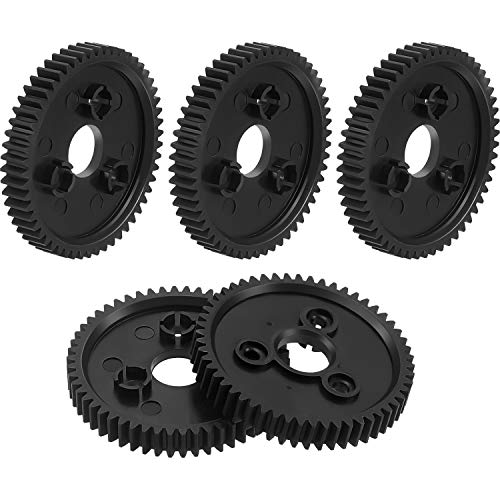

As an Amazon Associate, we earn from qualifying purchases.
Price as of Sep 21, 2026. Product prices and availability are accurate as of the date indicated and are subject to change. Any price and availability information displayed on Amazon at the time of purchase will apply.
Inputs
Result
Ratio = 40/20 = 2:1. d1=40mm, d2=80mm. Center = (40+80)/2 = 60mm.
Inputs
Result
Ratio = 60/15 = 4:1. d1=45mm, d2=180mm. Center = (45+180)/2 = 112.5mm.
Pitch diameter = module × number of teeth. A 20-tooth gear with module 2mm has a pitch diameter of 40mm. Module is the metric standard; diametral pitch (DP) is the imperial equivalent.
| Module (mm) | DP Equivalent | 20T Pitch Dia | 40T Pitch Dia |
|---|---|---|---|
| 1 | 25.4 DP | 20 mm | 40 mm |
| 2 | 12.7 DP | 40 mm | 80 mm |
| 3 | 8.5 DP | 60 mm | 120 mm |
Contact ratio should be at least 1.2 for smooth operation. Values above 1.4 are preferred. Contact ratio below 1.0 means teeth lose contact during rotation, causing impact and noise.
20° is the modern standard for most applications. 14.5° is legacy (smoother but weaker). 25° is for heavy-duty power transmission with higher tooth strength.
Center distance = (d1 + d2) / 2 = m × (Z1 + Z2) / 2. For a 20T and 40T pair at module 2: (40 + 80) / 2 = 60mm center distance.
Electronics, mechanical, and everyday tools
Last Updated: Sep 22, 2026
This calculator is provided for informational and educational purposes only. Results are estimates and should not be considered professional financial, medical, legal, or other advice. Always consult a qualified professional before making important decisions. UseCalcPro is not responsible for any actions taken based on calculator results.