1. Calculate
Choose your project scope and see the estimated price range.
Get a realistic 2026 estimate for your wedding florist by service level, guest-table count, bridal-party size, and flower tier — then compare quotes from local florists.
Instant project estimate
The estimate is free. Additional details are optional.
Complete the project details and calculate to see a price range and next steps.
Clear next step
Choose your project scope and see the estimated price range.
Understand the cost drivers and what impacts your final quote.
Carry your scope into a local quote request if you choose.
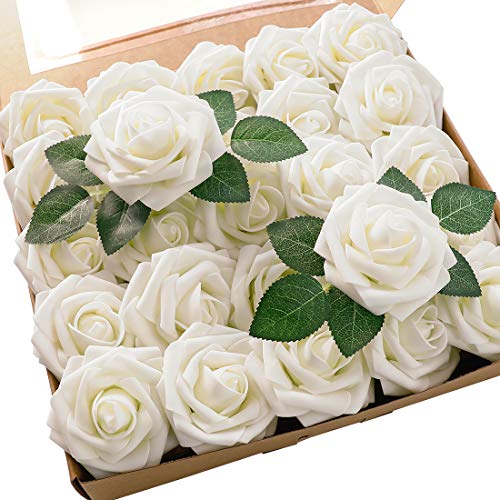

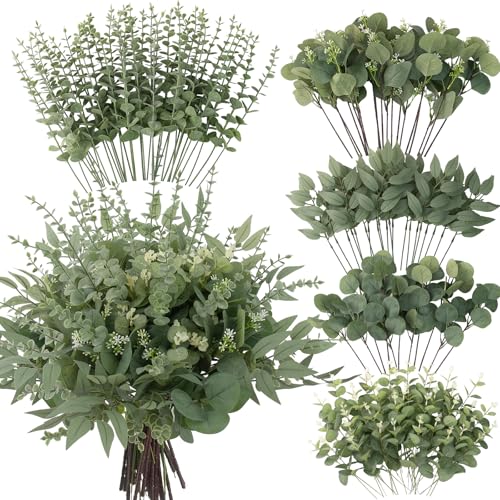
As an Amazon Associate, we earn from qualifying purchases.
Price as of Jul 24, 2026. Product prices and availability are accurate as of the date indicated and are subject to change. Any price and availability information displayed on Amazon at the time of purchase will apply.
Wedding flowers cost $2,000-$6,000 for most US couples in 2026, about 8-10% of the wedding budget: a bridal bouquet runs $150-$350, reception centerpieces $75-$300 per table, and a floral ceremony arch $200-$2,500.
Most US couples spend $2,000 to $6,000 on wedding flowers in 2026, which works out to roughly 8-10% of the total wedding budget. Simple, a-la-carte florals for an intimate wedding can run $500 to $1,500, while full-service designs with ceremony installations commonly land $3,000 to $6,000 and luxury weddings easily exceed $10,000. The biggest swing factors are how many guest tables need centerpieces, whether you add a ceremony arch, and whether you choose seasonal local blooms or premium imported flowers.
| Wedding Style | Typical Floral Spend | What It Covers |
|---|---|---|
| Intimate / elopement | $500-$1,500 | Bouquet, a few personals |
| Mid-size wedding | $2,000-$4,000 | Personals, 8-12 centerpieces |
| Full-service event | $4,000-$6,000 | Adds arch, aisle, setup |
| Luxury / statement | $10,000+ | Large installs, premium blooms |
A bridal bouquet costs $150 to $350 in 2026, with lush, premium-bloom bouquets reaching $400 or more. Bridesmaid bouquets run $65 to $125 each, and boutonnieres or corsages run $15 to $45. Reception centerpieces are the line item that scales fastest: a simple bud-vase arrangement starts around $75, a standard floral centerpiece runs $150 to $225 per table, and a tall or lush statement piece reaches $250 to $300. Multiply by your guest-table count and centerpieces alone can become the largest part of the bill.
A-la-carte means the florist arranges your flowers and you pick them up and set them out yourself — there is no on-site labor, so it is the cheapest option and fits small or DIY-friendly weddings. Full-service includes design consultation, sourcing, prep, delivery, on-site setup, and teardown, plus trained staff to install arches and reset arrangements between the ceremony and reception. That labor typically adds 25-40% over the raw flower cost, but for a 150-guest wedding with installations the savings from going a-la-carte shrink fast, because you take on the logistics and risk yourself.
A floral ceremony arch or altar piece costs $200 to $2,500 depending on coverage and bloom density. A partial or asymmetric arch with greenery and accent flowers sits at the low end ($200-$700), a fuller two-thirds-covered arch runs $800-$1,500, and a fully covered statement arch with premium blooms reaches $2,000 to $2,500. Aisle markers add $150 to $600 for the set, and many couples have the florist repurpose the arch flowers at the reception to stretch the budget rather than buying separate installations twice.
Yes — flower choice is one of the easiest levers to cut cost without cutting volume. Seasonal, locally grown blooms cost 30-60% less than out-of-season or imported flowers because there is no air-freight or cold-chain premium. Swapping peonies (a notoriously expensive, short-season flower) for in-season garden roses or ranunculus can drop a bouquet from $350 to under $200 with almost no visible difference in fullness. Greenery-forward designs and bud vases also stretch a budget, while premium imports like orchids and out-of-season peonies push it the other way.
Inputs
Result
Twelve standard centerpieces at about $200 each drive most of the cost, with the bridal-party personals and a covered arch on top. Full-service setup and teardown in a mid-cost region lands near the national average.
Inputs
Result
With no installations, no on-site labor, and seasonal local blooms, a small wedding stays near the floor. The couple picks up and sets out the arrangements themselves to skip delivery and setup fees.
Inputs
Result
Eighteen tall premium centerpieces, a fully covered arch, aisle installations, and imported blooms in a high-cost market push this to the luxury tier — still typical for a large statement wedding on the coast.
Total = Personals + (Centerpiece price x Tables) + Ceremony installs + Service/labor + Regional multiplierWedding floral pricing is built up item by item, then adjusted for service level and region. Start from the per-item costs, multiply centerpieces by table count, add ceremony installations, then layer labor and local rates on top.
Where:
Personals= Bridal bouquet $150-$350, bridesmaid bouquets $65-$125 each, boutonnieres/corsages $15-$45 eachCenterpiece price x Tables= Standard centerpiece $150-$225 per table (simple $75, tall/statement $250-$300) times the number of guest tablesCeremony installs= Floral arch $200-$2,500, aisle markers $150-$600 for the setService/labor= Full-service design, delivery, setup, and teardown adds roughly 25-40%; a-la-carte adds noneRegional multiplier= High-cost metros (NYC, SF, LA) run 20-40% above the national average; South and Midwest run belowAdjusted bloom cost = Base bloom cost x Tier factor (seasonal ~0.7, standard 1.0, premium ~1.4)Flower choice scales the bloom portion of the bill without changing arrangement count. Seasonal local flowers run well below imported or out-of-season blooms, so switching tiers moves the total even when the design stays the same.
Where:
Base bloom cost= The cost of flowers in a standard-tier design before any seasonal or premium adjustmentSeasonal ~0.7= In-season, locally grown blooms run 30-60% below importsPremium ~1.4= Peonies, orchids, and out-of-season imports run 30-60% above standardFlowers are one of the most visible parts of a wedding and one of the easiest line items to misjudge, because the same word covers everything from a single hand-tied bouquet to a ballroom full of statement installations. In 2026, most US couples spend $2,000 to $6,000 on their wedding florist, which lands at roughly 8 to 10 percent of the total wedding budget. The national average sits near $2,200 once you include the many small, simple weddings, but a full-service event with ceremony installations realistically runs $3,000 to $6,000, and luxury designs easily exceed $10,000.
The reason the range is so wide is that a wedding florist quote is built from several independent drivers, not a single flat fee. The number of guest tables that need centerpieces, the size of the bridal party, whether you add a ceremony arch, the tier of flowers you choose, and your region each move the total on their own. Use the calculator above to combine those inputs into a realistic figure for your wedding, then read on to understand what each one is actually pricing.
It also helps to know what a quote includes before you compare two of them. A full-service proposal bundles the flowers themselves with design time, sourcing, prep, delivery, on-site setup, and teardown. An a-la-carte order is flowers only — you handle transport and placement. That distinction is why two quotes for the same flower list can differ by hundreds of dollars: one is paying for labor and logistics, and the other is handing them to you.
| Wedding Style | Typical Floral Spend | Typical Items | Best For |
|---|---|---|---|
| Intimate / elopement | $500-$1,500 | Bouquet + a few personals | Small or DIY weddings |
| Mid-size wedding | $2,000-$4,000 | Personals + 8-12 centerpieces | 100-150 guests |
| Full-service event | $4,000-$6,000 | Adds arch, aisle, setup/teardown | Installations + labor |
| Luxury / statement | $10,000+ | Large installs, premium blooms | Statement designs |
Flowers typically run 8-10% of the wedding budget. If your overall budget is $35,000, a 9% floral allocation is about $3,150 — a useful sanity check against any quote you receive.
Wedding flowers are priced piece by piece, and knowing the per-item costs makes every quote easier to read. The bridal bouquet is usually the most expensive single item at $150 to $350, because it carries the most blooms and the most design attention; a lush, premium-bloom bouquet can reach $400 or more. Bridesmaid bouquets run $65 to $125 each, and the small personals — boutonnieres and corsages — run $15 to $45 apiece. For a typical five-person bridal party, the personals alone often total $400 to $700.
Centerpieces are the line item that scales fastest and most often surprises couples. A simple bud-vase grouping starts around $75 per table, a standard floral centerpiece runs $150 to $225, and a tall or lush statement arrangement reaches $250 to $300. Because you multiply that by every guest table, centerpieces frequently become the single largest part of the floral bill — twelve tables at $200 each is $2,400 before a single bouquet is counted. That is why the guest-table count is one of the most important inputs in the calculator above.
Smaller florals round out the order: cake flowers, toss bouquets, flower-girl petals, and arrangements for the guest book, bar, and restrooms. Individually they are minor, but together they commonly add $200 to $600. When you compare quotes, check that both proposals cover the same set of personals and accent pieces, because a lower headline number sometimes just leaves several of these off the list.
| Item | Typical 2026 Price | Notes |
|---|---|---|
| Bridal bouquet | $150-$350 | Most expensive single item |
| Bridesmaid bouquet | $65-$125 each | Multiply by party size |
| Boutonniere / corsage | $15-$45 each | Small but add up |
| Standard centerpiece | $150-$225/table | Tall/statement $250-$300 |
| Ceremony arch | $200-$2,500 | By coverage and density |
Centerpieces usually drive the bill more than bouquets. Cutting two guest tables, or dropping from tall statement pieces to standard arrangements, often saves more than trimming the personals.
After the flowers themselves, the second biggest driver is how much of the work the florist does for you. A-la-carte is the lean option: the florist arranges your flowers and you pick them up, transport them, and set them out yourself. There is no on-site labor, so it is the cheapest path and a good fit for small weddings or hands-on couples. The trade-off is that you own the logistics, the timing, and the risk if something wilts or breaks in transit.
Full-service flips that. It includes a design consultation, sourcing and prep, delivery to the venue, on-site setup, and teardown at the end of the night, plus trained staff to build arches and reset ceremony arrangements for use at the reception. That labor typically adds 25 to 40 percent over the raw flower cost, but it removes the single most stressful part of wedding-day flowers. Partial service sits in between — usually personals and centerpieces with limited delivery, but no major installations or teardown. The wedding budget calculator helps you see how the service tier you choose fits against the rest of your spending.
The math on a-la-carte savings changes with scale. For an intimate wedding with a few arrangements, doing it yourself can save real money. But once your order includes personals, ceremony flowers, and centerpieces for a 150-guest reception, the a-la-carte discount shrinks fast, because the volume of transport and setup becomes a job in itself. At that size, most couples find the full-service premium buys back their wedding morning — and the catering bill from the wedding catering cost calculator usually dwarfs the labor difference anyway.
| Service Level | What It Includes | Cost Impact | Best For |
|---|---|---|---|
| A-la-carte | Flowers only, you set up | Lowest | Small / DIY weddings |
| Partial | Personals + centerpieces, some delivery | Middle | Mid-size, no installs |
| Full-service | Design, delivery, setup, teardown | +25-40% labor | Installs + larger guest counts |
A-la-carte saves the most on small weddings. Past roughly 100 guests with a ceremony install, the transport and setup workload erodes the savings — and the risk falls entirely on you.
Three more factors move the bill without changing the arrangement count: the tier of flowers, the season, and where you marry. Flower choice is the easiest lever to pull. Seasonal, locally grown blooms cost 30 to 60 percent less than imported or out-of-season flowers, because there is no air-freight or cold-chain premium baked in. Premium blooms like peonies and orchids sit at the top of the scale, especially out of season, while garden roses, ranunculus, and greenery-forward designs deliver similar fullness for far less.
Season interacts with tier directly, because a flower that is premium in one month is affordable in another. Peonies in their short spring window cost a fraction of what they do shipped in during the off-season. The simplest budget move many florists suggest is to tell them your colors and your priorities and let them choose what is genuinely in season for your date, rather than naming a specific stem that has to be flown in. That single decision can drop a bouquet from $350 to under $200 with almost no visible difference.
Region is the last multiplier. High-cost metros like New York, San Francisco, and Los Angeles run 20 to 40 percent above the national average for the same design, while the South and Midwest run below it. Local supply matters too: a wedding near flower-growing regions has cheaper access to fresh seasonal stems than one in a remote area that has to ship everything in. Once you have a floral number, the wedding vendor tip calculator helps you plan customary gratuity for the florist and your other vendors so the final out-the-door cost holds no surprises.
The cheapest upgrade is timing, not negotiation. Choosing a flower that is in season for your wedding date does more for the budget than haggling on the quote.
The best way to control floral cost is to give the florist a clear budget and your top priorities up front, then let them design within it. Florists are used to working backward from a number, and a good one will steer you toward in-season blooms and high-impact placements rather than spreading a thin budget across every table and corner. Get two or three written proposals that itemize the personals, the centerpiece count and style, any ceremony installations, and exactly which service level — a-la-carte, partial, or full-service — is included, so the quotes are genuinely comparable.
Watch for the gaps that make a low quote look better than it is. A proposal that omits delivery, setup, teardown, or several accent arrangements will read cheaper until those items reappear as add-ons. Confirm whether the florist will repurpose ceremony flowers at the reception, because moving the arch blooms onto the head table or sweetheart table avoids paying for two separate installations. Ask about the minimum spend too — many full-service florists set one, often $1,500 to $3,000, below which they will not book a wedding date.
Finally, match the tier to the moment that matters most to you. Couples who care about photographs often invest in the bridal bouquet and the ceremony backdrop, where the camera lingers, and economize on guest-table centerpieces with simpler, candle-supported designs. The steps below walk the hiring decision in order, and the calculator above gives you the realistic range to bring into that first conversation so you are negotiating from a number, not a guess.
Never pick a florist on headline price alone. The cheapest quote often leaves out setup, teardown, or accent pieces — confirm the full scope before you compare, or the savings vanish as add-ons.
Set a floral budget
Aim for 8-10% of your total wedding budget and decide your top priority — bouquet, arch, or overall fullness — before you reach out.
Collect two to three itemized quotes
Insist each one lists personals, centerpiece count and style, ceremony installs, and the service level included.
Confirm the service level
Clarify whether delivery, setup, and teardown are included or billed as add-ons, since that swings the total 25-40%.
Ask about repurposing and minimums
Find out if ceremony flowers move to the reception, and whether the florist has a minimum spend for your date.
Choose seasonal where you can
Let the florist pick in-season blooms for your colors to cut 30-60% off the flower portion with no loss of fullness.
Read our guide
Read our guide
Read our guide
Price florists, catering, photography, and vendor tips, then build a full wedding budget that actually balances.
Last Updated: Sep 17, 2026
This calculator is provided for informational and educational purposes only. Results are estimates and should not be considered professional financial, medical, legal, or other advice. Always consult a qualified professional before making important decisions. UseCalcPro is not responsible for any actions taken based on calculator results.