Valentine's Day Budget 2026: How Much to Spend Without Going Broke
Americans will spend a record $29.1 billion on Valentine's Day 2026 — $199.78 per person on average. The biggest categories: jewelry ($7B), dining out ($6.3B), clothing ($3.5B), and flowers ($3.1B). Whether you are planning a grand romantic gesture or a thoughtful evening on a budget, knowing these numbers helps you spend intentionally instead of emotionally.
A first Valentine's Day together can easily cost $380: a prix fixe dinner at a steakhouse downtown ($165 for two), a premium bouquet of two dozen red roses bought on February 13 ($95 at a local florist — marked up 40% from the week before), and a panic-bought gold bracelet at the mall ($120) to make the flowers and dinner feel like "enough." The following year, with more planning: a home-cooked lobster tail dinner ($45 in ingredients), flowers ordered online two weeks early ($38), and a handmade card with a letter inside. Total: $83 — often rated the better Valentine's Day of the two. Planning beats panic every time.
Use our Valentine's Day Budget Calculator to build a personalized spending plan before February 14 — it breaks down every category so you know exactly where your money goes.
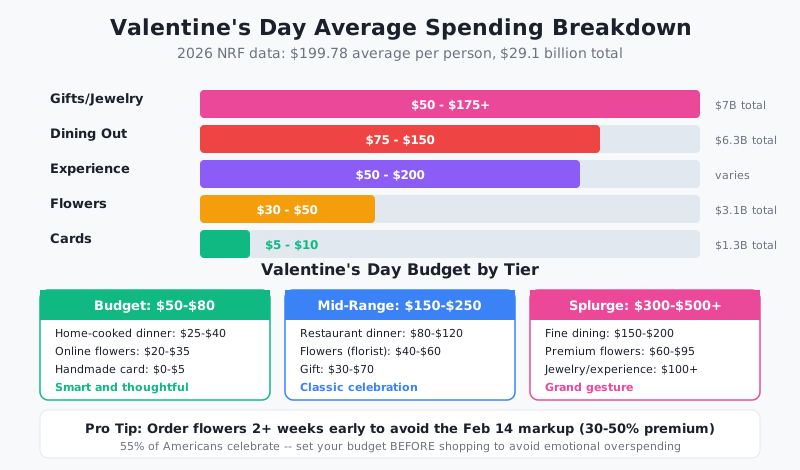
Valentine's Day 2026 Spending: By the Numbers
The National Retail Federation (NRF) projects Valentine's Day 2026 will shatter every previous record. Here is how the $29.1 billion breaks down.
Overall Statistics
- Total spending: $29.1 billion (up from $27.5B in 2025)
- Average per person: $199.78 (up from $188.81 in 2025)
- Percentage celebrating: 55% of consumers
- Spending on significant others: $14.5 billion
Spending by Gift Category
| Category | Total Spending | % of Shoppers Buying | Avg. Per Buyer |
|---|---|---|---|
| Jewelry | $7.0B | 25% | ~$175 |
| Evening Out | $6.3B | 39% | ~$100 |
| Clothing | $3.5B | 22% | ~$100 |
| Flowers | $3.1B | 41% | ~$47 |
| Candy | $2.6B | 56% | ~$29 |
| Gift Cards | $2.5B | 21% | ~$74 |
| Greeting Cards | $1.5B | 41% | ~$23 |
| Pets | $2.1B | 35% | ~$38 |
Notice the gap between popularity and dollar volume. Candy is the most popular gift — 56% of people buy it — but jewelry dominates total spending because of higher price points. For the 10th consecutive year, jewelry leads all Valentine's Day gift categories by total dollars.
Tip
Track your Valentine's spending against your monthly budget. A $200 Valentine's Day is roughly 5% of a $4,000 monthly take-home pay. Use our Budget Calculator to make sure your Valentine's plan fits within your "wants" category under the 50/30/20 rule.
Year-Over-Year Growth
| Year | Total Spending | Per Person Average | Change |
|---|---|---|---|
| 2022 | $23.9B | $175.41 | — |
| 2023 | $25.9B | $192.80 | +10% |
| 2024 | $26.0B | $185.81 | +0.4% |
| 2025 | $27.5B | $188.81 | +5.8% |
| 2026 | $29.1B | $199.78 | +5.8% |
Valentine's Day spending has increased by over 30% since 2021, outpacing general inflation over the same period. The trend is clear: Americans keep spending more, which makes budgeting more important than ever.
How Much to Spend by Relationship Stage
One of the most searched Valentine's Day questions is "how much should I spend?" The answer depends heavily on where you are in your relationship. Here is a practical guide based on NRF consumer data and relationship advice surveys.
| Relationship Stage | Suggested Budget | What to Prioritize |
|---|---|---|
| First few dates (< 3 months) | $25 – $55 | Thoughtful card, small gift, casual dinner |
| Dating exclusively (3–12 months) | $55 – $120 | Nice dinner, flowers, personal gift |
| Committed / Living together | $100 – $200 | Experience together, jewelry, quality time |
| Married (5+ years) | $75 – $250 | Depends on tradition; experience > stuff |
| Long-distance | $50 – $150 | Delivery gifts, video date, care package |
Key Principles
New relationships: Keep it light. Spending $200 on someone you have been dating for six weeks can feel overwhelming — for both of you. A $30 bouquet and a handwritten card says more than an expensive necklace at this stage.
Long-term relationships: Your partner knows your financial situation. Authenticity beats price tags. Many couples in committed relationships agree on a spending limit beforehand, which takes the guesswork out entirely.
Married couples: The NRF data shows married couples often shift toward experiences — a weekend trip, a cooking class, or a spa day — rather than physical gifts. The per-person average for married couples skews lower than for dating couples because the pressure to "impress" is replaced by mutual planning.
Tip
Have the budget conversation early. Agree on a spending range with your partner before Valentine's Day. It eliminates anxiety on both sides and lets you focus on what matters: the gesture, not the price tag.
Valentine's Day Flowers: What They Really Cost
Flowers are the second most popular Valentine's gift (41% of consumers buy them), but prices swing wildly depending on where and when you buy. According to floral industry pricing data, timing your purchase can save you 30–50%.
Flower Price Comparison (Dozen Red Roses)
| Source | Off-Peak Price (Jan 15 – Feb 5) | Peak Price (Feb 8 – 14) | Delivery Cost |
|---|---|---|---|
| Local Florist | $45 – $65 | $75 – $120 | $0 – $15 |
| Online Florist (1-800-Flowers, FTD) | $50 – $70 | $80 – $110 | $15 – $25 |
| Grocery Store (Kroger, Safeway) | $15 – $25 | $25 – $40 | N/A (pickup) |
| Warehouse Club (Costco, Sam's) | $15 – $20 | $20 – $30 | N/A (pickup) |
| Farmers Market | $20 – $35 | $30 – $50 | N/A (pickup) |
Warning
Flower prices spike 7–10 days before Valentine's Day. A dozen long-stemmed red roses that costs $45 on January 25 can jump to $85+ by February 10. In 2026, Valentine's Day falls on a Saturday, which means florists may raise prices as early as February 5. Order by February 1 for the best deals.
How to Save on Flowers
- Order 2 weeks early from an online florist with a guaranteed delivery date — you will pay off-peak prices even though delivery arrives on February 14.
- Buy from grocery stores or Costco — roses are often under $2 per stem compared to $4.50+ at online florists.
- Skip red roses entirely. Tulips, sunflowers, and mixed arrangements cost 30–40% less than classic red roses and feel more personal.
- Consider potted plants. A potted orchid ($20–$35) lasts months instead of days and avoids the Valentine's markup entirely.
The average American plans to spend $47 on flowers for Valentine's Day. If you order early from a grocery store, you can cut that to under $25 and put the savings toward dinner or a more meaningful gift.
Valentine's Day Dinner: Restaurant vs. Home
Dining out is the third biggest Valentine's spending category at $6.3 billion. But is a restaurant dinner actually worth the premium? Here is a real cost comparison.
Restaurant Dinner for Two
| Restaurant Type | Average Cost (2 people) | Includes |
|---|---|---|
| Fast Casual (Olive Garden, Bertucci's) | $50 – $80 | Entrees, drinks, dessert |
| Mid-Range (Local bistro) | $100 – $150 | Prix fixe or a la carte |
| Upscale (Fine dining) | $150 – $300+ | Multi-course prix fixe, wine pairing |
Add 20% tip on top. A $120 dinner becomes $144 after tip. Use our Tip Calculator to figure the right amount — especially on prix fixe menus where tipping etiquette can be confusing.
According to OpenTable, guests spend 21% more per person on Valentine's Day compared to other occasions, partly because restaurants offer special prix fixe menus at premium prices.
Home-Cooked Dinner for Two
| Meal Option | Ingredient Cost | Prep Time |
|---|---|---|
| Steak & lobster tail with sides | $40 – $60 | 45 min |
| Pasta with homemade sauce & salad | $15 – $25 | 30 min |
| Sushi night (DIY rolls) | $25 – $40 | 60 min |
| Charcuterie board & wine | $30 – $50 | 20 min |
A home-cooked steak dinner with a $20 bottle of wine costs roughly $60–$80 total — about what you would spend at a mid-range restaurant before tip. The difference: no reservations, no waiting, no noise, and you keep the leftovers.
Tip
Dine out on February 13 or 15 instead. Many restaurants offer the same Valentine's menu at regular prices on the days surrounding the holiday. You skip the crowds, get better service, and save 20–30% compared to the February 14 premium.
The Verdict
Cooking at home saves $50–$150 compared to dining out at equivalent quality. If your partner values the experience of a restaurant, look for early-bird prix fixe deals or try a weeknight Valentine's dinner the week before when prices are normal.
Top Valentine's Day Gift Categories Ranked by Cost
Not sure where to allocate your budget? Here is every major category ranked by what you will actually pay.
Gift Category Breakdown
| Rank | Category | Average Cost | Best For |
|---|---|---|---|
| 1 | Jewelry | $100 – $500+ | Committed relationships, milestone dates |
| 2 | Experience (trip, spa, event) | $75 – $300 | Couples who prefer memories over stuff |
| 3 | Clothing/Accessories | $40 – $150 | When you know their taste well |
| 4 | Electronics/Gadgets | $50 – $200 | Tech-loving partners |
| 5 | Flowers | $25 – $95 | Universal — works at any stage |
| 6 | Gift Cards | $25 – $75 | When you are unsure what they want |
| 7 | Candy/Chocolate | $10 – $50 | Add-on gift, office Valentine's |
| 8 | Greeting Cards | $5 – $15 | Essential (never skip the card) |
| 9 | Homemade/DIY | $5 – $30 | Personal touch on any budget |
The NRF data shows that 83% of those celebrating plan to buy a gift for a significant other, so skipping gifts entirely is not the norm. But the type of gift matters far more than the price.
3 Valentine's Day Budgets: $55, $180, and $450
Here are three fully planned Valentine's Day budgets at different price points. Each one delivers a complete experience.
Budget A: The Thoughtful $55
| Item | Cost | Details |
|---|---|---|
| Grocery store flowers | $18 | Mixed bouquet (not red roses) |
| Home-cooked pasta dinner | $15 | Fresh pasta, sauce, salad, bread |
| Wine | $12 | Mid-range bottle from the grocery store |
| Handmade card + letter | $2 | Cardstock + your words |
| Chocolate truffles | $8 | Small box from a local shop |
| Total | $55 |
This budget works for new relationships, tight months, or anyone who values intention over expense. The handmade card is the star — a heartfelt letter costs almost nothing and means more than most gifts.
Budget B: The Classic $180
| Item | Cost | Details |
|---|---|---|
| Online florist roses (ordered early) | $45 | Dozen roses, delivered Feb 14 |
| Mid-range restaurant dinner | $85 | Two entrees, appetizer, dessert |
| Tip (20%) | $17 | On the dinner |
| Greeting card | $8 | Premium card from a boutique |
| Small gift (book, candle, skincare) | $25 | Something personal |
| Total | $180 |
This covers all the bases: flowers, dinner, card, and a personal gift. It is close to the national average of $199.78 but more intentional because every dollar is planned.
Budget C: The Grand $450
| Item | Cost | Details |
|---|---|---|
| Local florist arrangement | $85 | Custom arrangement with premium flowers |
| Upscale restaurant dinner | $175 | Prix fixe with wine pairing |
| Tip (20%) | $35 | On the dinner |
| Jewelry or experience gift | $130 | Necklace, earrings, or spa package |
| Premium chocolate | $25 | Artisanal box |
| Total | $450 |
This is for milestone celebrations — anniversaries, engagements, or making up for last year. If this stretches your finances, scale back to Budget B. No romantic gesture is worth credit card debt.
Warning
Do not fund Valentine's Day with credit card debt. If $200 on Valentine's Day means carrying a balance at 22% APR, that "romantic" dinner will cost you $244 by the time you pay it off. Check your spending limits with our Budget Calculator before committing.
7 Ways to Save on Valentine's Day Without Being Cheap
1. Set a Budget Before You Shop
Decide on a number before you browse. When you shop without a limit, you will always spend more than you intended. Our Valentine's Day Budget Calculator walks you through each category so you do not forget anything.
2. Order Flowers by February 1
Flower prices increase 40–60% in the week before Valentine's Day. Ordering two weeks early at off-peak prices and scheduling delivery for February 14 gives you the same flowers for significantly less. Grocery store roses at $1.50–$2.00 per stem beat online florists at $4.50+ per stem.
3. Cook at Home (Even If You Are Not a Chef)
A simple steak-and-salad dinner costs $40–$60 in ingredients and takes 45 minutes. YouTube has thousands of "Valentine's dinner for two" tutorials. Add candles and a playlist, and you have an experience that rivals most restaurants.
4. Shift Your Date Night Off-Peak
Celebrate on February 13, 15, or even the following weekend. Restaurants are less crowded, service is better, and many still offer their Valentine's specials at regular prices. You also avoid the stress of fighting for a 7 PM reservation.
5. Do a "No-Buy" Week Before Valentine's Day
Cut discretionary spending for the week leading up to February 14, and redirect that money into your Valentine's budget. If you normally spend $30–$50 on coffee, takeout, and impulse purchases per week, that is your Valentine's fund. Try our No-Buy Challenge Calculator to see how much you could save.
6. Give an Experience Instead of a Thing
Experiences create stronger memories than physical gifts, according to research from Cornell University. A cooking class ($40–$80 per couple), pottery workshop ($50–$70), or even a sunrise hike (free) can mean more than a piece of jewelry that sits in a drawer.
7. Write a Letter
This costs less than $1 and is consistently rated as one of the most meaningful Valentine's gifts in consumer surveys. A handwritten letter about why you love someone, specific memories you cherish, and what you are looking forward to together requires zero budget and maximum effort — the best ratio in gift-giving.
Valentine's Day for Everyone: Friends, Family, and Pets
Valentine's Day is no longer just for romantic partners. The NRF reports that spending extends well beyond significant others.
Who Are People Buying For?
| Recipient | % of Consumers Buying | Average Spent |
|---|---|---|
| Significant other | 83% | ~$109 |
| Friends | 30% | ~$15 |
| Family members | 28% | ~$20 |
| Children's classmates | 22% | ~$10 |
| Co-workers | 15% | ~$8 |
| Pets | 35% | ~$38 |
The Pet Valentine's Boom
Here is a stat that surprises most people: 35% of consumers plan to buy Valentine's gifts for their pets in 2026, spending a collective $2.1 billion. That is up from just 19% a decade ago. Americans are now more likely to buy a Valentine's gift for their pet than for a friend or coworker.
Popular pet Valentine's gifts include:
- Special treats and chews ($5–$15)
- New toys ($8–$20)
- Bandanas or bowties ($5–$12)
- "Puppy love" gift boxes ($15–$30)
The average pet owner spends about $31 on their dog and $27 on their cat for Valentine's Day.
Galentine's Day (February 13)
Galentine's Day — celebrating friendships — has grown into a significant spending event. Group dinners, small gift exchanges, and spa days with friends are increasingly common. Budget $10–$25 per friend for a small but thoughtful gift: a candle, a face mask set, or gourmet chocolate.
How to Plan Your Valentine's Day Budget Step by Step
Here is a quick planning framework you can follow right now.
Step 1: Check your monthly budget. Open our Budget Calculator and see how much room you have in your "wants" category this month.
Step 2: Decide on a total number. Based on your relationship stage and financial situation, pick a target from the budget tables above.
Step 3: Allocate by category. Use our Valentine's Day Budget Calculator to split your total across flowers, dinner, gifts, and extras.
Step 4: Order early. Flowers and reservations booked by February 1 save 20–40% and guarantee availability.
Step 5: Track what you actually spend. After Valentine's Day, compare your plan to your actual spending. This builds the habit of intentional spending that carries into every other area of your finances. Our 50/30/20 budget framework can help you keep that momentum going.
Frequently Asked Questions
How much does the average person spend on Valentine's Day?
The average American plans to spend $199.78 on Valentine's Day in 2026, according to the National Retail Federation. This is a record high, up from $188.81 in 2025. However, this is an average — many people spend far less. About 55% of Americans celebrate Valentine's Day at all, and younger adults (18–34) tend to spend more than older demographics. Use our Valentine's Day Budget Calculator to find the right amount for your situation.
How much should you spend on Valentine's Day by relationship stage?
For new relationships (under 3 months), $25–$55 is appropriate — a small gift and casual dinner. For exclusive dating relationships, $55–$120 covers flowers, a nice dinner, and a personal gift. Committed couples typically spend $100–$200, while married couples range widely from $75–$250 depending on their traditions and financial priorities.
How much do Valentine's Day flowers cost in 2026?
A dozen long-stemmed red roses costs $65–$85 during peak Valentine's week (February 8–14) from a florist, but only $35–$50 when ordered between January 15 and January 31. Grocery store roses are the best deal at $15–$25 even during peak week. Online florists like 1-800-Flowers charge $4.50+ per stem plus $15–$25 delivery fees. The most effective strategy is to order from a grocery store or warehouse club by early February.
Is it cheaper to cook at home for Valentine's Day?
Yes — significantly. A home-cooked steak and lobster dinner for two costs $40–$60 in ingredients, while a comparable restaurant meal runs $120–$180 before tip. Even a simple pasta dinner at home costs just $15–$25. Cooking at home saves $50–$150 compared to eating out, and many people find the experience more intimate. The trade-off is preparation time (30–60 minutes) and cleanup.
Do men really spend more than women on Valentine's Day?
Yes. NRF data consistently shows that men spend roughly twice as much as women on Valentine's Day. In 2026, men are expected to spend an average of $291 compared to $118 for women. This gap has persisted for over a decade, though it has narrowed slightly as social norms around Valentine's gifting evolve. The disparity is largely driven by jewelry purchases — men account for the majority of jewelry spending on Valentine's Day.
What percentage of people buy Valentine's gifts for pets?
A record 35% of consumers plan to buy Valentine's Day gifts for their pets in 2026, up from 19% a decade ago. Total pet Valentine's spending is expected to reach $2.1 billion. The average pet owner spends about $31 on their dog and $27 on their cat. People are now more likely to buy a Valentine's gift for a pet than for a friend or coworker.
Related Articles
- 50/30/20 Budget Guide — Learn the budgeting framework that makes room for holiday spending without wrecking your savings goals.
- Debt Payoff Complete Guide — If Valentine's spending has you carrying a balance, this guide maps out the fastest way to pay it off.
- Credit Card Payoff Guide — Calculate exactly how long it takes to pay off that Valentine's dinner if you only make minimum payments.
Related Calculators
- Valentine's Day Budget Calculator — Plan your February 14 spending across every category
- Budget Calculator — See how Valentine's fits into your monthly spending plan
- Tip Calculator — Calculate the right tip on your Valentine's dinner
- No-Buy Challenge Calculator — Save up for Valentine's by cutting discretionary spending
This article provides general spending information for educational purposes. Prices vary by location and may change.
This article is provided for informational and educational purposes only. Content should not be considered professional financial, medical, legal, or other advice. Always consult a qualified professional before making important decisions. UseCalcPro is not responsible for any actions taken based on the information in this article.
Try These Calculators
Plan your Super Bowl or game day party budget. Calculate food, drinks, and decoration costs per guest. Average party costs $175 — see how yours compares.
Estimate 2026 wedding florist costs by service level, guest tables, bridal party, and flower tier. Full-service wedding flowers typically run $2,000 to $6,000.
Plan your Valentine's Day spending with our free budget calculator. Get cost breakdowns for gifts, dinner, flowers, and more based on real spending data.
Calculate how much you'll save with a no-buy or low-buy challenge in 2026. Enter your actual discretionary spending to see your total savings potential.
Calculate how much the 2026 egg price surge really costs your family weekly and yearly. With eggs at $5.90/dozen, see your extra annual spending impact.