1. Calculate
Choose your project scope and see the estimated price range.
Get a realistic 2026 estimate to install or replace a bathroom exhaust fan by job type, venting path, fan style, and electrical work — then compare quotes from local pros.
Instant project estimate
The estimate is free. Additional details are optional.
Complete the project details and calculate to see a price range and next steps.
Clear next step
Choose your project scope and see the estimated price range.
Understand the cost drivers and what impacts your final quote.
Carry your scope into a local quote request if you choose.


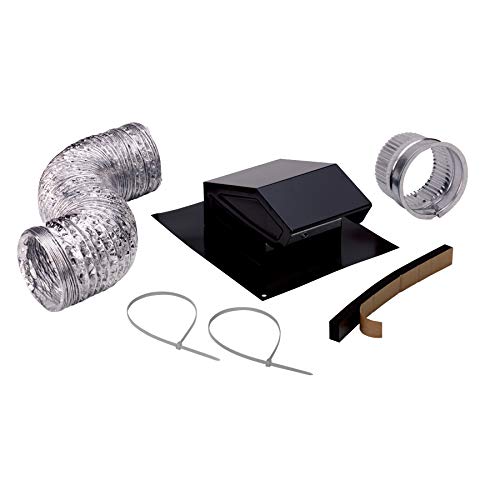
As an Amazon Associate, we earn from qualifying purchases.
Price as of Sep 17, 2026. Product prices and availability are accurate as of the date indicated and are subject to change. Any price and availability information displayed on Amazon at the time of purchase will apply.
Bathroom exhaust fan installation costs $250 to $800 for most US homes in 2026, with a national average near $396. A like-for-like replacement reusing the existing duct and wiring runs $150 to $550, a new fan vented through a wall costs $250 to $800, and venting a new fan through the roof or adding a heater combo and a dedicated circuit pushes the total to $950 or more.
Most US homeowners pay $250 to $800 to install a bathroom exhaust fan in 2026, with a national average around $396 and an overall range of $119 to $900. A like-for-like replacement that reuses the existing duct and wiring is the cheapest job at $150 to $550. Installing a brand-new fan that must be vented to the outside runs $250 to $950, depending on whether the duct exits through a wall or the roof. The fan unit itself is extra if the installer supplies it, typically $20 to $400.
| Job Type | Typical Total | What It Covers |
|---|---|---|
| Replacement (existing duct) | $150 to $550 | Swap fan, reuse duct and wiring |
| New fan, wall vent | $250 to $800 | New duct run through exterior wall |
| New fan, roof vent | $350 to $950 | Attic run, roof cap, plus permit |
| Fan-light-heater combo | $300 to $1,000 | Often needs a dedicated circuit |
Venting path is the single biggest swing in a bathroom fan install. Reusing an existing duct keeps you at the low end because the hardest part already exists. A new wall run is the next cheapest at $250 to $800 — it needs only one exterior-wall penetration and a vent cap. A roof run is the most expensive at $350 to $950 because it requires attic access, a roof penetration, proper flashing, and a weatherproof cap to stay leak-free. A first-time duct run alone adds $100 to $400 on top of the base labor.
A combo unit raises both the equipment and the wiring cost. A basic fan is $20 to $50, a fan-and-light is $100 to $175, and a fan-light-heater combo is $125 to $350 for the unit alone. The bigger jump is electrical: heater combos draw 1,000 to 1,500 watts and can overload a shared bathroom circuit, so they often require a new dedicated circuit that adds $150 to $400. Replacing a fan with a heater combo runs $155 to $640 all-in when the existing circuit can handle the load.
If you supply the fan, you are paying for labor and small materials. Electricians and handymen charge $40 to $100 per hour, and a bathroom fan install takes 4 to 8 hours depending on attic access and ductwork, so labor alone lands at $200 to $800. A straight replacement onto an existing duct and circuit is at the low end, while a new fan that needs a duct run, a roof penetration, and new wiring sits at the high end. Always confirm whether a quote is labor-only or includes the fan before comparing bids.
No — a bathroom fan must vent to the outside. Code (IRC Section M1507.2) prohibits venting into an attic, crawlspace, or wall cavity because trapped moisture causes mold, insulation damage, and structural rot. Many jurisdictions require a permit when you add new ducting, change the fan location, or run a new circuit, and a licensed contractor should pull it. Skipping the permit to save $50 to $200 can fail inspection at resale, and venting into the attic to save on a duct run almost always costs far more in moisture damage later.
Inputs
Result
Swapping a fan onto an existing duct and circuit is the cheapest job: a couple hours of labor with no duct or electrical add-ons.
Inputs
Result
A first-time wall vent stacks base labor, a new duct run, a wall cap, and added wiring for the light switch into the mid-hundreds.
Inputs
Result
A roof penetration, a dedicated 1,500W circuit, the combo unit itself, and a premium labor market all stack toward the top of the range.
Total = Base labor + New duct run + Electrical work + Fan unit (if supplied) + PermitA bathroom fan install is priced from a base labor figure for the job type, then adds any new duct run to the exterior, electrical work, the unit itself if the installer supplies it, and a permit when new duct or wiring is involved.
Where:
Base labor= Replacement $150 to $350; new install $250 to $800 at $40 to $100 per hour over 4 to 8 hoursNew duct run= First-time duct to the exterior adds $100 to $400; roof runs cost more than wall runsElectrical work= Add wiring $100 to $250, or run a new dedicated circuit $150 to $400 (common for heaters)Fan unit= Add $20 to $400 if the installer supplies it: basic $20 to $50, fan-light $100 to $175, heater combo $125 to $350CFM needed = Bathroom square feet x 1.1 (or 1 CFM per sq ft, minimum 50 CFM)Size the fan to the room so it clears humidity quickly. A common rule is at least 1 CFM per square foot of floor area, with a 50 CFM floor for any bathroom and more for large or high-ceiling rooms.
Where:
Bathroom square feet= Floor area: length times width of the bathroomx 1.1= Roughly 1 CFM per square foot, rounded up to the next standard fan sizeminimum 50 CFM= No bathroom fan should be rated below 50 CFM regardless of room sizeInstalling a bathroom exhaust fan looks like a small job until you price it and find the number can swing from roughly $120 to $1,400. In 2026, the typical US homeowner pays $250 to $800 to install a bathroom fan, with a national average near $396 and an overall range of $119 to $900. The spread is wide because the phrase covers everything from swapping a fan onto an existing duct in under two hours to cutting a brand-new vent through the roof, running a dedicated circuit for a heater, and patching the ceiling afterward.
The cheapest path is a like-for-like replacement. If a working duct and circuit are already in place, the pro removes the old fan, mounts the new one, reconnects the duct, and tests it — that is $150 to $550 all-in. The most expensive jobs combine three drivers at once: a first-time vent that must be routed outside, a fan-light-heater combo that needs new wiring, and a roof penetration. Stack those and the total climbs toward $950 to $1,400, and a high-cost metro or tricky attic access pushes it higher still. Use the calculator above to land on a figure for your exact setup before collecting quotes.
It pays to know what a quote does and does not include. A standard install price covers removing the old unit, mounting the new fan, connecting it to an existing vent, and a basic test. It usually excludes the fan itself if you did not buy it, any new ductwork to the outside, electrical upgrades, the permit, and drywall patching. When two quotes look far apart, the gap is almost always one of those line items — most often whether a new duct run or the unit price is bundled in or billed separately.
| Job Type | Typical Total | Job Time | What It Covers |
|---|---|---|---|
| Replacement (existing duct) | $150 to $550 | 1 to 3 hrs | Swap fan, reuse duct and wiring |
| New fan, wall vent | $250 to $800 | 4 to 6 hrs | New duct run through exterior wall |
| New fan, roof vent | $350 to $950 | 5 to 8 hrs | Attic run, roof cap, plus permit |
| Fan-light-heater combo | $300 to $1,000 | 5 to 8 hrs | Often needs a dedicated circuit |
The fastest way to keep an install cheap is to reuse the existing duct and circuit. A like-for-like swap is often under $550 — most of the price jumps come from new ducting and new wiring, not the fan itself.
The first question any estimate hinges on is whether you are replacing a fan that already exists or adding one where there has never been ventilation. A replacement is the friendlier job: the ceiling opening, the duct, and the wiring are already there, so the pro mostly removes the old housing and drops in the new unit. That work runs $150 to $550 and takes one to three hours, making it the most predictable bathroom-fan project you can buy.
A brand-new installation is a different animal because nothing is in place yet. The installer has to cut a new ceiling opening, frame and mount the housing, run a duct all the way to the exterior, add or extend wiring, and create a roof or wall cap. That is why a new fan vented outside runs $250 to $950 and frequently triggers a permit. If your bathroom has never had a fan and you are sizing one for the first time, run the bathroom fan CFM calculator first so you buy a unit that actually clears the humidity in your room.
There is a middle case worth flagging: relocating a fan. Moving a fan to a better spot in the ceiling is priced like a new install, not a swap, because the old opening must be patched and a fresh duct and circuit routed to the new location. Expect $300 to $800 for a relocation, and budget separately for the drywall repair and repaint, which many quotes leave out. When in doubt, ask the contractor to itemize the patch-and-paint line so it does not become a surprise on the final invoice.
Ask whether a quote is for a swap or a true new install. A surprisingly low number almost always assumes a working duct, circuit, and ceiling opening are already there — the gap reappears as a change order on install day.
Venting is where bathroom fan quotes diverge the most. The cheapest scenario is reusing an existing duct that already exits the home — you get real exterior venting at labor-only prices because the hard part is done. The next step up is a new wall run, which needs a single exterior-wall penetration and a vent cap and lands the job at $250 to $800. A first-time duct run on its own adds $100 to $400 to the base labor, and a short wall route sits at the low end of that band.
Routing a new duct through the roof is the priciest path at $350 to $950 plus permit. A roof vent demands attic access, a clean penetration through the sheathing, proper flashing so it stays watertight, and a weatherproof cap. Each of those steps adds labor and risk that a side-wall vent avoids, which is why the same fan can cost a few hundred dollars more when it has to go up and out the roof. If the duct work is part of a larger ventilation project, the ductwork installation cost calculator prices that run in isolation so you can see what the venting line item is truly worth.
Whatever path you choose, the duct must terminate outside the building. Venting into an attic, soffit, or crawlspace violates code (IRC Section M1507.2) and dumps warm, moist air into spaces that grow mold and rot framing within a season or two. Insist on rigid or insulated duct, the shortest practical route, and a verified exterior cap. The few hundred dollars saved by stopping the duct short almost always returns as a four-figure moisture-remediation bill down the road.
| Venting Option | Added Cost | Vents Outside? | Right For |
|---|---|---|---|
| Reuse existing duct | $0 (labor only) | Yes | Replacing an existing vented fan |
| New wall run | +$100 to $400 | Yes | Exterior wall near the bathroom |
| New roof run | +$200 to $500 | Yes | Interior bathrooms, no wall path |
| Into attic (never) | Code violation | No | Not allowed by IRC M1507.2 |
Never let an installer vent the fan into the attic to save on a duct run. It violates code and traps moisture that causes mold and structural rot far costlier than the venting you skipped.
The fan type sets both the equipment price and the wiring work. A basic fan-only unit is $20 to $50, a fan-and-light combo is $100 to $175, and a fan-light-heater combo is $125 to $350 for the unit alone. The light adds a second switch leg but little labor; the heater is the real cost driver because it changes the electrical picture entirely. Replacing a plain fan with a heater combo runs $155 to $640 all-in when the existing circuit can carry the new load.
Heaters draw serious power — typically 1,000 to 1,500 watts — which can overload a shared bathroom circuit that already feeds outlets and lights. When that happens, an electrician must run a new dedicated circuit from the panel, adding $150 to $400 to the project. Lower-wattage fan-light combos usually tie into existing wiring, while high-output heater units are the ones most likely to require a new line, a larger breaker, and an inspection. Confirm your panel has a spare breaker slot before committing to a heater combo.
Even without a heater, bathrooms have their own electrical rules because they are wet locations. Switches and any outlets near the fan should be on GFCI protection, and adding a humidity sensor or timer switch is a small upgrade that pays off in lower runtime. If your fan project overlaps with outlet or switch work, the GFCI outlet installation cost calculator prices the code-required protection so you can bundle the electrician visit and avoid a second trip fee.
Two identical bathrooms can get quotes that differ by hundreds of dollars, and the variance is rarely random. Installers start from a base labor figure for the job type, then add for the workload your specific bathroom creates — the duct path, the wiring, the ceiling height, and how hard the fan is to reach from the attic. Labor and access make up the overwhelming majority of the bill once the unit is bought, and labor alone spans $200 to $800 at $40 to $100 per hour over 4 to 8 hours.
Read every quote against the factors below. If an installer cannot explain how your venting or electrical situation maps to their price, the number is a guess that will be revised upward once they open the ceiling and see what is actually above it. The chart that follows shows roughly how a typical mid-range install divides between the major cost buckets.
Region is the quiet multiplier on top of all of it. The same fan that costs $300 to install in a low-cost Midwest market can run $600 or more in a high-cost coastal metro, purely on labor rates. Second-floor bathrooms, finished ceilings with no attic above, and long duct routes each add hours, and a permit for new duct or wiring adds $50 to $200. Bundle the electrical and venting into one visit whenever possible to avoid paying a separate trip fee twice.
The most expensive bathroom-fan mistake is the cheapest-looking one: venting into the attic instead of outside. It saves $100 to $400 on a duct run today and costs thousands in mold remediation and rotted framing later, and it fails inspection at resale. A close second is undersizing the fan — a 50 CFM unit in a large or high-ceiling bathroom runs constantly and still leaves the mirror fogged, so size to the room before you buy. Crushed or unsealed flex duct is a third silent failure that leaks moist air into the ceiling cavity.
When you hire out, get two or three written quotes that spell out the same scope: removal of the old fan, the duct run (and whether it is wall or roof), any electrical and permit, and whether the unit is supplied. A bid that is dramatically lower than the others almost always excludes the duct run, the fan, or the patch-and-paint, so normalize every quote to identical scope before choosing. If the fan is one piece of a larger renovation, the bathroom remodel cost calculator puts it in context with tile, fixtures, and the rest of the budget.
Finally, line up the small details that quietly add cost: who patches and paints the drywall after a new opening, whether the quote includes the wall or roof cap, whether a permit is needed, and whether the circuit can handle a heater. Confirming these up front keeps the final invoice close to the estimate and prevents the most common bathroom-fan surprise — a near four-figure bill on a job the homeowner assumed was a quick swap.
Never pick a bathroom fan installer on headline price alone. A duct that leaks into the attic or a roof cap that leaks water costs far more to repair than the $100 to $400 you saved taking the lowest bid.
Size the fan first
Match the CFM to your bathroom square footage and ceiling height before buying so the fan actually clears humidity.
Decide the venting path
Confirm whether you are reusing a duct, adding a wall run, or paying for a roof run — and insist the duct ends outside.
Check the electrical load
Verify the existing circuit can handle a heater combo, or budget $150 to $400 for a new dedicated circuit.
Collect two to three quotes
Make each bid state removal, the duct run, electrical, permit, and whether the unit is supplied so they are comparable.
Confirm cleanup and permit
Pin down who patches drywall, installs the cap, pulls the permit, and hauls away the old fan.
Read our guide
Read our guide
Read our guide
Price installs, remodels, ductwork, and home-repair projects, then compare quotes and plan your renovation budget.
Last Updated: Sep 17, 2026
This calculator is provided for informational and educational purposes only. Results are estimates and should not be considered professional financial, medical, legal, or other advice. Always consult a qualified professional before making important decisions. UseCalcPro is not responsible for any actions taken based on calculator results.