1. Calculate
Choose your project scope and see the estimated price range.
Get a realistic 2026 estimate to strip wallpaper by wall area, paper type, layers, and the wall repair that follows — then compare quotes from local pros.
Instant project estimate
The estimate is free. Additional details are optional.
Complete the project details and calculate to see a price range and next steps.
Clear next step
Choose your project scope and see the estimated price range.
Understand the cost drivers and what impacts your final quote.
Carry your scope into a local quote request if you choose.

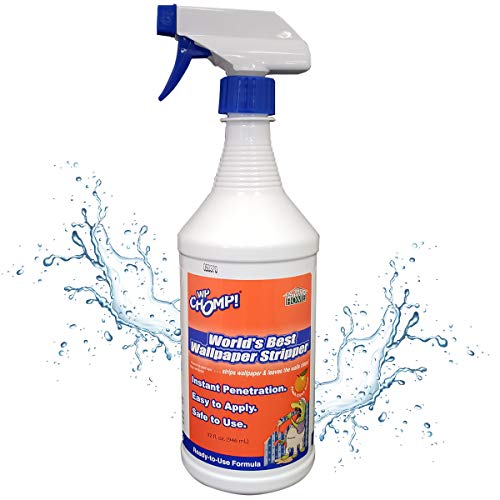

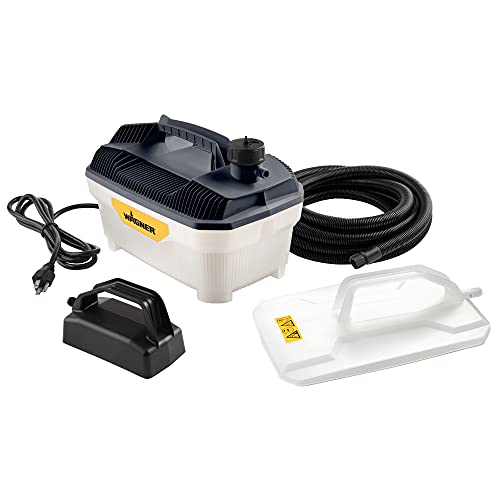

As an Amazon Associate, we earn from qualifying purchases.
Price as of Sep 17, 2026. Product prices and availability are accurate as of the date indicated and are subject to change. Any price and availability information displayed on Amazon at the time of purchase will apply.
Professional wallpaper removal costs $400 to $1,200 per room in 2026, with a national average near $800, or about $0.60 to $3 per sq ft for a standard dry strip. Soak-and-scrape for stubborn paper runs $3 to $8 per sq ft, painted-over or 2-3 stacked layers push past $5 per sq ft, and wall repair after removal adds $100 to $1,200.
Most homeowners pay $400 to $1,200 per room to have wallpaper professionally removed in 2026, with a national average around $800. A whole-home or per-job estimate typically lands between $423 and $1,193. Pros price the work two ways: $0.60 to $3 per square foot for a standard dry strip or steam, or an hourly rate of $40 to $80. The low end is a small, single-layer room; the high end is a large room with stubborn paper, multiple layers, or wall repair afterward.
| Scenario | Per Sq Ft | Typical Room Total |
|---|---|---|
| Dry strip / steam (single layer) | $0.80 to $3.00 | $300 to $700 |
| Soak and scrape (stubborn) | $3.00 to $8.00 | $700 to $1,500 |
| Painted-over or 2-3 layers | $5.00 and up | $900 to $2,000 |
A standard dry strip or steam removal runs $0.60 to $3 per square foot in 2026. When the paper resists, pros switch to soaking and scraping at $3 to $8 per square foot, and a full removal that includes wall prep and cleanup averages $2.99 to $6.09 per square foot. To estimate a room, multiply your wall area by the right rate — a 12-by-14-foot kitchen with about 350 square feet of wall surface runs roughly $290 to $770 for a basic strip before any repair.
Yes — these are the two biggest cost multipliers. Paint seals the wallpaper so steam and water cannot penetrate, forcing the pro to score, soak, and scrape at $3 to $8 per square foot instead of a quick dry strip. Two or three layers stacked on top of each other push the price to $5 or more per square foot because each layer must come off separately. Either situation can roughly double the base price of a standard single-layer room.
| Condition | Method | Per Sq Ft |
|---|---|---|
| Single layer, primed wall | Dry strip / steam | $0.80 to $3.00 |
| Stubborn adhesive | Soak and scrape | $3.00 to $8.00 |
| Painted-over or 2-3 layers | Score, soak, scrape | $5.00 and up |
Stripping wallpaper almost always leaves adhesive residue and some surface damage, so budget for prep on top of removal. A skim coat to smooth the wall runs $0.75 to $1.50 per square foot including labor and materials, minor patching of holes and rough spots costs $100 to $500, and if the drywall face tears during removal, full repair and skim coating adds $400 to $1,200 per room. Many low quotes exclude this work, so always confirm whether wall repair is included.
DIY tools are cheap — a scoring tool, scraper, and chemical remover run $30 to $120, and a steamer rents for $40 to $80 per day — but the job is slow and easy to botch. A single room can take a full weekend, and forcing a scraper gouges the drywall, turning a $300 removal into a $400-plus repair. Pros charge $40 to $80 per hour and bring steamers and experience that protect the wall, which usually pays off on anything beyond a small single-layer room.
Inputs
Result
A small bathroom with one easy-to-strip vinyl layer is a quick dry-strip job that lands near the bottom of the per-room range.
Inputs
Result
A standard kitchen strip is straightforward, but cabinetry and corners add labor, and minor patching to ready the walls for paint pushes the total above the base removal price.
Inputs
Result
Painted-over paper in multiple layers on tall walls needs scoring, soaking, and scraping, and a full skim coat afterward pushes this job to the top of the range.
Total = (Wall area x removal rate) + Layer/paint adjustment + Access adjustment + Wall repairWallpaper removal is priced from wall area times a per-square-foot rate that depends on the removal method, then adjusted up for extra layers or paint, difficult access, and any wall repair needed afterward.
Where:
Removal rate= $0.60 to $3 per sq ft dry strip; $3 to $8 per sq ft soak and scrapeLayer/paint adjustment= Painted-over or 2-3 stacked layers push the rate to $5+ per sq ftAccess adjustment= High ceilings, stairwells, and vaulted walls add labor timeWall repair= Skim coat $0.75 to $1.50 per sq ft; patching $100 to $500; drywall repair $400 to $1,200Labor = Pro hourly rate x Hours (typically 4 to 12 per room)When billed hourly rather than by the square foot, multiply the local rate by the time the job takes — more for painted-over paper, multiple layers, or adhesive cleanup.
Where:
Pro hourly rate= $40 to $80 per hour for a wallpaper or painting proHours= 4 to 6 hours for a simple room; 8 to 12 for multi-layer or painted-over paper plus cleanupStripping wallpaper is one of the most underestimated renovation jobs because the price swings so widely with the condition of the paper underneath. In 2026, most US homeowners pay $400 to $1,200 per room to have wallpaper professionally removed, with a national average around $800 and a whole-job range of roughly $423 to $1,193. The low end is a small, single-layer room that strips off cleanly; the high end is a large room with stubborn adhesive, painted-over paper, or wall repair afterward. Pros price the work either at $0.60 to $3 per square foot or at an hourly rate of $40 to $80.
The single biggest variable is whether the wallpaper cooperates. Paper that was hung over a primed, sealed wall often peels in long strips with steam alone, keeping the job near $0.80 to $3 per square foot. Paper hung directly on bare drywall, sealed under paint, or stacked in layers fights back, pushing the rate to $3 to $8 per square foot for soaking and scraping. Use the calculator above to enter your wall area, paper type, and layers so the estimate reflects your specific room rather than a national average.
It also helps to separate removal from the prep that follows. The headline per-square-foot price covers pulling the paper off, but adhesive residue cleanup, patching, and a skim coat are frequently quoted separately. A simple single-layer room stays near the average, while a painted-over, multi-layer wall on a tall ceiling that needs a full skim coat can run two to three times the base price. The table below shows typical totals by scenario so you can see where your project is likely to land before comparing quotes.
| Scenario | Per Sq Ft | Typical Room Total |
|---|---|---|
| Dry strip / steam (single layer) | $0.80 to $3.00 | $300 to $700 |
| Soak and scrape (stubborn) | $3.00 to $8.00 | $700 to $1,500 |
| Painted-over or 2-3 layers | $5.00 and up | $900 to $2,000 |
| Removal plus skim coat | $2.99 to $6.09 | $800 to $1,800 |
For a small, single-layer room over a sealed wall, a dry strip at $0.80 to $3 per square foot is almost always the right call. Save soak-and-scrape pricing for painted-over or stacked paper.
Contractors quote wallpaper removal in two ways, and knowing both lets you sanity-check any bid. Per-square-foot pricing runs $0.60 to $3 for a standard strip and $3 to $8 for soaking and scraping; you multiply your wall area by the rate. Per-room pricing bundles a typical room into a flat $500 to $700, which is convenient but only fair if the contractor has actually seen the paper. For a budget estimate, measure each wall (height times width) and subtract doors and large windows to get true wall area.
Room size and shape change the math more than people expect. A 12-by-14-foot kitchen with one door and one window deducted has about 350 square feet of wall surface and runs $290 to $770 for a basic strip, while a 7-by-9-foot bathroom with the tub surround and door removed is far smaller and runs just $130 to $340. Kitchens and bathrooms also carry hidden labor because the crew must work around cabinets, appliances, fixtures, and corners, which slows the job even when the square footage is modest.
If you are stripping wallpaper to hang new paper rather than paint, plan both sides of the project. The wallpaper calculator sizes how many rolls and how much wall area the replacement needs, so you can budget removal and installation together. Pairing the two estimates prevents the common surprise of paying for removal and then discovering the new-paper budget is short. The table below converts common room sizes into wall area and a typical removal range.
| Room | Approx. Wall Area | Typical Removal Total |
|---|---|---|
| Bathroom (7 x 9) | 80 to 150 sq ft | $130 to $340 |
| Bedroom (12 x 12) | 300 to 380 sq ft | $300 to $750 |
| Kitchen (12 x 14) | About 350 sq ft | $290 to $770 |
| Living room (16 x 20) | 500 to 600 sq ft | $600 to $1,500 |
Three conditions explain almost every expensive wallpaper job: stacked layers, stubborn adhesive, and paint. When two or three layers of paper sit on top of each other, each one has to come off separately, which pushes the rate to $5 or more per square foot. Older homes are the usual culprits because owners papered over the previous pattern instead of stripping it, sometimes three or four times across decades, leaving a thick laminated wall that resists steam.
Adhesive is the quiet cost driver. If the original installer skipped priming and sealing the wall, the paste bonds directly to the drywall paper and tears the surface when pulled, forcing slow scoring and soaking at $3 to $8 per square foot. Even after the paper is off, sticky residue stays behind, and washing it down with a TSP or adhesive-remover solution adds one to two hours of labor per room. Painted-over wallpaper is the toughest case of all because the paint seals out the steam and water that normally loosen the paste.
These factors compound rather than simply add. A single painted-over layer might run $3 to $5 per square foot, but two painted layers on an unprimed wall can exceed $8 and bring wall repair into play. Because the damage often is not visible until the first strip comes off, honest contractors quote a range and confirm the price after a test patch. The chart below shows how the per-square-foot rate climbs across removal scenarios.
Ask the contractor to do a small test strip before committing to a flat price. Painted-over or multi-layer paper can change the method and double the per-square-foot rate.
The job is not finished when the last strip comes off the wall. Removal almost always leaves adhesive residue and some surface damage, and the wall must be smooth before it can be painted or re-papered. A skim coat — a thin layer of joint compound troweled over the entire surface and sanded flat — runs $0.75 to $1.50 per square foot including labor and materials, which on a 350-square-foot room adds $260 to $525 on top of removal. This step is the most common reason a final invoice exceeds the original removal quote.
Damage severity sets the repair bill. If the drywall face stayed intact, minor patching of nicks, gouges, and rough spots costs $100 to $500. If the paper layer of the drywall tore during stripping — common when paste was applied to an unprimed wall — full repair and skim coating runs $400 to $1,200 per room because the crew must seal, patch, float, and sand large areas. For heavier damage, the drywall repair cost calculator prices the wider work so nothing on the invoice is a surprise.
Because removal and repair are separate line items, the cheapest removal quote is rarely the cheapest finished wall. A contractor who strips paper for $0.80 per square foot but leaves a gouged, glue-streaked wall has not delivered a paintable surface. When you compare bids, confirm whether adhesive cleanup, patching, and a skim coat are included, and ask what happens if hidden damage appears. The table below breaks down the prep costs that typically follow removal.
| Prep Step | Typical Cost | When You Need It |
|---|---|---|
| Adhesive residue cleanup | 1 to 2 hrs labor | Almost every job |
| Minor patching | $100 to $500 | Nicks and rough spots |
| Full skim coat | $0.75 to $1.50 / sq ft | Smooth finish for paint |
| Drywall face repair | $400 to $1,200 / room | Torn drywall paper |
Always ask whether the quote includes a paintable wall or just paper removal. A low strip price that excludes the skim coat reappears as a change order once the wall is bare.
For a small, single-layer room over a sealed wall, do-it-yourself is realistic. A scoring tool, putty knife, scraper, and chemical remover cost $30 to $120 total, and a wallpaper steamer rents for $40 to $80 per day. Used patiently, these tools can clear a small bedroom or bathroom and save the $300 to $700 a pro charges. The trade-off is time: a single room often takes a full weekend, and the work is physically demanding and messy.
DIY breaks down fast on tougher jobs. Painted-over paper, two or three stacked layers, high ceilings, and unprimed walls all raise the odds of gouging the drywall, and one slip of the scraper can turn a $300 removal into a $400-plus drywall repair. Steam burns, water damage to floors, and hours of stubborn residue scrubbing are common DIY surprises. Renting a steamer helps, but it does not replace the technique that keeps the wall intact.
A practical rule of thumb: DIY a single-layer room if you are comfortable with the tools and have a free weekend, and hire a pro for anything painted-over, multi-layer, on tall walls, or where you plan to repaint immediately. Pros charge $40 to $80 per hour and bring commercial steamers and experience that protect the wall surface. Once the walls are stripped and smooth, the interior paint cost calculator estimates the repaint that usually follows.
If the paper is painted-over, multi-layer, or on tall walls, hire a pro. The risk of turning a removal job into a drywall replacement outweighs the DIY savings.
The cheapest wallpaper job is the one that leaves a paintable wall the first time, so vet contractors on scope and transparency rather than headline price alone. Get three or more written quotes from licensed, insured, and bonded pros who have been in business at least five years, and make sure each quote spells out the removal method, the per-square-foot or per-room rate, and whether adhesive cleanup, patching, and a skim coat are included. A bid that is $200 lower but excludes wall repair is usually the more expensive choice once the wall is bare.
Insist on an in-person look or clear photos before accepting any flat price. Painted-over or multi-layer paper changes the method from a $1-per-square-foot dry strip to a $5-plus soak-and-scrape, so a quote given sight-unseen can balloon into a change order mid-job. A small test strip costs the contractor minutes and tells both of you how the paper behaves, which protects you from a lowball bid and protects the pro from underpricing a difficult wall.
Finally, match the timing and scope to your real goal. If you are repainting, confirm the wall will be delivered smooth and primed; if you are re-papering, ask whether the crew also hangs paper or only strips it. Clarify cleanup and debris haul-away, and ask about protecting floors and fixtures in kitchens and bathrooms. With three transparent quotes that all describe a finished, paintable wall, you can pick the contractor who solves the whole job rather than the one with the lowest line for removal.
Never choose a wallpaper contractor on the removal line alone. Compare bids on the cost to deliver a smooth, paintable wall so the quotes are actually equivalent.
Measure your true wall area
Multiply wall height by width and subtract doors and large windows so every quote is based on the same square footage.
Collect three or more written quotes
Use licensed, insured contractors and require each bid to state the method, rate, and whether wall repair is included.
Require an in-person look or photos
Painted-over or multi-layer paper changes the method and price, so never accept a flat bid given sight-unseen.
Confirm the wall is delivered paintable
Make sure adhesive cleanup, patching, and a skim coat are in scope, not billed later as a change order.
Clarify cleanup and next steps
Ask about debris haul-away, floor and fixture protection, and whether the crew also hangs new paper or paints.
Read our guide
Read our guide
Read our guide
Price wallpaper removal, painting, drywall repair, and home-renovation labor, then plan budgets for your whole project.
Last Updated: Sep 17, 2026
This calculator is provided for informational and educational purposes only. Results are estimates and should not be considered professional financial, medical, legal, or other advice. Always consult a qualified professional before making important decisions. UseCalcPro is not responsible for any actions taken based on calculator results.