UseCalcPro
Home
MathFinanceHealthConstructionAutoPetsGardenCraftsFood & BrewingTools
Blog
  1. Home
  2. Food & Brewing

Candy Making Calculator — Recipes & Temperatures

Calculate precise ingredients and target temperatures for caramel, toffee, fudge, hard candy, and marshmallow recipes.

Target Temp

248°F

Stage

Firm Ball

Yield

30 pieces

Caramel Recipe

Sugar
2.0 cups
(400g)
Cream/Milk
1.00 cups
Butter
2.0 tbsp
(28g)
Vanilla
1.0 tsp
Target Temperature
248°F
Firm Ball stage
Cooking Time
15–25
minutes

Temperature Stage

248°F — Firm Ball73%

Sugar Temperature Stages

StageTempUsed For
Thread230°FSyrup, glaze
Soft Ball235°FFudge, fondant
Firm Ball245°FCaramel
Hard Ball250°FNougat, divinity
Soft Crack270°FButterscotch, taffy
Hard Crack300°FToffee, hard candy, lollipops
Caramel320°FCaramel sauce, praline

Candy Making Tips

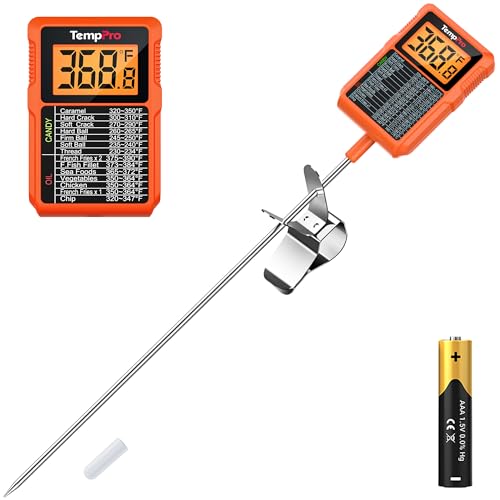
Use a candy thermometer — even 5°F off can change the candy texture entirely.
Don’t stir after boiling begins — stirring causes crystallization and grainy candy.
Cold water test — drop a spoonful into cold water to test the stage manually.

Example Calculations

1Classic Caramels (30 pieces)

Inputs

Candy TypeCaramel
Batch Size30 pieces
Piece SizeMedium

Result

Recipe2.0 cups sugar, 1.0 cups cream, 2.0 tbsp butter, target 248°F

30 pieces at base batch of 30 = 1.0× scale. Sugar: 2 cups (400g). Cream: 1 cup. Butter: 2 tbsp (28g). Cook to 248°F (firm ball) over 15–25 minutes.

2Large Batch Toffee (48 pieces)

Inputs

Candy TypeToffee
Batch Size48 pieces
Piece SizeMedium

Result

Recipe2.0 cups sugar, 32 tbsp (2 cups) butter, target 300°F

48 pieces at base batch of 24 = 2.0× scale. Sugar: 1 × 2 = 2 cups (400g). Butter: 16 × 2 = 32 tbsp (2 cups/448g). Cook to 300°F (hard crack) over 12–18 minutes.

3Holiday Fudge (50 small pieces)

Inputs

Candy TypeFudge
Batch Size50 pieces
Piece SizeSmall

Result

Recipe3.8 cups sugar, 0.94 cups cream, 2.5 tbsp butter, target 235°F

50 small pieces = 50/1.33 = 37.6 equivalent medium pieces. Scale: 37.6/25 = 1.5×. Sugar: 3 × 1.5 = 4.5 cups. Cook to 235°F (soft ball), cool to 110°F, then beat until thick.

Frequently Asked Questions

Q

What are the sugar temperature stages for candy making?

Sugar goes through distinct temperature stages as it heats, each producing different candy textures. Thread stage (230°F) is for syrups, soft ball (235°F) for fudge, firm ball (245°F) for caramel, hard ball (250°F) for nougat, soft crack (270°F) for butterscotch, hard crack (300°F) for lollipops and toffee, and caramel stage (320°F) for caramel sauce.

  • Thread (230°F): sugar spins a thread when dropped from a spoon — glazes, syrups
  • Soft Ball (235°F): forms a soft ball in cold water — fudge, fondant, pralines
  • Firm Ball (245°F): holds shape but is still pliable — caramels
  • Hard Crack (300°F): brittle threads that snap — toffee, hard candy, lollipops
  • Caramel (320°F): sugar turns amber and nutty — spun sugar, praline, crème brûlée
StageTemperatureTextureCommon Candy
Soft Ball235°FSquishy ballFudge, pralines
Firm Ball245°FFirm ballCaramels
Soft Crack270°FBendable threadsButterscotch, taffy
Hard Crack300°FBrittle snapToffee, lollipops
Q

How much sugar do I need for a batch of caramel?

A standard batch of 30 medium caramels requires 2 cups of granulated sugar, 1 cup of heavy cream, and 2 tablespoons of butter. For more or fewer pieces, scale proportionally. A 60-piece batch doubles everything: 4 cups sugar, 2 cups cream, 4 tablespoons butter.

  • 30 caramels: 2 cups sugar + 1 cup cream + 2 tbsp butter
  • 60 caramels: 4 cups sugar + 2 cups cream + 4 tbsp butter
  • Target temperature: 248°F (firm ball stage)
  • Cooking time: 15–25 minutes from when mixture begins boiling
  • Use heavy cream (36%+ fat) for best texture and flavor
Q

Why does my candy crystallize or turn grainy?

Crystallization happens when sugar crystals form in the syrup, usually from stirring after boiling begins, undissolved sugar on the pan sides, or using a dirty spoon. To prevent this, dissolve all sugar completely before boiling, don't stir once it boils, and brush the sides of the pan with a wet pastry brush.

  • Never stir sugar syrup once it reaches a rolling boil
  • Brush pan sides with wet pastry brush to wash down sugar crystals
  • Add 1/4 tsp cream of tartar or 1 tbsp corn syrup to prevent crystallization
  • Use a clean, dry thermometer — any contamination seeds crystals
  • For fudge, crystallization is intentional (beat the cooled mixture to create tiny crystals)
Q

Do I need a candy thermometer?

A candy thermometer is highly recommended because even a 5°F difference changes the candy texture. Digital probe thermometers ($15–25) are more accurate than traditional glass thermometers. As a backup, use the cold water test: drop a small amount of syrup into ice water and check its consistency.

  • Digital probe thermometer: most accurate, clip to pan side ($15–25)
  • Glass candy thermometer: traditional, works well but slower to read ($8–12)
  • Cold water test: drop syrup into ice water, check if it forms a ball or threads
  • Calibrate by boiling water — should read 212°F at sea level
  • At altitude, reduce target temps by 2°F per 1,000 ft above sea level
Q

How do I adjust candy temperatures for high altitude?

At high altitude, water boils at a lower temperature, which affects candy making. Reduce the target temperature by about 2°F for every 1,000 feet above sea level. At 5,000 feet (Denver), subtract 10°F from all target temperatures. So soft ball becomes 225°F instead of 235°F.

  • Rule of thumb: subtract 2°F per 1,000 ft elevation
  • Denver (5,000 ft): soft ball = 225°F, hard crack = 290°F
  • Salt Lake City (4,200 ft): soft ball = 227°F, hard crack = 292°F
  • Always calibrate by testing your water boiling point first

Related Calculators

Chocolate Tempering Calculator

Get precise temperatures for tempering chocolate

Recipe Converter

Scale any recipe up or down with precise conversions

Recipe Cost Calculator

Calculate per-serving cost of your candy recipes

Bread Dough Calculator

Calculate bread ingredients using baker's percentages

Candy Temperature Calculator \u2014 Sugar Stages & Cold Water Test

Find the exact sugar cooking stage for any candy recipe. Covers thread through hard crack temperatures, altitude adjustments, and cold water test descriptions.

Caramel Calculator \u2014 Sugar, Cream & Temperature Guide

Calculate sugar, cream, and butter amounts for homemade caramel sauce, soft candy, or caramel corn. Get target temperatures, cook times, and cost per batch.

Related Resources

Cooking Measurement Converter: Cups, Grams, Tablespoons & More

Read our guide

Cooking Time Calculator: How Long to Cook Meat by Weight

Read our guide

Oven Temperature Conversion: Fahrenheit, Celsius & Gas Mark Guide

Read our guide

Chocolate Tempering Calculator

Temperature guide for tempering chocolate

Recipe Converter

Scale recipe ingredients up or down

Recipe Cost Calculator

Calculate per-serving cost of recipes

Candy Temperature Calculator

Detailed sugar syrup temperature stages

More Food Calculators

Explore our collection of free baking and cooking calculators

View All Food Calculators

Last Updated: Mar 9, 2026

This calculator is provided for informational and educational purposes only. Results are estimates and should not be considered professional financial, medical, legal, or other advice. Always consult a qualified professional before making important decisions. UseCalcPro is not responsible for any actions taken based on calculator results.

UseCalcPro
FinanceHealthMath

© 2026 UseCalcPro