UseCalcPro
Home
MathFinanceHealthConstructionAutoPetsGardenCraftsFood & BrewingTools
Blog
  1. Home
  2. Garden

Pollinator Garden Calculator

Design a pollinator garden with the right plant mix for continuous blooms from spring through fall.

Total Plants Needed

100

Plug Cost

$711

Bloom Score

100%

Units

Total area dedicated to pollinator plantings

Low: 0.5 (sparse), Medium: 1.0 (standard), High: 2.0 (dense meadow)

Determines native plant recommendations and bloom calendar

Total Plants Needed

100

for 100 sq ft garden

Perennials

65

65% of mix

Grasses

12

12% of mix

Annuals

13

13% of mix

Shrubs

10

10% of mix

Plant Cost by Size

Plugs (small)$711
Quart Pots$906
Gallon Pots$1,264

Plugs: $711 — best value, establish in 1–2 seasons

Gallon: $1,264 — instant impact, blooms year one

Bloom Diversity Score

100%

3/3 seasons with continuous blooms

spring
4 spp.
summer
4 spp.
fall
4 spp.

Color Diversity

100%

4/4 color groups represented

Blue/Purple4 species
Yellow/Orange5 species
Red/Pink3 species
White1 species

Soil Prep Cost

DIY ($1/sqft)$100
Professional ($7/sqft)$700

Includes removing turf, amending soil, and initial mulching

Example Calculations

1Small Bee Garden

Inputs

Garden Area100 sq ft
Plant Density1.0 plants/sqft
RegionNortheast

Result

Total Plants100
Species Needed10–15
Estimated Cost$300–$600
Bloom MonthsApril–October

A 100 sq ft garden at standard density needs about 100 plants across 10-15 species, with 3+ species blooming each season for continuous pollinator food.

2Large Habitat Garden

Inputs

Garden Area300 sq ft
Plant Density1.5 plants/sqft
RegionMidwest

Result

Total Plants450
Species Needed20–25
Estimated Cost$1,350–$2,700
Bloom MonthsMarch–November

A 300 sq ft garden with high density supports a diverse pollinator community. The Midwest native plant palette offers excellent species for all three bloom seasons.

Frequently Asked Questions

Q

How big should a pollinator garden be?

Even a 25 sq ft patch can attract pollinators, but 100+ sq ft provides meaningful habitat. For maximum impact, aim for at least 200 sq ft with 10+ species blooming across three seasons. Native bees forage within 500 ft of their nests.

  • Minimum effective size: 25–50 sq ft
  • Recommended for habitat: 100–300 sq ft
  • Plant in drifts of 3–7 of each species
  • Include at least 3 species per bloom season
  • Native plants support 4x more pollinators than non-native
Garden SizeSpecies CountPlant CountPollinators Supported
25 sq ft5–825–40Casual visitors
100 sq ft10–15100–150Resident populations
300 sq ft15–25300–450Diverse community
Q

What plants attract the most pollinators?

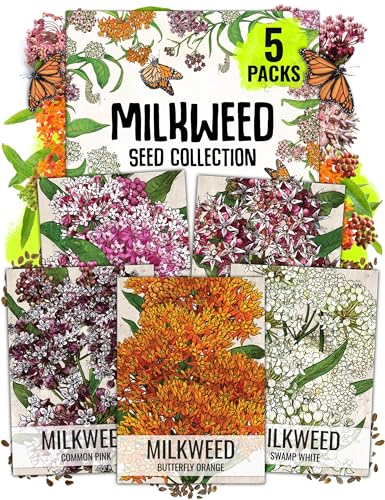
Native wildflowers consistently attract the most diverse pollinators. Top performers include coneflower (Echinacea), black-eyed Susan (Rudbeckia), bee balm (Monarda), and milkweed (Asclepias). Plant a mix of flower shapes to support different pollinator species.

  • Coneflower: attracts 30+ species of native bees
  • Milkweed: essential for monarch butterflies
  • Bee balm: hummingbirds + bees + butterflies
  • Lavender: long bloom season, attracts many bee species
  • Goldenrod: critical fall food source for migrating monarchs
PlantBloom SeasonKey PollinatorsHeight
ConeflowerSummer–FallBees, butterflies2–4 ft
MilkweedSummerMonarchs, bees3–5 ft
Bee BalmSummerHummingbirds, bees2–4 ft
Black-eyed SusanSummer–FallBees, butterflies2–3 ft
Q

How much does a pollinator garden cost?

A pollinator garden costs $3-$8 per square foot for plants plus $1-$3/sqft for soil prep. Native plant plugs cost $3-$6 each, while seeds are much cheaper at $5-$15 per packet covering 50-200 sq ft. Budget $500-$1,500 for a 200 sq ft garden.

  • Native plant plugs: $3–$6 each
  • Seed packets: $5–$15 per species
  • Soil amendments: $1–$3/sqft
  • Mulch: $0.50–$1.00/sqft
  • Year 1 establishment is most expensive; perennials return free
Garden SizePlants OnlyWith Soil PrepSeed-Only Option
50 sq ft$150–$400$200–$550$30–$75
100 sq ft$300–$800$400–$1,100$50–$120
200 sq ft$600–$1,600$800–$2,200$80–$200
Q

Do pollinator gardens need maintenance?

Pollinator gardens need less maintenance than traditional gardens once established. Year 1 requires weeding and watering. By year 2-3, dense plant growth suppresses weeds. Leave dead stems through winter for native bee nesting habitat.

  • Year 1: water weekly, weed monthly
  • Year 2+: water only during drought
  • Leave dead stems until spring (bee nesting sites)
  • No pesticides — they kill the pollinators you want
  • Cut back 1/3 of stems in early spring, leave 2/3 standing
TaskYear 1Year 2+Traditional Garden
WateringWeeklyDrought onlyDaily–weekly
WeedingMonthly2–3x/yearWeekly
FertilizingNoneNoneMonthly
Pest controlNoneNoneAs needed

Related Calculators

Garden Bed Planner

Design your garden bed layout

Companion Planting Calculator

Find compatible plant combinations

Seed Spacing Calculator

Calculate proper plant spacing

Soil Amendment Calculator

Prepare soil for native plants

Shade Garden Calculator \u2014 Plants, Spacing & Layout

Analyze shade conditions and get plant recommendations for your garden. Match perennials, shrubs, and ground covers to sun hours, soil type, and moisture.

Herb Garden Planner Calculator

Plan your herb garden with spacing, yield, and cost estimates for 12 popular culinary herbs. Get companion planting tips and harvest value projections.

Related Resources

Vegetable Garden Spacing Chart: Plant Spacing Calculator and Yield Guide

Read our guide

Composting for Beginners: C:N Ratios, Methods & Calculator Guide

Read our guide

Garden Watering Calculator: How Much Water Does Your Garden Really Need?

Read our guide

Companion Planting Guide

Seed Spacing Calculator

Garden Bed Planner

Soil Amendment Calculator

Explore Garden Calculators

Design beautiful, productive gardens with our collection of garden planning tools.

View All Garden Calculators

Last Updated: Mar 9, 2026

This calculator is provided for informational and educational purposes only. Results are estimates and should not be considered professional financial, medical, legal, or other advice. Always consult a qualified professional before making important decisions. UseCalcPro is not responsible for any actions taken based on calculator results.

UseCalcPro
FinanceHealthMath

© 2026 UseCalcPro