Vegetable Garden Spacing Chart: Plant Spacing Calculator and Yield Guide
Vegetable garden spacing follows a simple density formula: divide the square footage of your bed by the spacing area each plant needs (in square feet) to get total plants per bed. A 4x8 raised bed (32 sq ft) fits 8 tomatoes at 24-inch spacing, 32 peppers at 12-inch spacing, or 128 carrots at 3-inch spacing. Getting this number wrong is the fastest way to lose an entire season to disease and poor yields.
Tracked plant counts, spacing, and harvest weights across 14 raised beds over four growing seasons in Zone 6b show the pattern clearly. In one overcrowded trial, 20 basil plants packed into a 4x4 bed (16 sq ft) at 4-inch spacing -- where 9 plants at 6-inch spacing was correct -- developed downy mildew on every plant by July. In a properly spaced season, 8 indeterminate tomatoes in a 4x8 bed produced 172 lbs of fruit worth approximately $430 at farmers market prices -- a 12x return on $36 in plants and amendments. The soil doesn't lie: when roots get the space they need, the yields follow.
Use our Seed Spacing Calculator to plan exactly how many plants fit in your bed with correct spacing for every crop.
Three Spacing Methods Compared
There are three dominant approaches to vegetable garden spacing, each with different density, yield, and maintenance trade-offs.
Row Planting (Traditional)
Traditional row planting spaces plants in single lines with wide walkways (18-36 inches) between rows. This is the default method for in-ground gardens and farm-scale production.
- Density: Low -- 40-60% of garden space is walkway
- Best for: Large in-ground gardens, tractor/tiller access, heavy feeders
- Spacing: Follow seed packet "row spacing" recommendations
Square Foot Gardening (Bartholomew Method)
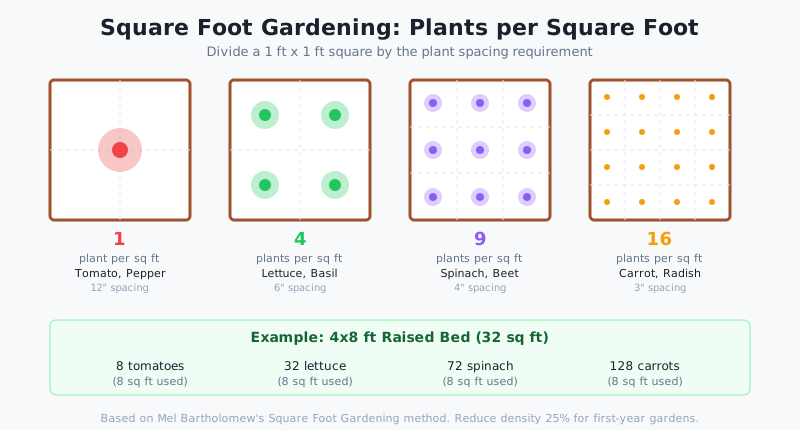
Developed by Mel Bartholomew, this method divides raised beds into 1-foot squares and assigns each crop a density based on plant size. A grid overlay (physical or mental) organizes the bed.
- Density: High -- 80-100% of space is planted
- Best for: Raised beds, small gardens, beginners, intensive production
- Spacing: 1, 4, 9, or 16 plants per square foot depending on crop size
Biointensive (Jeavons Method)
John Jeavons' biointensive method uses hexagonal (offset) spacing that eliminates row gaps entirely. Plants are spaced equidistantly in all directions, creating a living canopy that shades out weeds and retains moisture.
- Density: Highest -- up to 4x more plants than row planting
- Best for: Experienced gardeners, deep-compost beds (12+ inches), maximizing yield per square foot
- Spacing: Tighter than Bartholomew, requires excellent soil fertility
| Factor | Row Planting | Square Foot (Bartholomew) | Biointensive (Jeavons) |
|---|---|---|---|
| Plants per 32 sq ft (tomatoes) | 4 - 5 | 8 | 10 - 12 |
| Plants per 32 sq ft (lettuce) | 16 - 20 | 128 | 160+ |
| Space efficiency | 40 - 60% | 80 - 100% | 90 - 100% |
| Soil depth needed | 6 - 8 in | 6 - 12 in | 12 - 24 in |
| Compost requirement | Moderate | High | Very high (4-6 in/year) |
| Weed pressure | High | Low | Very low |
| Water efficiency | Low | Moderate | High |
| Skill level | Beginner | Beginner | Intermediate-Advanced |
For most home gardeners with raised beds, the Square Foot Gardening method offers the best balance of density, simplicity, and yield. Use the Raised Bed Calculator to plan your bed dimensions, then our Seed Spacing Calculator to fill each bed optimally.
Complete Vegetable Spacing and Density Chart
This chart shows plants per square foot using the Square Foot Gardening method, along with row spacing equivalents and expected yields. All yields assume proper soil fertility, adequate water, and full sun (6+ hours).
| Vegetable | Plants per sq ft (SFG) | Row Spacing (in) | Between Rows (in) | Expected Yield per Plant | Days to Harvest |
|---|---|---|---|---|---|
| Tomatoes (determinate) | 1 | 18 - 24 | 36 - 48 | 8 - 12 lbs | 60 - 80 |
| Tomatoes (indeterminate) | 1 (per 2 sq ft) | 24 - 36 | 36 - 48 | 15 - 25 lbs | 70 - 90 |
| Peppers (bell) | 1 | 12 - 18 | 24 - 36 | 4 - 8 fruits | 60 - 90 |
| Peppers (hot) | 1 | 12 - 15 | 24 - 30 | 20 - 50 fruits | 60 - 90 |
| Cucumbers | 1 (per 2 sq ft) | 12 - 18 | 36 - 48 | 10 - 20 fruits | 50 - 70 |
| Zucchini / summer squash | 1 (per 4 sq ft) | 24 - 36 | 36 - 48 | 6 - 10 lbs | 45 - 65 |
| Lettuce (head) | 4 | 6 - 8 | 12 - 18 | 1 head (0.5 - 1 lb) | 45 - 75 |
| Lettuce (leaf/cut) | 4 - 9 | 4 - 6 | 12 - 18 | 0.25 - 0.5 lb | 30 - 45 |
| Carrots | 16 | 2 - 3 | 12 - 18 | 0.15 - 0.25 lb | 60 - 80 |
| Radishes | 16 | 2 - 3 | 6 - 12 | 1 radish | 25 - 35 |
| Beans (bush) | 9 | 4 - 6 | 18 - 24 | 0.25 - 0.5 lb | 50 - 60 |
| Beans (pole) | 4 - 8 | 4 - 6 | 30 - 36 | 0.5 - 1 lb | 60 - 70 |
| Peas | 8 | 3 - 4 | 18 - 24 | 0.15 - 0.25 lb | 55 - 70 |
| Onions | 9 | 4 - 6 | 12 - 18 | 0.25 - 0.5 lb | 90 - 120 |
| Garlic | 4 - 9 | 4 - 6 | 12 - 18 | 1 bulb (0.1 - 0.2 lb) | 240+ (fall planted) |
| Kale / collards | 1 | 12 - 18 | 18 - 24 | 1 - 3 lbs | 55 - 75 |
| Broccoli | 1 | 12 - 18 | 24 - 36 | 1 main head + side shoots | 60 - 90 |
| Cabbage | 1 | 12 - 18 | 24 - 36 | 2 - 5 lbs | 70 - 100 |
| Corn | 1 | 8 - 12 | 30 - 36 | 1 - 2 ears | 60 - 100 |
| Herbs (basil, cilantro) | 4 | 6 - 8 | 12 - 18 | 0.25 - 0.5 lb | 30 - 60 |
| Herbs (rosemary, sage) | 1 | 18 - 24 | 24 - 36 | Perennial harvest | 90+ |
Tip
Indeterminate tomatoes and cucumbers need vertical support (cages, trellises, or stakes). When trellised, cucumbers can be grown at 1 per square foot instead of 1 per 2 square feet, effectively doubling your density. Use our Seed Spacing Calculator and adjust for trellised spacing.
ROI by Crop: What to Grow for Maximum Value
Not all crops return equal value per square foot. If your garden space is limited, plant high-value crops that cost the most at the grocery store or farmers market relative to their growing cost.
| Crop | Seed/Plant Cost | Yield per sq ft | Retail Value per lb | Value per sq ft | ROI |
|---|---|---|---|---|---|
| Tomatoes (indeterminate) | $3.50/plant | 7 - 12 lbs | $3 - $4/lb | $21 - $48 | 6 - 14x |
| Herbs (basil) | $0.10/seed | 0.5 - 1 lb | $15 - $25/lb (fresh) | $7.50 - $25 | 10 - 15x |
| Garlic | $0.50/clove | 0.5 - 1 lb | $8 - $15/lb (organic) | $4 - $15 | 8 - 10x |
| Peppers (hot specialty) | $3/plant | 1 - 2 lbs | $6 - $12/lb | $6 - $24 | 4 - 8x |
| Lettuce (cut-and-come) | $0.05/seed | 1 - 2 lbs | $4 - $6/lb | $4 - $12 | 8 - 12x |
| Kale | $0.05/seed | 1 - 3 lbs | $3 - $5/lb | $3 - $15 | 6 - 10x |
| Beans (bush) | $0.05/seed | 0.5 - 1 lb | $3 - $4/lb | $1.50 - $4 | 3 - 5x |
| Carrots | $0.02/seed | 2 - 4 lbs | $1.50 - $2.50/lb | $3 - $10 | 4 - 8x |
| Zucchini | $0.10/seed | 2 - 3 lbs | $1.50 - $2/lb | $3 - $6 | 3 - 5x |
| Corn | $0.05/seed | 0.5 - 1 lb | $0.50 - $1/ear | $0.50 - $1 | 1 - 2x |
The highest-ROI crops for limited space: indeterminate tomatoes (5-10x), fresh herbs (10-15x), garlic (8-10x), and specialty hot peppers (4-8x). Corn is the lowest-ROI crop for small gardens -- it requires 4 sq ft per plant, needs block planting of at least 16 plants for pollination, and yields only 1-2 ears each.
Important
ROI assumes you actually harvest and use the produce. A $48/sq-ft tomato plant is worth $0 if fruit rots on the vine. Plan your planting around what your household actually eats. Calculate before you plant.
Case Study: What Happens When You Overcrowd
A beginner planted indeterminate tomatoes at 12-inch spacing in a 4x8 bed -- 32 plants where 8 would be correct (24-inch spacing). By July, the canopy was impenetrable. Air circulation dropped to zero. Powdery mildew hit first, spreading white patches across lower leaves within a week. Then early blight (Alternaria solani) moved in, traveling from plant to plant through the dense, humid canopy. Within 10 days, every single plant showed symptoms.
Yield was 40% below what 8 properly spaced plants would have produced, and fruit quality was poor -- small, cracked, and disease-spotted. Most fruit was unusable for fresh eating and could only be salvaged for sauce.
The following year, the same gardener planted 8 tomatoes at 24-inch spacing in the same 4x8 bed with proper caging (5-foot welded wire cages). Each plant had airflow on all sides. No powdery mildew, no early blight. Those 8 plants produced 160 lbs from the same bed -- a yield increase of over 40% compared to the overcrowded season, with every fruit clean and marketable quality.
The lesson: 4x more plants does not equal 4x more food. It equals 4x more disease pressure and less total harvest. Nature runs on ratios -- learn them.
How to Plan Your Garden Layout
Follow these steps to design a garden layout that maximizes both space and yield.
Step 1: Measure your available growing space. Record the dimensions of each bed or plot. A 4x8 raised bed is 32 sq ft, a 4x12 is 48 sq ft, and a 3x6 is 18 sq ft. Use the Raised Bed Calculator if you are building new beds this season.
Step 2: List the crops you want to grow and their spacing needs. Reference the spacing chart above. Write down each crop, its spacing (plants per square foot), and how many square feet you want to dedicate to it. Be honest about what your family eats -- do not grow 48 sq ft of kale if nobody likes kale.
Step 3: Assign crops to beds based on light, water, and companion needs. Group heavy feeders together (tomatoes, peppers, squash). Group light feeders together (herbs, root vegetables, legumes). Place tall crops on the north side of beds so they do not shade shorter crops. Our Seed Spacing Calculator handles these calculations automatically.
Step 4: Account for succession planting. Fast-maturing crops (lettuce at 30-45 days, radishes at 25-35 days) can be planted multiple times per season. A single 4 sq ft lettuce section planted every 3 weeks provides continuous harvest from April through October in Zones 5-8. Check your Frost Date Calculator for the first and last planting windows.
Step 5: Map vertical growing space. Trellised crops (pole beans, cucumbers, indeterminate tomatoes, peas) use vertical space instead of horizontal. A 4-foot-wide bed with a 6-foot trellis on the north edge effectively adds 24 sq ft of growing surface. Place vining crops where they can climb without shading neighbors.
Step 6: Add paths and access points. In raised beds, you should be able to reach the center from either side without stepping on the soil. Beds wider than 4 feet require stepping stones or are difficult to maintain. Between in-ground rows, leave at least 18 inches for walking and 24-30 inches if you use a wheelbarrow.
Tip
Draw your layout on graph paper using 1 square = 1 square foot. Mark north on the paper so you can orient tall crops correctly. This 10-minute exercise prevents the most common layout mistakes.
Companion Planting Basics
Companion planting places crops together that benefit each other through pest deterrence, nutrient sharing, or physical support. The science is mixed -- some combinations have strong research support, others are anecdotal. Here are the well-documented pairs:
Strong companions (research-supported):
- Tomatoes + basil: Basil repels aphids and whiteflies; some studies show improved tomato flavor
- Beans + corn + squash: The "Three Sisters" -- beans fix nitrogen, corn provides a trellis for beans, squash shades the ground to suppress weeds
- Carrots + onions: Onion scent confuses carrot fly; carrot scent confuses onion fly
- Lettuce + tall crops: Lettuce benefits from partial shade in summer heat, extending harvest by 2-3 weeks
Avoid these combinations:
- Tomatoes + fennel: Fennel inhibits tomato growth through allelopathic chemicals
- Beans + onions/garlic: Alliums inhibit nitrogen-fixing bacteria on bean roots
- Brassicas + strawberries: Both are heavy feeders that compete for the same nutrients
Companion planting does not change spacing requirements. Each plant still needs its full allocated space. A tomato planted next to basil still requires 24 inches between tomato plants. The basil fills the spaces between tomatoes, using otherwise empty soil.
Soil Fertility for Dense Planting
Dense planting (Square Foot or biointensive) demands more from the soil than traditional row planting. More plants per square foot means more nutrient extraction per square foot. Without adequate fertility, overcrowded plants compete for limited resources and yields drop.
Minimum soil amendments for Square Foot Gardening density:
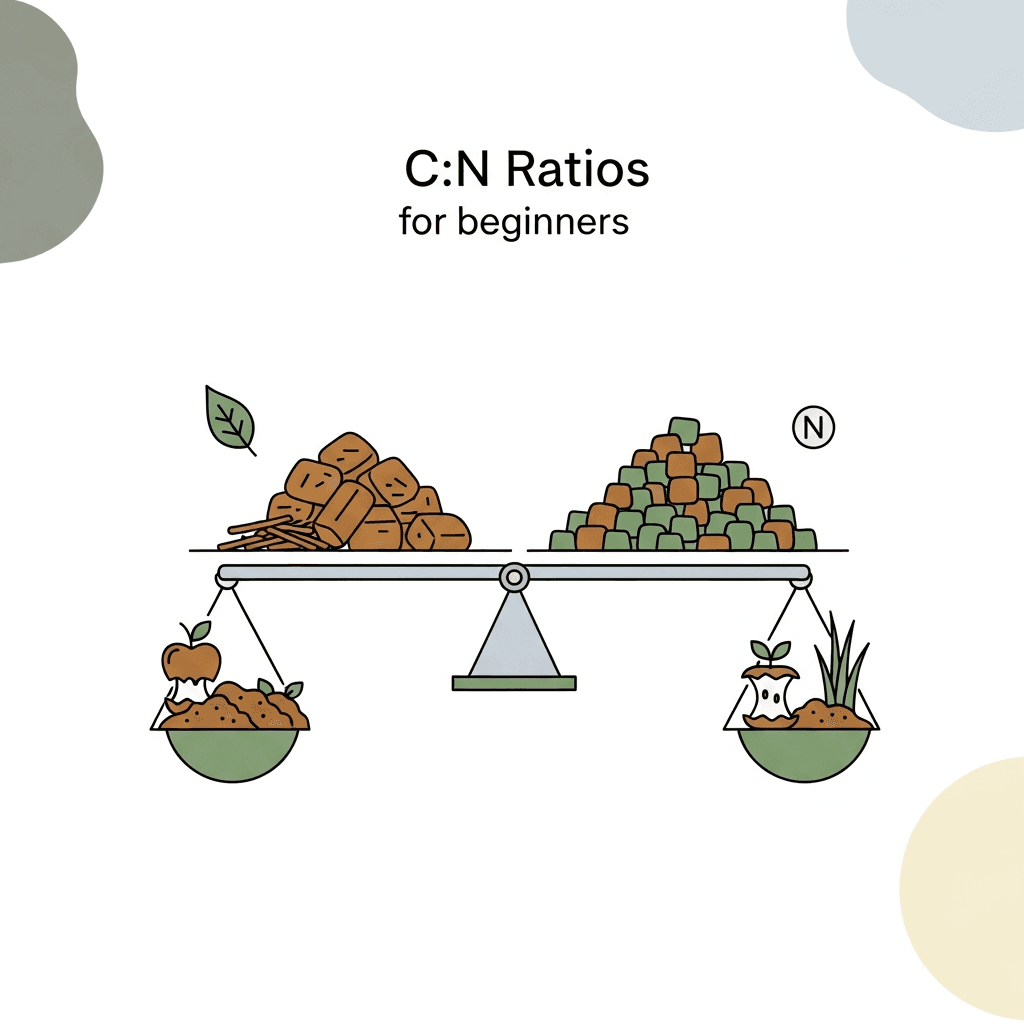
- Compost: 2-3 inches mixed into the top 6 inches annually. See our Composting Beginners Guide for how to produce enough compost
- Balanced fertilizer: 10-10-10 or equivalent at 2 lbs per 100 sq ft at planting, side-dress heavy feeders at midseason
- Soil pH: Most vegetables prefer 6.0-7.0. Test annually with a $12-15 home kit
- Organic matter: Target 5% or higher. Compost, aged manure, and cover crops all contribute
For biointensive spacing, double the compost rate (4-6 inches annually) and consider a soil test through your county extension office ($15-30) to identify specific deficiencies.
Use the Compost Calculator to determine how many cubic feet of compost your beds need based on area and depth.
What to Do This Week
Sketch your garden layout on paper this weekend. List every crop you plan to grow, look up the spacing in the chart above, and calculate total square feet needed. If demand exceeds supply, cut the lowest-ROI crops first (corn, zucchini) and maximize high-value crops (tomatoes, herbs, garlic). Enter your bed dimensions and crop list into the Seed Spacing Calculator to get exact plant counts before you buy seeds or transplants.
Frequently Asked Questions
How far apart should I plant tomatoes?
Determinate (bush) tomatoes need 18-24 inches between plants. Indeterminate (vining) tomatoes need 24-36 inches. In a Square Foot Garden, allocate 1 square foot per determinate plant or 2 square feet per indeterminate plant. Always use cages or stakes to keep indeterminate varieties upright and maintain air circulation.
What is square foot gardening spacing?
Square foot gardening divides raised beds into 1-foot squares and assigns each crop a density: 1 plant per square (tomatoes, peppers, broccoli), 4 per square (lettuce, basil, Swiss chard), 9 per square (beans, spinach, onions), or 16 per square (carrots, radishes, green onions). This system, developed by Mel Bartholomew, maximizes yield per area while keeping planning simple.
How many vegetables can I grow in a 4x8 raised bed?
A 4x8 raised bed (32 sq ft) can hold a surprising amount of food. A typical mixed-crop layout: 4 indeterminate tomatoes (8 sq ft), 4 pepper plants (4 sq ft), 16 lettuce heads (4 sq ft), 48 carrots (3 sq ft), 27 bush beans (3 sq ft), 12 onions (1.5 sq ft), 8 basil plants (2 sq ft), and 4 kale plants (4 sq ft), totaling approximately 29.5 sq ft with 2.5 sq ft for access edges.
Does closer spacing increase or decrease yield?
Closer spacing increases total yield per bed up to a point, then decreases it sharply. Research from Cornell University shows that tomatoes at optimal density (24-inch spacing) produce the highest total weight per bed. Below 18 inches, individual plant yield drops faster than the additional plant count compensates. The optimal density varies by crop but always has a ceiling where disease, light competition, and nutrient depletion reduce returns.
What vegetables should not be planted next to each other?
Avoid planting fennel near tomatoes (allelopathic inhibition), onions or garlic near beans or peas (nitrogen-fixation interference), and brassicas (cabbage, broccoli) near strawberries (nutrient competition). Black walnut tree roots inhibit tomatoes, peppers, and eggplant within a 50-80 foot radius through juglone toxicity.
How do I calculate how many seeds to buy?
Multiply plants needed by 1.5 to account for germination failures and thinning. For direct-sown crops (carrots, beans, radishes), multiply by 2.0 since not every seed germinates and you will thin to final spacing. For transplants started indoors, multiply by 1.3 to account for damping-off and weak seedlings. Use our Seed Starting Calculator to plan indoor seed starting timelines for your zone.
Related Calculators
- Seed Spacing Calculator -- Calculate exact plant counts for any bed size and crop
- Raised Bed Calculator -- Plan bed dimensions, soil volume, and materials
- Compost Calculator -- Determine how much compost your densely planted beds need
- Frost Date Calculator -- Find first and last frost dates for succession planting schedules
- Seed Starting Calculator -- Plan indoor seed starting dates based on your frost date
Related Articles
- Raised Bed Garden Complete Guide -- Build and fill beds for optimal plant spacing
- Composting Beginners Guide -- Produce the compost that dense planting demands
- Seed Starting and Frost Date Guide -- Start seeds indoors for transplant timing that maximizes bed usage
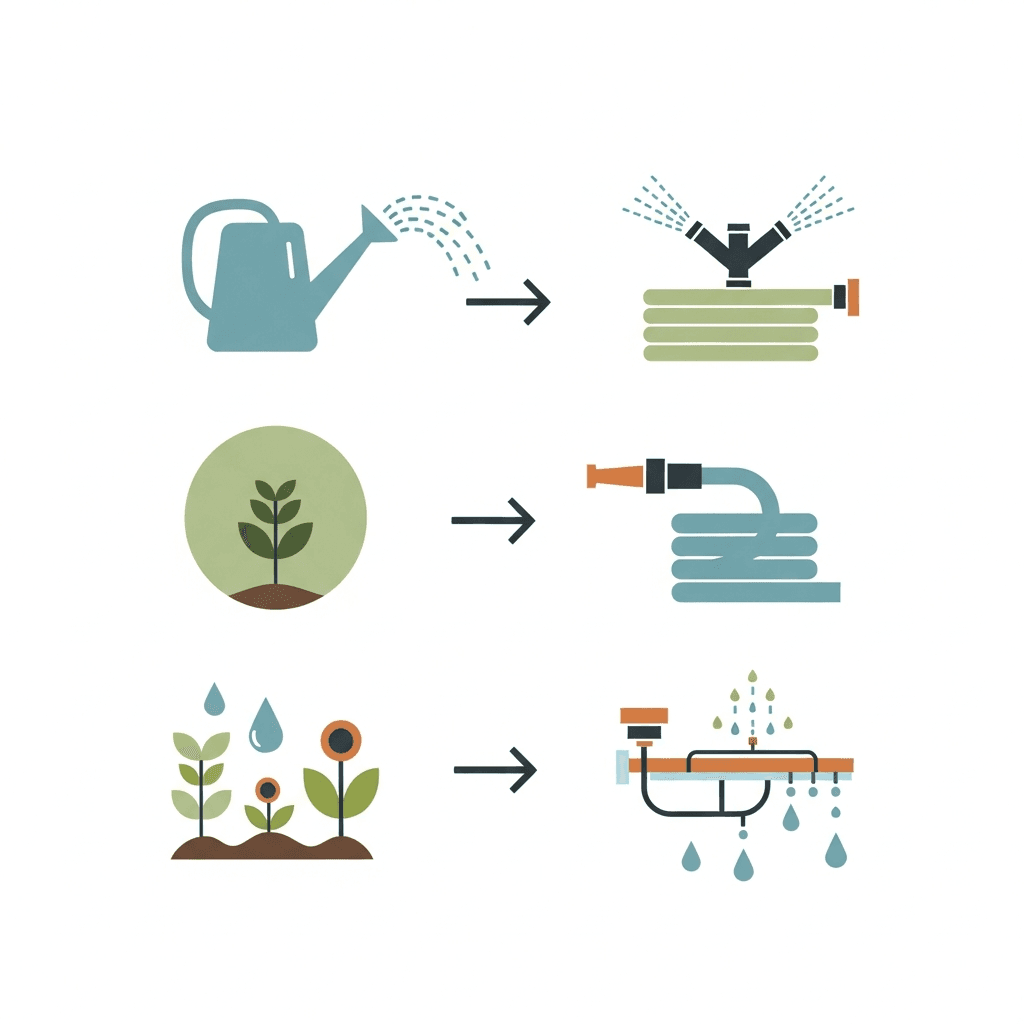
- Garden Watering and Irrigation Guide -- Water densely planted beds efficiently with drip irrigation
This guide provides general spacing and yield estimates based on USDA data, university extension research, and Square Foot Gardening principles. Actual yields depend on cultivar, soil fertility, climate, pest pressure, and growing practices. Always adjust spacing for your specific conditions and consult local extension resources for region-specific recommendations.
This article is provided for informational and educational purposes only. Content should not be considered professional financial, medical, legal, or other advice. Always consult a qualified professional before making important decisions. UseCalcPro is not responsible for any actions taken based on the information in this article.
Try These Calculators
Plan your garden layout with correct plant and row spacing. Enter bed dimensions and crop type to get exact plant counts, row counts, and seed quantities.
Estimate your garden's total harvest and grocery store value per square foot. Select vegetables, allocate growing area, and see detailed yield breakdowns.
Plan your raised bed garden layout with our free planner. Calculate how many plants fit, get companion planting tips, and optimize spacing for maximum yield.