1. Calculate
Choose your project scope and see the estimated price range.
Price a 2026 shrub pruning job by count, size, and scope — then compare quotes from local landscape crews.
Instant project estimate
The estimate is free. Additional details are optional.
Complete the project details and calculate to see a price range and next steps.
Clear next step
Choose your project scope and see the estimated price range.
Understand the cost drivers and what impacts your final quote.
Carry your scope into a local quote request if you choose.


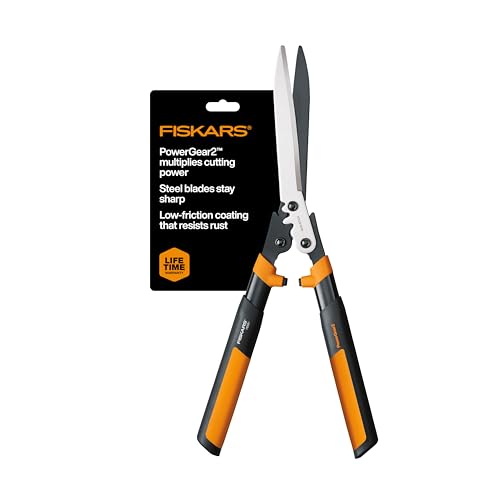
As an Amazon Associate, we earn from qualifying purchases.
Price as of Sep 15, 2026. Product prices and availability are accurate as of the date indicated and are subject to change. Any price and availability information displayed on Amazon at the time of purchase will apply.
The national average is $50-$150 per shrub for standard maintenance in 2026. Small shrubs under 3 ft run $25-$75 each, medium shrubs 3-6 ft land at $50-$150, large shrubs 6-8 ft cost $100-$250, and overgrown or multi-stem shrubs 8+ ft run $200-$500 per plant. A typical residential yard of 5-10 medium ornamentals costs $300-$800 per maintenance visit, including a minimum visit fee of $75-$150.
| Shrub Size | Height | Per-Shrub Range | Average |
|---|---|---|---|
| Small | Under 3 ft | $25-$75 | $50 |
| Medium | 3-6 ft | $50-$150 | $100 |
| Large | 6-8 ft | $100-$250 | $175 |
| Overgrown | 8+ ft | $200-$500 | $350 |
Light shaping trims only the exterior silhouette for appearance and runs $25-$100 per shrub, about 20-30% cheaper than standard maintenance. Standard maintenance adds interior thinning and deadwood removal and is the baseline scope most quotes assume. Rejuvenation pruning hard-cuts the plant to 6-12 inches from the ground to stimulate new growth, costing 2-3 times standard maintenance at $150-$400 per shrub, because debris volume is far higher and the cuts carry more plant-health risk.
| Pruning Scope | Per-Shrub Cost | Debris Impact | Best Candidate |
|---|---|---|---|
| Light shaping | $25-$100 | Minimal | Boxwood, arborvitae walls |
| Standard maintenance | $50-$150 | Moderate | Most ornamentals 1-2 yr cycle |
| Rejuvenation | $150-$400 | Heavy (+$100-$200) | Forsythia, lilac, spirea |
Most ornamental flowering shrubs benefit from annual maintenance. Foundation evergreens like boxwood, yew, and holly typically need shaping 1-2 times per year to stay tidy. Fast-growing shrubs like forsythia, spirea, and butterfly bush can need attention 2-3 times per growing season. Rejuvenation candidates need phased cuts over 2-3 consecutive seasons rather than one drastic removal. Skipping 3+ annual cycles creates a deferred-maintenance scenario where the catchup visit costs 50-100% more than routine annual service.
| Shrub Type | Recommended Frequency | Pruning Timing |
|---|---|---|
| Spring-blooming ornamentals | Annually | Right after bloom (May-June) |
| Foundation evergreens | 1-2 times/year | Late spring + late summer |
| Fast-growers | 2-3 times/season | As growth warrants |
| Rejuvenation candidates | Phased 2-3 seasons | Late winter before bud break |
Shrub size and count are the primary drivers: a crew can light-shape 15-20 small ornamentals in the time it takes to properly prune 5-6 large foundation shrubs. Pruning scope is the second variable, with rejuvenation adding 100-200% to the per-shrub baseline. Access and bed density add 15-30% when tight foundations, fencing, or structures require careful crew maneuvering. Debris volume drives a separate line: standard clippings run $50-$100 to haul, while a full rejuvenation job generates $100-$200 extra. Minimum visit fees of $75-$150 apply on every job regardless of size.
| Factor | Low Impact | High Impact |
|---|---|---|
| Shrub size | Small (<3 ft): +$25-$75 | Overgrown (8+ ft): +$200-$500 |
| Pruning scope | Light shaping: baseline | Rejuvenation: +100-200% |
| Access | Open lawn: no add-on | Tight foundation/fence: +15-30% |
| Region | Midwest/South: -10-20% | Coastal metros: +20-35% |
Get at least 3 written quotes from licensed landscape contractors. Shrub pruning is one of the most price-variable services in residential landscaping: quotes for the same property can range 50-80% from lowest to highest depending on the crew's overhead and local market position. Verify general liability insurance of at least $500K per occurrence. Confirm that standard debris disposal is included in the base quote rather than listed as a separate surprise line item. Avoid bids more than 30% below the pack, which typically indicate uninsured labor.
| Quote Red Flag | Why It Matters |
|---|---|
| No written scope of work | No recourse if scope disputed after job |
| No proof of insurance | Crew injury = potential homeowner liability |
| Debris disposal listed separately | Final invoice 20-40% higher than quoted |
| Bid 30%+ below pack | Likely uninsured or unlicensed operator |
Inputs
Result
Inputs
Result
Rejuvenation on large overgrown foundation shrubs is the highest-cost shrub scope. Confirm the species tolerates hard pruning before booking, and verify the crew will phase cuts if the plant is borderline.
Inputs
Result
Quote = Per-shrub rate × Shrub count + Debris handling + Minimum visit feeTypical shrub pruning quote equals the per-shrub rate (size-based $25-$500) multiplied by shrub count. Rejuvenation scope multiplies the per-shrub rate by 2-3x. Debris handling adds $50-$200, and a minimum job fee of $75-$150 applies on all visits. Regional labor rates add or subtract 10-35% from the national baseline.
Where:
Per-shrub rate= Small $25-$75, medium $50-$150, large $100-$250, overgrown $200-$500Pruning scope multiplier= Light shaping 0.7-0.8x; standard maintenance 1.0x; rejuvenation 2.0-3.0xDebris handling= Standard clippings $50-$100; heavy rejuvenation load $100-$200 extraMinimum visit fee= $75-$150 per job; amortized across larger shrub countsShrub pruning in the US averages $50-$150 per shrub for standard maintenance in 2026, with a typical residential yard of 5-10 medium ornamentals costing $300-$800 on a single visit. The full market runs from $25 per shrub for a small 2-foot boxwood needing light shaping to $500 per shrub for a dense, 9-foot overgrown viburnum undergoing rejuvenation pruning. Unlike tree trimming, which requires climbing arborists, rope rigging, and bucket trucks, shrub pruning is ground-level work with hand pruners, loppers, and hedge shears. This keeps per-unit pricing far lower than tree work: a 5-foot yew that costs $50-$120 to prune would require a $400-$800 arborist visit if it were a 40-foot tree. Use this calculator to scope your specific shrub list, then compare at least 3 quotes from licensed landscape contractors.
Minimum visit fees are one of the most underappreciated cost factors in shrub pruning: most landscaping crews charge $75-$150 as a job minimum, meaning a single-shrub cleanup costs nearly as much as having 4-5 shrubs done at once. Bundling 8-15 shrubs on a single visit is the most effective cost-optimization strategy for residential customers. The per-shrub rate rarely drops below $40 even on large jobs, but the minimum fee is amortized across the entire list. Multi-visit discount programs offering 10-15% off for committing to annual or twice-annual service schedules are increasingly common among regional landscape companies and represent real savings for homeowners with established foundation plantings that need consistent care.
This guide draws on 2026 commercial pricing data from LawnStarter, HomeGuide, Angi, and regional landscape association surveys covering thousands of contractor bids. For tree work on the same property, price the job separately using the tree trimming cost calculator since arborist labor and equipment rates differ substantially from shrub crew pricing. For full-yard landscape redesigns that pair shrub pruning with new plantings, mulch refresh, or hardscape improvements, the landscape design service cost calculator handles the broader project scope and lets you benchmark the combined quote before speaking with a contractor.
Shrub size is the primary per-shrub driver because it determines crew time directly. A small ornamental under 3 feet tall typically takes 5-10 minutes of hands-on pruning with loppers and hand shears, producing a per-shrub rate of $25-$75. Medium shrubs 3-6 feet tall, the most common bracket in residential foundation plantings, require 15-25 minutes for a proper thinning and shape, landing at $50-$150 each. Large specimen shrubs 6-8 feet tall and equally wide require 30-45 minutes of directional pruning per plant, driving per-shrub cost to $100-$250. Shrub count also influences the quote: crews hit peak efficiency at 8-15 shrubs per visit, so a 12-shrub job typically yields better per-shrub pricing than a 3-shrub job because setup and cleanup time is amortized across more plants.
Pruning scope is the second major variable, often as influential as shrub size. Standard maintenance, which involves thinning crowded interior growth, clearing deadwood, and shaping the exterior silhouette, is the baseline scope most quotes assume for shrubs on a 1-2 year schedule. Light shaping, which only trims the exterior for appearance without thinning interior branches, takes 20-30% less time and prices 10-25% lower than standard maintenance. Rejuvenation pruning is the high-end scope: cutting 50-75% of the plant mass down to 6-12 inches from the ground to stimulate vigorous new growth from old root stock. Rejuvenation generates 2-4 times the debris volume of standard maintenance, substantially increasing haul-away costs, and per-shrub rates run $150-$400 for medium-to-large plants, representing 2-3 times the standard maintenance baseline.
Regional labor rates create the widest geographic variation in final quotes. Coastal metros in California, the Northeast, and the Pacific Northwest run 20-35% above the national average due to higher crew wages, commercial insurance costs, and vehicle operating expenses in dense markets. Midwest and Plains states typically run 10-20% below national average, and the South Atlantic states sit near or slightly below average. Access is the site-specific factor that quotes most often underestimate: dense foundation beds bordered by fencing, low eaves, or air-conditioning units require careful crew maneuvering and add 15-30% to per-shrub time versus an open-lawn planting. Debris disposal adds $50-$100 for a standard clippings load or $100-$200 for a heavy rejuvenation job, and some contractors include it in the base quote while others list it as a separate line item.
Light shaping is the aesthetic maintenance option that trims the shrub's exterior to a clean outline without opening the interior canopy. The crew uses electric or battery hedge shears on most broadleaf and needled evergreens, completing a small-to-medium shrub in 5-15 minutes. Light shaping is appropriate for shrubs already at an acceptable size where the goal is simply maintaining the existing silhouette: boxwood balls, rounded junipers, and tightly sheared arborvitae walls are the classic candidates. Pricing runs $25-$100 per shrub depending on size, with a per-hour crew labor rate of $50-$80 for hedge-shear work. Most landscape crews can light-shape 15-20 small shrubs per hour, making this the fastest and most cost-effective scope type on a per-shrub basis.
Standard maintenance is the recommended annual or biannual service for established shrubs and represents the majority of residential shrub pruning jobs. In addition to exterior shaping, the crew thins interior branches to improve air circulation, removes deadwood and crossing limbs, and makes directional cuts to guide the shrub's growth pattern away from structures or foot traffic areas. Standard maintenance on a medium 4-foot foundation shrub takes 20-30 minutes of skilled hand-pruner work and prices at $50-$150 per plant. For a typical foundation bed of 8-10 medium shrubs, a standard maintenance visit including debris cleanup runs $500-$1,000 total, with the per-shrub rate declining slightly on larger jobs as setup and equipment overhead is amortized across more plants. Annual programs with the same crew often include a 10-15% loyalty discount and more consistent results over time.
Rejuvenation pruning is the most dramatic and most expensive scope, reserved for shrubs that have grown leggy, structurally poor, or dramatically oversized for their location. The technique involves cutting the entire plant down to 6-12 inches from the ground, or in phased rejuvenation, removing one-third of the oldest canes per year over 3 consecutive seasons. Not all shrubs tolerate hard rejuvenation: forsythia, lilac, viburnum, spirea, and butterfly bush regenerate vigorously from old wood; boxwood, holly, and most conifers do not tolerate cuts below their foliage canopy and will die if hard-cut. Per-shrub costs run $150-$400 for medium-to-large plants, with heavy debris hauling an additional $100-$200 per job. For yards where pruning pairs with mulch refresh after major cleanup, the mulch delivery cost calculator scopes the complementary line item on the same project.
| Pruning Scope | Per-Shrub Cost | Time Per Shrub | Best Candidate |
|---|---|---|---|
| Light shaping | $25-$100 | 5-15 min | Boxwood, arborvitae, shaped evergreens |
| Standard maintenance | $50-$150 | 15-30 min | Most ornamentals on 1-2 yr schedule |
| Rejuvenation pruning | $150-$400 | 45-90 min | Forsythia, lilac, overgrown spirea |
Confirm the species before booking rejuvenation pruning. Boxwood, holly, and conifers do not regenerate from hard cuts below their foliage line and will die. A reputable contractor will identify each plant and advise on the correct scope.
Timing shrub pruning correctly affects both plant health and your quote options. For spring-flowering shrubs like forsythia, azalea, lilac, and weigela, the correct pruning window is immediately after bloom, typically May or early June, because these plants set their flower buds on the previous year's growth. Pruning in late fall or winter removes next spring's flower display without harming the plant structurally. Summer-blooming shrubs like butterfly bush, rose of Sharon, and spirea that bloom on current-season wood can be cut in late winter or early spring before bud break, when the plant is dormant and wounds close fastest. Evergreen foundation shrubs like boxwood, yew, and holly are best shaped in late spring after new growth has hardened off or in late summer, avoiding fall cuts that leave tender new growth exposed to frost damage.
Seasonal demand patterns drive real price variation beyond plant-health considerations. Late winter through early spring is the highest-demand window for landscape companies as homeowners prioritize spring cleanup, typically producing 10-20% higher quotes or 2-4 week scheduling delays during peak season. Fall is a secondary demand spike as homeowners prepare for winter. Midsummer is consistently the slowest period for shrub pruning work and often produces the most competitive quotes: crews have scheduling availability, and many shrubs are between growth flushes, making the timing appropriate for non-flowering evergreens. Booking off-peak between October and January for non-urgent maintenance often secures the best per-job pricing and preferred scheduling with established crews who can slot the work at their own pace.
Frequency decisions have a compounding effect on cost that most homeowners underestimate. Shrubs pruned annually stay manageable and price at the standard $50-$150 per-plant rate, while shrubs left for 3-5 years accumulate crossing branches, deadwood, and scale insects that require 30-50% more crew time to correct. A foundation planting of 10 medium shrubs pruned annually at $80 per shrub ($800/year) will cost approximately $1,200-$1,500 for the deferred-maintenance catchup visit at year 3, representing a 50-88% cost premium for skipping two annual cycles. Committing to an annual maintenance program with a local landscape company also provides scheduling priority, a 10-15% loyalty discount in many markets, and crew familiarity with the specific growth habits of each plant on the property.
| Shrub Type | Prune Timing | Recommended Frequency |
|---|---|---|
| Spring-blooming (forsythia, azalea, lilac) | Right after bloom (May-June) | Annually |
| Summer-blooming (butterfly bush, spirea) | Late winter / early spring | Annually or as needed |
| Foundation evergreens (boxwood, yew, holly) | Late spring + late summer | 1-2 times per year |
| Fast-growers (forsythia, mock orange) | After first bloom, then as needed | 2-3 times per season |
Shrub pruning shares many contractor-vetting challenges with lawn care and tree services: low barriers to entry, high price variability, and occasional uninsured operators undercutting legitimate landscape companies by 25-40%. The baseline vetting checklist has four points. First, verify the company holds a valid state landscaping or business license and $500K general liability insurance per occurrence. Second, confirm workers compensation coverage for any crew on your property, since an uninsured employee slip-and-fall on your grounds can result in a homeowner liability claim that your homeowner policy may not cover. Third, get a written scope of work specifying which shrubs, what pruning scope, and how debris will be handled. Fourth, collect at least 3 competitive written quotes and treat bids more than 30% below the pack as an indicator of uninsured or unlicensed operations.
Three common mistakes drive the most expensive shrub pruning outcomes. First, accepting a single quote rather than three results in average overpayment of 15-25% versus the competitive market rate, according to consumer landscaping surveys from LawnStarter and Angi. Second, requesting or tolerating indiscriminate hedge-shearing of naturally irregular shrubs like viburnums, native azaleas, or ornamental grasses produces an unsightly flat-cut shape and forces the plant through an expensive rejuvenation cycle to recover its natural form, typically costing $150-$400 per plant for the corrective work two seasons later. Third, scheduling foundation shrub pruning in late October or November just before the first frost: new growth stimulated by the cuts arrives too late to harden off and dies back, requiring a second corrective pruning in spring that eliminates any savings from the off-season quote.
Annual shrub maintenance pairs naturally with other fall and spring cleanup work, which creates real bundling savings on mobilization costs. For homeowners in areas with significant deciduous leaf drop, scheduling pruning alongside a leaf removal service cuts the per-visit travel charge across both jobs; the leaf removal service cost calculator scopes the combined cleanup estimate so you can compare bundled versus separate quotes. Ask your contractor for a written annual maintenance proposal covering pruning, mulching, and debris cleanup: multi-service annual contracts typically save 10-20% versus booking each service separately, and the same crew develops familiarity with your specific planting over multiple seasons, improving both the quality and the efficiency of each subsequent visit.
Ask your contractor to walk the planting with you before any cuts. A 5-minute species identification walkthrough prevents the two most expensive mistakes: rejuvenating a species that won't survive hard cuts, and shearing a flowering shrub in winter and losing the spring bloom.
Read our guide
Read our guide
Read our guide
Price shrub care, tree work, irrigation, lawn services, and other outdoor service projects.
Last Updated: Sep 15, 2026
This calculator is provided for informational and educational purposes only. Results are estimates and should not be considered professional financial, medical, legal, or other advice. Always consult a qualified professional before making important decisions. UseCalcPro is not responsible for any actions taken based on calculator results.