1. Calculate
Choose your project scope and see the estimated price range.
Get a realistic 2026 all-in estimate for hearing aids by technology tier, purchase channel, and number of ears — then connect with licensed audiologists near you.
Instant project estimate
The estimate is free. Additional details are optional.
Complete the project details and calculate to see a price range and next steps.
Clear next step
Choose your project scope and see the estimated price range.
Understand the cost drivers and what impacts your final quote.
Carry your scope into a local quote request if you choose.
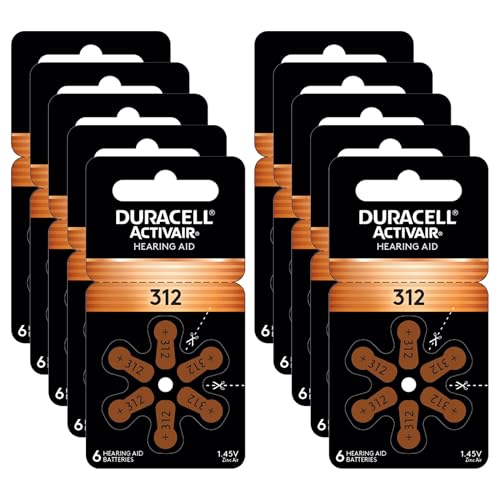


As an Amazon Associate, we earn from qualifying purchases.
Price as of Sep 20, 2026. Product prices and availability are accurate as of the date indicated and are subject to change. Any price and availability information displayed on Amazon at the time of purchase will apply.
Hearing aids cost $200–$7,000 per pair in 2026: OTC/basic aids run $200–$1,000, entry-level prescription $1,000–$2,500, mid-range $2,500–$4,500, and premium/advanced $4,500–$7,000. Audiologist pricing includes professional fitting and follow-up; online direct is cheapest but self-fitted.
Hearing aids cost $200 to $7,000 per pair in 2026 depending on technology tier, purchase channel, and whether you need one or both ears fitted. Over-the-counter (OTC) aids for adults with mild to moderate hearing loss run $200 to $1,000 per pair. Entry-level prescription aids cost $1,000 to $2,500. Mid-range prescription devices run $2,500 to $4,500. Premium and advanced prescription hearing aids reach $4,500 to $7,000 per pair. Single-ear pricing is typically 55 to 60 percent of the pair cost. These figures cover the hearing aid device; professional services such as fitting, follow-up visits, and audiological evaluation may add $200 to $700 if not bundled by the provider.
| Tier | Cost Per Pair (2026) | Typical Channel |
|---|---|---|
| OTC / basic | $200–$1,000 | Online, Walmart, Walgreens, Best Buy |
| Entry prescription | $1,000–$2,500 | Costco Hearing, audiologist |
| Mid-range prescription | $2,500–$4,500 | Costco, audiologist |
| Premium prescription | $4,500–$7,000 | Audiologist, specialty clinic |
The FDA authorized over-the-counter (OTC) hearing aids in October 2022, allowing adults with perceived mild to moderate hearing loss to purchase aids without a prescription or audiologist visit. OTC aids are self-fitted via a smartphone app and sold at Walmart, Walgreens, Best Buy, and online from brands like Jabra Enhance, Eargo, Lexie, and Sony. They cost $200 to $1,000 per pair. Prescription hearing aids require a hearing test by a licensed audiologist who programs the device to your specific audiogram, provides real-ear measurement fitting verification, and offers professional follow-up care. Prescription aids cover the full range of loss severity and offer more customization options. They cost $1,000 to $7,000+ per pair, much of which reflects bundled professional services.
| Feature | OTC Hearing Aids | Prescription Hearing Aids |
|---|---|---|
| Prescription required | No | Yes |
| Hearing test | Self-assessed | Audiologist audiogram |
| Fitting method | Self-fit via app | Real-ear measurement (probe mic) |
| Loss severity covered | Mild to moderate only | Mild to profound |
| Price per pair (2026) | $200–$1,000 | $1,000–$7,000+ |
Yes. The purchase channel is one of the largest cost drivers, often accounting for 25 to 40 percent price variation for equivalent device technology. Online direct-to-consumer brands (Jabra Enhance, Eargo, Lexie) are cheapest, cutting out storefronts and offering phone or video-based support. Warehouse clubs like Costco Hearing Centers offer bundled pricing of $1,400 to $2,800 per pair including hearing test, fitting, unlimited follow-up visits, and a three-year warranty. Licensed audiologists are the most expensive channel because they bundle comprehensive services: detailed audiological evaluation, real-ear measurement verification, multiple in-office adjustments, and extended warranties. The same underlying device chip can cost $1,400 at Costco, roughly $1,900 online, and $3,200 at an audiology clinic.
| Channel | Typical Price / Pair | Key Services Included |
|---|---|---|
| Online / direct-to-consumer | $200–$2,000 | App fitting, phone/video support |
| Warehouse club (Costco) | $1,400–$2,800 | Hearing test, fitting, follow-ups, 3-yr warranty |
| Audiologist or hearing clinic | $1,500–$7,000+ | Full audiogram, real-ear measures, multi-year service |
Original Medicare (Parts A and B) does not cover hearing aids or routine hearing exams. However, roughly 45 percent of Medicare Advantage (Part C) plans include a hearing benefit, typically $0 to $1,000 per ear every one to three years through managed networks such as Amplifon, TruHearing, or UnitedHealth Hearing. Commercial health insurance coverage ranges from nothing to $2,000 per ear per benefit period; pre-authorization is usually required. Medicaid covers hearing aids for children in most states and adults in approximately half of states. Veterans enrolled in VA health care are typically covered at no cost. Health savings accounts (HSA) and flexible spending accounts (FSA) can pay for hearing aids and audiologist services with pre-tax dollars.
| Payer | Typical Coverage | Frequency |
|---|---|---|
| Original Medicare | None | N/A |
| Medicare Advantage | $0–$1,000/ear | Every 1–3 years |
| Commercial insurance | $0–$2,000/ear | Every 2–3 years |
| Medicaid | Varies by state | Varies |
| VA health care | Usually full coverage | As needed |
Hearing aids typically last three to seven years depending on the model, wear pattern, and care routine. Disposable zinc-air batteries (sizes 10, 312, 13, or 675 depending on the aid) cost $50 to $200 per year. Rechargeable models eliminate battery purchases but cost more upfront. Annual professional service — adjustments, cleaning, minor repairs, and extended warranty — adds $150 to $500 per year unless bundled into the original purchase. A mid-range pair purchased at $3,500 with five years of $200 per year service costs roughly $4,500 over its useful life, or about $900 per year. After five to seven years, aging electronics and miniature components make upgrade more cost-effective than continued repair.
Inputs
Result
OTC aids at a warehouse club represent the entry point for amplified hearing. At the warehouse baseline (1.0 multiplier), both ears (1.0): base OTC [$200, $1,000] × 1.0 × 1.0 = $200–$1,000. Costco typically bundles hearing test, fitting, and follow-ups.
Inputs
Result
Entry prescription at an audiologist: base entry [$1,000, $2,500] × audiologist [1.25, 1.40] × both 1.0 = [$1,250, $3,500]. The 25–40% audiologist premium reflects real-ear measurement fitting, professional evaluation, and bundled follow-up care.
Inputs
Result
Premium audiologist one ear: $4,500 × 1.25 × 0.55 = $3,094 (min); $7,000 × 1.40 × 0.60 = $5,880 (max). Single-sided deafness and unilateral loss are common cases requiring only one device. Premium tier adds AI-driven noise separation and rechargeable batteries.
Total = Base(tier) × Provider multiplier × Ears multiplierThe estimated all-in cost multiplies a tier-based device price (warehouse/mid-market baseline) by a provider-channel factor reflecting bundled professional services, and an ears factor (pair vs. single aid).
Where:
Base(tier)= Per-pair device + service price for the technology tier at warehouse / mid-market baselineProvider multiplier= Online 0.80–0.88; warehouse club 1.0 (baseline); audiologist 1.25–1.40Ears multiplier= Both ears = 1.0 (full pair); one ear = 0.55–0.60One-ear cost ≈ Pair cost × 0.55 to 0.60A single hearing aid costs roughly 55 to 60 percent of the pair price because the device cost is halved but fitting, programming, and professional service fees are not fully divided in two.
Where:
Pair cost= All-in estimated cost for both ears at the same tier and provider channel0.55–0.60= Single-ear factor; overhead and service fees are shared, not halvedAudiologist total = Warehouse baseline × 1.25 to 1.40Licensed audiologists charge 25 to 40 percent more than warehouse clubs for comparable device technology, reflecting bundled services: comprehensive audiological evaluation, real-ear measurement fitting verification, multiple follow-up adjustments, and extended warranties.
Where:
Warehouse baseline= All-in tier price at a warehouse club like Costco Hearing (includes fitting and follow-ups)1.25–1.40= Audiologist premium; higher end for comprehensive multi-year care plans or complex fitting casesThe figures this calculator produces are informational estimates based on 2026 US market data. As noted in the disclaimer above, actual device and service costs vary by provider, location, insurance coverage, and individual hearing profile. With that framing in mind, the US hearing aid market in 2026 looks like this: over-the-counter (OTC) aids for adults with mild to moderate hearing loss cost $200 to $1,000 per pair and can be purchased without a prescription at Walmart, Walgreens, Best Buy, or directly from manufacturers. Entry-level prescription hearing aids cost $1,000 to $2,500 per pair. Mid-range prescription devices run $2,500 to $4,500. Premium and advanced prescription models reach $4,500 to $7,000 per pair.
Those ranges represent realistic all-in costs at the most common purchase channels. The wide spread inside each band is real and reflects the channel, not just the device. A mid-range aid that costs $2,800 at Costco might cost $3,800 at an independent audiology clinic and $1,900 from an online direct-to-consumer brand for a similar underlying chip. The device hardware is often comparable; what differs is the professional service bundle attached to it. Understanding what each dollar range buys — in device capability, fitting quality, follow-up care, and warranty coverage — is as important as the headline price.
The most important clarification before comparing prices is the distinction between device-only cost and all-in cost. Some providers quote the hearing aid device price alone and itemize professional services separately: audiological evaluation ($75 to $250), fitting fee ($150 to $300), real-ear measurement testing ($150 to $250), and follow-up adjustments ($75 to $150 each). Others bundle everything into a single price. Comparing quotes across providers means nothing unless you are comparing the same components. The calculator above applies tier, channel, and ears count to a consistent all-in base so you arrive at consultations with a grounded anchor.
| Tier | Cost Per Pair (2026) | Typical Channels |
|---|---|---|
| OTC / basic | $200–$1,000 | Online, Walmart, Walgreens, Best Buy |
| Entry prescription | $1,000–$2,500 | Costco Hearing, audiologist |
| Mid-range prescription | $2,500–$4,500 | Costco, audiologist |
| Premium prescription | $4,500–$7,000 | Audiologist, specialty clinic |
Always ask whether a quoted price is device-only or all-in (fitting, follow-up visits, and warranty). A $1,000 device-only quote at a clinic plus $600 in unbundled services may cost more than a $1,400 all-in bundle at a warehouse club. Compare the same components.
The FDA's 2022 over-the-counter hearing aid rule was the most significant change to US hearing aid access in decades. It created a new regulatory category allowing adults 18 and older with perceived mild to moderate hearing loss to purchase hearing aids without a prescription, medical exam, or audiologist visit. The practical result is a lower-cost self-fit category ranging from $200 to $1,000 per pair, sold by established brands like Jabra Enhance, Eargo, Lexie (powered by Bose), Sony, and pharmacy private labels. OTC aids use a companion smartphone app to let users set volume, frequency response, and directional focus based on self-reported preferences and guided tone tests.
OTC aids perform well for adults with consistent mild to moderate hearing loss who do not have chronic ear conditions, significant asymmetry between ears, or a history of ear surgery. They are not appropriate for children, for anyone with severe to profound hearing loss, or for people with single-sided deafness or asymmetric loss. The self-fitting process, while increasingly sophisticated, cannot match the precision of a real-ear measurement fitting performed by a licensed audiologist, which uses a probe microphone inside the ear canal to verify that the device is delivering exactly the correct amplification at each frequency for that individual’s ear anatomy. Studies consistently show that properly verified prescription fittings outperform self-fit OTC aids on objective speech-in-noise tests, even when comparing equivalent underlying hardware.
Prescription hearing aids occupy the $1,000 to $7,000+ per-pair range and cover the full range of hearing loss severity — mild through profound. They require a comprehensive audiological evaluation (pure-tone audiogram, speech recognition testing, middle-ear assessment) before fitting, which adds $75 to $250 if not bundled. The clinical fitting includes real-ear measurement verification that OTC aids do not provide. Prescription aids offer more programmable channels, advanced directional microphone systems, more sophisticated noise reduction algorithms, Bluetooth connectivity to a wider range of devices, tinnitus masking features, and rechargeable battery options at all price points.
For borderline candidates — adults with mild to moderate high-frequency hearing loss who are otherwise healthy — the choice between OTC and prescription is a genuine cost-versus-precision trade-off. OTC at $600 with a 45-day return policy versus audiologist-prescription at $2,800 all-in is a meaningful decision. The answer depends on the degree of loss, lifestyle needs (noisy restaurants, work calls, music), comfort with technology, and whether insurance or Medicare Advantage offsets the prescription cost. A professional hearing test ($75 to $250) before buying any aid — OTC or prescription — is almost always money well spent.
| Feature | OTC Hearing Aids | Prescription Hearing Aids |
|---|---|---|
| Prescription required | No | Yes |
| Hearing test | Self-assessed | Audiologist audiogram |
| Fitting method | Self-fit via app | Real-ear measurement (probe mic) |
| Loss severity covered | Mild to moderate only | Mild to profound |
| Price per pair (2026) | $200–$1,000 | $1,000–$7,000+ |
| Follow-up support | Phone / app | In-office adjustments |
Getting a professional hearing test before buying any hearing aid — OTC or prescription — is almost always worth the $75 to $250 fee. The audiogram gives you an objective picture of your loss severity and frequency profile, which determines whether OTC aids are appropriate or whether prescription technology is clinically needed.
Where you buy hearing aids is the second most important cost driver after technology tier. The same underlying hearing aid chip — Phonak Lumity, Oticon Intent, Signia Augmented Xperience — can cost roughly $1,400 at a warehouse club, $1,900 online, and $3,200 at an audiology clinic. The difference is not pure markup; it reflects the professional services bundled into each channel’s pricing. Understanding what each channel includes helps you compare apples to apples and avoid being surprised by unbundled fees after the fact.
Online direct-to-consumer brands — Jabra Enhance, Eargo, Lexie, Nuheara, Sony CRE, Olive — are the lowest-cost channel. They cut out physical storefronts, employ remote audiologists for phone and video consultations, and fit aids via companion apps. Their prices range from $200 for OTC-category aids up to about $2,000 for online-channel prescription devices. The tradeoff is less hands-on professional fitting, no in-person adjustments, and return and repair logistics that require mailing the device. Remote support quality varies significantly by brand; some offer live video visits with a licensed audiologist, while others provide only automated app-guided fitting.
Warehouse clubs — principally Costco Hearing Centers — have become the dominant value channel for prescription hearing aids in the US. Costco employs state-licensed hearing instrument specialists and audiologists at most locations. Their hearing aids cost $1,400 to $2,800 per pair and include the hearing test, fitting, unlimited follow-up visits for the life of the aid, a one-year loss-and-damage replacement, and a three-year product warranty. Costco does not sell OTC aids. For buyers who live near a Costco, this channel consistently offers the best cost-to-value ratio for mid-range prescription devices. The limitation is brand selection: Costco sells Kirkland Signature aids (made by Sonova/Phonak) and a curated range of Philips, ReSound, Jabra, and Rexton — not the full premium range from Widex, Starkey, or Signia.
Licensed audiologists and hearing clinics are the highest-cost channel but bundle the most comprehensive services. An audiologist visit typically includes a detailed pure-tone and speech audiogram, real-ear measurement (probe-microphone) fitting verification — the clinical gold standard absent from most warehouse and online fittings — multiple in-office follow-up adjustment appointments, an extended service and warranty plan, and access to the full range of premium hearing aid brands. The professional service component alone adds $500 to $1,500 above the warehouse channel price for comparable device quality. For patients with complex audiological profiles, significant asymmetry, a history of ear surgery, or severe-to-profound loss, the audiologist channel is clinically appropriate and the added cost typically translates to meaningfully better outcomes.
| Channel | Price Range / Pair | Key Services Included |
|---|---|---|
| Online / direct-to-consumer | $200–$2,000 | App fitting, phone/video audiologist, remote support |
| Warehouse club (Costco) | $1,400–$2,800 | Hearing test, fitting, unlimited follow-ups, 3-yr warranty |
| Audiologist or hearing clinic | $1,500–$7,000+ | Full audiogram, real-ear measures, multi-year professional service |
Costco Hearing Centers offer the best cost-to-value ratio for mid-range prescription aids for most buyers: licensed fitter, bundled professional services, and brand-name devices at 30 to 50 percent below independent audiologist pricing for comparable technology. Membership (~$65/year) is required.
Original Medicare (Parts A and B) does not cover hearing aids or routine hearing exams — a gap that affects millions of Medicare beneficiaries with hearing loss. However, Medicare Advantage (Part C) plans increasingly include hearing benefits: roughly 45 percent of Medicare Advantage enrollees have a plan that covers hearing aids, typically $0 to $1,000 per ear every one to three years through managed networks like Amplifon (formerly Hearing Care Solutions), TruHearing, or UnitedHealth Hearing. These networks negotiate discounted pricing with participating audiologists, and coverage amounts are applied after the network discount — so the effective out-of-pocket can be significantly lower than the listed benefit.
Commercial health insurance coverage for hearing aids varies from zero to $2,000 per ear per benefit period depending on the plan. Employer-sponsored plans are more likely to include hearing benefits than individual marketplace plans. When coverage exists, it typically requires documentation of medically necessary hearing loss on an audiogram, a referral or co-management from an otolaryngologist or audiologist, and purchase within a covered provider network. Pre-authorization is usually required. The key action before any purchase is to call your insurer and ask specifically: benefit type (per ear vs. per pair), the dollar limit, the frequency (how often you can receive new aids), and the network requirements.
For those without insurance coverage, several assistance programs exist. Medicaid covers hearing aids for children in virtually all states and adults in approximately half of states, with benefit levels varying from one pair of basic aids every three to five years to broader coverage. Veterans enrolled in VA health care are typically eligible for hearing aids at no cost through the VA audiology service. For others, medical financing through CareCredit (6- to 24-month deferred interest plans), Alphaeon Credit, and state nonprofit programs — including Starkey Hearing Foundation’s Hear Now and Lions Club International hearing programs — can bridge the cost gap. Health savings accounts and flexible spending accounts accept hearing aids and audiologist fees as qualified expenses, providing effective tax savings of 22 to 37 percent depending on your bracket.
| Payer | Typical Hearing Aid Coverage | Notes |
|---|---|---|
| Original Medicare (A/B) | None | Audiology evaluation may be covered if ordered by MD |
| Medicare Advantage (C) | $0–$1,000/ear, every 1–3 yr | Through managed networks (Amplifon, TruHearing) |
| Commercial insurance | $0–$2,000/ear | Varies widely; pre-auth usually required |
| Medicaid | Varies by state | Children in most states; adults in ~half of states |
| VA health care | Full coverage | No cost for enrolled veterans |
| HSA / FSA | Eligible expense | Use pre-tax dollars for devices and audiologist fees |
Before paying out of pocket, check whether your Medicare Advantage or commercial plan has a hearing benefit — about 45 percent of Medicare Advantage enrollees have one. A five-minute call to member services can save $500 to $2,000 on a pair of prescription aids.
The estimates this calculator produces are starting-point planning figures, not medical diagnoses, fitting recommendations, or professional hearing care assessments. Hearing loss is a medical condition with a wide range of causes, severities, and audiological profiles. No cost calculator can determine whether your hearing loss is medically treatable — conductive loss from wax buildup, fluid, or otosclerosis may be resolved by medication or surgery rather than amplification — whether your loss profile makes you an appropriate OTC candidate, or which technology tier will genuinely meet your communication needs in noise. Only a comprehensive audiological evaluation by a licensed audiologist or otolaryngologist (ENT physician) can make those determinations.
Seek a professional consultation before purchasing any hearing aid if you experience sudden or rapidly progressive hearing loss, single-sided deafness or significant asymmetry between ears, dizziness or balance problems, tinnitus (ringing, buzzing, or clicking), ear pain, drainage, or a history of ear disease or surgery. These symptoms may indicate a medical condition requiring treatment, not just amplification. For children of any age, a full audiological evaluation and, where indicated, an ENT assessment are required before any hearing device is fitted — OTC hearing aids are not approved for anyone under 18.
When choosing an audiologist or hearing clinic for a consultation, verify that the professional holds a Doctor of Audiology (Au.D.) degree or state licensure as a hearing instrument specialist. Ask specifically about real-ear measurement (probe-microphone fitting verification) — clinics that perform real-ear measures consistently achieve better patient outcomes. Confirm the return policy (a minimum of 30 days is standard; 45 to 60 days is better), what follow-up adjustments are included in the price, and the repair and warranty process. Hearing aids represent a significant multi-year investment; the quality of the clinical relationship is as important as the device itself.
This calculator provides cost estimates for informational purposes only — it is not medical advice. Consult a licensed audiologist or otolaryngologist (ENT physician) before purchasing hearing aids. Only a professional audiological evaluation can determine your loss severity, appropriate technology tier, and whether medical treatment may restore hearing without amplification.
Read our guide
Read our guide
Read our guide
Price medical procedures, wellness services, and personal-care costs, then plan your healthcare budget with confidence.
Last Updated: Sep 20, 2026
This calculator is provided for informational and educational purposes only. Results are estimates and should not be considered professional financial, medical, legal, or other advice. Always consult a qualified professional before making important decisions. UseCalcPro is not responsible for any actions taken based on calculator results.