1. Calculate
Choose your project scope and see the estimated price range.
Get a realistic 2026 estimate for teeth whitening by method, provider, and region — then compare quotes from local dentists and cosmetic studios.
Instant project estimate
The estimate is free. Additional details are optional.
Complete the project details and calculate to see a price range and next steps.
Clear next step
Choose your project scope and see the estimated price range.
Understand the cost drivers and what impacts your final quote.
Carry your scope into a local quote request if you choose.

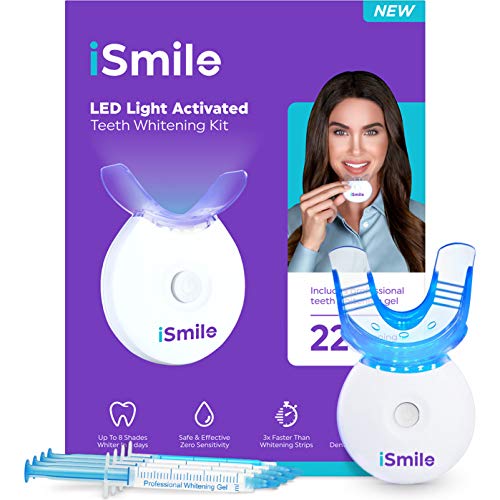

As an Amazon Associate, we earn from qualifying purchases.
Price as of Sep 17, 2026. Product prices and availability are accurate as of the date indicated and are subject to change. Any price and availability information displayed on Amazon at the time of purchase will apply.
Teeth whitening costs $20 to $1,000+ in 2026 depending on method: in-office laser or LED (Zoom-style) runs $400-$1,000 per session, dentist take-home custom trays $200-$600, med-spa whitening $100-$400, and OTC strips or kits $20-$100.
Teeth whitening cost depends almost entirely on the method. Professional in-office laser or LED whitening (Zoom-style) runs $400-$1,000 per session, with premium laser systems reaching $1,800. Dentist-provided take-home custom trays cost $200-$600, med-spa or studio sessions $100-$400, and over-the-counter strips or LED kits just $20-$100. Whitening is cosmetic, so dental insurance almost never covers it, and prices climb 20-40% in major metros.
| Method | Typical Cost | Best For |
|---|---|---|
| In-office laser / LED | $400-$1,000 | Fast, dramatic results |
| Take-home custom trays | $200-$600 | Gradual, dentist-grade |
| Med-spa / studio | $100-$400 | Budget pro session |
| OTC strips / kits | $20-$100 | Mild stains, low budget |
In-office whitening costs 5-20x more than drugstore strips because you are paying for professional-strength gel, a trained provider, and a single-visit result. Dentists use hydrogen peroxide concentrations of 25-40%, often activated by a laser or LED light, which lifts stains several shades in one 60-90 minute appointment. OTC strips top out around 10% peroxide and need 1-2 weeks of daily use for a milder result. You are also paying for a pre-whitening exam that screens for cavities and gum issues the gel could aggravate.
No. Teeth whitening is classified as a cosmetic procedure, so virtually no dental insurance plan covers it, whether done in-office or with take-home trays. You pay 100% out of pocket. Some dentists fold a discounted whitening session into a new-patient package or offer it free after a cleaning to attract business, and many accept financing like CareCredit for the $400-$1,000 in-office fee. If a tooth is discolored from decay or a dead nerve, the underlying treatment may be covered even though the cosmetic whitening is not.
Professional in-office whitening lasts 6 months to 3 years depending on diet and habits, while take-home trays maintained with periodic gel refills can last the longest. Coffee, tea, red wine, and smoking re-stain teeth fastest. Most people do a touch-up every 6-12 months, which costs far less than the first treatment because you reuse your custom trays and only buy gel refills at $20-$60. Budget for maintenance, not just the upfront session, when comparing methods.
Med-spa and mall-kiosk whitening is cheaper ($100-$400) but legally limited. In most states, non-dental staff cannot apply high-concentration peroxide directly to your teeth, so they hand you the applicator and use a lower-strength gel, producing milder results than a dentist's 25-40% gel. A dentist also screens for cavities and gum disease first, which matters because peroxide on an untreated cavity causes real pain. For mild surface stains a med-spa session is fine; for deep or uneven discoloration, a dentist is worth the premium.
Inputs
Result
A single Zoom-style laser session at a dentist in a mid-cost market sits near the national average. The price usually includes take-home trays to maintain results, with later touch-ups costing only gel refills.
Inputs
Result
Custom-fitted trays plus professional-strength gel cost less than in-office laser and last for years; you only re-buy gel. The desensitizing add-on prevents the zingers that high-peroxide gel can cause.
Inputs
Result
Over-the-counter strips and LED kits are the cheapest path and barely vary by region since they are retail products. Results are milder and take 1-2 weeks of daily use, but the price is a fraction of professional whitening.
Total cost = Method base price x Sessions + Sensitivity add-on + Regional multiplierWhitening is priced from the method first, then adjusted for the number of sessions or touch-ups, any desensitizing treatment, and local labor rates. Start from the method midpoint and layer the other drivers on top.
Where:
Method base price= In-office laser $400-$1,000, take-home trays $200-$600, med-spa $100-$400, or OTC $20-$100Sessions= Extra visits or touch-ups multiply method-level cost; in-office repeats are far pricier than gel refillsSensitivity add-on= A desensitizing treatment adds roughly $25-$75 to a professional sessionRegional multiplier= Major metros (NYC, LA, SF) run 20-40% above the national average; small towns run belowCost per shade = Total method cost / Shades lifted; lower is better valueTo compare methods fairly, divide the total cost by the number of shades the method typically lifts. Professional whitening costs more upfront but lifts more shades per dollar and lasts longer than repeated OTC purchases.
Where:
Total method cost= The all-in price for that method including trays, gel, and add-onsShades lifted= In-office lifts 4-8 shades in one visit; OTC strips lift 1-3 over two weeksLongevity factor= Repeat OTC purchases every few months can match a single in-office fee within a year or twoTeeth whitening is one of the most requested cosmetic dental treatments in the US, and the price you pay is driven almost entirely by which method you choose. In 2026, professional in-office whitening at a dentist runs $400 to $1,000 for a single laser or LED session, while at the other end of the spectrum a box of whitening strips from the drugstore costs as little as $20. That is a 20-to-50-fold spread for treatments that all promise a brighter smile, which is exactly why so many people search for a real number before booking.
The reason the range is so wide is that you are not buying one product — you are buying a combination of gel strength, professional time, and speed of result. In-office whitening uses hydrogen peroxide gel at 25-40% concentration, often activated by a laser or LED light, and lifts your teeth several shades in a single 60-90 minute visit. Dentist-provided take-home custom trays sit in the middle at $200 to $600, using weaker gel over 7-14 days. Med-spa and kiosk whitening costs $100 to $400, and over-the-counter strips and LED kits run $20 to $100. Use the calculator above to land on a figure for your method, provider, and region, then read on to understand what each input is really pricing.
One thing every method shares: whitening is cosmetic, so dental insurance does not cover it. Whether you spend $40 on strips or $900 on a Zoom session, the cost comes straight out of pocket. Some dentists offset that by folding a discounted or free whitening session into a new-patient cleaning package, and many accept CareCredit or similar financing for the in-office fee. Knowing the procedure is never reimbursed changes how you should compare it — the cheapest acceptable result, not the insurance copay, is the real decision.
| Method | Typical Cost | Time to Result | Best For |
|---|---|---|---|
| In-office laser / LED | $400-$1,000 | One 60-90 min visit | Fast, dramatic whitening |
| Take-home custom trays | $200-$600 | 7-14 days | Dentist-grade, gradual |
| Med-spa / studio | $100-$400 | One visit, milder gel | Budget professional session |
| OTC strips / LED kits | $20-$100 | 1-2 weeks daily | Mild stains, low budget |
Whitening is a cosmetic procedure, so no dental insurance plan covers it — you pay 100% out of pocket for every method, from $20 strips to a $900 in-office laser session.
Two patients can walk into different offices and get quotes that differ by hundreds of dollars for what sounds like the same treatment. The variance is rarely random — dentists and studios price from a base method and then adjust for the gel strength, technology, and time your specific case demands. The more dramatic and durable a result you want, the more you pay, because professional-strength gel and chair time are the bulk of the cost.
Read every quote against the list below. If a provider cannot tell you the gel concentration, how many shades to expect, or whether take-home trays are included, that is a sign the price is a starting point that will move once you are in the chair.
Ask whether take-home maintenance trays are included in an in-office fee. Many Zoom-style packages bundle custom trays so future touch-ups cost only a $20-$60 gel refill instead of another full session.
The three tiers of whitening buy very different things, and overspending happens when someone books in-office laser for stains a $40 box of strips would have handled. In-office whitening is the premium tier: professional-strength gel, often laser- or LED-activated, that lifts 4-8 shades in one visit. It is the right choice when you want fast, dramatic results for an event, or when stains are deep and uneven. It is also the only tier where a dentist screens for cavities and gum issues before applying peroxide, which matters because gel on an untreated cavity is genuinely painful.
Dentist take-home custom trays are the value sweet spot for most people. You pay $200 to $600 once for impressions, custom-fitted trays, and professional gel, then whiten gradually at home over 7-14 days. Because the trays last for years, every future touch-up costs only a gel refill. The trade-off is patience — results build over two weeks instead of one appointment. The facial and spa-day services in the related calculators follow the same logic: a professional version costs more but lasts and looks better than the drugstore equivalent.
Over-the-counter strips and LED kits are the budget tier at $20 to $100. They use 6-10% peroxide, lift 1-3 shades over two weeks of daily use, and are perfectly fine for mild surface staining from coffee or tea. The catch is longevity: if you re-buy strips every few months, the running cost can match a single set of custom trays within a year or two, with a milder result each time. The table below maps each tier to the situation it actually fits.
| Tier | What You Get | Cost | Right For |
|---|---|---|---|
| In-office laser / LED | 4-8 shades, one visit, strongest gel | $400-$1,000 | Events, deep stains |
| Take-home custom trays | Gradual, dentist gel, reusable trays | $200-$600 | Best long-term value |
| OTC strips / LED kits | 1-3 shades, retail gel | $20-$100 | Mild stains, tight budget |
Buy the tier your stains require, not the most impressive one. Mild coffee staining responds to $40 strips; deep or uneven discoloration is where the $600-$1,000 professional tiers earn their price.
Beyond the method itself, three inputs quietly move the final number: tooth sensitivity, how often you touch up, and where you live. Roughly half of whitening patients feel some sensitivity — the sharp, brief zingers caused by high-peroxide gel reaching the nerve. A desensitizing treatment, either a fluoride or potassium-nitrate gel applied before or after whitening, adds about $25 to $75 to a professional session and is worth it if you have sensitive teeth or are choosing the strongest in-office option.
Touch-ups are where the long-term math lives. A single in-office session is not permanent: results last 6 months to 3 years depending on how much coffee, tea, red wine, and tobacco you consume. If you maintain with custom trays, a touch-up costs only a $20-$60 gel refill. If you rely on repeat in-office visits, each one is another $400-$1,000. That is why the take-home tray tier often wins on total cost of ownership even though in-office feels faster — the cheap maintenance path is baked in.
Region rounds out the picture. Whitening is a labor-and-rent business, so a Zoom session that costs $450 in a mid-size Midwestern city can run $800-$1,000 in Manhattan, Los Angeles, or San Francisco. OTC products barely vary by region because they are retail goods shipped nationwide, but anything involving a provider's chair time tracks local cost of living. When you compare quotes, normalize for your metro before assuming one office is overcharging.
The cheapest whitening is the one that works the first time without damaging your teeth, so vet the result and the safety screen, not just the headline price. Before any professional treatment, a dentist should confirm your stains are extrinsic (surface) rather than intrinsic (inside the tooth from medication, trauma, or decay), because peroxide does not fix intrinsic discoloration and can waste a $900 session. Get the expected shade improvement in writing and ask whether maintenance trays are part of the fee.
For most people the smartest play is dentist take-home custom trays: you get professional-strength gel and a safety exam at a fraction of the in-office price, and the reusable trays make every future touch-up nearly free. Reserve in-office laser for when you need a fast, dramatic result before a wedding or event, and reserve OTC strips for mild touch-ups between professional treatments. If you are budgeting whitening as part of a broader self-care plan, the facial, spa-day, and massage calculators in the health category use the same compare-the-real-cost discipline.
Finally, protect the result you paid for. Avoid coffee, tea, red wine, and dark sauces for 48 hours after whitening when teeth are most porous, use a straw for staining drinks afterward, and keep up with cleanings. A small amount of maintenance discipline can stretch a single $200-$600 tray investment for years, which is the single biggest lever on what whitening actually costs you over time.
Never pay for an in-office session before a dentist confirms your stains are extrinsic. Peroxide can't whiten intrinsic discoloration, so the wrong diagnosis turns a $900 treatment into a $900 disappointment.
Confirm your stain type
Have a dentist verify stains are surface-level; intrinsic discoloration won't respond to peroxide and needs other treatment.
Match method to need
Choose OTC for mild stains, take-home trays for best value, and in-office laser only for fast, dramatic results.
Ask what's included
Confirm whether take-home maintenance trays and a sensitivity add-on are bundled or billed separately.
Get the shade estimate in writing
Ask how many shades to expect so you can judge value and hold the provider to the result.
Plan maintenance up front
Budget $20-$60 gel refills and avoid staining foods for 48 hours to make the result last for years.
Read our guide
Read our guide
Read our guide
Price whitening, facials, spa days, and other self-care and wellness services, then plan a realistic personal-care budget.
Last Updated: Sep 17, 2026
This calculator is provided for informational and educational purposes only. Results are estimates and should not be considered professional financial, medical, legal, or other advice. Always consult a qualified professional before making important decisions. UseCalcPro is not responsible for any actions taken based on calculator results.