1120 BPM Quarter Note Delay
Inputs
BPM120
Note ValueQuarter (1/4)
Result
Delay Time500 ms
60,000 / 120 = 500 ms per quarter note.
Quarter Note
500 ms
BPM
120
Hz
2
Quarter Note Delay
500
milliseconds
| Note | Straight | Dotted | Triplet |
|---|---|---|---|
| Whole (1/1) | 2000 ms | 3000 ms | 1333.33 ms |
| Half (1/2) | 1000 ms | 1500 ms | 666.67 ms |
| Quarter (1/4) | 500 ms | 750 ms | 333.33 ms |
| Eighth (1/8) | 250 ms | 375 ms | 166.67 ms |
| Sixteenth (1/16) | 125 ms | 187.5 ms | 83.33 ms |
| Thirty-second (1/32) | 62.5 ms | 93.75 ms | 41.67 ms |

Affiliate link — we may earn a commission at no extra cost to you. Price shown as of the last refresh.
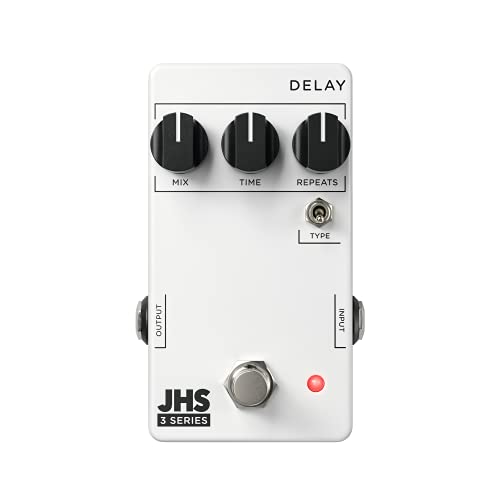

As an Amazon Associate, we earn from qualifying purchases.
Price as of Sep 17, 2026. Product prices and availability are accurate as of the date indicated and are subject to change. Any price and availability information displayed on Amazon at the time of purchase will apply.
Inputs
Result
60,000 / 120 = 500 ms per quarter note.
Inputs
Result
Quarter = 60,000/140 = 428.6ms. Eighth = 214.3ms. Dotted eighth = 214.3 × 1.5 = 321.4 ms.
Quarter note delay in ms = 60,000 / BPM. At 120 BPM: 60,000 / 120 = 500 ms. Halve for eighth notes (250 ms), double for half notes (1000 ms). Dotted = straight × 1.5. Triplet = straight × 2/3.
| Note Value | 100 BPM | 120 BPM | 140 BPM |
|---|---|---|---|
| Quarter | 600 ms | 500 ms | 428.6 ms |
| Eighth | 300 ms | 250 ms | 214.3 ms |
| Dotted 8th | 450 ms | 375 ms | 321.4 ms |
| Sixteenth | 150 ms | 125 ms | 107.1 ms |
A dotted note is 1.5× the straight value. Dotted eighth = 375 ms at 120 BPM (vs 250 ms straight). This is the classic U2/Edge delay sound and creates a bouncing rhythmic feel between beats.
Rock/pop: dotted eighth (375ms at 120 BPM). Ambient: quarter or half note. Dub/reggae: dotted quarter with high feedback. Electronic: sixteenth with ping-pong. Slapback: 60-120ms single repeat.
Pre-delay separates the dry signal from reverb onset. For clarity in vocals: 20-50ms. For natural room feel: 10-30ms. For large halls: 50-100ms. Match to tempo by using note-value divisions.
Explore BPM, delay, tuning, and acoustic calculators
Last Updated: Sep 17, 2026
This calculator is provided for informational and educational purposes only. Results are estimates and should not be considered professional financial, medical, legal, or other advice. Always consult a qualified professional before making important decisions. UseCalcPro is not responsible for any actions taken based on calculator results.