1170 lb intermediate skier
Inputs
Weight170 lbs
Boot Sole305 mm
TypeII (Moderate)
Age10–49
Result
DIN Setting6.0
Weight 170 lbs = code 11. Type II (no adj), age 10–49 (no adj). Code 11 + sole 291–310 = DIN 6.0.
Recommended DIN
6.0
Skier Code
11
Boot Sole
291-310
Recommended DIN Setting
6.0
Skier Code: 11
Boot Sole
291-310
Type
Type

Affiliate link — we may earn a commission at no extra cost to you. Price shown as of the last refresh.
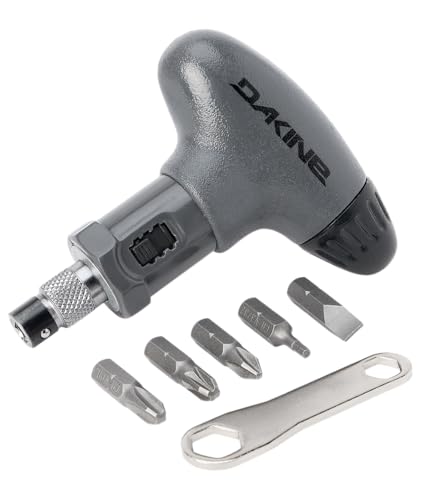

As an Amazon Associate, we earn from qualifying purchases.
Price as of Sep 17, 2026. Product prices and availability are accurate as of the date indicated and are subject to change. Any price and availability information displayed on Amazon at the time of purchase will apply.
Inputs
Result
Weight 170 lbs = code 11. Type II (no adj), age 10–49 (no adj). Code 11 + sole 291–310 = DIN 6.0.
Inputs
Result
Weight 130 = code 9. Type I (-1) + age 50+ (-1) = code 7. Code 7 + sole 271–290 = DIN 3.0.
DIN (Deutsches Institut für Normung) is the international standard for ski binding release force. A higher DIN means the binding holds tighter and requires more force to release. Settings typically range from 0.75 to 12+ for adult recreational skiers.
| Skier Code | Weight Range | Typical DIN |
|---|---|---|
| 1–4 | <56 lbs | 0.75–2.0 |
| 5–8 | 56–107 lbs | 2.0–4.5 |
| 9–11 | 107–174 lbs | 4.5–7.5 |
| 12–13 | 174+ lbs | 7.5–10.0 |
ISO 11088 defines three skier types. Type I (cautious) reduces your skier code by 1 for easier release. Type II (moderate) uses the standard code. Type III (aggressive) adds 1 for a higher DIN, holding the binding tighter during hard skiing.
Yes. Longer boot soles create more leverage on the binding, so the same DIN produces slightly different release torque. The ISO chart adjusts DIN down by 0.5–1.0 for longer soles (>310 mm) compared to shorter ones (<250 mm).
This calculator provides a reference based on ISO 11088, the same standard shops use. However, only a certified ski technician should make final binding adjustments, as liability and equipment condition also factor in.
Outdoor and utility calculators
Last Updated: Sep 17, 2026
This calculator is provided for informational and educational purposes only. Results are estimates and should not be considered professional financial, medical, legal, or other advice. Always consult a qualified professional before making important decisions. UseCalcPro is not responsible for any actions taken based on calculator results.