Composting for Beginners: C:N Ratios, Methods & Calculator Guide
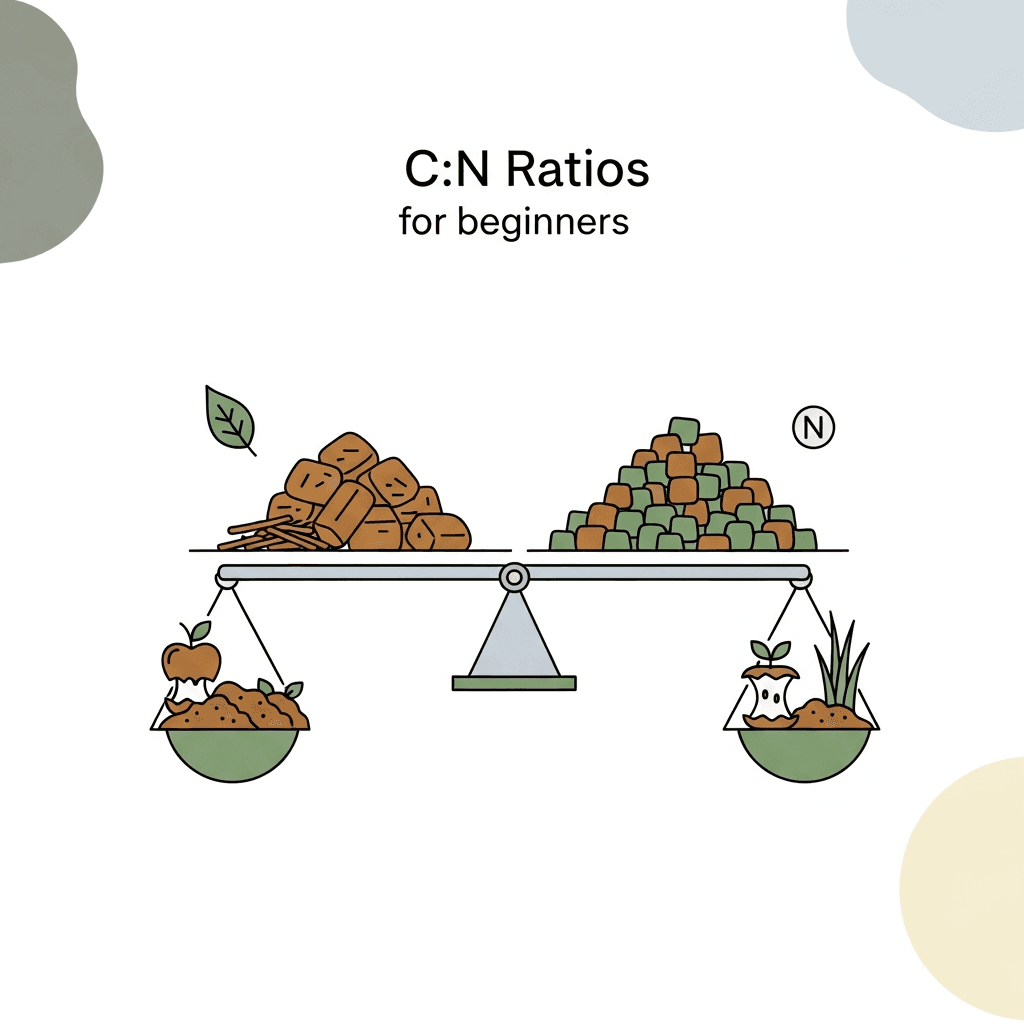
Composting for Beginners: C:N Ratios, Methods & Calculator Guide Successful composting requires a carbon-to-nitrogen (C:N) ratio between 25:1 and 30:1, a minimum pile size of 3x3x3 feet (1 cubic yard), and internal temperatures of 131-170F for hot composting. Get the ratio wrong and your pile either smells (too much nitrogen) or sits inert for months (too much carbon). Nature runs on ratios -- learn them, and your compost practically makes itself. Consider a representative case: a homeowner dumped 200 lbs of grass clippings into a 4x4x3-foot bin with no brown material. The C:N ratio was approximately 20:1 -- too nitrogen-heavy. Within 48 hours the pile went anaerobic: slimy, foul-smelling, attracting flies. Turning it did not help, because without carbon sources, it re-compacted immediately. The fix took a weekend and a truck bed full of dry leaves: adding 150 lbs of leaves (C:N 60:1) and shredded cardboard (C:N 350:1) brought the...
How to Build a Raised Bed Garden: Complete Soil & Materials Calculator Guide
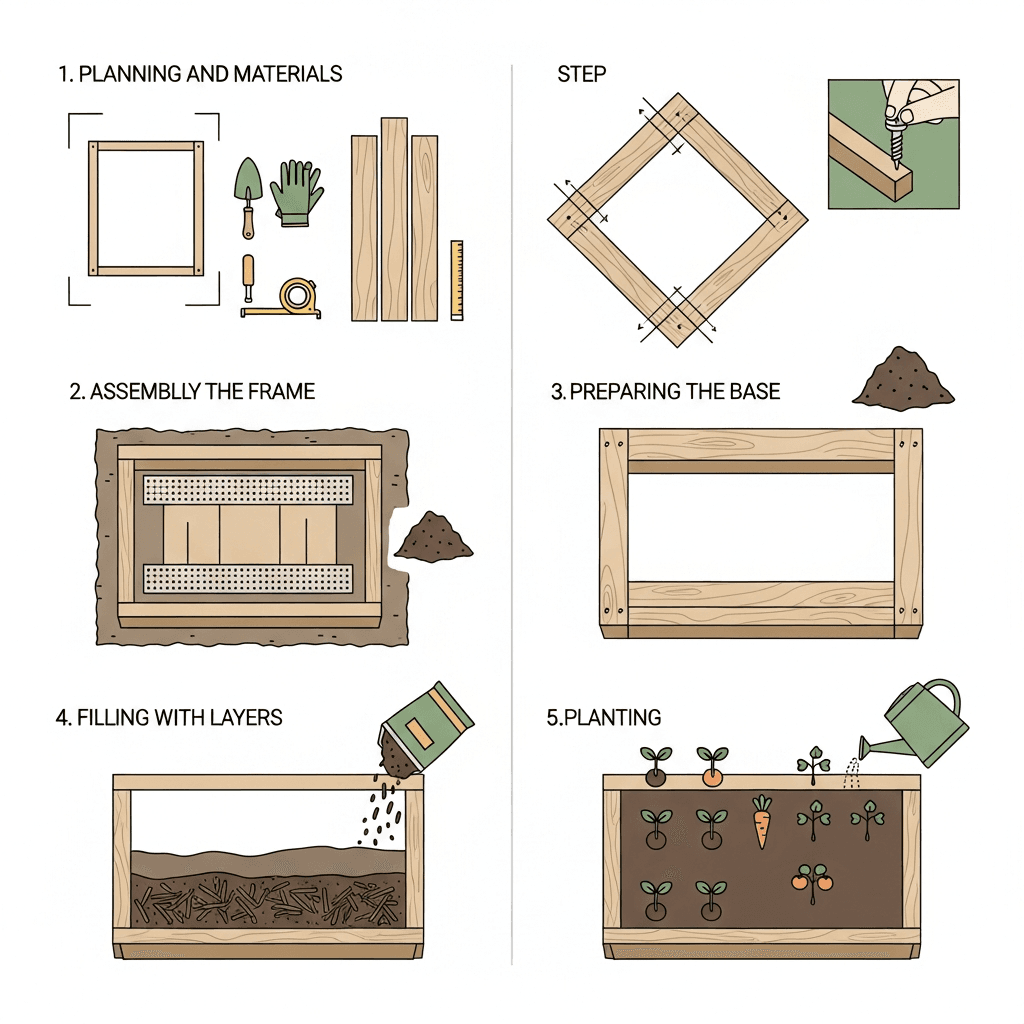
How to Build a Raised Bed Garden: Complete Soil & Materials Calculator Guide A standard 4x8-foot raised bed 12 inches deep requires 32 cubic feet (1.19 cubic yards) of soil mix, but you should order 1.4 cubic yards to account for 15-20% settling in the first growing season. The formula is simple: Length (ft) x Width (ft) x Depth (ft) = Volume in cubic feet, then divide by 27 for cubic yards. Material costs range from $20-40 for pine to $80-150 for cedar to $100-400 for steel, before you spend a single dollar on soil. A common first-year mistake shows why the overage matters: a gardener builds a 4x8x12-inch raised bed and orders exactly 1.0 cubic yard of a 50/30/20 topsoil-compost-perlite mix. The calculated volume is 32 cu ft, which equals 1.19 cubic yards, but the order gets rounded down after a supplier says "one yard is plenty." After filling,...