UseCalcPro
Home
MathFinanceHealthConstructionAutoPetsGardenCraftsFood & BrewingTools
Blog
  1. Home
  2. Construction

Concrete Expansion Joint Calculator — Spacing, Sealant & Layout

Plan control joint spacing and materials for your concrete slab based on thickness and climate

Control Joints

4 joints

Spacing

10.0 ft

Sealant

19 tubes

Cost

$485

Extreme temperature swings require closer joint spacing to prevent random cracking.

Control Joints

4

Joint Spacing

10.0 ft

Total Joint Length

100 ft

Est. Cost

$485

Joint Layout

Joint Spacing10.0 ft
Joints Along Length3
Joints Along Width1
Total Control Joints4

Materials Needed

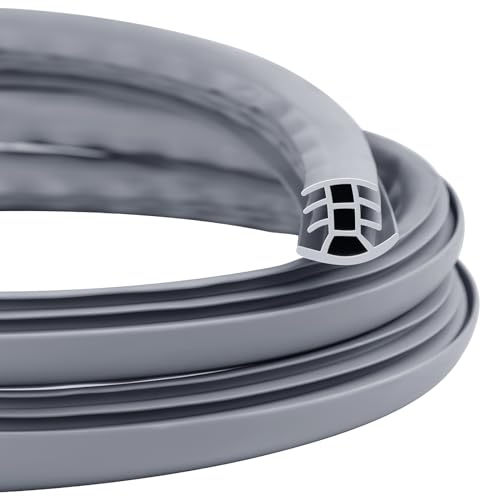
Backer Rod220 ft
Sealant Tubes (10.3 oz)19 tubes
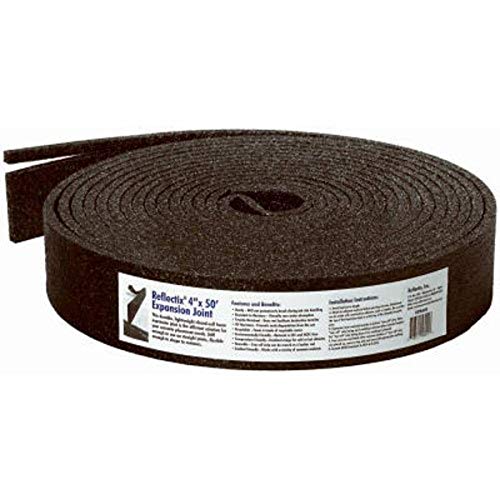
Expansion Filler Board120 ft

Cost Breakdown

Sealant$152
Backer Rod$33
Filler Board$300
Total$485

Example Calculations

120×40 ft driveway, 4" slab, moderate climate

Inputs

Slab40 ft × 20 ft
Thickness4 inches
ClimateModerate

Result

Control Joints5 joints
Joint spacing10.0 ft
Total joint length140 ft
Sealant tubes22 tubes
Est. cost$499

Spacing = 4" × 2.5 = 10 ft. Along length: ceil(40/10)-1 = 3 joints × 20 ft = 60 ft. Along width: ceil(20/10)-1 = 1 joint × 40 ft = 40 ft. Total joint length = 100 ft. Perimeter = 120 ft. Backer rod = 220 ft. Sealant: 220/12 = 19 tubes.

212×12 ft patio, 4" slab, extreme climate

Inputs

Slab12 ft × 12 ft
Thickness4 inches
ClimateExtreme

Result

Control Joints2 joints
Joint spacing8.0 ft
Total joint length24 ft
Sealant tubes6 tubes
Est. cost$168

Spacing = 4" × 2.0 = 8 ft. Along each dimension: ceil(12/8)-1 = 1 joint each way = 2 joints. Joint length = 12 + 12 = 24 ft. Perimeter = 48 ft. Backer rod = 72 ft. Sealant: 72/12 = 6 tubes.

Frequently Asked Questions

Q

How far apart should concrete control joints be?

The general rule is that control joint spacing in feet should equal 2 to 3 times the slab thickness in inches. For a standard 4-inch slab, space joints every 8 to 12 feet. In extreme climates with freeze-thaw cycles, use the closer spacing (2× thickness).

  • 4-inch slab: 8–12 ft spacing depending on climate
  • 5-inch slab: 10–15 ft spacing
  • 6-inch slab: 12–18 ft spacing
  • ACI 360R recommends maximum spacing of 24–36 times slab thickness
  • Panels should maintain a length-to-width ratio no greater than 1.5:1
ThicknessMild ClimateModerateExtreme (Freeze/Thaw)
4 inches12 ft10 ft8 ft
5 inches15 ft12.5 ft10 ft
6 inches18 ft15 ft12 ft
Q

What is the difference between control joints and expansion joints?

Control joints (contraction joints) are grooves cut into the slab surface to create a weakened plane that guides where cracks form. Expansion joints (isolation joints) are full-depth gaps filled with compressible material to allow independent movement between the slab and adjacent structures.

  • Control joints are cut 1/4 of slab depth within 6–18 hours of placement
  • Expansion joints use 1/2-inch filler board at foundations, columns, and existing slabs
  • Control joints allow slabs to crack in straight lines rather than randomly
  • Expansion joints prevent slabs from pushing against buildings during thermal expansion
Q

When should I cut control joints in new concrete?

Cut control joints within 6 to 18 hours after finishing, before the concrete develops enough tensile strength to crack randomly. In hot weather, cut as early as 4 hours. The joint depth should be at least 1/4 of the slab thickness.

  • Hot weather (above 90°F): cut within 4–6 hours before rapid strength gain
  • Normal conditions (60–90°F): cut within 6–12 hours
  • Cold weather (below 60°F): can wait up to 24 hours as strength gain is slower
  • Use an early-entry saw (dry-cut) at 1–4 hours or conventional wet saw at 6–18 hours
TemperatureCutting WindowJoint DepthTool Type
Above 90°F4–6 hours1 inch (4" slab)Early-entry saw
60–90°F6–12 hours1 inch (4" slab)Conventional or early-entry
Below 60°F12–24 hours1 inch (4" slab)Conventional wet saw
Q

How much sealant do I need for concrete joints?

A standard 10.3 oz tube of self-leveling polyurethane sealant fills approximately 12 linear feet of a 1/4-inch wide by 1/4-inch deep joint. Wider or deeper joints use more sealant. Always install backer rod first to control joint depth and prevent three-sided adhesion.

  • 10.3 oz tube covers 12 ft of 1/4" × 1/4" joint
  • 1/2" wide joints need roughly 2× the sealant per linear foot
  • Backer rod diameter should be 25% larger than the joint width for a tight fit
  • Self-leveling sealant is best for horizontal joints; non-sag for vertical applications

Related Calculators

Concrete Calculator

Calculate concrete cubic yards for any project

Rebar Spacing Calculator

Plan rebar grid layout and quantities

Caulk Calculator

Calculate caulk tubes for sealing joints

Foundation Calculator

Estimate foundation concrete and materials

Shed Foundation Calculator

Calculate shed foundation area, gravel volume, concrete, skids, and block count from shed size, base depth, slab thickness, and foundation style choice.

Fence Post Depth Calculator

Calculate fence post depth, hole diameter, post count, and concrete bags needed from fence height, frost line depth, soil type, wind exposure, and spacing.

Related Resources

How Much Concrete Do I Need? Concrete Calculator for Slabs & Footings

Read our guide

Vegetable Garden Spacing Chart: Plant Spacing Calculator and Yield Guide

Read our guide

Concrete Calculator

Calculate concrete yards for slabs and footings

Rebar Spacing Calculator

Plan rebar grid layout for slabs

Asphalt Calculator

Estimate asphalt tonnage for paving

Foundation Calculator

Calculate foundation concrete and forms

More Construction Calculators

Explore all construction and home improvement calculators

View All Construction

Last Updated: Mar 9, 2026

This calculator is provided for informational and educational purposes only. Results are estimates and should not be considered professional financial, medical, legal, or other advice. Always consult a qualified professional before making important decisions. UseCalcPro is not responsible for any actions taken based on calculator results.

UseCalcPro
FinanceHealthMath

© 2026 UseCalcPro