1. Calculate
Choose your project scope and see the estimated price range.
Get a realistic 2026 estimate to install or replace a faucet by location, faucet type, and the valve or supply-line work involved — then compare quotes from local plumbers.
Instant project estimate
The estimate is free. Additional details are optional.
Complete the project details and calculate to see a price range and next steps.
Clear next step
Choose your project scope and see the estimated price range.
Understand the cost drivers and what impacts your final quote.
Carry your scope into a local quote request if you choose.
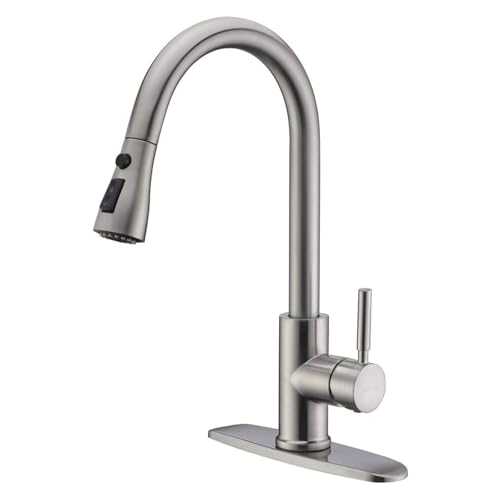
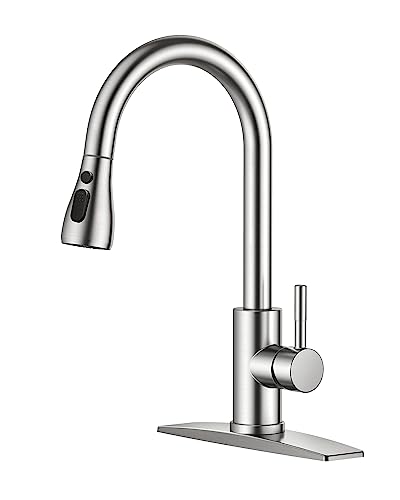


As an Amazon Associate, we earn from qualifying purchases.
Price as of Sep 17, 2026. Product prices and availability are accurate as of the date indicated and are subject to change. Any price and availability information displayed on Amazon at the time of purchase will apply.
Faucet installation costs $150 to $600 in 2026: a straight replacement with the faucet supplied runs $150 to $350, labor alone is $120 to $300, and a new install or one needing new shutoff valves and supply lines runs $300 to $800. Plumbers charge $45 to $200 per hour.
Most homeowners pay $150 to $600 to install or replace a faucet in 2026. Labor alone for a standard swap runs $120 to $300, and a typical replacement where you supply the faucet totals $150 to $350. Including a mid-grade faucet pushes the total to $250 to $600. A brand-new install that needs new supply lines, drilling, or a permit runs $300 to $800 or more. Plumbers charge $45 to $200 per hour and a simple replacement takes one to two hours.
| Job | Typical Total | Best For |
|---|---|---|
| Standard replacement (faucet supplied) | $150 to $350 | Like-for-like swap |
| Replacement with faucet included | $250 to $600 | Upgrading the fixture |
| Touchless / pull-down install | $250 to $700 | Premium kitchen faucet |
| New install (new lines / drilling) | $300 to $800+ | No faucet there now |
Labor alone to replace a faucet runs $120 to $300 for a standard fixture, based on a plumber rate of $45 to $200 per hour and one to two hours of work. A licensed plumber sits at the higher end; a handyman or general contractor often charges less for a straightforward swap. Difficult access under a deep sink, corroded connections, or a tight cabinet can add an hour and push labor toward the top of the range.
Three things move the price the most: a new install versus a replacement, the faucet type, and any valve or supply-line work. Replacing valves and supply lines while the cabinet is open is smart but adds cost — shutoff valves run $100 to $330 installed and supply lines add $20 to $60. Touchless and widespread (three-hole) faucets take longer to set up, and a new install that needs new water lines, drilling a hole, or a permit can add $150 to $400.
| Add-On | Added Cost | When You Need It |
|---|---|---|
| Replace shutoff valves | $100 to $330 | Old or stuck valves |
| Replace supply lines | $20 to $60 | Corroded or kinked lines |
| Touchless setup | $50 to $200 | Sensor faucet |
| New line / drilling / permit | $150 to $400 | Brand-new location |
They are close, but kitchen faucets usually cost a little more to install. A kitchen faucet replacement averages around $260, with most jobs between $160 and $365, because kitchen faucets are larger, often have a pull-down sprayer or soap dispenser, and sit over a deeper cabinet. A bathroom faucet replacement averages about $270 and ranges $170 to $360; widespread three-hole vanity faucets take longer than a single-hole unit. Utility and outdoor hose-bib jobs vary the most.
Supplying your own faucet usually saves money and lets you pick the exact model, but you take on the warranty and return risk if it is the wrong size or defective. Faucets retail for $50 to $350 for most homes, with touchless and designer models up to $600. If the plumber provides the faucet they add a markup but stand behind the part. For a straightforward swap, buying the faucet yourself and paying labor only ($120 to $300) is typically the cheapest path.
Inputs
Result
A like-for-like swap with the faucet already on hand is labor-only work. One to two hours at a typical plumber rate lands near the national average for a standard kitchen replacement.
Inputs
Result
A three-hole widespread faucet takes longer to seat and seal, and adding new shutoff valves and supply lines plus the fixture itself in a high-cost metro pushes the job toward the top of the range.
Inputs
Result
Touchless faucets need a sensor and battery or transformer hookup that adds setup time, and replacing the old shutoff valves while the cabinet is open is cheap insurance that nudges the total up.
Total = Base labor + Job-type adjustment + Faucet type setup + Valve/line work + Faucet cost (if included)Faucet jobs are priced from a base labor charge for a standard swap, then adjusted for whether it is a new install, the faucet style, any valve or supply-line work, and the fixture itself if the plumber provides it.
Where:
Base labor= $120 to $300 for a 1 to 2 hour standard replacement at $45 to $200 per hourJob-type adjustment= A new install (no faucet there now) adds $150 to $400 for new lines, drilling, or a permitFaucet type setup= Touchless adds $50 to $200; widespread 3-hole faucets add labor over a single-hole unitValve/line work= Shutoff valves $100 to $330 installed; supply lines $20 to $60Faucet cost= $50 to $350 for most homes, up to $600 for touchless or designer models, only if the plumber supplies itLabor = Plumber hourly rate x Hours (typically 1 to 2 for a standard swap)When you supply the faucet, the job is labor only. Multiply the local plumber rate by the hours the swap takes — more for difficult access, corroded fittings, or a tight cabinet.
Where:
Plumber hourly rate= $45 to $200 per hour; handymen often charge less than licensed plumbers for a simple swapHours= 1 to 2 hours for a standard replacement; up to 4+ for difficult access or extra plumbingReplacing a faucet is one of the most common small plumbing jobs in a home, and the price swings more than most people expect. In 2026, the typical US homeowner spends $150 to $600 to install or replace a faucet. The low end is a straightforward like-for-like swap where you already own the faucet; the high end is a new install that needs fresh supply lines, new shutoff valves, or a fixture the plumber provides. Labor alone for a standard replacement runs $120 to $300, based on a plumber rate of $45 to $200 per hour and one to two hours of work.
The single biggest driver is whether the job is a replacement or a brand-new install. Swapping an existing faucet is quick because the holes, valves, and drain are already there. A new install — putting a faucet where none existed, such as a new wet bar, a relocated sink, or an added utility tub — can require drilling the deck, running new water lines, and sometimes pulling a permit, which adds $150 to $400. Use the calculator above to land on a figure for your specific job, then read on to understand what each input is really pricing.
It helps to separate labor from materials. The faucet itself retails for $50 to $350 for most homes, with touchless and designer models reaching $600. If you supply the faucet, the plumber only charges labor; if they provide it, expect a markup in exchange for a warranty on the part. The table below shows the typical total by job type so you can see where your project is likely to land before you call for quotes.
| Job Type | Typical Total | Labor Portion | Best For |
|---|---|---|---|
| Standard replacement (faucet supplied) | $150 to $350 | $120 to $300 | Like-for-like swap |
| Replacement with faucet included | $250 to $600 | $120 to $300 | Upgrading the fixture |
| Touchless / pull-down install | $250 to $700 | $170 to $400 | Premium kitchen faucet |
| New install (new lines / permit) | $300 to $800+ | $250 to $500 | No faucet there now |
If you supply your own faucet, you only pay labor — typically $120 to $300 for a standard swap. Buying the fixture yourself and paying labor only is almost always the cheapest path for a simple replacement.
Two homeowners replacing the same faucet can get quotes that differ by hundreds of dollars, and the variance is rarely random. Plumbers price from a base labor charge for a standard swap and then adjust for the workload your specific job creates. The more new plumbing, sensor setup, and hard-to-reach connections you bring, the more hours the job takes — and labor is the overwhelming majority of what you are paying for.
Read every quote against the list below. If a plumber cannot explain why a new install or a touchless faucet costs more than a basic swap, that is a sign the quote is a guess that will be revised upward once they are under the sink.
Replacing the shutoff valves and supply lines while the cabinet is already open is cheap insurance. Doing it later as its own visit means paying a second trip charge of $50 to $150 on top of the work.
Where the faucet lives changes both the labor and the fixture price. Kitchen faucets are the most expensive to install on average — about $260, with most jobs between $160 and $365 — because they are larger, often include a pull-down sprayer or soap dispenser, and sit over a deep cabinet that is awkward to work in. A pull-down or touchless kitchen faucet adds setup time on top of that.
Bathroom faucets average about $270 to replace, ranging $170 to $360, and the spread depends heavily on style. A single-hole vanity faucet is quick, but a widespread three-hole faucet has separate hot, cold, and spout pieces that each need to be seated and sealed, which takes longer. Utility and laundry faucets are usually simple and cheap, while outdoor hose bibs and spigots vary the most — a straightforward swap is inexpensive, but a frost-free hose bib that runs through an exterior wall can reach $150 to $500.
The table below shows typical totals by location so you can match your project to the right starting point. If the job uncovers bigger problems — a leak behind the wall, low water pressure, or corroded pipe — the plumbing repair service cost calculator prices that broader work separately.
| Location | Typical Total | What Drives It |
|---|---|---|
| Kitchen | $160 to $400 | Pull-down sprayer, deep cabinet |
| Bathroom / vanity | $170 to $360 | Single vs widespread 3-hole |
| Utility / laundry | $120 to $300 | Usually simple access |
| Outdoor hose bib | $150 to $500 | Wall penetration, frost-free valve |
A widespread three-hole bathroom faucet is not just a fancier fixture — it is genuinely more labor because three separate pieces must be aligned and sealed instead of one. Budget more time and money than a single-hole swap.
Faucet type drives both the fixture price and the install labor. A standard single- or double-handle faucet is the baseline: cheap to buy ($50 to $200) and quick to install. A pull-down or pull-out sprayer costs more to buy and adds a little labor to route and test the hose. Touchless and sensor faucets are where the price climbs — the fixture itself runs $200 to $600, and the sensor needs a battery pack or a transformer wired in, which adds $50 to $200 of setup time and the occasional troubleshooting.
Widespread and wall-mount faucets are the other specialty category that costs more to install. Because the handles and spout are separate pieces connected under the deck or inside the wall, the plumber spends extra time aligning, connecting, and leak-testing each one. If a wall-mount faucet is replacing a deck-mount unit, the job crosses into rough-plumbing territory and the price jumps accordingly.
The practical takeaway is to match the faucet type to your real needs. A touchless faucet is genuinely convenient in a busy kitchen, but it adds both fixture cost and a maintenance item (the sensor and its power source). For a guest bathroom that gets light use, a standard single-handle faucet installs faster and cheaper and rarely disappoints.
Once you know your faucet type and location, the next question is whether to hire a pro or do it yourself. A straightforward replacement is one of the more DIY-friendly plumbing jobs: with a basin wrench, plumber's tape, and an hour or two, a confident homeowner can swap a standard faucet and save the $120 to $300 in labor. The risk is a slow leak from an under-tightened connection or a cracked supply line, which can cause damage that dwarfs the labor you saved.
A new install is a different animal. Putting a faucet where none existed means drilling the deck or counter, running new water lines, adding shutoff valves, and sometimes pulling a permit — work that is firmly in pro territory and pushes the total to $300 to $800 or more. The same goes for any job that uncovers corroded valves, low water pressure, or pipe that is not up to code. When the project grows beyond the faucet itself, the water heater installation cost calculator and the rest of the construction category help you budget the related fixtures and labor.
A good rule of thumb: DIY a like-for-like swap if you are handy and the shutoff valves work, but call a pro for a new install, a touchless or wall-mount faucet, or any job where the valves are stuck or the connections are corroded. Paying for an hour of professional labor is far cheaper than repairing water damage from a connection that failed a week later.
| Approach | Typical Cost | Best Stage |
|---|---|---|
| DIY standard swap | $50 to $200 (faucet only) | Handy owner, working valves |
| Pro replacement | $150 to $600 | Most homeowners |
| Pro new install | $300 to $800+ | New location, new lines |
| Pro specialty (touchless/wall) | $300 to $900 | Sensor or rough plumbing |
DIY only if the existing shutoff valves actually turn off the water. A stuck or leaking valve turns a simple swap into an emergency, and that is the moment to call a plumber rather than force it.
The cheapest faucet job is the one you do not have to redo, so vet providers on transparency rather than headline price alone. Get two or three quotes that spell out whether the faucet is included, whether shutoff valves and supply lines are part of the job, the trip or minimum charge, and what triggers a higher price. A quote that is dramatically below the others usually excludes the fixture or assumes no valve work — the gap reappears as a change order once the plumber is under the sink.
Confirm whether you are hiring a licensed plumber or a handyman. For a simple replacement with working valves, a handyman or general contractor is often cheaper and perfectly capable. For a new install, a permit job, or anything involving the water main, a licensed plumber is worth the premium because they carry the liability and know local code. Always ask for the all-in number, not just the hourly rate, since a $200-per-hour plumber who finishes in an hour can beat a $90-per-hour one who takes three.
Finally, ask what is included beyond the swap. The best plumbers replace worn shutoff valves and supply lines as a matter of course, test for leaks under pressure, and clean up the old fixture. Clarify who hauls away the old faucet and sink hardware — if you are doing a larger kitchen or bath refresh, the junk removal service cost calculator prices carting off the old vanity, sink, and fixtures so nothing about the project surprises you on the final invoice.
Never choose a plumber on hourly rate alone. Ask for the all-in price for your specific faucet job — fixture, valves, supply lines, and cleanup included — so two quotes are actually comparable.
Decide who supplies the faucet
Buying it yourself saves the markup; confirm the hole count and deck size match your sink before ordering.
Collect two to three quotes
Insist each one states whether the fixture, valves, and supply lines are included, plus any trip or minimum charge.
Match the pro to the job
A handyman fits a simple swap with working valves; a licensed plumber fits new installs, permits, and main-line work.
Ask about valves and supply lines
Replacing them while the cabinet is open avoids a second trip charge of $50 to $150 later.
Confirm cleanup and warranty
Pin down who hauls the old fixture and whether the labor and any provided faucet are warrantied.
Read our guide
Read our guide
Read our guide
Price plumbing, fixtures, water heaters, and home-repair labor, then plan budgets for your kitchen and bathroom projects.
Last Updated: Sep 17, 2026
This calculator is provided for informational and educational purposes only. Results are estimates and should not be considered professional financial, medical, legal, or other advice. Always consult a qualified professional before making important decisions. UseCalcPro is not responsible for any actions taken based on calculator results.