1. Calculate
Choose your project scope and see the estimated price range.
Get a realistic 2026 estimate for furniture assembly by item type, number of pieces, build complexity, and brand — then compare quotes from local pros and TaskRabbit taskers.
Instant project estimate
The estimate is free. Additional details are optional.
Complete the project details and calculate to see a price range and next steps.
Clear next step
Choose your project scope and see the estimated price range.
Understand the cost drivers and what impacts your final quote.
Carry your scope into a local quote request if you choose.

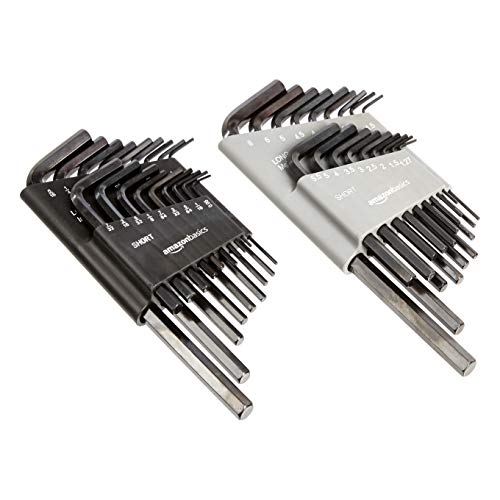

As an Amazon Associate, we earn from qualifying purchases.
Price as of Sep 17, 2026. Product prices and availability are accurate as of the date indicated and are subject to change. Any price and availability information displayed on Amazon at the time of purchase will apply.
Furniture assembly costs $40 to $150 per item in 2026, with most jobs totaling $80 to $300. Simple chairs and shelves run $40 to $60, dressers and desks $70 to $120, and complex wardrobes or bunk beds $120 to $300+, plus many pros charge a $30 to $60 minimum.
Most US furniture assembly pros charge $40 to $150 per item in 2026, and a typical multi-piece job totals $80 to $300. Simple pieces like a chair or small shelf run $40 to $60, moderate items like a desk or dresser run $70 to $120, and complex builds like a wardrobe or bunk bed run $120 to $300 or more. Many assemblers also set a $30 to $60 minimum visit fee, so a single small item often costs more per piece than the same item bundled into a larger order.
| Item Type | Typical Cost | Build Time |
|---|---|---|
| Chair / small shelf | $40-$60 | 20-40 min |
| Desk / dresser | $70-$120 | 1-2 hrs |
| Bed frame (queen/king) | $90-$200 | 1-2 hrs |
| Wardrobe / bunk bed | $120-$300+ | 2-4 hrs |
Both models are common, and the cheaper one depends on the job. Per-item (flat-rate) pricing of $40 to $150 per piece is the most predictable and is what most national services quote for repeatable items. Hourly pricing of $50 to $90 per hour can win for a big batch of identical, simple items where a tasker moves fast. Hourly tends to cost more for complex single pieces because tricky cam-lock cabinets and large wardrobes can stretch to three or four hours. Always ask which model a pro uses and request a not-to-exceed cap before work starts.
IKEA and budget flat-pack assembly typically runs $36 to $90 per item through IKEA's TaskRabbit partnership, with simple items near the floor and large PAX wardrobes or KALLAX walls near the top. IKEA pieces use cam-lock and dowel construction that goes together quickly, so they usually price below premium solid-wood furniture that has more hardware, hidden fasteners, and heavier panels. A common rule of thumb is that assembly runs about 20% to 30% of the furniture's retail price for budget flat-pack.
Beyond the headline per-item price, four things move a quote: the number of items (volume usually earns a small per-piece discount), build complexity (a wardrobe with sliding doors is several times the labor of a nightstand), brand and material (solid wood is heavier and has more hardware than flat-pack particle board), and whether the service is in-home or a pickup. In-home service adds travel and the minimum trip fee; stairs, tight rooms, and same-day rush requests add more. Wall anchoring and haul-away of packaging are often extra.
DIY is free except for your time and the risk of a wobbly or damaged build. A dresser that takes a pro 90 minutes can take a first-timer three hours and a stripped cam lock. Hiring a pro at $70 to $120 for that dresser buys speed, the right tools, and a stable result, plus many services warranty their work. The break-even is about your hourly value and patience: if a complex wardrobe would eat a weekend afternoon and you would still worry it is anchored correctly, the $120 to $300 fee is usually worth it.
Inputs
Result
Two moderate flat-pack dressers at roughly $75-$115 each in a mid-cost market. Bundling two pieces into one visit spreads the trip minimum, keeping the per-item cost near the middle of the range.
Inputs
Result
A single simple IKEA bookshelf sits near the per-item floor. Skipping in-home service avoids the travel minimum, and the low-cost region keeps the price at the bottom of the market.
Inputs
Result
A heavy solid-wood wardrobe with sliding doors and wall anchoring in a premium labor market lands at the top of the range, reflecting the extra hardware, weight, and hours a complex build demands.
Total = (Per-item rate x Number of items) + Trip minimum + Complexity adjustment + Regional multiplierFurniture assembly is priced from a per-item base rate, multiplied by quantity, then adjusted for a minimum visit fee, build complexity, and local labor rates. Start from the per-item midpoint for your item type and layer the other drivers on top.
Where:
Per-item rate= Simple $40-$60, moderate $70-$120, complex $120-$300+ per pieceNumber of items= More pieces in one visit usually earn a small per-item discount by spreading the trip feeTrip minimum= Many pros charge a $30-$60 minimum to come on-site; pickup/drop-off avoids itRegional multiplier= High-cost metros run 20-40% above the national average; the South and Midwest run belowAssembly cost = Furniture retail price x 20% to 30% (budget flat-pack)For budget flat-pack and IKEA pieces, assembly often lands at roughly 20-30% of the item's retail price. Use it as a quick sanity check against a per-item quote before booking.
Where:
Furniture retail price= What you paid for the unassembled item; a $200 dresser implies about $40-$60 in assembly20% to 30%= Typical share for budget flat-pack; premium solid wood can run higher because of weight and hardwareFurniture assembly has quietly become one of the most-booked home services in the US, driven by the flat-pack boom from IKEA, Wayfair, Amazon, and Target. In 2026, the typical assembly job costs $80 to $300 in total, with individual pieces running $40 to $150 each. That spread is wide because "furniture" covers everything from a 20-minute desk chair to a four-hour solid-wood wardrobe with sliding doors and wall anchoring, and the labor difference between those two jobs is enormous.
The single biggest driver is the item itself. A simple piece like a chair, nightstand, or small shelf runs $40 to $60. A moderate item such as a desk, dresser, or standard bed frame runs $70 to $120. A complex build like a wardrobe, bunk bed, sectional sofa, or modular storage wall runs $120 to $300 or more. Use the calculator above to land on a figure for your specific items, then read on to understand exactly what each input is pricing and where you can save.
It also helps to know what a quote does and does not include. A standard per-item price covers unboxing, assembling the piece, and basic cleanup of the packaging into a pile. It usually excludes hauling the boxes away, mounting or anchoring the piece to a wall, and any same-day rush. Many independent pros add a $30 to $60 minimum trip fee for in-home work, which is why a single small item can feel expensive per piece while a batch of several items is far more efficient.
| Item Type | Typical Cost | Build Time | Best For |
|---|---|---|---|
| Chair / small shelf | $40-$60 | 20-40 min | Quick single piece |
| Desk / dresser | $70-$120 | 1-2 hrs | Home office / bedroom |
| Bed frame (queen/king) | $90-$200 | 1-2 hrs | Bedroom setup |
| Wardrobe / bunk bed | $120-$300+ | 2-4 hrs | Complex storage |
Bundle multiple pieces into one visit. The $30 to $60 trip minimum is charged once, so assembling three items in a single appointment almost always costs less per piece than booking them on three separate days.
Furniture assembly is sold two ways, and choosing the right one can swing a job's cost by a third. Per-item flat-rate pricing of $40 to $150 per piece is the most common and the most predictable — you know the number before anyone picks up a screwdriver. Hourly pricing of $50 to $90 per hour is the other model, used heavily by TaskRabbit taskers and independent handymen, and it can win or lose depending on the job in front of you.
The rule is simple. For complex single pieces — a wardrobe, a bunk bed, an L-shaped desk — flat-rate is almost always safer, because a tricky cam-lock cabinet can stretch from the expected two hours to four, and on hourly billing you eat every extra minute. For a big batch of simple, identical items — eight stackable chairs, a row of matching shelves — hourly can be cheaper, because an experienced tasker assembles repeats quickly and the per-item flat rate would over-charge for work that goes fast.
Whichever model a pro uses, ask for the same protection: a written not-to-exceed cap. On hourly work, agree on a maximum hours figure up front. On flat-rate work, confirm what counts as one "item" — some services price a bunk bed as two items, and a modular wardrobe as one piece per cabinet. Getting that definition in writing prevents the most common assembly billing dispute.
| Pricing Model | Typical Rate | Best For |
|---|---|---|
| Per-item flat rate | $40-$150/item | Complex single pieces |
| Hourly | $50-$90/hr | Many simple, identical items |
| Minimum / trip fee | $30-$60 | Any in-home visit |
| Percent of retail | 20%-30% | Budget flat-pack sanity check |
Always request a not-to-exceed cap. On hourly jobs cap the hours; on flat-rate jobs confirm how the pro counts a bunk bed or modular wardrobe, since each cabinet may be billed as a separate item.
Two people buying the same dresser can get quotes that differ by fifty dollars, and the variance is rarely random. Assembly pros price from a per-item base and then adjust for the specific workload your order creates. The more pieces, the heavier the material, and the trickier the build, the more time they have to staff against your job — and on a labor-only service, time is essentially the entire bill.
Read every quote against the list below. If a pro cannot explain how your item count or complexity maps to their price, the quote is a guess that will be revised once they see the boxes. The number of items matters most for the per-piece rate, while complexity and material drive the absolute cost of each piece.
Ask whether wall anchoring and box removal are included before booking. Anchoring a tall dresser or wardrobe is a safety must under US tip-over guidance, and it is the line item most often quoted separately.
Brand and material change assembly cost more than most people expect, even for items that look similar on a showroom floor. IKEA and budget flat-pack pieces from Wayfair, Amazon, and Target use cam-lock and dowel construction designed to go together fast, so they price at the low end — roughly $36 to $90 per item through IKEA's TaskRabbit partnership. A useful sanity check for this tier is the percent-of-retail rule: assembly tends to run about 20% to 30% of what you paid for the unassembled item.
Premium and solid-wood furniture is a different job. The panels are heavier, the hardware count is higher, hidden fasteners and glued joints are common, and a single misstep can mar an expensive finish. Pros price that extra weight, time, and care into a higher per-item rate, and they often insist on a second person for large pieces. If you are clearing a room to make space for the new furniture, the junk removal service cost calculator prices hauling away the old pieces and the mountain of cardboard that flat-pack leaves behind.
The brand decision also interacts with complexity. A simple IKEA table sits firmly at the floor of the market, while a large PAX wardrobe system — technically still IKEA — can run $120 to $300 because of its size, door mechanisms, and the wall anchoring it requires. So do not assume a budget brand means a budget assembly price; the piece's size and mechanism matter as much as the logo on the box.
| Brand / Material | Per-Item Cost | Why |
|---|---|---|
| IKEA / budget flat-pack (simple) | $36-$90 | Fast cam-lock construction |
| Standard flat-pack (moderate) | $70-$120 | More panels and hardware |
| Large IKEA PAX / modular | $120-$300 | Size, doors, wall anchoring |
| Premium / solid wood | $120-$350+ | Heavy panels, hidden fasteners |
Use the 20-30% of retail rule as a budget flat-pack sanity check. If a quote for a $200 IKEA dresser comes in far above $60, ask the pro to explain the gap before you book.
Once you know the per-item figure, the next question is whether to hire at all. DIY assembly is free except for your time, your patience, and the risk of a wobbly or damaged result. The honest math is about your hourly value: a dresser a pro finishes in 90 minutes can take a first-timer three hours, a stripped cam lock, and a drawer that never quite closes square. If your Saturday afternoon is worth more than the $70 to $120 the pro charges, hiring out is the rational call.
Complexity tips the decision hardest. Simple shelves, chairs, and small tables are reasonable DIY projects with just a screwdriver and an hour. Wardrobes, bunk beds, and modular storage walls are where DIY most often goes wrong, because the piece is heavy, the instructions assume two people, and a mistake on a $600 wardrobe is expensive to undo. Those are the pieces worth the $120 to $300 fee. If you are tackling small home tasks alongside the furniture, the handyman cost calculator helps you bundle anchoring, shelf mounting, and minor repairs into one visit.
There is also a safety dimension that pure cost math misses. US tip-over guidance calls for anchoring tall dressers, bookcases, and wardrobes to the wall, which means drilling into studs or using proper anchors. A pro does this as a matter of course; a rushed DIY job often skips it. If anchoring or a wall patch is involved, the drywall repair cost calculator and the interior painting cost calculator round out the budget for finishing the room cleanly.
| Scenario | Recommended Route | Rough Cost |
|---|---|---|
| Simple shelf or chair | DIY | $0 + ~1 hr |
| Desk or single dresser | DIY or pro | $70-$120 if hired |
| Wardrobe / bunk bed | Hire a pro | $120-$300+ |
| Whole-room furnishing | Hire a pro (bundle) | $200-$600+ |
The cheapest assembly job is the one you do not have to redo, so vet on transparency rather than headline price alone. Get two or three quotes that spell out the per-item or hourly rate, the trip minimum, what counts as one item, and whether wall anchoring and box haul-away are included. A quote that is dramatically below the others usually excludes the trip fee or assumes a simpler build than your actual pieces, and the gap reappears as an add-on once the pro is on-site.
Confirm logistics before you book. Tell the pro the exact items, brands, and model numbers so they can judge complexity and bring a second person if a wardrobe needs one. Ask about insurance and any workmanship warranty — established services warranty their builds, which matters if a drawer fails a week later. Clarify timing, because same-day and weekend slots often carry a premium, and pin down who is responsible for moving the assembled piece into its final position.
Finally, prep the space to keep the clock from running against you on hourly jobs. Clear the room, unbox nothing the pro prefers to unbox themselves, and make sure there is a power outlet and floor space to work. The steps below walk the hiring decision in order, and if you are coordinating assembly with a broader move or refresh, the rest of the construction category uses the same quote-comparison discipline so your whole project budget stays honest.
Never choose an assembler on price alone. A pro who over-tightens a cam lock or skips wall anchoring can cost far more in a damaged $600 wardrobe or a tip-over hazard than the $30 to $50 you saved on the lowest bid.
List every item
Note each piece, its brand, and model number so quotes reflect real complexity rather than a guess.
Collect two to three quotes
Insist each states the per-item or hourly rate, the trip minimum, and what counts as one item.
Confirm what's included
Pin down whether wall anchoring, box haul-away, and moving pieces into place are in the price or extra.
Check insurance and warranty
Favor pros who carry insurance and warranty their workmanship in case a joint or drawer fails later.
Prep the room
Clear floor space and provide power so an hourly tasker is not billing you for setup time.
Read our guide
Read our guide
Read our guide
Price assembly, hauling, painting, drywall, and home-improvement labor, then compare quotes and plan your project budget.
Last Updated: Sep 17, 2026
This calculator is provided for informational and educational purposes only. Results are estimates and should not be considered professional financial, medical, legal, or other advice. Always consult a qualified professional before making important decisions. UseCalcPro is not responsible for any actions taken based on calculator results.