1. Calculate
Choose your project scope and see the estimated price range.
Get a realistic 2026 estimate to fix or replace a kitchen garbage disposal by symptom, horsepower, brand, and age — then compare quotes from local plumbers.
Instant project estimate
The estimate is free. Additional details are optional.
Complete the project details and calculate to see a price range and next steps.
Clear next step
Choose your project scope and see the estimated price range.
Understand the cost drivers and what impacts your final quote.
Carry your scope into a local quote request if you choose.


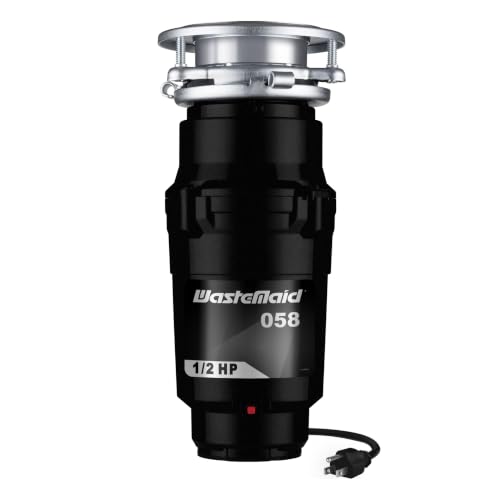
As an Amazon Associate, we earn from qualifying purchases.
Price as of Sep 17, 2026. Product prices and availability are accurate as of the date indicated and are subject to change. Any price and availability information displayed on Amazon at the time of purchase will apply.
Garbage disposal repair costs $75 to $400 in 2026 for most homeowners: a jam or reset runs $75 to $175, a leak $150 to $700, and a burnt-out motor $200 to $400. A full installed replacement runs $200 to $625, averaging about $450.
Most US homeowners pay $75 to $400 to repair a garbage disposal in 2026, with a national average near $230. The price depends entirely on the symptom: clearing a jam or resetting the unit runs $75 to $175, fixing a leak runs $150 to $700, and replacing a burnt-out motor runs $200 to $400. Nearly every plumber or appliance pro charges a $70 to $130 service call to diagnose the unit, which is usually credited toward the repair if you proceed.
| Problem | Typical Repair Cost | Common Cause |
|---|---|---|
| Jammed / reset | $75 to $175 | Foreign object, tripped breaker |
| Won't turn on | $70 to $550 | Switch, outlet, or wiring |
| Leaking | $150 to $700 | Worn seal or cracked housing |
| Humming / no spin | $200 to $400 | Failing or seized motor |
Repair makes sense for cheap, mechanical problems on a newer unit — a jam, a tripped reset, a loose mounting, or a $20 sink-flange seal. Replace when the motor is burnt out, the housing is cracked and leaking, or the unit is more than 8 years old. The rule pros use: if the repair quote exceeds about half the cost of a new installed disposal (roughly $200 to $625), replace it. A seized motor on an old 1/3 HP builder unit is almost always a replacement.
| Situation | Repair | Replace |
|---|---|---|
| Jam / reset, unit under 5 yrs | Yes | No |
| Burnt-out motor | Rarely | Usually |
| Cracked, leaking body | No | Yes |
| Unit 8+ years old | No | Yes |
A hum with no spin means the motor is getting power but the flywheel cannot turn — usually a jam, but sometimes a failing motor. First, turn the unit off and try the hex-key (Allen wrench) slot on the bottom to manually rotate the flywheel, then press the red reset button. If that frees it, you fixed it for free. If it still only hums, the motor is likely seized or burning out, a $200 to $400 repair that usually tips an older unit into replacement territory.
A professional garbage disposal replacement runs $200 to $625 installed in 2026, with most jobs landing $300 to $550. The disposal itself is $80 to $400 depending on horsepower and brand — a basic 1/3 HP Badger is under $100, while a quiet 1 HP InSinkErator Evolution runs $300-plus. Plumber labor adds $80 to $200 for a straight swap; expect more if the wiring, mounting, or drain plumbing also needs work. Replacing it yourself drops the cost to just the unit price.
| Horsepower | Unit Price | Best For |
|---|---|---|
| 1/3 HP | $70 to $100 | Light single-person use |
| 1/2 HP | $90 to $180 | Most households |
| 3/4 HP | $130 to $280 | Busy family kitchens |
| 1 HP | $200 to $400 | Heavy use, quiet operation |
For garbage disposals the two overlap, and price is similar: both charge a $70 to $130 service call and $50 to $125 per hour of labor. Plumbers are the better call when the problem touches the drain, dishwasher connection, or sink flange, because a disposal is plumbed into the sink trap. An appliance tech is fine for electrical and motor faults. For a simple jam many homeowners skip both — the hex-key and reset-button fix is free and takes five minutes.
Inputs
Result
A jam on a newer mid-range unit is the cheapest and most common call. A pro clears the flywheel and resets it in under an hour, and many homeowners fix it free with the hex key and red reset button first.
Inputs
Result
A seized motor on a 9-year-old builder-grade disposal is textbook replacement territory: the motor repair costs as much as a new unit, so swapping in a fresh disposal is the smarter spend.
Inputs
Result
Leaks split sharply by source. A worn sink-flange or drain seal is a cheap fix, but a cracked internal housing cannot be repaired — and on a premium unit in a high-cost metro a replacement lands at the top of the range.
Repair total = Service call + Symptom labor + PartsA disposal repair is priced from the diagnostic visit, then the labor and parts for the specific fault. Start with the service call and add the symptom's typical labor and part cost.
Where:
Service call= Diagnostic / trip fee of $70 to $130, usually credited toward the repair if you proceedSymptom labor= Jam $75-$175, won't-turn-on $70-$550, leak $150-$700, motor $200-$400 depending on the faultParts= Seal/flange $10-$30, splash guard $10-$20, switch/outlet $15-$60, or a full new unit $80-$400Replace if Repair quote > 0.5 x New installed cost OR Age > 8 yearsCompare the repair quote to half the cost of a new installed disposal. If the repair costs more than that, or the unit is past 8 years, replacement is the better long-term spend.
Where:
Repair quote= Total of service call, labor, and parts for the specific faultNew installed cost= $200 to $625 installed, averaging about $450 in 20260.5 threshold= The industry rule of thumb: repairs above half a new unit's cost rarely pay offAge > 8 years= Disposals last 8 to 12 years; a major fault on an aging unit signals end of lifeA garbage disposal is one of the few kitchen appliances that fails loudly and at the worst possible moment — usually mid-cleanup with a full sink. The good news is that most fixes are cheap. In 2026 the typical garbage disposal repair runs $75 to $400, with a national average near $230, and a meaningful share of failures are free do-it-yourself fixes that take five minutes with a hex key. The headline range is wide because "repair" covers everything from clearing a stuck flywheel to swapping a burnt-out motor, and those two jobs are an order of magnitude apart in cost.
The single biggest driver of price is the symptom. A jam or a tripped reset runs $75 to $175 because it is mostly labor and no parts. A unit that won't turn on runs anywhere from $70 to $550 depending on whether the culprit is a tripped breaker, a dead wall switch, a bad outlet, or failed internal wiring. A leak runs $150 to $700 and hinges entirely on whether it is a worn seal you can replace or a cracked housing you cannot. A burnt-out motor — the most serious common failure — runs $200 to $400 to replace and frequently costs as much as a brand-new unit. Use the calculator above to land on a figure for your symptom, then read on to understand what each input is really pricing.
Almost every professional repair starts with a service call. Plumbers and appliance technicians charge a $70 to $130 diagnostic or trip fee just to come out and identify the fault, and most credit that fee toward the repair if you approve the work. Labor beyond the diagnosis runs $50 to $125 per hour. Because a disposal is plumbed into the sink trap and wired to a switch or outlet, the same unit can be handled by either a plumber or an appliance tech — which trade is cheaper depends less on their rate and more on where the actual fault sits.
| Problem | Typical Cost | What's Driving It | DIY Possible? |
|---|---|---|---|
| Jammed / reset | $75 to $175 | Labor only, no parts | Often free |
| Won't turn on | $70 to $550 | Switch, outlet, wiring | Sometimes |
| Leaking | $150 to $700 | Seal vs cracked housing | Seal only |
| Humming / no spin | $200 to $400 | Failing or seized motor | Rarely |
| Full replacement | $200 to $625 | New unit plus install | Yes, if handy |
Before you call anyone, try the free fix: turn the disposal off, insert the hex (Allen) key into the slot on the bottom center and rotate it back and forth to free the flywheel, then press the red reset button on the underside. This clears the most common failure — a jam — at zero cost.
Disposals fail in predictable ways, and matching the symptom to the likely cause is the fastest route to a fair quote. The five problems below cover the overwhelming majority of service calls, and knowing which one you have tells you immediately whether you are looking at a $0 reset or a $400 motor job. If a quote does not match the symptom — say, a $500 estimate for a simple jam — treat it as a sign to get a second opinion.
A jammed unit is the most frequent and the cheapest. Something hard slipped past the splash guard and locked the flywheel; the motor either hums or trips off. The hex-key-and-reset routine fixes most of these for free, and a pro charges $75 to $175 if you would rather not reach under the sink. A unit that won't turn on at all is an electrical puzzle: check the reset button and the breaker first, because those are free, before paying $70 to $550 to chase a dead switch, outlet, or wiring fault.
Leaks are the trickiest to price because the cost depends on the source. A leak from the top is usually the sink flange or its plumber's putty — a $80 to $150 reseal. A leak from the side is often the dishwasher or drain connection, another modest fix. But a leak from the bottom typically means the internal seals have failed or the housing has cracked, and a cracked body cannot be repaired at any price — it forces a replacement. Finally, a unit that only hums is getting power but cannot spin: try the reset first, and if it still hums the motor is seizing, a $200 to $400 repair that usually tips an older disposal into replacement.
If the leak is coming from the bottom of the disposal rather than a connection, stop pricing repairs. Bottom leaks mean the sealed internal chamber has failed, and no plumber can rebuild it — budget for a replacement instead.
The hardest call is whether to fix the disposal you have or swap in a new one, and the math is simpler than it feels. A full professional replacement runs $200 to $625 installed in 2026, averaging about $450. The unit itself is $80 to $400 depending on horsepower and brand, and plumber labor for a straight swap adds $80 to $200. Against that benchmark, any repair quote that climbs past roughly half the cost of a new installed unit — about $225 — stops making sense, because you are spending replacement money to keep an aging machine alive.
Age is the other half of the decision. Disposals last 8 to 12 years, so a major fault on a unit past the 8-year mark is a signal that the rest of the machine is not far behind. Replacing the motor on a 9-year-old economy disposal is the classic trap: the $200 to $400 motor job costs as much as a new unit but leaves you with worn bearings, an old splash guard, and corroded mounting hardware. Pair the cost rule with the age rule and the answer is usually obvious. For the broader plumbing context — when the leak turns out to be the sink trap rather than the disposal itself — the plumbing repair service cost calculator prices the surrounding drain work.
Horsepower and brand tier shape the replacement side of the equation. A basic 1/3 HP builder-grade unit is under $100, a mainstream 1/2 HP runs $90 to $180, and a quiet 1 HP premium model with stainless components runs $200 to $400 before labor. If your old unit was underpowered and you were always running it in stages, a replacement is a chance to size up — but there is no reason to buy 1 HP for a one-person kitchen. The same service-call-plus-labor logic applies to other kitchen appliances, which the appliance repair service cost calculator estimates the same way.
| Scenario | Repair Cost | Replace Cost | Smarter Choice |
|---|---|---|---|
| Jam, 3-yr unit | $0 to $175 | $200 to $625 | Repair |
| Bad switch, 4-yr unit | $70 to $250 | $200 to $625 | Repair |
| Burnt motor, 6-yr unit | $200 to $400 | $300 to $550 | Borderline |
| Burnt motor, 9-yr unit | $200 to $400 | $220 to $450 | Replace |
| Cracked housing, any age | Not repairable | $300 to $625 | Replace |
Use the half-cost rule: if the repair quote exceeds about 50% of a new installed disposal (~$225), or the unit is more than 8 years old, replace it. A new disposal restores the full 8-to-12-year lifespan; a motor swap on an old unit buys you a year or two at best.
Once you know what is wrong, the goal is to avoid paying repair prices for a problem you could have fixed free, and to avoid paying for a second visit because the first quote missed the real fault. Start every disposal problem with the two free checks — the hex-key reset for jams and the breaker-and-reset-button check for a dead unit — because they resolve a large share of calls at no cost. If those fail, get the symptom diagnosed before you authorize any parts, and ask the technician to confirm whether the fault is the disposal itself or the surrounding plumbing or wiring.
When you do call, collect two quotes for anything beyond a simple jam, and make each one state the service-call fee, the hourly labor, and whether the diagnostic is credited toward the repair. For leaks especially, insist the pro identifies the source — flange, connection, or housing — before quoting, because a cracked-housing "repair" is wasted money. If you are comfortable under the sink, a disposal swap is one of the more approachable DIY jobs: it is a twist-lock mount, two plumbing connections, and a wire nut, which drops your cost to just the price of the unit. If you are hauling out the old unit along with other renovation debris, the junk removal service cost calculator prices the haul-away.
Finally, prevent the next repair. Most disposal failures trace back to what went down the drain — fibrous scraps, grease, coffee grounds, and the occasional spoon. Run cold water before, during, and for a few seconds after each use, feed waste in gradually rather than all at once, and never pour grease down the unit. A disposal that is treated well routinely reaches the top of its 8-to-12-year lifespan, which is the cheapest repair of all: the one you never have to pay for.
Never authorize a motor replacement on a unit you can't date. If you don't know how old the disposal is, ask the pro to check the manufacture stamp on the housing — a unit past 8 years rarely justifies a $300 motor job when a new one installed costs about the same.
Try the free fixes first
Run the hex-key flywheel turn for jams and the breaker-plus-reset-button check for a dead unit before paying anyone.
Diagnose before authorizing parts
Pay only for the service call until the technician confirms the exact fault and whether it's the disposal or the plumbing.
Get two quotes for real repairs
For motor, electrical, or leak work, compare two estimates that each spell out the trip fee, labor, and whether it's credited.
Apply the repair-vs-replace rule
Replace if the quote tops half a new installed unit (~$225) or the disposal is over 8 years old.
Prevent the next failure
Run cold water, feed scraps gradually, and keep grease and fibrous waste out to reach the full lifespan.
Read our guide
Read our guide
Read our guide
Price plumbing, appliance, and home repairs, then plan installs and renovation budgets before you call a pro.
Last Updated: Sep 17, 2026
This calculator is provided for informational and educational purposes only. Results are estimates and should not be considered professional financial, medical, legal, or other advice. Always consult a qualified professional before making important decisions. UseCalcPro is not responsible for any actions taken based on calculator results.