1. Calculate
Choose your project scope and see the estimated price range.
Get a realistic 2026 estimate to install or replace a toilet by type, job scope, removal, and flange repair — then compare quotes from local plumbers.
Instant project estimate
The estimate is free. Additional details are optional.
Complete the project details and calculate to see a price range and next steps.
Clear next step
Choose your project scope and see the estimated price range.
Understand the cost drivers and what impacts your final quote.
Carry your scope into a local quote request if you choose.
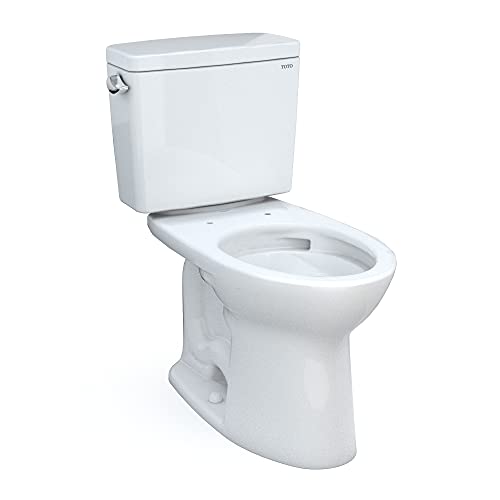

As an Amazon Associate, we earn from qualifying purchases.
Price as of Sep 17, 2026. Product prices and availability are accurate as of the date indicated and are subject to change. Any price and availability information displayed on Amazon at the time of purchase will apply.
Toilet installation costs $350 to $800 for a standard replacement in 2026, including labor and haul-away. Labor alone runs $130 to $350 (plumbers charge $75 to $150 per hour), while wall-hung and smart bidet units push the total to $1,000 to $3,500.
A standard toilet replacement costs $350 to $800 in 2026, including a basic two-piece toilet and professional installation. Labor alone runs $130 to $350 for a simple swap that reuses the existing flange and water line, with most plumbers charging $75 to $150 per hour and finishing in one to two hours. The total climbs when you choose a pricier toilet, need flange or floor repair, or run a brand-new drain line.
| Scenario | Typical Total | Best For |
|---|---|---|
| Standard swap (existing line) | $350-$800 | Like-for-like replacement |
| Upgraded one-piece toilet | $500-$1,200 | Modern, easy-clean look |
| Wall-hung toilet | $1,000-$3,500 | Floating, in-wall tank |
| Smart bidet toilet | $1,000-$3,500 | Heated seat, electric |
Labor and the toilet are two separate line items, and splitting them is the fastest way to control the bill. Installation labor runs $130 to $350 for a standard swap. The toilet hardware adds $100 to $400 for a standard two-piece, $250 to $900 for a one-piece, $400 to $1,500 for a wall-hung unit, and $600 to $2,000 or more for a smart bidet toilet. Buying the toilet yourself and paying the plumber for labor only often beats a bundled supply-and-install quote.
| Toilet Type | Hardware | Install Labor |
|---|---|---|
| Standard two-piece | $100-$400 | $130-$300 |
| One-piece | $250-$900 | $150-$350 |
| Wall-hung | $400-$1,500 | $400-$900 |
| Smart bidet | $600-$2,000+ | $300-$700 |
Both break the simple bolt-on-the-flange model that keeps a standard swap cheap. A wall-hung toilet hangs from an in-wall carrier and tank, so the plumber must open the wall, mount the steel frame, and reroute the drain — labor alone often runs $400 to $900. A smart bidet toilet needs a nearby GFCI electrical outlet for its heated seat, dryer, and washer; if no outlet exists, an electrician adds $150 to $400. Plan for $1,000 to $3,500 all-in for either type versus $350 to $800 for a standard swap.
The advertised price is for a clean swap; real bathrooms add surprises. Hauling away the old toilet adds $30 to $75. A corroded or low toilet flange adds $145 to $300, and if water has rotted the subfloor under the toilet the carpentry pushes that to $300 to $600. A brand-new toilet where no drain line exists needs rough-in plumbing that can add $500 to $2,500. Always ask whether the quote includes removal, the wax ring, supply line, and flange work before you sign.
A like-for-like swap on a solid flange is a realistic DIY job that costs only the toilet ($100 to $400) plus a $10 to $40 wax ring and supply line, saving the $130 to $350 labor charge. Hire a plumber when the flange is broken or below the finished floor, the subfloor is soft, you are installing a wall-hung or smart unit, or you are running a new drain line. A botched seal leaks invisibly and can rot the floor, so the labor is cheap insurance on anything beyond a straight swap.
Inputs
Result
The homeowner buys the toilet separately, so this estimate is labor plus haul-away only. A solid flange and existing water line keep it to a one-to-two-hour swap near the low end of the market.
Inputs
Result
Bundling a mid-grade one-piece toilet with labor, haul-away, and a flange replacement stacks three line items. A solid floor keeps the carpentry out of it, holding the total below the wall-hung tier.
Inputs
Result
A premium smart toilet plus the electrical work to power it in a high-labor metro lands at the top of the range. The flange is fine, but the added GFCI outlet and electronic unit drive the cost well past a standard swap.
Total = Install labor + Toilet hardware + Removal + Flange/floor repair + Regional multiplierA toilet quote is a base labor charge plus optional line items. Start from the labor midpoint, add the toilet if the plumber supplies it, then layer removal, flange or floor repair, and a regional adjustment.
Where:
Install labor= $130-$350 for a standard swap; $400-$900 for wall-hung; $300-$700 for smart unitsToilet hardware= Standard $100-$400, one-piece $250-$900, wall-hung $400-$1,500, smart bidet $600-$2,000+ (skip if customer-supplied)Removal= Hauling away the old toilet adds $30-$75Flange/floor repair= Flange $145-$300; flange plus subfloor rot $300-$600Regional multiplier= High-cost metros run 20-40% above the national average; the South and Midwest run belowLabor = Plumber hourly rate x Hours on siteWhen a plumber bills by the hour rather than a flat install fee, multiply the local rate by the realistic job time. A clean swap is one to two hours; flange or wall work adds time.
Where:
Plumber hourly rate= $75-$150 per hour in 2026, higher in coastal metrosHours on site= Standard swap 1-2 hours; flange repair +1 hour; wall-hung or new line several hoursReplacing a toilet is one of the most common plumbing jobs a homeowner pays for, and the headline number is reassuringly stable. In 2026, a standard toilet replacement costs $350 to $800 all-in, covering a basic two-piece toilet and professional installation. The labor portion by itself runs $130 to $350 for a straightforward swap that reuses the existing flange and water supply line, with most plumbers billing $75 to $150 per hour and wrapping up in one to two hours.
That tidy range only holds for a like-for-like swap, though. The moment you upgrade the toilet, add electrical for a smart unit, or uncover a bad flange or rotted subfloor, the total can double or triple. The calculator above asks for the toilet type, the job scope, whether you need the old unit hauled away, and the condition of the flange and floor precisely because those four inputs explain almost all of the spread between a $400 swap and a $3,000 install.
It helps to separate the two big buckets in any quote: labor and the toilet hardware. A plumber's labor to set and seal a toilet barely changes with the price of the fixture, so a $150 standard toilet and a $1,200 smart toilet take similar effort to bolt down once the rough-in matches. The hardware is where most of the variation lives, which is why buying the toilet yourself and paying for labor only is often the cheapest path on a simple replacement.
| Scenario | Typical Total | Labor Portion | Best For |
|---|---|---|---|
| Standard swap (existing line) | $350-$800 | $130-$350 | Like-for-like replacement |
| Upgraded one-piece | $500-$1,200 | $150-$350 | Modern, easy-clean look |
| Wall-hung toilet | $1,000-$3,500 | $400-$900 | Floating, in-wall tank |
| Smart bidet toilet | $1,000-$3,500 | $300-$700 | Heated seat, washer, dryer |
On a simple replacement, the toilet hardware — not the labor — drives most of the price difference. Supplying your own toilet and paying a plumber for labor only ($130-$350) is usually the cheapest route.
The single biggest lever on a toilet install is which toilet you pick, because it moves both the hardware cost and the labor. A standard two-piece toilet — a separate tank bolted to a bowl — is the cheapest at $100 to $400 for the unit and the simplest to install. A one-piece toilet, where the tank and bowl are molded together, costs $250 to $900 and looks sleeker but is heavier and a little more awkward to set, nudging labor up slightly.
Wall-hung and smart toilets are a different category of job. A wall-hung toilet hides its tank inside the wall and hangs the bowl off a steel carrier frame, so the plumber may have to open the wall, mount the frame, and reroute the drain to the new outlet height. That labor alone often runs $400 to $900 on top of a $400 to $1,500 fixture. A smart bidet toilet adds electronics — a heated seat, warm-water wash, and dryer — which need a grounded GFCI outlet within reach; the unit runs $600 to $2,000 or more, and if no outlet exists an electrician adds $150 to $400.
Because of these differences, the same bathroom can cost $400 or $3,000 depending only on the toilet you choose. If budget is the priority, a quality standard two-piece installed by a pro is the value play. If you want the floating look or spa features, plan for the wall-hung or smart tier and confirm up front whether your wall and electrical can accommodate it without extra trades.
| Toilet Type | Hardware Cost | Install Labor | Notes |
|---|---|---|---|
| Standard two-piece | $100-$400 | $130-$300 | Cheapest, simplest swap |
| One-piece | $250-$900 | $150-$350 | Heavier, sleeker look |
| Wall-hung | $400-$1,500 | $400-$900 | In-wall tank and carrier |
| Smart bidet | $600-$2,000+ | $300-$700 | Needs a GFCI outlet |
Before buying a smart toilet, check for a grounded GFCI outlet behind or beside the toilet. Running new wiring to power one adds $150-$400 and an electrician's visit that many homeowners forget to budget.
A quote for a clean swap assumes everything beneath the old toilet is in good shape, which is not always true. The first common add-on is hauling away the old toilet, which adds $30 to $75 — cheap, but worth confirming so you are not left with a porcelain fixture on the curb. Many plumbers fold removal into the base price, so ask rather than assume.
The flange is the next variable. This plastic or metal ring anchors the toilet to the drain and gives the wax ring something to seal against. If it is cracked, corroded, or sitting below the finished floor, it has to be repaired or replaced before the new toilet can seat properly, adding $145 to $300. When water has been leaking long enough to rot the wooden subfloor under the toilet, the job grows into light carpentry — cutting out and replacing the damaged decking — which pushes the repair to $300 to $600. A spongy or discolored floor around the base is the warning sign here.
The most expensive scenario is a brand-new install where no drain line exists yet, such as adding a toilet to a basement or a new powder room. That requires rough-in plumbing — running a new drain and vent and setting a flange — which can add $500 to $2,500 depending on how far the lines must travel and whether concrete has to be cut. This is why the calculator distinguishes a straight replacement from a true new install: they are different orders of magnitude.
A soft or stained floor around the toilet base usually means the wax seal failed and the subfloor is rotting. Budget for flange and subfloor work before the plumber arrives so the surprise does not blow up your quote.
A like-for-like toilet swap is one of the more approachable DIY plumbing jobs, and doing it yourself saves the $130 to $350 labor charge. Your only costs are the toilet ($100 to $400 for a standard model) plus a wax ring, supply line, and closet bolts that together run $10 to $40. With two people to lift the unit and an hour of patience, a confident homeowner can shut the water off, pull the old toilet, scrape the old wax, set the new bowl, and test for leaks.
The job stops being DIY-friendly the moment the rough-in is not perfect. Hire a plumber when the flange is broken or sits below the finished floor, the subfloor feels soft, you are installing a wall-hung or smart toilet, or you are adding a toilet where no drain exists. These all involve hidden risks — a misaligned flange or a bad seal leaks slowly behind the bowl and rots the floor you just paid to fix. For other plumbing fixtures in the same bathroom, the faucet installation cost calculator and the plumbing repair service cost calculator use the same labor-plus-parts logic to scope the work.
If the toilet is part of a larger project, it almost always makes sense to fold it into the bigger job so the plumber is on site once. The bathroom remodel cost calculator shows how the toilet line item fits alongside the vanity, shower, and flooring in a full renovation budget, where scheduling all the fixture work together saves on repeat trip charges.
| Approach | Your Cost | Right When |
|---|---|---|
| DIY straight swap | Toilet $100-$400 + $10-$40 parts | Solid flange, simple replacement |
| Plumber, standard swap | $350-$800 all-in | You want it sealed and guaranteed |
| Plumber, flange/floor repair | $500-$1,400 | Broken flange or soft subfloor |
| Plumber, wall-hung or smart | $1,000-$3,500 | Always hire for these |
The cheapest toilet install is the one you do not have to redo, so vet plumbers on what their quote actually includes rather than the headline number. Get two or three written estimates and confirm each one spells out the same scope: removal and disposal of the old toilet, the wax ring and supply line, any flange work, and whether the toilet itself is supplied or customer-provided. A quote that looks $150 cheaper often excludes haul-away or assumes the flange is fine, and the gap reappears as a change order mid-job.
Decide up front whether you are supplying the toilet. Buying it yourself lets you control the fixture cost and price-shop the model, while the plumber charges labor only — usually the cheapest route on a standard swap. Bundled supply-and-install is more convenient and puts one company on the hook if the unit is defective, but you pay a markup on the toilet. Either way, ask the plumber to confirm the new toilet's rough-in (the distance from the wall to the drain center, usually 12 inches) matches your bathroom before anyone buys hardware.
Finally, watch for the same red flags that apply to any home-service quote. A flat refusal to itemize, a price far below the other bids, or vague language about 'additional charges if needed' all signal a number that will climb. A good plumber inspects the flange and floor before quoting, names the toilet model or rough-in they assume, and tells you the trip charge if a second visit is required for electrical or carpentry. Pinning those details down before you sign is what keeps the final invoice close to the estimate.
Never pick a plumber on price alone. A failed wax seal or misaligned flange leaks slowly and rots the subfloor, costing far more in repairs than the $100-$200 you saved taking the lowest bid.
Confirm the rough-in
Measure from the wall to the center of the floor bolts (usually 12 inches) so the new toilet fits before anyone buys it.
Decide who supplies the toilet
Customer-supplied means labor only and lower cost; bundled means convenience and one party responsible for defects.
Collect two or three written quotes
Insist each one lists removal, wax ring, supply line, flange work, and whether the toilet is included.
Have the flange and floor inspected
Ask the plumber to check for a broken flange or soft subfloor before quoting so repairs are not a surprise.
Clarify trip and add-on charges
Confirm haul-away cost and any second-visit fee for electrical (smart toilets) or carpentry (floor rot).
Read our guide
Read our guide
Read our guide
Price plumbing fixtures, remodels, and home repairs, then plan budgets and compare contractor quotes for your project.
Last Updated: Sep 17, 2026
This calculator is provided for informational and educational purposes only. Results are estimates and should not be considered professional financial, medical, legal, or other advice. Always consult a qualified professional before making important decisions. UseCalcPro is not responsible for any actions taken based on calculator results.