UseCalcPro
Home
MathFinanceHealthConstructionAutoPetsGardenCraftsFood & BrewingTools
Blog
  1. Home
  2. Crafts

Wire Wrapping Calculator — Wire Length, Gauge & Cost Estimator

Estimate wire length by gauge, calculate material cost, and plan your wire wrapping project for any stone size or jewelry type

Total Wire

24.2"

Wire Cost

$0.20

Weight

0.6 oz

Gauge pairing: Use 18–20 AWG for structural base wire and 26–28 AWG for decorative wrapping.

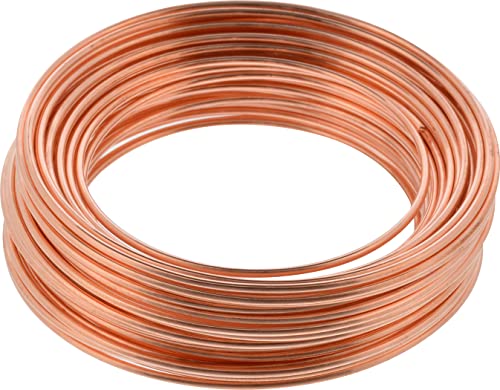
Practice: Start with copper wire—it is inexpensive and forgiving for learning techniques.

Tools: Flat-nose and round-nose pliers plus flush cutters are the essential trio.

Wire Summary

24.2"
total wire needed
Wire Cost
$0.20
Copper
Wire Weight
0.6 oz
18g

Wire Breakdown

Wire TypeGaugeLength
Frame Wire20 AWG7.1"
Base Wire20 AWG6.4"
Wrapping Wire26 AWG7.6"
Waste (15%)—3.2"

DIY Wire Wrap vs Retail Jewelry

Your Wire Cost$0.20
Etsy Wire Wrap$35.00
Boutique Jewelry$85.00

Wire-wrapped pendants sell for $25–$150+ depending on stone quality and wire material

Wire Price Reference (per ft)

Copper$0.12/ft
Silver-Filled$0.65/ft
Sterling Silver$2.00/ft
Gold-Filled$3.50/ft

20 AWG pricing shown. Thinner gauges cost less per foot.

Example Calculations

1Copper Pendant — Medium Cabochon

Inputs

Project TypePendant
Stone Size25 × 18 mm
Wire TypeCopper
Base Gauge20 AWG
Wrap Gauge26 AWG
Wrapping Layers1

Result

Total Wire47.8"
Frame Wire6.4"
Base Wire5.8"
Wrapping Wire29.7"
Wire Cost$0.35

A pendant for a 25×18mm cabochon needs about 6.4 inches of frame wire, 5.8 inches of base wire, and 29.7 inches of wrapping wire. Including 15% waste, total is 47.8 inches. In copper, wire cost is just $0.35.

2Sterling Silver Earrings — Small Stones

Inputs

Project TypeEarrings (pair)
Stone Size18 × 13 mm
Wire TypeSterling Silver
Base Gauge22 AWG
Wrap Gauge28 AWG
Wrapping Layers1

Result

Total Wire30.5"
Frame Wire5.7"
Base Wire5.7"
Wrapping Wire14.9"
Wire Cost$4.03

Earrings for 18×13mm stones use less wire than pendants due to the smaller base multiplier. Total wire is 30.5 inches including waste. Sterling silver at 22/28 AWG costs about $4.03 for the pair.

3Gold-Filled Bracelet — Large Statement Piece

Inputs

Project TypeBracelet
Stone Size40 × 30 mm
Wire TypeGold-Filled
Base Gauge18 AWG
Wrap Gauge26 AWG
Wrapping Layers2

Result

Total Wire152.7"
Frame Wire9.3"
Base Wire10.5"
Wrapping Wire113.5"
Wire Cost$60.38

A gold-filled bracelet with a large 40×30mm stone and 2 wrapping layers requires 152.7 inches total. The bracelet multiplier increases wrapping wire significantly. Gold-filled wire at 18/26 AWG runs $60.38.

Frequently Asked Questions

Q

How much wire do I need to wire wrap a pendant?

For a standard cabochon pendant with a 25×18mm stone, you need about 18–24 inches of base wire (18–20 AWG) for the frame and bail, plus 24–40 inches of wrapping wire (26–28 AWG) for decoration. Add 15% for waste and practice bends. Total wire depends on the number of wrapping layers and your design complexity.

  • Frame wire: stone perimeter × 1.2 plus 3 inches for bail and loops
  • Base wire: frame length adjusted for gauge thickness factor
  • Wrapping wire: base length × 8 wraps per inch × gauge factor × layers
  • Always add 15% waste factor for trimming and adjustments
  • Small pendant (18mm stone): ~40–60" total wire
Stone SizeFrame WireWrap Wire (1 layer)Total with Waste
18×13mm (small)~10"~20"~35"
25×18mm (medium)~12"~30"~48"
40×30mm (large)~16"~50"~76"
Q

What wire gauge should I use for wire wrapping?

Use 18–20 AWG (thicker) for structural base and frame wire that holds the stone, and 26–28 AWG (thinner) for decorative wrapping. 20 AWG is the most versatile base gauge—thick enough for support but flexible enough to shape. 22 AWG works for both base and wrapping on smaller pieces.

  • 18 AWG: heavy frame wire for large pendants and bangles
  • 20 AWG: standard base wire, most versatile for all project types
  • 22 AWG: lighter base wire, also usable as thick wrapping wire
  • 26 AWG: standard wrapping and weaving wire
  • 28 AWG: fine wrapping wire for delicate detail work
GaugeDiameterBest UseCopper Cost/ft
18 AWG1.02mmHeavy frames, bangles$0.15
20 AWG0.81mmStandard base wire$0.12
26 AWG0.40mmWrapping, weaving$0.06
28 AWG0.32mmFine detail wrapping$0.05
Q

How much does wire wrapping jewelry cost in materials?

Copper wire projects cost $0.50–$3 in wire. Sterling silver pendants cost $5–25. Gold-filled pieces cost $15–60. The stone or cabochon is usually the biggest expense, ranging from $2 for tumbled stones to $50+ for quality labradorite or turquoise cabs. Tools are a one-time investment of $15–40.

  • Copper pendant: $0.50–$3 in wire (great for learning)
  • Silver-filled pendant: $3–10 in wire (affordable silver look)
  • Sterling silver pendant: $5–25 in wire (premium material)
  • Gold-filled pendant: $15–60 in wire (luxury without solid gold price)
  • Cabochons: $2–50 depending on stone type and quality
Wire TypePendant CostRing CostBracelet Cost
Copper$1–$3$0.50–$1$2–$5
Silver-Filled$5–$10$2–$4$8–$15
Sterling Silver$10–$25$4–$8$15–$30
Gold-Filled$20–$60$10–$20$30–$80
Q

What is the difference between dead soft and half hard wire?

Dead soft wire is fully annealed and bends very easily—ideal for intricate wrapping and weaving. Half hard wire has been work-hardened and holds its shape better, making it the standard choice for structural frames and bail loops. Most jewelers use half hard for base wire and dead soft for wrapping wire.

  • Dead soft: very pliable, easy to coil and weave, prone to bending out of shape
  • Half hard: springy, holds shape, good for frames and structural elements
  • Full hard: very stiff, difficult to work, rarely used in wire wrapping
  • Work hardening: hammering or tumbling dead soft wire hardens it
  • Nylon jaw pliers help straighten wire without marking it
TemperFlexibilityShape RetentionBest Use
Dead SoftVery pliableLowWrapping & weaving wire
Half HardModerateGoodFrames, bails, structural
Full HardStiffExcellentRarely used in wrapping
Q

How do I calculate wire for a wire-wrapped ring?

Measure the ring size in inches (US size 7 = ~2.14" inner circumference). The shank wire needs about 4–6 inches per wrap around the mandrel. Add the stone setting wire (stone perimeter × 1.3) and decorative wrapping. A typical wire ring uses 12–24 inches of base wire and 8–16 inches of wrapping wire.

  • Shank wire: 4–6 inches per wrap around ring mandrel
  • Setting wire: stone circumference × 1.3 for prong or bezel
  • Wrap wire: shank length × wraps per inch × layers
  • Simple band ring: ~12" base wire + ~8" wrap wire
  • Elaborate cocktail ring: ~24" base + ~30" wrap wire
Ring StyleBase WireWrap WireTotal Wire
Simple Band~12"~8"~23"
Cabochon Ring~18"~16"~39"
Cocktail Ring~24"~30"~62"

Related Calculators

Jewelry Casting Calculator

Calculate metal weight, flask size, and casting costs for lost-wax jewelry casting.

Resin Calculator

Calculate epoxy resin volume and hardener ratio for jewelry bezels, coatings, and art.

Glass Fusing Calculator

Estimate glass, kiln schedules, and costs for fused glass jewelry and art pieces.

Candle Wax Calculator

Calculate wax weight, fragrance oil, and dye amounts for candle making projects.

Wire Jewelry Calculator

Calculate wire length, weight, and cost for rings, pendants, and bangles. Supports sterling silver, copper, and gold-filled wire in all common gauges.

Jewelry Wire Gauge Calculator \u2014 Length, Weight & Cost

Calculate jewelry wire length, weight, and cost by gauge and material. Enter AWG wire size, material type, and project details for accurate estimates.

Related Resources

Jewelry Casting Calculator

Resin Calculator

Yarn Calculator

Glass Fusing Calculator

Explore Crafts Calculators

Discover tools for jewelry making, resin art, candle crafting, quilting, and more.

View All Crafts Calculators

Last Updated: Mar 9, 2026

This calculator is provided for informational and educational purposes only. Results are estimates and should not be considered professional financial, medical, legal, or other advice. Always consult a qualified professional before making important decisions. UseCalcPro is not responsible for any actions taken based on calculator results.

UseCalcPro
FinanceHealthMath

© 2026 UseCalcPro