14 Servings of Egg Fettuccine (Standard)
Inputs
Result
Four standard servings of egg fettuccine need 400g of dough. That requires 240g (about 1.9 cups) of 00 flour and 4 large eggs. Roll to #5 thickness and cook 2–3 minutes.
Total Dough
400g
Flour
240g (1.9 cups)
Eggs
4 large
Homemade ~$0.30/serving vs $0.50 dried vs $1.50 fresh store-bought
| Ingredient | Per Serving | Total |
|---|---|---|
| 00 or All-Purpose Flour | 60g | 240g |
| Eggs | 50g | 4 large (200g) |
| Olive Oil | 5.0g | 20.0g (4.4 tsp) |
| Salt | 1.0g | 4.0g (0.7 tsp) |
| Total Dough | 100g | 400g |
Inputs
Result
Four standard servings of egg fettuccine need 400g of dough. That requires 240g (about 1.9 cups) of 00 flour and 4 large eggs. Roll to #5 thickness and cook 2–3 minutes.
Inputs
Result
Ravioli requires 30% more dough than flat pasta (1.3× multiplier) to account for wrapper envelopes. Six generous servings need 975g of dough—about 585g of flour and 10 eggs.
Inputs
Result
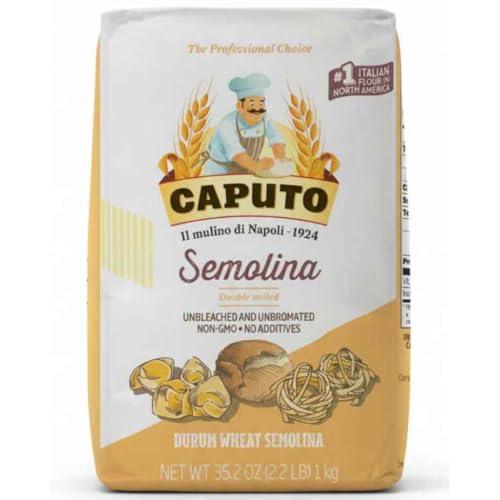
Semolina pasta uses water instead of eggs, producing a firmer golden dough. Two light servings need just 150g of dough with 98g of semolina flour and 45g of water.
For a standard 100g serving of egg pasta, you need about 60g of 00 or all-purpose flour per person. A generous 150g main-course serving requires 90g of flour. The exact amount varies by pasta type: semolina dough uses 65g per 100g serving, and whole wheat uses 55g.
| Pasta Type | Flour/100g | Liquid/100g | Oil/100g |
|---|---|---|---|
| Egg Pasta | 60g | 50g egg | 5g |
| Semolina | 65g | 30g water | 3g |
| Whole Wheat | 55g | 45g egg | 5g |
| Spinach | 60g | 45g egg | 5g |
Use 1 large egg (about 50g) per 100g of flour. For 4 standard servings of egg pasta, you need 240g of flour and about 5 eggs. The exact count depends on egg size—weigh your eggs if they vary. Semolina pasta uses water instead of eggs.
| Servings | Flour | Eggs | Total Dough |
|---|---|---|---|
| 2 people | 120g | 3 large | 200g |
| 4 people | 240g | 5 large | 400g |
| 6 people | 360g | 8 large | 600g |
| 8 people | 480g | 10 large | 800g |
The standard Italian ratio is 100g flour to 1 large egg (50g), which gives roughly a 2:1 flour-to-egg ratio by weight. This produces dough with about 45–50% hydration from the eggs. Add 5g olive oil and 1g salt per 100g dough for flavor and elasticity.
Rest fresh pasta dough for at least 30 minutes at room temperature, wrapped tightly in plastic wrap. Resting relaxes the gluten strands, making the dough much easier to roll thin without springing back. You can refrigerate dough up to 24 hours—just bring it to room temperature before rolling.
Fresh pasta cooks in 2–4 minutes, much faster than dried pasta which takes 8–12 minutes. Fettuccine and tagliatelle cook in 2–3 minutes, while thicker shapes like ravioli and lasagna need 3–4 minutes. Start testing 30 seconds before the minimum time—fresh pasta overcooks quickly.
| Shape | Thickness | Cook Time | Machine Setting |
|---|---|---|---|
| Fettuccine | Thin | 2–3 min | #5 |
| Pappardelle | Medium | 2–4 min | #4 |
| Ravioli | Very thin | 3–4 min | #6 |
| Lasagna | Thick | 3–4 min | #3 |
Homemade fresh pasta costs about $0.30 per serving, compared to $0.50 for dried and $1.50 for store-bought fresh pasta. The main costs are flour ($0.10–$0.15) and eggs ($0.15–$0.20) per serving. Making pasta at home saves 40% vs dried and 80% vs refrigerated fresh.
| Option | Per Serving | For 4 | Savings vs Fresh |
|---|---|---|---|
| Homemade | $0.30 | $1.20 | 80% |
| Dried | $0.50 | $2.00 | 67% |
| Fresh (store) | $1.50 | $6.00 | — |
Read our guide
Read our guide
Read our guide
Discover tools for cooking, baking, recipe scaling, and food cost estimation.
Last Updated: Mar 9, 2026
This calculator is provided for informational and educational purposes only. Results are estimates and should not be considered professional financial, medical, legal, or other advice. Always consult a qualified professional before making important decisions. UseCalcPro is not responsible for any actions taken based on calculator results.