Protein Calculator: How Much Protein Do You Need Per Day?
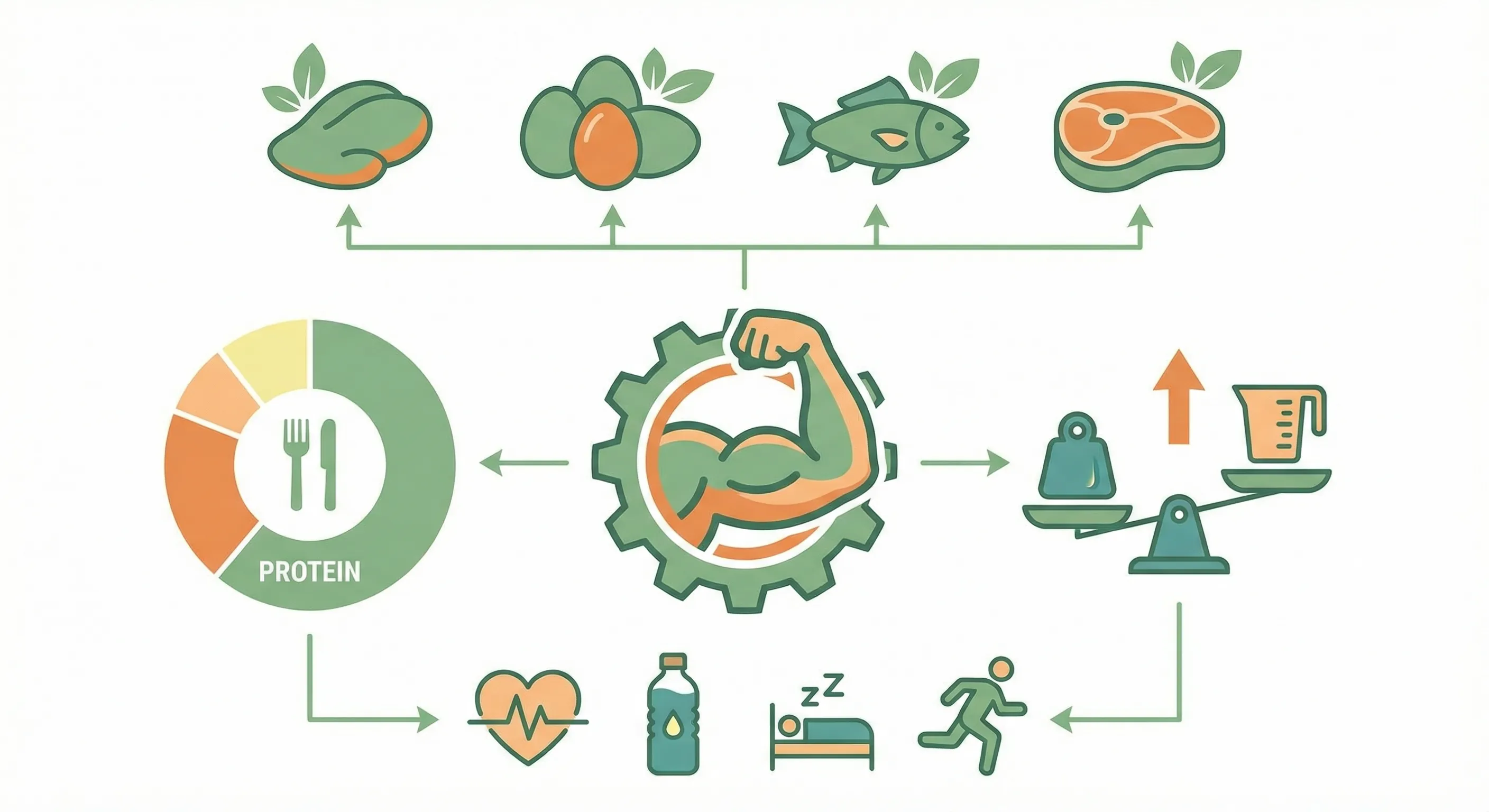
For muscle building and active individuals, aim for 0.7-1.0 grams of protein per pound of body weight. A 180-pound person focused on building muscle needs 126-180 grams of protein daily. For general health, 0.36 grams per pound (the RDA minimum) is sufficient, but most active people benefit from more.
Consider a representative case: a 185-pound lifter eating only 80 grams of protein per day for the first two years of training sees little muscle gain. Bumping intake to 170 grams daily, split across four meals, can add 12 pounds of lean mass in six months while keeping body fat around 14%. Dialing in protein alongside tracking macros is often the single biggest change that moves the needle.
Use our Protein Calculator to get personalized recommendations based on your weight, goals, and activity level.
Understanding Protein Requirements
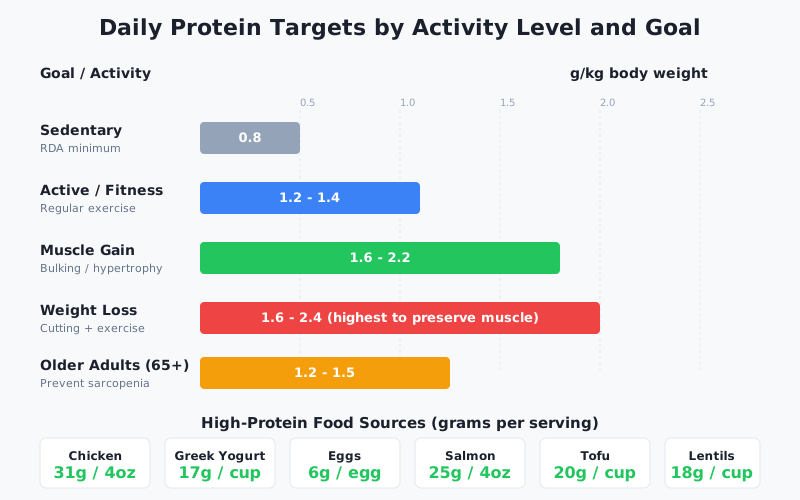
Protein needs vary dramatically based on your goals and activity level:
The RDA vs. Optimal Intake
| Standard | Amount | Purpose |
|---|---|---|
| RDA (Recommended Dietary Allowance) | 0.36 g/lb (0.8 g/kg) | Prevent deficiency |
| Moderate Activity | 0.5-0.7 g/lb | General fitness |
| Muscle Building | 0.7-1.0 g/lb | Optimize muscle protein synthesis |
| Weight Loss + Exercise | 0.8-1.2 g/lb | Preserve muscle while cutting |
| Athletes | 0.7-1.0 g/lb | Performance and recovery |
Important
The RDA is a minimum, not an optimal target. The 0.36 g/lb recommendation prevents protein deficiency but isn't designed for fitness goals, muscle building, or optimal body composition.
How to Calculate Your Protein Needs
Basic Formula
Daily Protein = Body Weight × Protein Factor
Protein factors by goal:
- Sedentary/maintenance: 0.36-0.5 g/lb
- General fitness: 0.5-0.7 g/lb
- Muscle building: 0.7-1.0 g/lb
- Weight loss (active): 0.8-1.2 g/lb
- Bodybuilding/athletes: 1.0-1.4 g/lb
Example Calculations
| Weight | Goal | Factor | Daily Protein |
|---|---|---|---|
| 150 lbs | General fitness | 0.6 | 90g |
| 150 lbs | Muscle building | 0.8 | 120g |
| 180 lbs | Weight loss | 1.0 | 180g |
| 200 lbs | Muscle building | 0.8 | 160g |
| 130 lbs | Maintenance | 0.5 | 65g |
Should You Use Total Weight or Lean Mass?
For most people, total body weight works fine. However, if you're significantly overweight:
Option 1: Use goal body weight Option 2: Use lean body mass + reasonable buffer
Example (250 lbs at 35% body fat, targeting muscle building):
- Lean mass: 250 × 0.65 = 163 lbs
- Using goal weight (~200 lbs): 160-200g protein
- Using lean mass + 20%: 163 × 1.2 × 0.8 = 157g protein
Protein Needs by Goal
For Building Muscle
Research consistently shows 0.7-1.0 g/lb maximizes muscle protein synthesis:
| Factor | Recommendation |
|---|---|
| Base intake | 0.7-1.0 g/lb body weight |
| Per meal | 25-40g protein |
| Meal frequency | 3-5 protein feedings/day |
| Post-workout | 30-50g within 2 hours |
| Before bed | 30-40g (casein ideal) |
Key research findings:
- Gains plateau around 0.7 g/lb for most people
- Going higher isn't harmful but shows diminishing returns
- Protein timing matters less than daily total
Tip
Spread protein throughout the day. Your body can only use ~40-50g per meal for muscle building. Three 40g meals are better than one 120g meal for muscle protein synthesis.
For Weight Loss
Higher protein intake during weight loss helps preserve muscle:
| Factor | Recommendation |
|---|---|
| Base intake | 0.8-1.2 g/lb body weight |
| Why higher? | Preserves muscle in deficit |
| Satiety benefit | Protein is most filling macronutrient |
| Thermic effect | Burns more calories to digest |
Weight loss protein benefits:
- Reduces muscle loss (common during dieting)
- Keeps you fuller longer
- Higher thermic effect (25-30% of protein calories burned during digestion)
- Helps maintain metabolism
For complete weight loss planning, see our Calorie Calculator and read our calorie deficit guide for strategies that preserve muscle during a cut.
For Endurance Athletes
Endurance athletes have protein needs above sedentary individuals:
| Activity | Protein Need |
|---|---|
| Recreational runner | 0.5-0.7 g/lb |
| Serious runner (30+ miles/week) | 0.7-0.9 g/lb |
| Ultra-endurance | 0.8-1.0 g/lb |
| Triathletes | 0.7-0.9 g/lb |
For Older Adults (50+)
Protein needs increase with age due to anabolic resistance:
| Age Group | Recommendation |
|---|---|
| 50-65 | 0.5-0.7 g/lb |
| 65+ | 0.6-0.8 g/lb |
| Active seniors | 0.7-1.0 g/lb |
Why more protein with age:
- Muscle becomes less responsive to protein
- Preventing sarcopenia (age-related muscle loss) is crucial
- Higher protein helps maintain strength and function
Protein Distribution Throughout the Day
Optimal Meal Distribution
Rather than one large protein meal, spread intake across the day:
Example (160g daily target):
| Meal | Time | Protein |
|---|---|---|
| Breakfast | 7 AM | 35g |
| Lunch | 12 PM | 40g |
| Snack | 3 PM | 20g |
| Dinner | 6 PM | 40g |
| Evening | 9 PM | 25g |
| Total | 160g |
The Leucine Threshold
Each meal should hit the leucine threshold (2.5-3g leucine) to maximize muscle protein synthesis:
| Protein Source | Amount for ~3g Leucine |
|---|---|
| Chicken breast | 4 oz (25g protein) |
| Eggs | 4 whole eggs (24g protein) |
| Greek yogurt | 1.5 cups (30g protein) |
| Whey protein | 1 scoop (25-30g protein) |
| Beef | 3.5 oz (25g protein) |
Post-Workout Protein
The anabolic window is more flexible than once believed:
| Timing | Priority | Notes |
|---|---|---|
| Within 2 hours | Ideal | Especially if training fasted |
| Within 4 hours | Good | If you had a pre-workout meal |
| Same day | Acceptable | Total daily protein matters most |
Info
The anabolic window is a barn door, not a peephole. While post-workout protein is beneficial, hitting your daily total is more important than timing.
Best Protein Sources
Complete Proteins (All Essential Amino Acids)
| Source | Protein per Serving | Notes |
|---|---|---|
| Chicken breast | 31g per 4 oz | Lean, versatile |
| Turkey breast | 30g per 4 oz | Very lean |
| Beef (lean) | 28g per 4 oz | High iron, B12 |
| Salmon | 25g per 4 oz | Omega-3s included |
| Eggs | 6g each | Complete protein, affordable |
| Greek yogurt | 17g per 6 oz | Casein + whey blend |
| Cottage cheese | 14g per ½ cup | Casein-rich, slow digesting |
| Whey protein | 25g per scoop | Fast-digesting, convenient |
Plant-Based Proteins
| Source | Protein per Serving | Notes |
|---|---|---|
| Tofu | 20g per ½ block | Complete protein |
| Tempeh | 21g per ½ cup | Fermented, more digestible |
| Lentils | 18g per cup (cooked) | Also high fiber |
| Chickpeas | 15g per cup | Versatile legume |
| Black beans | 15g per cup | Pair with rice |
| Edamame | 17g per cup | Complete soy protein |
| Seitan | 25g per 3.5 oz | Wheat gluten, very high protein |
| Pea protein | 24g per scoop | Good plant-based powder |
Tip
Plant proteins often need combining. Most plant sources lack one or more essential amino acids. Eat varied sources (legumes + grains, for example) throughout the day.
Quick High-Protein Meals
| Meal | Protein | Ingredients |
|---|---|---|
| Protein oatmeal | 40g | Oats + whey + Greek yogurt |
| Chicken stir-fry | 45g | Chicken breast + vegetables + rice |
| Greek yogurt bowl | 35g | Greek yogurt + nuts + berries |
| Protein smoothie | 40g | Whey + milk + banana + PB |
| Salmon dinner | 35g | Salmon fillet + vegetables |
| Egg scramble | 30g | 4 eggs + cheese + vegetables |
Protein and Your Other Macros
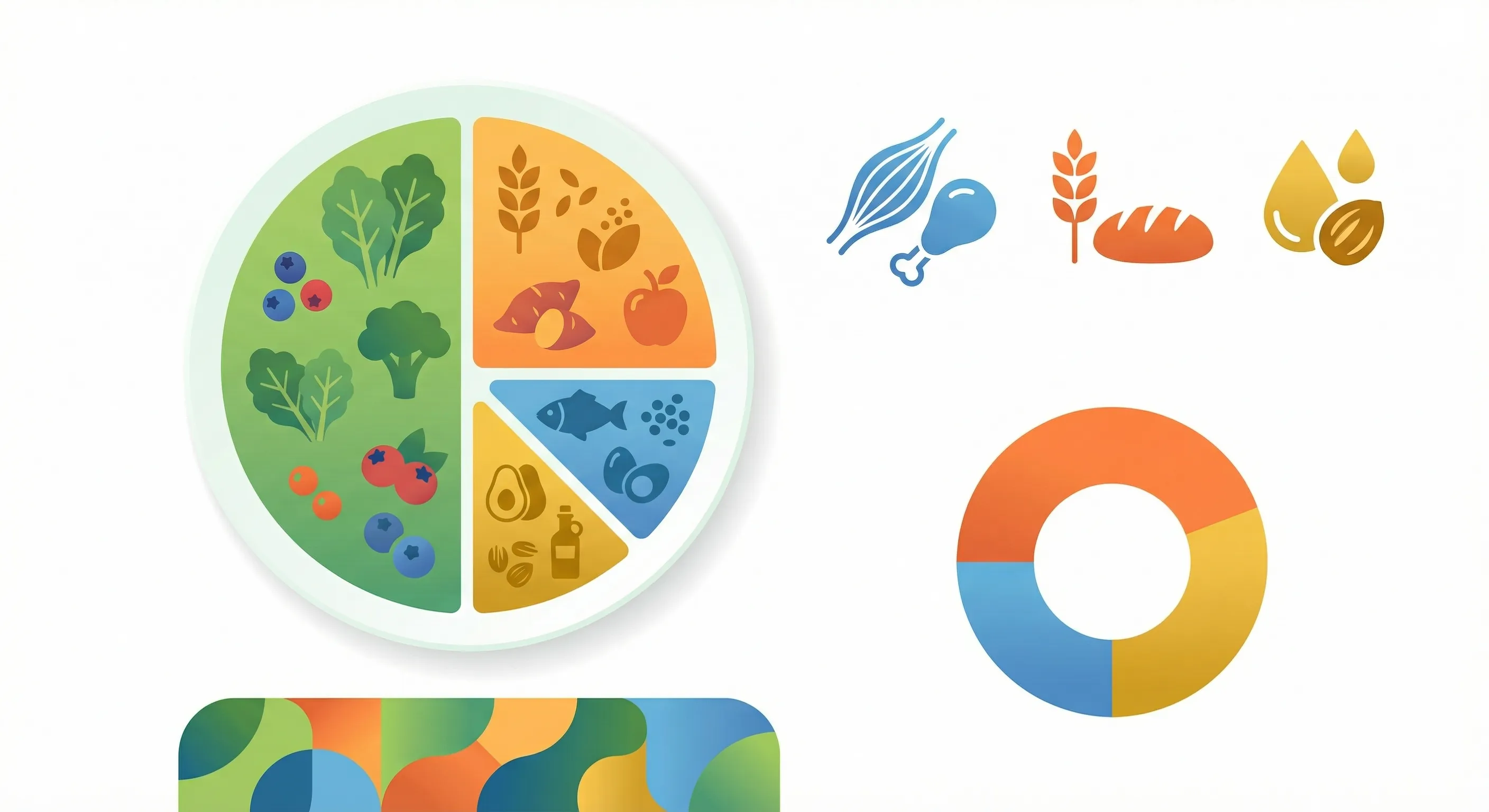
Protein works best as part of a balanced approach:
Macro Ratios by Goal
| Goal | Protein | Carbs | Fat |
|---|---|---|---|
| Muscle building | 25-30% | 45-55% | 20-30% |
| Weight loss | 30-40% | 25-40% | 25-35% |
| Maintenance | 20-25% | 45-50% | 25-30% |
| Endurance athlete | 15-20% | 55-65% | 20-25% |
| Keto/Low-carb | 20-25% | 5-10% | 65-75% |
For complete macro planning, use our Macro Calculator.
Common Protein Mistakes
Mistake 1: Not Getting Enough
Problem: Many people, especially those trying to lose weight, under-consume protein.
Solution: Track protein for a week to see your baseline. Most need to actively increase intake to hit optimal targets.
Mistake 2: Relying Only on Shakes
Problem: Whole food proteins offer nutrients that powders don't.
Solution: Get 70-80% of protein from whole foods. Use shakes to fill gaps, not as primary sources.
Mistake 3: Skipping Breakfast Protein
Problem: Starting the day with carb-heavy, low-protein breakfast.
Solution: Include 25-40g protein at breakfast to break the overnight fast and support muscle protein synthesis.
Mistake 4: Massive Single Doses
Problem: Eating 80g in one meal and 20g the rest of the day.
Solution: Distribute protein across 3-5 meals of 25-50g each.
How to Use Our Protein Calculator
Our Protein Calculator provides personalized recommendations:
- Enter your weight — current body weight
- Select your goal — muscle building, weight loss, maintenance
- Input activity level — sedentary to very active
- Get your target — daily grams and per-meal breakdown
The calculator also shows:
- Minimum and optimal ranges
- Meal distribution suggestions
- Protein source recommendations
Frequently Asked Questions
How much protein do I need to build muscle?
For muscle building, aim for 0.7-1.0 grams per pound of body weight. A 180-pound person should target 126-180 grams daily, distributed across 3-5 meals.
Can you eat too much protein?
For healthy individuals, high protein intake (up to 1.5 g/lb) hasn't shown negative effects. However, those with kidney disease should consult a doctor. Extremely high intake offers no additional muscle-building benefit.
Is protein powder necessary?
No, you can get all needed protein from whole foods. Powder is a convenient supplement when whole food meals aren't practical (post-workout, traveling, busy schedules).
What's the best time to eat protein?
Distribute protein throughout the day in 3-5 meals of 25-50g each. While post-workout protein is beneficial, total daily intake matters more than precise timing.
Do plant proteins work as well as animal proteins?
Plant proteins can absolutely support muscle building and health goals. However, most individual plant sources lack one or more essential amino acids, so eating varied sources is important. Soy (tofu, tempeh, edamame) is a complete plant protein.
Should I increase protein when cutting calories?
Yes, protein should be higher (0.8-1.2 g/lb) during calorie restriction to preserve muscle mass. The fuller feeling also helps with diet adherence.
Related Calculators
- Macro Calculator — Balance all your macronutrients
- Calorie Calculator — Determine your total daily needs
- TDEE Calculator — Calculate total energy expenditure
- TDEE Guide — Full guide to understanding your total daily energy expenditure
Conclusion
Protein is essential for muscle building, weight loss, and overall health. While the RDA (0.36 g/lb) prevents deficiency, most active individuals benefit from 0.7-1.0 g/lb for optimal results. Distribute your intake across the day, prioritize whole food sources, and use supplements to fill gaps.
Use our Protein Calculator to get your personalized daily target. Whether you're building muscle, losing fat, or maintaining health, adequate protein is the foundation of your nutrition plan.
Protein recommendations are based on current sports nutrition research. Individual needs may vary based on health conditions, training intensity, and goals. Consult a registered dietitian for personalized nutrition advice.
This article is provided for informational and educational purposes only. Content should not be considered professional financial, medical, legal, or other advice. Always consult a qualified professional before making important decisions. UseCalcPro is not responsible for any actions taken based on the information in this article.
Try These Calculators
How much protein do you need per day? Enter your weight, activity level, and goal to get a daily gram target for muscle gain, fat loss, or maintenance.
Work out your daily fat intake in grams. Enter total calories, protein, and carbs to auto-calculate fat, or set a target percentage with saturated fat limits.
Calculate your optimal creatine loading and maintenance dose based on body weight and activity level. Get personalized daily creatine dosage in grams.
Find out how much hay and grain your horse needs each day based on weight and activity level. Get monthly feed amounts and cost estimates for your barn.
Figure out how many carbs you should eat per day. Set your calories, protein, and fat, then auto-calculate remaining carbs or pick a target percentage.