UseCalcPro
Home
MathFinanceHealthConstructionAutoPetsGardenCraftsFood & BrewingTools
Blog
  1. Home
  2. Garden

Composting Time Calculator

Estimate your compost timeline based on method, materials, and conditions

Estimated Composting Time

4 weeks–2 months

Method

Hot Composting

C:N Status

Ideal

Active management with regular turning. Pile reaches 130–160°F.

Ideal range: 25–30:1. Lower = more greens, higher = more browns.

Minimum recommended: 27 cu ft (3×3×3 ft) for heat generation.

Estimated Composting Time

4 weeks–2 months
Hot Composting · Medium (9–27 cu ft)
C:N Ratio
28:1
C:N Status
Ideal

Method Comparison

Hot Composting~6 weeks
Cold Composting~39 weeks
Vermicomposting~19 weeks
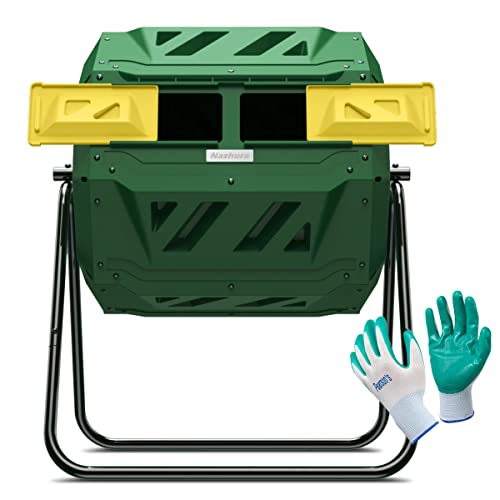
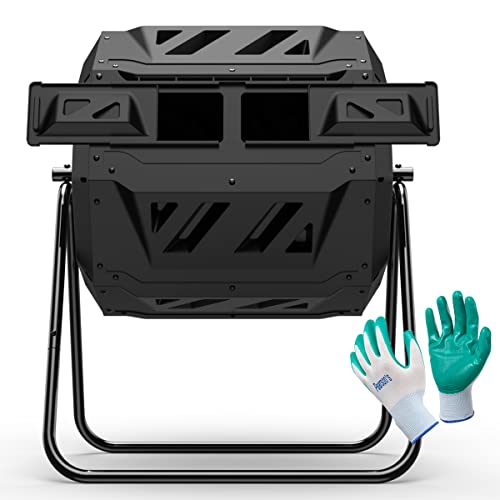
Tumbler~6 weeks

Base estimates before adjustments for pile size, C:N ratio, and climate.

C:N Ratio Guide

MaterialC:NType
Grass clippings20:1Green
Food scraps15:1Green
Coffee grounds20:1Green
Dry leaves60:1Brown
Straw80:1Brown
Cardboard350:1Brown
Wood chips500:1Brown

Tips for Your Setup

Monitor internal temperature with a compost thermometer. Target 130–160°F.

Composting Stages

Phase 1 – Mesophilic (days 1–3): Microbes multiply rapidly, pile heats to 104°F.
Phase 2 – Thermophilic (days 3–21+): Core reaches 130–160°F. Kills pathogens and weed seeds.
Phase 3 – Cooling (weeks 3–8): Temperature drops. Fungi and larger organisms finish breakdown.
Phase 4 – Curing (weeks 4–12+): Compost matures. Dark, crumbly, earthy smell = ready to use.

Example Calculations

1Hot Composting in Temperate Climate

Inputs

MethodHot Composting
C:N Ratio28:1
Pile Size27 cu ft (3×3×3 ft)
TurningEvery 2 weeks
ClimateTemperate

Result

Estimated Time4–8 weeks
C:N StatusIdeal
Pile SizeMedium (optimal)

With ideal C:N ratio (28:1), medium pile size, biweekly turning, and temperate climate, all multipliers are at or near 1.0. Base hot composting range of 4–8 weeks applies directly.

2Cold Composting with Large Leaf Pile

Inputs

MethodCold Composting
C:N Ratio50:1
Pile Size48 cu ft
TurningNever
ClimateCold

Result

Estimated Time10–20 months
C:N StatusToo Much Carbon
Pile SizeLarge

Cold composting base: 26–52 weeks. C:N at 50:1 adds 40% time (1.4x). Large pile helps slightly (0.85x). Never turning adds 50% (1.5x). Cold climate adds 40% (1.4x). Net: approximately 43–87 weeks, or 10–20 months.

3Tumbler in Hot Climate

Inputs

MethodTumbler
C:N Ratio25:1
Pile Size9 cu ft
TurningWeekly
ClimateHot

Result

Estimated Time2–5 weeks
C:N StatusIdeal
Pile SizeMedium (in tumbler)

Tumbler base: 3–8 weeks. Ideal C:N (1.0x). Medium pile in tumbler (1.0x). Weekly turning in tumbler (0.85x). Hot climate (0.8x). Net: 3 × 0.85 × 0.8 = 2 weeks min, 8 × 0.85 × 0.8 = 5 weeks max.

Frequently Asked Questions

Q

How long does hot composting take?

Hot composting takes 4–8 weeks when managed properly. The pile must reach 130–160°F internally, be turned weekly, maintain a C:N ratio of 25–30:1, and stay as moist as a wrung-out sponge. Smaller pieces decompose faster.

  • Optimal conditions: 4–6 weeks to finished compost
  • Minimum pile size: 3×3×3 ft (27 cu ft) for heat retention
  • Turn weekly to maintain oxygen and even decomposition
  • Temperature should reach 130–160°F in the core
  • Compost thermometer is essential for monitoring
FactorFast (4 weeks)Slow (8+ weeks)
C:N Ratio25–30:140–60:1
TurningWeeklyMonthly or never
Particle SizeShredded (<1")Whole leaves/stems
Moisture50–60% (damp sponge)Too dry or too wet
Q

What is the fastest composting method?

Tumbler composting is the fastest method, producing usable compost in 3–8 weeks. The enclosed barrel retains heat and makes turning easy. Hot composting is second fastest at 4–8 weeks. Cold composting is slowest at 6–12 months.

  • Tumbler: 3–8 weeks with daily rotation
  • Hot composting: 4–8 weeks with weekly turning
  • Vermicomposting: 3–6 months (worms do the work)
  • Cold composting: 6–12 months (passive, minimal effort)
  • Berkeley method: 18 days under ideal conditions
Q

Does pile size affect composting speed?

Yes, pile size significantly affects composting speed. A minimum of 3×3×3 feet (27 cubic feet) is needed to generate and retain heat for thermophilic decomposition. Smaller piles lose heat too quickly and decompose like cold compost. Very large piles may need more frequent turning.

  • Under 9 cu ft: too small for heat, acts like cold compost (40% slower)
  • 27 cu ft (3×3×3 ft): minimum for hot composting
  • 27–64 cu ft: ideal range for home composting
  • Over 64 cu ft: may compact and go anaerobic without extra turning
  • Taller piles retain heat better than wider, shallow ones
Q

How does climate affect composting time?

Climate directly affects microbial activity. Hot climates (80°F+) speed decomposition by 20%. Cold climates (below 50°F) slow it by 40% as microbes become dormant below freezing. Insulating piles with straw bales helps in winter.

  • Hot climate (80°F+): 20% faster decomposition
  • Temperate (50–80°F): baseline composting speed
  • Cold (<50°F): 40% slower, pile may go dormant in winter
  • Insulate winter piles with straw bales or tarps
  • Summer heat can dry out piles — water more often
Q

What C:N ratio makes compost fastest?

A carbon-to-nitrogen ratio of 25–30:1 produces the fastest compost. This ratio provides optimal fuel (carbon) and protein (nitrogen) for decomposing microorganisms. Ratios above 40:1 slow decomposition; below 20:1 cause ammonia odors and nitrogen loss.

  • 25–30:1: ideal range for fast, efficient decomposition
  • Below 20:1: too much nitrogen, slimy and smelly pile
  • 30–40:1: acceptable but noticeably slower
  • Above 40:1: carbon-heavy, can take months longer
  • By volume: roughly 2–3 parts browns to 1 part greens
C:N RatioSpeed ImpactCommon Mix
15–20:1Nitrogen-heavy, odor riskAll food scraps + grass
25–30:1Fastest decompositionEqual greens + browns
40–60:130–50% slowerLeaf-heavy pile
80–100:1Very slow, months longerMostly cardboard/sawdust
Q

How do I know when compost is finished?

Finished compost is dark brown to black, crumbly in texture, and smells earthy (not rotten). It should be cool to the touch, reduced to 40–60% of original volume, and unrecognizable as the original materials. A simple bag test confirms readiness.

  • Color: dark brown to black, uniform throughout
  • Texture: crumbly, breaks apart easily
  • Smell: pleasant, earthy aroma (no ammonia or sour smell)
  • Temperature: cool, no longer heating up after turning
  • Volume: reduced to 40–60% of original pile size

Related Calculators

Compost Calculator

Calculate the ideal C:N ratio for your compost pile materials.

Vermicompost Calculator

Calculate worm bin size, bedding, and feeding rates.

Soil Amendment Calculator

Calculate lime or sulfur needed to adjust your soil pH.

Raised Bed Calculator

Calculate soil volume for raised garden beds.

Firewood Seasoning Calculator \u2014 Drying Time by Species & Climate

Calculate firewood seasoning time by wood species, split size, stacking method, and climate. Get ready-to-burn dates, moisture estimates, and BTU ratings.

File Transfer Time Calculator \u2014 Speed & Duration Estimator

Calculate exact file transfer time for any file size and network speed. Compare WiFi, Ethernet, USB, and Thunderbolt transfers with protocol overhead.

Related Resources

Composting for Beginners: C:N Ratios, Methods & Calculator Guide

Read our guide

Garden Watering Calculator: How Much Water Does Your Garden Really Need?

Read our guide

How to Build a Raised Bed Garden: Complete Soil & Materials Calculator Guide

Read our guide

Compost Calculator (C:N Ratio)

Soil Amendment Calculator

Raised Bed Calculator

Vermicompost Calculator

Garden Calculators

Explore all gardening tools for composting, soil, irrigation, and more.

View All

Last Updated: Mar 13, 2026

This calculator is provided for informational and educational purposes only. Results are estimates and should not be considered professional financial, medical, legal, or other advice. Always consult a qualified professional before making important decisions. UseCalcPro is not responsible for any actions taken based on calculator results.

UseCalcPro
FinanceHealthMath

© 2026 UseCalcPro