1Average lawn, 25 mows a year
Inputs
Result
Electric runs $42.50/year vs gas $87.50/year. The $100 higher purchase price is recovered by year 3, then the electric mower saves $45/year — $260 ahead over 8 years.
Electric wins
$260 cheaper
Electric
$790
Gas
$1,050
Break-even
Year 3
Electric wins
Saves $260 over 8 years · breaks even in year 3
$790
$1,050
Cumulative cost over time — crossover at year 3


As an Amazon Associate, we earn from qualifying purchases.
Get free quotes from licensed electricians near you
Showing results for your area
Inputs
Result
Electric runs $42.50/year vs gas $87.50/year. The $100 higher purchase price is recovered by year 3, then the electric mower saves $45/year — $260 ahead over 8 years.
Inputs
Result
At 35 mows a year, electric runs $43.50/year vs gas $133/year. More mowing plus pricier fuel widens the gap — break-even falls to year 2 and electric wins by $745.
Inputs
Result
A big lawn needs a second battery ($120/year reserve) and more charge per mow, so electric runs $127/year vs gas $65/year. With a cheap gas mower and DIY upkeep, gas is cheaper both up front and yearly — no break-even.
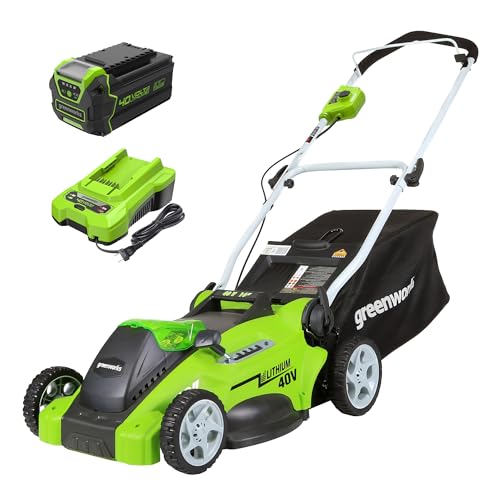
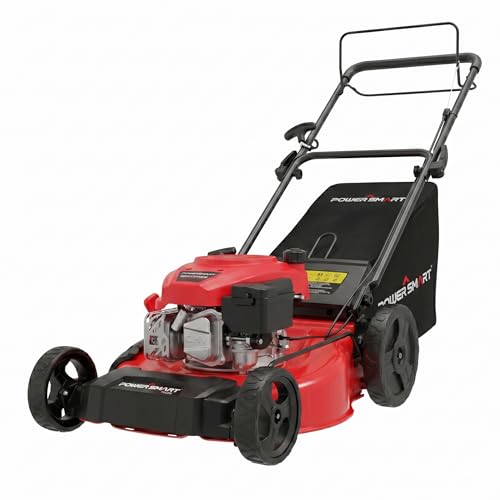
For a typical lawn mowed 25 times a year, a cordless electric mower costs about $450 up front and just $42.50/year to run (charge plus a battery reserve), versus $350 and $87.50/year for gas (fuel plus oil, plugs, and filters). Electric costs $100 more to buy but saves $45/year, breaking even in year 3 and finishing about $260 ahead over 8 years — and it skips oil changes and tune-ups entirely. Gas still wins for very large or rough lawns that need a costly second battery, or when you just want the lowest possible purchase price.
For most lawns, yes — within a few years. A cordless electric mower costs more to buy but far less to run: about $42.50/year (charge plus a battery-replacement reserve) versus about $87.50/year for gas (fuel plus oil, plugs, and filters) on a lawn mowed 25 times a year. The electric mower costs roughly $100 more up front, so it breaks even around year 3 and then saves about $45/year — about $260 over 8 years. Mow more often or face pricier gas and electric wins by more. A big lawn that needs a second battery, or a bargain gas push mower, can flip the answer to gas.
| Mower | Up front | Running / year | 8-Year Total |
|---|---|---|---|
| Electric (25 mows/yr) | $450 | ~$42.50 | $790 |
| Gas (25 mows/yr) | $350 | ~$87.50 | $1,050 |
| Gas @ $2.50/mow fuel | $350 | ~$112.50 | $1,250 |
Break-even is when the cheaper-to-run mower overtakes the cheaper-to-buy one on cumulative cost. Divide the up-front price gap by the yearly running-cost saving and round up. With electric costing $100 more but running $45/year cheaper, that is about 3 years ($100 ÷ $45 = 2.2). Mow 35 times a year against pricier gas and the saving climbs, pulling break-even to about 2 years. A cheap gas push mower with DIY maintenance, or a big lawn that needs a costly second battery, can push break-even past the mower’s useful life — and then gas stays cheaper the whole time.
Yes — that is where most of the savings come from. A battery charge costs roughly $0.05–0.15 per mow versus $1–3 of gas, and a cordless mower has no oil to change, no spark plug, no air filter, and no carburetor to gum up. Annual gas upkeep ($30–70) on top of fuel often makes gas cost about twice as much per year to run. The trade-off is the battery: it holds about 80% of its capacity for roughly 5 years, then costs $150–300 to replace — which is exactly what the "battery reserve" line in the calculator sets aside each year.
Three cases. First, very large or rough lawns (over about half an acre) where one battery cannot finish the job — a second battery adds $150–300 and a higher charge per mow, raising the electric "reserve" until it matches or beats gas fuel cost. Second, when you simply want the lowest purchase price: basic gas push mowers start around $250–350. Third, infrequent mowing, where neither fuel nor maintenance adds up to much, so the cheaper up-front mower wins. For a 1+ acre lot mowed weekly, gas — or a battery mower with two packs — is often the more practical pick for the mower’s whole life.
Most lithium-ion mower batteries keep about 80% of their capacity for 3–5 years, or roughly 300–500 charge cycles, before runtime noticeably drops. A replacement runs $150–300 depending on amp-hours — about $30–60/year amortized, which is what the "battery reserve" input represents. Storing the pack at room temperature and avoiding deep full discharges extends its life. Even budgeting a replacement every 5 years, a cordless mower usually still beats gas at average mowing frequency, because it avoids fuel and all engine maintenance.
Read our guide
Read our guide
Read our guide
Plan lawn care, seeding, fertilizer, mulch, and landscaping — price every outdoor project before you start.
Last Updated: Jun 17, 2026
This calculator is provided for informational and educational purposes only. Results are estimates and should not be considered professional financial, medical, legal, or other advice. Always consult a qualified professional before making important decisions. UseCalcPro is not responsible for any actions taken based on calculator results.