UseCalcPro
Home
MathFinanceHealthConstructionAutoPetsGardenCraftsFood & BrewingTools
Blog
  1. Home
  2. Garden

Shade Sail Calculator — Coverage, Post Height & Hardware

Determine the right shade sail size, post heights, and hardware for maximum ground coverage

Ground Shade Area

136 sq ft

Sail Area

192 sq ft

Post Height

10.0 ft

Shade Coverage

136 sq ft
ground shade at 45°
Sail Area
192 sq ft
rectangle
Post Height
10.0 ft
incl. 2.0 ft sag

Measurements

Sail Area192.0 sq ft
Ground Shade (45°)135.8 sq ft
Shade Coverage70.7%
Perimeter56.0 ft
Longest Span20.0 ft
Estimated Sag2.0 ft

Shade by Sun Angle

30° (morning)166 sq ft
45° (mid-AM)136 sq ft
60° (midday)96 sq ft

Lower sun angles cast more shade. Design for midday (highest angle) for worst-case coverage.

Order Size & Hardware

Sail Size to Order13 ft × 17 ft
Hem Allowance6" per side

Hardware Per Point (4 points)

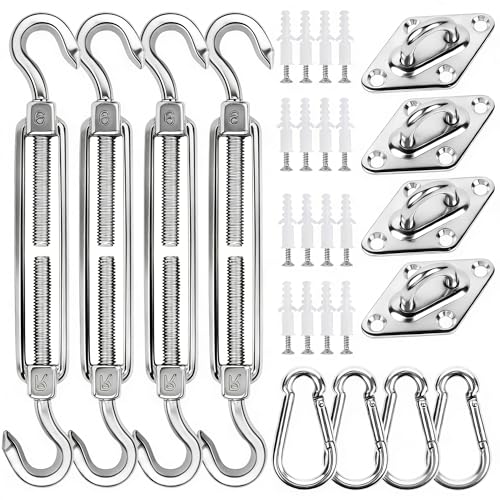
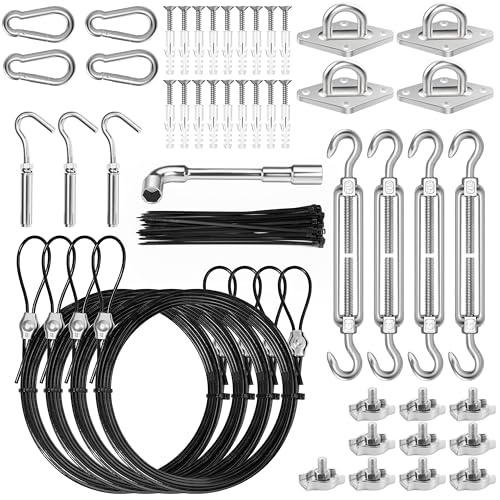
Turnbuckles4
Snap hooks / carabiners4
Mounting brackets4
Thimbles4

Post Height Reference

SpanSagMin PostEmbed
10 ft1.0 ft9.0 ft3 ft
14 ft1.4 ft9.4 ft3.5 ft
18 ft1.8 ft9.8 ft3.5 ft
22 ft2.2 ft10.2 ft4 ft

Embed depth assumes 4×4 or 6×6 steel or wood posts set in concrete.

Pro Tips

Tilt for drainage: Mount one corner 2–3 ft lower than the opposite to prevent water pooling. Use the lowest point as the drainage corner.
UV protection: Choose sails rated for 90–95% UV block. HDPE fabric breathes better and lasts 5–10 years. PVC-coated polyester blocks rain but traps heat.
Wind loads: Remove sails in winds over 50 mph. Permanent installations should use 6×6 posts with 3–4 ft concrete footings.
Overlap sails: Two overlapping triangles provide better coverage and visual interest than one large rectangle. Stagger heights by 1–2 ft.

Example Calculations

1Rectangle Shade Sail: 12×16 ft Patio Cover

Inputs

ShapeRectangle
Length16 feet
Width12 feet
Mounting Height10 feet
Sun Angle45 degrees
Attachment Points4

Result

Sail Area192 sq ft
Ground Shade135.8 sq ft
Post Height (with sag)11.6 ft
Perimeter56 ft
Hardware Sets4
Order Size (with hem)13 ft × 17 ft

A 12×16 ft rectangle = 192 sq ft. At 45° sun angle, ground shade = 192 × cos(45°) = 192 × 0.707 = 135.8 sq ft. Sag = 0.1 × 16 = 1.6 ft. Post height = 10 + 1.6 = 11.6 ft. Perimeter = 2(12+16) = 56 ft. Add 6" per side for hemming: 13×17 ft order size.

2Triangle Shade Sail: 14×12 ft Garden Shade

Inputs

ShapeTriangle
Base14 feet
Height12 feet
Mounting Height8 feet
Sun Angle60 degrees
Attachment Points3

Result

Sail Area84 sq ft
Ground Shade42 sq ft
Post Height (with sag)9.8 ft
Perimeter44.4 ft
Hardware Sets3
Order Size (with hem)15 ft base × 13 ft height

Triangle area = 0.5 × 14 × 12 = 84 sq ft. At 60° angle, ground shade = 84 × cos(60°) = 84 × 0.5 = 42 sq ft. Third side = √(14²+12²) = 18.44 ft. Perimeter = 14+12+18.44 = 44.4 ft. Sag = 0.1 × 18.44 = 1.84 ft. Post height = 8+1.84 = 9.84 ft.

3Square Shade Sail: 16×16 ft Poolside Cover

Inputs

ShapeSquare
Side Length16 feet
Mounting Height9 feet
Sun Angle30 degrees
Attachment Points4

Result

Sail Area256 sq ft
Ground Shade221.7 sq ft
Post Height (with sag)10.6 ft
Perimeter64 ft
Hardware Sets4
Order Size (with hem)17 ft × 17 ft

Square area = 16 × 16 = 256 sq ft. At 30° sun angle, ground shade = 256 × cos(30°) = 256 × 0.866 = 221.7 sq ft. Sag = 0.1 × 16 = 1.6 ft. Post height = 9 + 1.6 = 10.6 ft. Perimeter = 4 × 16 = 64 ft.

Frequently Asked Questions

Q

How do I calculate shade sail coverage on the ground?

Ground shade coverage depends on sail area and sun angle. At a 45° sun angle, shade on the ground equals the sail area multiplied by cos(45°) = 0.707, so a 100 sq ft sail casts about 71 sq ft of shade. Lower sun angles produce more shade; higher angles produce less.

  • Formula: ground_shade = sail_area × cos(sun_angle)
  • Sun at 30°: cos(30°) = 0.866 — 86.6% of sail area as shade
  • Sun at 45°: cos(45°) = 0.707 — 70.7% of sail area as shade
  • Sun at 60°: cos(60°) = 0.500 — 50.0% of sail area as shade
  • Summer noon sun is typically 60–75°; morning/evening is 20–40°
Sun Anglecos(angle)100 sq ft Sail200 sq ft Sail
30°0.86687 sq ft shade173 sq ft shade
45°0.70771 sq ft shade141 sq ft shade
60°0.50050 sq ft shade100 sq ft shade
75°0.25926 sq ft shade52 sq ft shade
Q

How high should shade sail posts be?

Shade sail posts should be 8–12 feet tall, with one end at least 2 feet higher than the other for water runoff. The recommended minimum height is 8 feet for clearance. Add 10% of the longest span for sag when calculating total post height.

  • Minimum clearance height: 8 feet at the lowest point
  • Recommended tilt: 2–3 foot difference between high and low corners
  • Sag allowance: approximately 10% of the longest sail span
  • For a 16 ft sail span: sag ≈ 1.6 ft, so posts need ~9.6 ft minimum
  • Embed posts 3–4 feet deep in concrete footings for stability
Sail SpanSag (10%)Min Post HeightRecommended Height
10 ft1.0 ft9.0 ft10–11 ft
16 ft1.6 ft9.6 ft10–12 ft
20 ft2.0 ft10.0 ft11–13 ft
Q

What shape shade sail provides the most coverage?

Rectangle shade sails provide the most coverage per dollar because they have the highest area-to-perimeter ratio. A 10×16 ft rectangle covers 160 sq ft, while a triangle with the same longest dimension covers only 80 sq ft. Choose triangles for visual interest and corners.

  • Rectangle: length × width (e.g., 10×16 = 160 sq ft)
  • Square: side × side (e.g., 12×12 = 144 sq ft)
  • Triangle: 0.5 × base × height (e.g., 16×10 = 80 sq ft)
  • Rectangles need 4 attachment points; triangles need only 3
  • Multiple overlapping triangles create dynamic visual designs
ShapeDimensionsAreaAttachment Points
Triangle16×10 ft80 sq ft3
Square12×12 ft144 sq ft4
Rectangle10×16 ft160 sq ft4
Q

What hardware do I need for a shade sail?

Each attachment point needs a turnbuckle, snap hook or carabiner, and either a wall bracket or post bracket. A triangular sail needs 3 sets; a rectangle needs 4. Add 6 inches per side to the sail dimensions for hemming and hardware clearance.

  • Turnbuckles: 1 per attachment point (for tensioning)
  • Snap hooks or carabiners: 1 per attachment point
  • Wall plates or eye bolts: for building-mounted corners
  • Post brackets: for freestanding post corners
  • Stainless steel hardware recommended for outdoor longevity
Q

How do I account for sail sag in my measurements?

Shade sails naturally sag under their own weight and wind loads. Plan for approximately 10% of the longest span as sag. A 20-foot sail will sag about 2 feet at the center. Increase mounting height accordingly and use turnbuckles to maintain tension.

  • Sag estimate: ~10% of the longest span between attachment points
  • A 12 ft span sags ~1.2 ft; a 20 ft span sags ~2.0 ft
  • Higher mounting = more dramatic sag but better rain runoff
  • Turnbuckles allow 4–6 inches of adjustment for re-tensioning
  • Re-tension every 6 months as fabric stretches

Related Calculators

Deck Calculator

Estimate decking boards, joists, posts, and total cost for deck construction.

Raised Bed Calculator

Calculate soil volume, lumber, and cost for raised garden beds of any size.

Fence Calculator

Estimate fence materials including posts, rails, pickets, and hardware.

Pergola Calculator

Calculate lumber, hardware, and cost for building a pergola or arbor.

Garden Container Size Calculator \u2014 Right Pot for Every Plant

Find the right container size for tomatoes, peppers, herbs, and vegetables. Calculate total potting soil in gallons and bags for your container garden.

Bat House Calculator

Calculate bat house dimensions and mounting height for natural mosquito pest control. Get chamber sizing, placement, and capacity estimates for your yard.

Related Resources

How Much Paint Do I Need for a Room? Complete Calculator Guide

Read our guide

Garden Watering Calculator: How Much Water Does Your Garden Really Need?

Read our guide

Rain Barrel Calculator: How Many Barrels Do You Need for Rainwater Harvesting?

Read our guide

Deck Calculator

Fence Calculator

Raised Bed Calculator

Pergola Calculator

Explore Garden Calculators

Discover tools for raised beds, composting, irrigation, soil amendments, and more.

View All Garden Calculators

Last Updated: Mar 9, 2026

This calculator is provided for informational and educational purposes only. Results are estimates and should not be considered professional financial, medical, legal, or other advice. Always consult a qualified professional before making important decisions. UseCalcPro is not responsible for any actions taken based on calculator results.

UseCalcPro
FinanceHealthMath

© 2026 UseCalcPro